
Key Takeaways
1. Personal narrative is a radical, political act of social justice
Writing is a form of freedom more accessible than many and there are forces at work that would like to withhold it from those whose stories most threaten the regimes that govern this society.
Subverting oppressive structures. Personal narrative is not mere self-indulgence; it is a direct threat to systems of power that rely on the silence of the oppressed. When marginalized individuals—women, queer folks, people of color—write their lives, they reclaim their agency and challenge dominant, sanitized historical narratives. This act of writing is a form of freedom that threatens the regimes governing our society.
Transforming private shame. By dragging private traumas into the public sphere, personal writing converts individual suffering into collective action. This act of testimony exposes systemic injustices, making it impossible for society to ignore the harms of patriarchy, white supremacy, and colonization. It transforms the debilitating force of shame into a powerful agent of social change.
A tool for liberation. The history of social change has always depended upon the testimonies of the oppressed. Writing your life is an act of resistance against a culture that wants you hidden:
- First-person narratives historically fueled social movements, from slave narratives to feminist consciousness-raising.
- Sharing stories of survival builds solidarity among those who have been silenced.
- Reclaiming your story replaces the onus of change onto the society in which we live.
2. The stigma of "navel-gazing" is a sexist tool used to silence marginalized voices
That these topics of the body, the emotional interior, the domestic, the sexual, and the relational are all undervalued in intellectual literary terms, and are all associated with the female spheres of being, is not a coincidence.
Devaluing the feminine. The literary establishment has long dismissed personal writing about the body, family, and trauma as "navel-gazing" or "therapy." This criticism is deeply gendered, designed to keep women and marginalized writers from claiming intellectual and artistic authority over their own lived experiences. It is a sexist mechanism intended to subordinate the emotional sphere of being.
Double standards in art. While male writers are celebrated as universal geniuses for chronicling their domestic lives or "daddy issues," women writing about motherhood, sexual trauma, or relationships are labeled narcissistic. This false binary between the intellectual (male) and the emotional (female) must be actively dismantled. We must stop apologizing for writing about the body and intimacy.
Rejecting the critic's gaze. True self-appraisal is the opposite of narcissism; it requires immense bravery to place a flawed self in a broken world. We must reject the internalized voices that warn us away from telling our own stories:
- The term "navel-gazing" is used to police and shame writers into self-censorship.
- White, male stories are treated as universal, while marginalized stories are relegated to "niche" categories.
- Dragging our stories into the room is the only way to make the room bigger.
3. Expressive writing about trauma has profound psychological and physiological healing powers
Expressive writing about trauma strengthens the immune system, decreases obsessive thinking, and contributes to the overall health of the writers.
The talking cure. Putting painful memories into words is a biological and psychological necessity. Scientific research, such as James Pennebaker's studies on expressive writing, proves that translating trauma into narrative structure physically heals the body and mind. It strengthens the immune system, decreases obsessive thinking, and contributes to overall health.
Artistic and therapeutic alignment. While critics sneer at the idea of writing as therapy, the healing side effects of creative work do not diminish its artistic value. A piece of writing can be both a literary masterpiece and a vehicle for personal catharsis and transformation. There is no pain in life that cannot be given value by the alchemy of creative attention.
Reclaiming physical agency. The articulation of painful memories is integral to preserving collective memory and healing the individual. By writing our wounds, we initiate a process of somatic and psychological integration:
- Expressive writing reduces the physical toll of keeping secrets, which manifests as chronic stress.
- It helps integrate fragmented, dissociated memories back into a cohesive life story.
- The process relieves us from the bondage of our own vanities and psychic suffering.
4. Writing authentic sex requires dismantling internalized societal and patriarchal scripts
In order to write an awakened sex scene, one may need to be awake to their own sex.
Unlearning the programming. Most writers unconsciously replicate cultural scripts about sex—narratives that prioritize male pleasure, objectify female bodies, and enforce heteronormative standards. Writing authentic sex requires a rigorous process of unlearning these downloaded behaviors and tuning into genuine, specific desires. It is the project of discerning what is possible to undo in our own minds.
Differentiating porn from art. Pornography relies on a "theater of types" and flat, predictable scripts to trigger arousal, whereas literature must capture the specific, messy, and intimate realities of human connection. To write sex well, the author must look past the performance and capture the internal consciousness of the characters. We must move beyond the generic scripts of social conditioning.
Reclaiming the erotic. Rejecting patriarchal rules about what is "normal" or "nice" opens up new creative possibilities. When we define our sex by acts that mean something to us, the center shifts:
- True sexual intimacy is highly specific and cannot be simulated by generic tropes.
- Writers must distinguish between enacting an inherited story and expressing genuine, lived desire.
- The representation of our sexual lives must include the full spectrum of human experience.
5. A sex scene is simply a scene and must be treated with the same craft rigor as any other
Our isolation of sex from other kinds of scenes is not indicative of sex’s difference, but the difference in our relationship to sex.
Demystifying the craft. Writers often freeze when writing sex, hiding behind euphemisms or avoiding the scenes entirely due to inherited shame. In reality, a sex scene is governed by the exact same rules of craft as a dinner scene or a fight scene: it must advance the plot, reveal character, and utilize sensory detail. It is our reluctance to name things that makes sex scenes feel uniquely difficult.
Rejecting arbitrary rules. The literary world is full of restrictive "rules" about what words to use or avoid when describing physical intimacy. Writers should feel empowered to use any words they want—whether "pussy," "cunt," or "vagina"—as long as they serve the emotional truth of the scene. Experience is innocent, and language can be transformed by the context of a scene.
Integrating sex into narrative. A sex scene must occur in a chain of causality springing from the characters' choices. It should reflect the characters' psychological, political, and historical realities:
- A sex scene should advance the story and reveal deeper character motivations.
- Sex in literature doesn't have to be "good" or wholesome; it can be awkward, boring, or even a site of grief.
- Sensory details must concretize and speak symbolically to the deeper content of the story.
6. Writing about living people requires a deeply considered, evolving ethical compass
It is profoundly unfair that a writer gets to author the public version a story that has as many true variations as persons involved.
The asymmetry of memoir. Memoirists must grapple with the reality that they are reducing real, complex human beings into literary characters. Because the writer always has the last, published word, they hold an immense power imbalance over the people who populate their past. It is a process of radical reduction that almost no one likes to undergo.
Navigating interpersonal fallout. There is no easy formula for writing about others without causing pain. Writers must develop their own moral compass, balancing the imperative of artistic truth with a compassionate awareness of the real-world consequences their words might inflict on loved ones. Sometimes, we must accept that publication is not free of personal cost.
Strategies for ethical writing. While we cannot control how others will react to our work, we can take steps to minimize unnecessary harm. A thoughtful approach to characterization protects both the writer and their subjects:
- Write the first draft without self-censorship, then edit for unnecessary harm.
- Change names, pseudonyms, and identifying characteristics to protect the privacy of peripheral figures.
- Offer key loved ones veto power or the chance to read drafts before publication to mitigate vulnerability.
7. Cruelty in writing is a cheap trick that ultimately weakens the prose
One of the things that I observed is that when a detail felt cruel, the prose was almost always better off without it.
The weakness of spite. Using personal narrative to seek revenge or humiliate an enemy is a creative dead end. Cruelty might offer a fleeting, cheap pleasure to the writer, but it ultimately flattens the narrative, robbing the work of the complexity and emotional depth required for great art. Spiteful writing is almost always a form of bullying.
Trading up to truth. When a writer is tempted to include a biting, vindictive detail, they should interrogate their motives. True artistic power lies in vulnerability and self-appraisal, not in punching down at those who cannot defend themselves on the page. We must trade cheap cruelty for a higher, more complex form of truth.
Accountability over blame. Compelling memoirs are those where the author is hardest on themselves, not others. Interrogating our own complicity yields far richer narrative tension than simple finger-pointing:
- Cruelty is often a defense mechanism used to avoid looking at one's own accountability.
- Removing spiteful lines almost always improves the pacing and integrity of the prose.
- The published word of a writer will last longer than that of any person who is not a public figure.
8. Confession is an ancient, spiritual process of returning to and transforming the self
Returning is learning to know yourself again, to find your own agency in the actions that you have committed.
The art of teshuvah. The Hebrew word for repentance, teshuvah, literally translates to "returning." Confession is not merely about admitting guilt; it is a spiritual technology for looking back at the past, taking responsibility for one's actions, and transforming the self in the present. It is a process of learning to know yourself again.
A change of heart. To write a meaningful personal narrative, the author must undergo a fundamental shift in perspective. This "change of heart" allows the writer to return to painful, unresolved memories not as a passive victim, but as an active agent seeking comprehension and integration. It is the essential starting point for any true return.
The sacred page. Writing serves as a modern, secular confessional booth where secrets are safely unburdened. Putting unspoken thoughts into straight lines of text brings order to internal chaos:
- The confessing "I" is not a simple recursion of the self, but a radical return to what it did not know as itself.
- The act of confessing on the page binds the writer to a transformed, more honest future.
- We make the past known in order to know ourselves as changed.
9. Trauma recovery and memoir writing share a parallel path of narrative integration
This work of reconstruction actually transforms the traumatic memory, so that it can be integrated into the survivor’s life story.
Reconstructing the past. Both trauma recovery and memoir writing require the survivor to slowly, carefully reconstruct a fragmented narrative. Trauma causes us to dissociate and go numb, but the creative process allows us to safely retrieve those exiled sensations and integrate them into our identity. This work of reconstruction transforms the traumatic memory into a cohesive life story.
Somatic and narrative completion. Healing cannot happen through intellectual detachment alone; it must occur in the body. By writing with emotional and physical presence, the memoirist completes the interrupted biological actions of the past, transforming a haunting memory into a finished story. We must recover the memories of exiled sensations to achieve wholeness.
Pacing the process. The writer must move slowly, digesting unassimilated experiences at a tolerable rate. Hurrying the process or writing without emotional presence can lead to flat, repetitive prose:
- Writing about trauma too soon, before establishing safety, risks retraumatizing the author.
- A detached, unprocessed narrative lacks the emotional resonance needed for compelling literature.
- Somatic experiencing allows us to re-integrate lost or fragmented portions of our essential self.
10. The ultimate goal of personal narrative is self-acceptance and finding solidarity with a loving witness
We are telling the stories that no one else can tell, and we are giving this proof of our survival to each other.
The power of the witness. No confession or trauma narrative is complete without a witness. While the writer begins their work in solitude, the ultimate act of publishing is a search for a "perfect reader"—someone who reads the writer's secrets and offers a mirror of shared humanity and unconditional acceptance. The confessor cannot be reassured of love until they confess.
Eradicating isolation. Personal narrative builds a bridge of solidarity across human suffering. When a writer risks exposing their deepest shame, they dismantle the illusion of isolation, proving to both themselves and their readers that they are not alone in their monstrousness or their beauty. It is a joy to be hidden, but a disaster not to be found.
A monument to survival. Sharing unspeakable stories publicly transforms personal tragedy into a catalyst for social change. A finished memoir stands as a monument to resilience, validating the experiences of the marginalized:
- Sharing our experiences publicly connects us to a power larger than ourselves.
- The ultimate reward of this rigorous creative work is a profound, life-saving self-acceptance.
- We write to solve the puzzle of ourselves and come to a place of deep, transformative love.
Review Summary
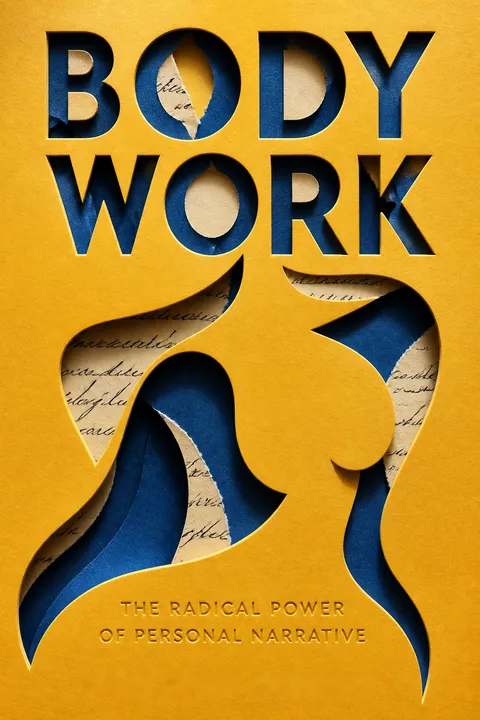
Body Work receives high praise for its insightful exploration of personal narrative writing. Readers appreciate Febos's feminist perspective, engaging prose, and valuable advice on writing about trauma, sex, and others. Many find it transformative, validating their experiences as writers and readers. The book is lauded for its academic depth and emotional resonance. While some find it occasionally challenging or irrelevant to non-writers, most reviewers consider it an essential read for memoir writers and those interested in the power of personal storytelling.
People Also Read

FAQ
What's Body Work: The Radical Power of Personal Narrative about?
- Exploration of Personal Narrative: The book examines the role of personal narratives in shaping identity and understanding experiences. It highlights storytelling as a tool for liberation and self-discovery.
- Resistance Against Capitalism: Febos discusses how personal narratives can resist capitalist structures that dictate storytelling norms. She encourages writers to reclaim and express their truths authentically.
- Practical Writing Exercises: Structured as a guide, the book includes exercises and prompts to help writers explore their narratives, encouraging playful and experimental engagement with writing.
Why should I read Body Work: The Radical Power of Personal Narrative?
- Empowerment Through Writing: Febos offers a framework for using writing to reclaim voices and stories, especially for marginalized voices seeking representation.
- Unique Perspective on Storytelling: The book blends personal anecdotes with practical advice, challenging conventional narrative notions and encouraging creative thinking.
- Supportive Community: Febos advocates for a collaborative writing community, fostering a nurturing environment for creative expression.
What are the key takeaways of Body Work: The Radical Power of Personal Narrative?
- Personal Narrative as Resistance: Febos argues that reclaiming one's story is a radical act of self-affirmation, challenging societal norms.
- Writing as a Healing Tool: Writing serves as a therapeutic outlet, helping individuals process trauma and navigate emotions, with an emphasis on vulnerability.
- Diverse Approaches to Storytelling: The book encourages experimenting with form and structure, emphasizing that there is no single "right" way to tell a story.
What are the best quotes from Body Work: The Radical Power of Personal Narrative and what do they mean?
- “Resistance and change often begin in art.”: Highlights art's transformative power in enacting social change, suggesting personal narratives can inspire collective action.
- “You don’t have to be good, but you can’t be half-assed.”: Encourages full commitment to writing without perfection pressure, emphasizing authenticity and effort.
- “A door can be a table.”: Illustrates that objects and spaces can hold multiple meanings, encouraging creative thinking in storytelling.
How does Body Work: The Radical Power of Personal Narrative approach the concept of writing exercises?
- Practical Assignments: Includes 78 exercises to engage with personal narratives, promoting experimentation and playfulness.
- Encouragement of Reflection: Exercises prompt reflection on experiences and emotions, fostering deeper narrative understanding.
- Flexibility in Execution: Febos emphasizes adapting prompts to individual styles, with no strict completion rules.
What is the significance of the title Body Work?
- Embodiment of Experience: Reflects the connection between personal narratives and physical bodies, exploring embodied experiences through writing.
- Healing and Transformation: Suggests a healing process through writing, encouraging engagement with bodies and emotions.
- Connection to Feminist Discourse: Resonates with feminist theories on the body's role in identity and power dynamics, inviting readers to consider bodily influences on stories.
How does Body Work: The Radical Power of Personal Narrative address the theme of community among writers?
- Collaboration Over Competition: Advocates for a supportive community where writers uplift each other, sharing resources and experiences.
- Collective Storytelling: Encourages engaging in collective storytelling, recognizing interconnected individual narratives, fostering belonging and shared purpose.
- Mentorship and Guidance: Highlights mentorship's value, encouraging experienced writers to support emerging voices for a more inclusive literary landscape.
What writing styles or genres does Body Work: The Radical Power of Personal Narrative explore?
- Diverse Genres: Encourages experimenting with memoir, fiction, and poetry, emphasizing personal narratives' varied forms.
- Blending of Styles: Advocates blending styles to create unique narratives, drawing from experiences and influences for distinctive voices.
- Emphasis on Authenticity: Stresses authenticity in storytelling, encouraging writers to stay true to experiences and perspectives.
How can I apply the concepts from Body Work: The Radical Power of Personal Narrative to my own writing?
- Engage with Writing Prompts: Use the book's exercises to explore personal narratives, uncovering hidden stories and emotions.
- Reflect on Your Experiences: Reflect on experiences shaping identity, informing writing for more authentic storytelling.
- Experiment with Form: Experiment with genres and styles, allowing freedom to play with structure and content.
What is the role of vulnerability in writing, according to Body Work: The Radical Power of Personal Narrative?
- Embracing Vulnerability: Febos emphasizes vulnerability as crucial for authentic storytelling, encouraging embracing fears and insecurities.
- Connection with Readers: Vulnerability fosters deeper reader connections, allowing relatability and empathy.
- Healing Through Honesty: Writing from vulnerability can be healing, confronting difficult emotions for personal growth and transformation.
How does Body Work: The Radical Power of Personal Narrative address societal expectations and norms?
- Critique of Norms: Febos critiques norms dictating storytelling, challenging the idea that only certain experiences are worthy.
- Empowerment Through Reclamation: Encourages reclaiming narratives to challenge expectations, redefining identities and experiences.
- Intersectionality: Explores identity intersectionality, advocating for inclusive storytelling honoring diverse experiences.
How does Body Work: The Radical Power of Personal Narrative redefine the concept of success for writers?
- Personal Definition of Success: Encourages defining success personally, prioritizing fulfillment over commercial success.
- Value of Authenticity: Posits authenticity as more valuable than meeting external expectations, focusing on unique voices and stories.
- Embracing the Journey: Emphasizes the writing journey as success, finding fulfillment and purpose regardless of external validation.
Download PDF
Download EPUB
.epub digital book format is ideal for reading ebooks on phones, tablets, and e-readers.








































