
Plot Summary
Thanksgiving with Ghosts
Victor Bayne, a psychic medium and Chicago cop, joins his boyfriend Jacob's family for Thanksgiving in rural Wisconsin. The dinner is a minefield: Jacob's family is curious, skeptical, and sometimes hostile about Victor's psychic abilities and their relationship. Victor, off his usual medication, is raw and exposed, seeing the ghost of Uncle Leon's missing arm and struggling to keep it together. The family's questions about death, ghosts, and the afterlife force Victor to confront his own discomfort with his abilities and his outsider status, both as a psychic and as Jacob's partner. The dinner ends with Victor overwhelmed, seeking solace in the bathroom, and Jacob offering support and understanding, reinforcing their bond.
Haunted Family Ties
Victor's struggle with sobriety and psychic overload is compounded by the pressure of fitting into Jacob's family. Jacob's calm, steadfast presence is a lifeline, offering Victor both medication and emotional reassurance. The family's reactions range from curiosity to judgment, especially from Jacob's sister Barbara and their formidable grandmother. Victor's sense of alienation is palpable, but Jacob's unwavering affection and subtle humor help him navigate the minefield. The episode cements the couple's intimacy, as Victor realizes that Jacob accepts all of him—flaws, ghosts, and all—even as Victor doubts his own ability to be a "normal" boyfriend.
Medication and Memories
Victor's reliance on Auracel, a psychic suppressant, is both a crutch and a curse. Off the drug, he's bombarded by visions and memories, including traumatic experiences with past partners and betrayals. Jacob's preparedness—carrying extra Auracel—shows his deep care, but also highlights Victor's dependence. Their private moments are charged with vulnerability and desire, as Victor's psychic sensitivity and Jacob's physicality intertwine. The chapter explores the tension between needing to numb pain and wanting to feel alive, with Victor caught between the two, seeking comfort in Jacob's arms and the promise of a future together.
Return to Duty
Victor is called back to Chicago for a high-profile missing persons case, cutting short his holiday. The drive back with Jacob is tense but intimate, filled with discussions about moving in together and the challenges of finding a ghost-free home. Victor's anxiety about returning to work, especially without a trusted partner, is palpable. The city feels both familiar and alien, haunted by memories and literal ghosts. The chapter sets the stage for new professional and personal challenges, as Victor prepares to face both the living and the dead in his quest for answers.
New Partner, Old Fears
Victor is assigned a new partner, Bob Zigler, a by-the-book, old-school cop. Their initial interactions are awkward, with Victor dreading the inevitable revelation of his sexuality and psychic abilities. Zigler is professional but distant, and Victor's anxiety about acceptance and competence resurfaces. The partnership is tested as they begin investigating the missing persons case, with Victor struggling to balance honesty and self-protection. The chapter delves into the complexities of trust, prejudice, and the need for connection in a world that often feels hostile.
House Hunting and Hauntings
Jacob and Victor's quest for a new place to live is fraught with obstacles—haunted condos, noisy neighborhoods, and the ever-present threat of ghosts. Each viewing is a reminder of Victor's unique burden, as he must assess not just the physical space but its spiritual residue. The process is exhausting and demoralizing, testing the couple's patience and optimism. Yet, their shared determination and moments of humor keep them moving forward. The search for a home becomes a metaphor for their relationship: a journey through uncertainty, compromise, and hope.
Missing Persons, Missing Answers
Victor and Zigler's investigation into the missing persons case yields few leads. Victor's psychic abilities, usually a powerful tool, are stymied by the absence of spirits at the victims' homes. The lack of evidence and the pressure from superiors add to Victor's frustration and self-doubt. Zigler's skepticism and formality create distance, making teamwork difficult. The chapter highlights the limitations of both psychic and traditional police work, and the emotional toll of searching for answers that remain just out of reach.
Ghosts in the Details
As Victor canvasses the city, he interacts with various ghosts—some helpful, some hostile, all reminders of the thin veil between life and death. A chance encounter with a ghost at a hot dog stand provides a breakthrough, revealing the lingering trauma of both the dead and the living. Zigler's personal connection to one of the ghosts deepens the investigation and their partnership, as Victor's abilities offer closure for old wounds. The chapter explores the burden of being a medium: the constant exposure to pain, the responsibility to the dead, and the isolation it brings.
The Zombie Factory
The investigation leads Victor and Zigler to a basement where a bizarre and horrifying operation is underway: bodies kept in a state between life and death, manipulated by a rogue psychic and her accomplice. Victor's psychic sensitivity allows him to see the suffering spirits trapped in their bodies, and he uses silver charms and a milagro to release them. The scene is both gruesome and poignant, as Victor confronts the limits of his power and the depths of human cruelty. The rescue brings closure to the missing persons case but leaves Victor shaken.
Silver, Spirits, and Closure
Victor's use of silver and the milagro to separate spirits from bodies is both a mercy and a moral quandary. The act brings peace to the dead but raises questions about the nature of life, death, and the soul. The aftermath of the case is a mix of relief and exhaustion, as Victor and Zigler process what they've witnessed. The experience deepens their partnership, built on mutual respect and shared trauma. Victor's compassion for the dead and the living is both his greatest strength and his greatest vulnerability.
The Cannery's Secret
In the midst of house hunting, Victor encounters the ghost of a sculptor in an abandoned cannery. Unlike other hauntings, this spirit is benign, eager to see her beloved building restored. The cannery, with its history and character, captivates Jacob, who envisions a future there with Victor. The encounter is a turning point, offering hope for a home that is both ghost-free and full of potential. The chapter blends the supernatural with the mundane, showing how the past can inform and enrich the present.
Gifts for the Dead
Victor returns to the alley where a young ghost, Tiffany, lingers. He buries a necklace for her, fulfilling a promise and offering a measure of peace. The act is witnessed by Jacob and another ghost, a former sculptor, highlighting the interconnectedness of the living and the dead. The gesture is both symbolic and practical, a way for Victor to give back to those who have helped him, and to find closure for himself. The chapter underscores the importance of empathy, ritual, and remembrance in the face of loss.
Choosing a Home
With the cannery as a real possibility, Victor and Jacob confront their hopes and anxieties about building a life together. The space represents both a literal and metaphorical fresh start, free from the ghosts of the past. Their decision is shaped by love, compromise, and the willingness to face uncertainty together. The chapter is a celebration of resilience and the power of partnership, as they choose each other and the future they want to create.
Love in the Shadows
Victor and Jacob's relationship deepens as they navigate the challenges of work, trauma, and the supernatural. Their physical and emotional connection is a source of strength, allowing them to face the darkness together. The chapter explores the complexities of love between two men in a world that is often unkind, and the ways in which intimacy can be both healing and terrifying. Their willingness to be seen, flaws and all, is a testament to their commitment.
Letting Go, Moving On
The resolution of the missing persons case and the release of the trapped spirits allow Victor to begin letting go of some of his own burdens. The loss of his friend Lisa, who distances herself to explore her own psychic abilities, is bittersweet but necessary. Victor learns to accept change and uncertainty, trusting that connections can endure even as circumstances shift. The chapter is a meditation on grief, resilience, and the ongoing process of healing.
The Cost of Connection
Victor's journey is marked by the high cost of his abilities: emotional exhaustion, isolation, and the constant threat of being overwhelmed by the pain of others. His relationships—with Jacob, Zigler, Lisa, and the dead—are both a source of strength and a drain on his reserves. The chapter examines the price of empathy and the necessity of boundaries, as Victor learns to care for himself as well as others.
Haunted, but Hopeful
As Victor and Jacob prepare to move into the cannery, they look forward to a future that is both haunted and hopeful. The ghosts of the past are acknowledged but no longer dominate their lives. The couple's love, forged in adversity, is a beacon in the darkness. The story ends with a sense of possibility, as Victor embraces his gifts, his flaws, and the life he is building with Jacob.
Analysis
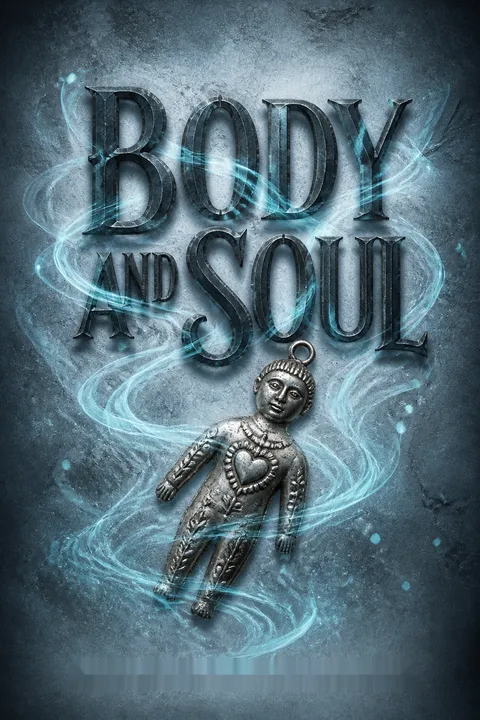
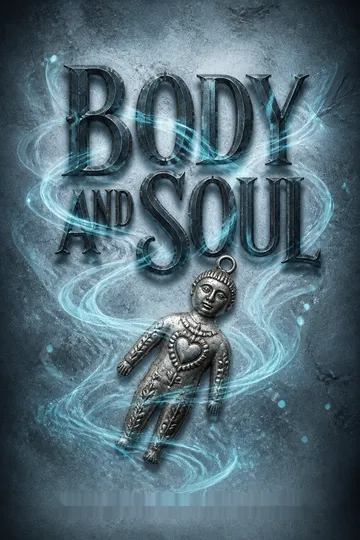
Body and Soulis a nuanced exploration of trauma, intimacy, and the search for belonging, set against the backdrop of a world where the supernatural is both real and routine. Jordan Castillo Price uses the conventions of detective fiction and paranormal romance to probe deeper questions about identity, vulnerability, and the cost of empathy. Victor Bayne's journey is emblematic of the struggle to reconcile one's gifts and wounds, to find connection in a world that often punishes difference. The novel's treatment of psychic abilities as both blessing and curse mirrors real-world experiences of marginalization and resilience. The interplay between the living and the dead, the haunted and the hopeful, serves as a metaphor for the ways in which past traumas shape present choices. Ultimately, the story is a testament to the power of love, trust, and self-acceptance to transform even the most haunted of lives. Through its blend of humor, horror, and heart, Body and Soul
invites readers to consider what it means to be truly seen, to care for others without losing oneself, and to build a home—literal or figurative—where both body and soul can find rest.
Review Summary
Body and Soul, the third installment in the PsyCop series, follows psychic detective Victor Bayne as he investigates mysterious disappearances while navigating a Thanksgiving visit with boyfriend Jacob's family. Readers praise Vic's quirky humor and growing confidence as he reduces his reliance on Auracel. The relationship between Vic and Jacob deepens with emotional milestones, including declarations of love. House-hunting adds levity to the dark mystery. Most reviewers found this the strongest book yet, praising the character development, steamy romance scenes, and improved mystery plotting. Gomez Pugh's audiobook narration receives exceptional praise.
People Also Read

Characters
Victor Bayne
Victor is a psychic medium whose ability to see and communicate with the dead is both a gift and a curse. Traumatized by a difficult childhood, institutionalization, and betrayal by former partners, Victor is deeply guarded, self-deprecating, and often overwhelmed by his own sensitivity. His reliance on medication to suppress his abilities is a coping mechanism, but also a source of shame and dependency. Victor's relationship with Jacob is a lifeline, offering him acceptance and stability. Over the course of the story, Victor grapples with his fears of intimacy, his sense of alienation, and the ethical dilemmas of his work. His journey is one of gradual self-acceptance, learning to trust others, and finding meaning in both his pain and his compassion.
Jacob Marks
Jacob is Victor's boyfriend and a "Stiff"—a non-psychic cop immune to psychic influence. Calm, competent, and physically imposing, Jacob is the anchor in Victor's tumultuous life. His unwavering support, dry humor, and practical approach to problems provide balance to Victor's anxiety and self-doubt. Jacob's own vulnerabilities—his desire for a home, his struggles with family expectations, and his need for connection—are subtly revealed. His love for Victor is both passionate and patient, and he is willing to fight for their relationship, even when Victor doubts himself. Jacob's development is marked by his willingness to adapt, compromise, and embrace the complexities of loving someone as haunted as Victor.
Bob Zigler
Zigler is Victor's new partner, a traditional detective with a rigid sense of duty and a reserved demeanor. Initially wary of Victor's psychic abilities and sexuality, Zigler's professionalism and curiosity gradually give way to respect and camaraderie. His own emotional wounds—guilt over a past case, discomfort with the supernatural—are brought to the surface through his partnership with Victor. Zigler's journey is one of adaptation, as he learns to trust Victor's methods and confront his own biases. The partnership, though uneasy at first, becomes a source of mutual growth and understanding.
Lisa Gutierrez
Lisa is Victor's former partner and a precog with the ability to answer yes/no questions with uncanny accuracy. Her move to California for psychic training creates a void in Victor's life, as he loses both a trusted colleague and a confidante. Lisa's struggle to define her identity outside of her abilities mirrors Victor's own journey. Her decision to step back from constant "si-no" answers is an act of self-preservation, forcing Victor to confront his own dependency on others. Lisa's presence, even in absence, is a reminder of the importance of boundaries, self-care, and the evolving nature of friendship.
Esmeralda
Esmeralda is a powerful but morally ambiguous psychic who exploits her ability to predict deaths for personal gain. Her partnership with Professor Irving in the "zombie factory" is driven by a mix of desperation, cunning, and a twisted sense of purpose. Esmeralda's actions are both horrifying and pitiable, reflecting the dangers of unchecked power and the human capacity for rationalization. Her character serves as a dark mirror to Victor, showing what can happen when empathy is replaced by exploitation.
Professor Irving
Irving is Esmeralda's partner in the basement operation, motivated by a naive belief in alternative burial and environmental activism. His inability to grasp the consequences of his actions, combined with his emotional fragility, make him both dangerous and sympathetic. Irving's breakdown under pressure reveals the limits of good intentions and the ease with which idealism can be corrupted.
Clayton
Clayton is Jacob's young nephew, whose curiosity about death, ghosts, and police work prompts Victor to reflect on his own childhood and the loss of innocence. Clayton's questions, though sometimes uncomfortable, force the adults to confront uncomfortable truths and challenge their assumptions. He represents the next generation, unburdened by the traumas of the past but eager to understand the world.
Shirley and Jerry Marks
Shirley and Jerry embody the values and anxieties of an older generation, struggling to reconcile their love for Jacob with their discomfort about his relationship and Victor's psychic abilities. Their attempts at hospitality are sincere but sometimes clumsy, highlighting the challenges of acceptance and the persistence of generational divides. Their presence grounds the story in the realities of family, tradition, and the slow process of change.
Crash
Crash is a flamboyant, irreverent figure in the psychic underground, providing Victor with both practical tools and much-needed levity. His flirtatious banter, deep knowledge of occult practices, and willingness to push boundaries make him both a friend and a foil to Victor. Crash's presence underscores the diversity of the psychic community and the importance of finding humor and connection in the face of darkness.
The Sculptor
The ghost of the sculptor in the cannery is a rare example of a spirit at peace, eager to see her legacy preserved. Her interactions with Victor and Jacob offer a glimpse of what it means to honor the past without being trapped by it. She represents the possibility of coexistence between the living and the dead, and the power of memory to inspire new beginnings.
Plot Devices
Psychic Abilities and Suppression
The narrative is structured around Victor's psychic abilities, which drive both the plot and his internal conflict. The use of Auracel to suppress his visions is a recurring motif, symbolizing the tension between avoidance and acceptance. The story explores the costs and benefits of psychic power, the ethical dilemmas it creates, and the ways in which it shapes relationships and self-perception.
Haunted Spaces and House Hunting
The quest for a new home is both literal and symbolic, mirroring Victor and Jacob's search for safety, belonging, and a future together. Each haunted space represents a different aspect of Victor's past and psyche, forcing him to confront unresolved fears and desires. The eventual discovery of the cannery, with its benign ghost, offers a resolution that balances history and hope.
Missing Persons Investigation
The central mystery of the missing persons case provides the framework for the narrative, blending police procedural elements with psychic investigation. The use of ghosts as witnesses and sources of information adds complexity and ambiguity, challenging the limits of both traditional and paranormal methods. The investigation serves as a crucible for character development, partnership, and ethical reflection.
Foreshadowing and Repetition
The story employs foreshadowing through Victor's memories, visions, and recurring encounters with ghosts. The repetition of certain motifs—haunted spaces, medication, questions about death—creates a sense of continuity and inevitability. These devices reinforce the themes of resilience, adaptation, and the ongoing struggle to find meaning in the face of suffering.
Symbolism of Silver and Milagros
The use of silver coins, pendulums, and milagros (religious charms) as tools for releasing spirits is both practical and symbolic. These objects represent the intersection of faith, ritual, and psychic power, and their deployment is often accompanied by acts of compassion and remembrance. The symbolism underscores the importance of tangible gestures in the process of healing and letting go.
PsyCop Series
Download PDF
Download EPUB
.epub digital book format is ideal for reading ebooks on phones, tablets, and e-readers.








































