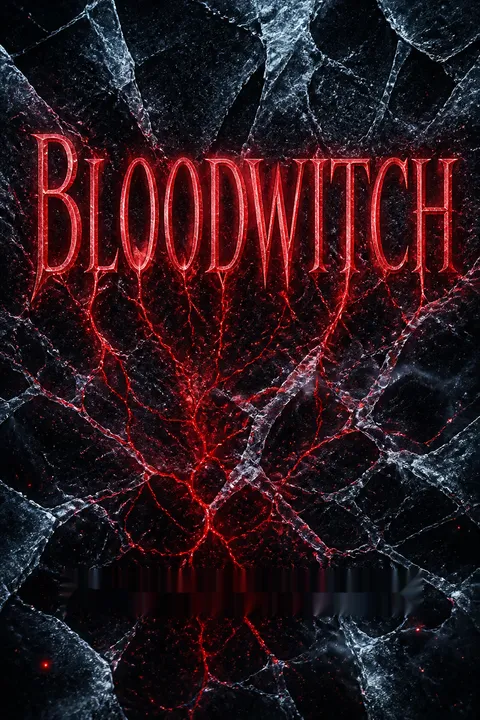

Plot Summary
Blood and Betrayal Awakened
In a monastery long ago, a lonely boy named Aeduan tastes fleeting happiness before his monstrous blood-magic is revealed, shattering his hope for belonging. Labeled a Bloodwitch, he is cast out by his peers, his power feared and misunderstood. This moment of innocence lost sets the tone for a life defined by isolation, violence, and the desperate search for acceptance. The pain of betrayal and the ache for connection become the core of Aeduan's journey, as he learns that the world is quick to judge and slow to forgive. The memory of this day, and the blood that stains it, will haunt him through every choice, every battle, and every fragile alliance to come.
Monsters, Masks, and Magic
In the aftermath of a massacre, Aeduan—wounded and hunted—stumbles back to his unlikely companions: Iseult, a Threadwitch haunted by fire, and Owl, a silent Earthwitch child. Their journey through the Sirmayan mountains is fraught with mistrust, secrets, and the ever-present threat of violence. Iseult, tormented by nightmares and a dangerous magic she cannot control, struggles to keep her emotions—and her power—in check. Aeduan's wounds refuse to heal, hinting at a deeper curse, while Owl's loyalty shifts between her protectors. Together, they navigate a world where magic is both a gift and a curse, and where every act of kindness is shadowed by suspicion and the memory of past betrayals.
Tangled Threads, Fractured Loyalties
In the imperial palace of Marstok, Safiya (Safi), the Truthwitch, is forced to serve Empress Vaness, using her rare magic to root out traitors and lies. The court is a nest of intrigue, where every gesture is a test and every word a weapon. Safi's power makes her both valuable and vulnerable, and when her magic condemns a nobleman to death, she is left shaken by the cost of truth. Vaness, cold and calculating, is both ally and captor, her own motives as opaque as the iron she commands. Safi's longing for her Threadsister Iseult is a constant ache, and the knowledge that her choices have deadly consequences weighs heavily on her soul.
The Price of Power
Prince Merik, scarred and hunted, flees with Ryber and Cam toward the Sightwitch Sister Convent, pursued by the Fury—a Cleaved monster who was once his friend Kullen. Meanwhile, Vivia, Queen-in-Waiting of Nubrevna, battles for legitimacy as her father and the High Council undermine her authority. Both face impossible choices: Merik must confront the darkness within himself and the friend he cannot save, while Vivia's every triumph is stolen or overshadowed by the men around her. Their stories echo with the cost of leadership, the pain of being doubted, and the courage required to claim one's own destiny.
Storms Over Lovats
As Vivia opens the under-city to refugees, her father Serafin seizes the moment, taking credit for her work and leaving her feeling invisible and betrayed. Stix, Vivia's loyal friend and captain, is haunted by whispers and shadows, drawn to a mysterious door in the under-city that seems to call her. The city itself is a character—scarred by war, teetering on the edge of chaos, and filled with people desperate for hope. The storm outside mirrors the turmoil within, as Vivia grapples with her own worth and the realization that strength sometimes means letting go of pride and seeking help.
The Unraveling of Trust
Aeduan's past with his father, the Raider King, is laid bare, exposing the roots of his loyalty and the pain of his divided heart. Iseult, forced to lead while Aeduan is incapacitated, discovers the limits of her patience and the depth of her own wounds. Safi, isolated in the palace, is tormented by guilt and the knowledge that her power is both shield and sword. Habim, her mentor, returns as a general, but his true motives are hidden beneath layers of strategy and sacrifice. Every character is forced to question whom they can trust, and what they are willing to risk for those they love.
Shadows in the Sirmayans
As Aeduan, Iseult, and Owl reach Tirla, they are confronted by prejudice, danger, and the ever-present threat of discovery. Aeduan's wounds worsen, the curse deepening, while Iseult's attempts to care for him are complicated by pride and unspoken feelings. Safi, reeling from the violence of court, is drawn into a web of plots and counterplots, her every move watched and weighed. Merik, captured and tortured by Esme the Puppeteer, is forced to confront the limits of his will and the cost of survival. The mountains themselves seem to close in, their secrets as deadly as any enemy.
The Cahr Awen's Burden
The legend of the Cahr Awen—the mythical pair destined to heal the Origin Wells—hangs over Iseult and Safi like a shadow. Both are hunted for what they might be, not just who they are. Iseult's journey to the Carawen Monastery is fraught with danger, as the monks themselves are divided by civil war and the Abbot's cruelty. Safi, desperate to escape her gilded cage, seeks a way to embed her magic in a Truthstone, hoping to free herself from Vaness's grasp. The burden of destiny weighs heavily, and the line between savior and sacrifice blurs.
Siege at the Monastery
The Raider King's forces, aided by the Fury and Esme's Cleaved, lay siege to the Carawen Monastery. Inside, the monks are split between those loyal to the Abbot and those who resist his tyranny. Iseult, trapped and betrayed by those she once admired, must rely on her wits and her growing power to survive. Aeduan, torn between his father and his friends, faces the ultimate test of loyalty. The battle is brutal, the cost high, and the true enemy is not always the one outside the walls.
The Fury Unleashed
Merik, freed from Esme's collar, faces the Fury in a cataclysmic confrontation deep within the mountain's magical heart. The doors between worlds—ancient portals created by the Paladins—become the battleground for power, as the Fury seeks the blade and glass that will grant him dominion. Merik's sacrifice, and his final act of love for his Threadbrother Kullen, echoes through the mountain, sealing the doors and halting the advance of the Raider King's forces. The cost is steep, and the wounds—physical and emotional—will not soon heal.
The Well of Sacrifice
On the frozen river, Aeduan is struck down, his life bleeding away as Iseult watches in horror. Refusing to accept his death, she draws on the power of the Origin Well, breaking through the ice and plunging them both into its healing waters. In the heart of the Well, their souls are bound together by a red Thread, and Aeduan is reborn—not just as a Bloodwitch, but as a man capable of love and forgiveness. Their escape is a testament to the strength found in vulnerability and the courage to choose life, even when death seems easier.
Fire, Ice, and Forgiveness
As the siege breaks and the mountain collapses, the survivors are scattered—some to freedom, others to new prisons. Vivia, stripped of her crown but not her resolve, unleashes the power of the Void Well to flood the under-city and halt the raiders' advance. Safi, separated from Vaness and the Hell-Bards, is forced to choose between her own safety and the lives of those she loves. Old wounds are reopened, new alliances forged, and the promise of forgiveness—of self and others—becomes the only path forward.
The Fall of Crowns
In the aftermath, crowns are lost and won—not just the literal crowns of queens and empresses, but the invisible ones of self-worth and agency. Vivia, betrayed by her father and council, finds strength in her people and her own unbreakable will. Vaness, wounded and hunted, is saved by Vivia's compassion, their alliance sealed in blood and water. Safi, now a fugitive, must navigate a world where every choice is a risk, and every truth has a price. The old order falls, but hope endures in the bonds that cannot be broken.
Doors Between Worlds
The ancient doors—portals between places and possibilities—are both salvation and curse. Stix, haunted by visions and voices, discovers the blade and glass that are the keys to these doors, and the price paid by those who wield them. The mountain's collapse severs the connections, trapping some and freeing others. The legacy of the Paladins, the Sightwitches, and the Cahr Awen is one of sacrifice, and the world is forever changed by the choices made in the darkness.
The Choice to Run
As the dust settles, each character must choose what to carry forward and what to leave behind. Aeduan, finally free from the chains of blood and duty, sets out to find Iseult—not as a tool, but as a man. Iseult, reunited with Safi, embraces the power of their bond and the promise of a future shaped by their own hands. Vivia, no longer Queen-in-Waiting but still a leader, stands ready to defend her city and her people, whatever the cost. The choice to run is not always cowardice; sometimes, it is the first step toward becoming who you were meant to be.
Reunion and Reckoning
In a moonlit forest, Iseult and Safi find each other at last, their reunion a balm for all the wounds of war and separation. The Hell-Bards, battered but unbroken, stand ready to face whatever comes next. Old debts are acknowledged, forgiveness offered, and the promise of a new beginning glimmers on the horizon. The world is still dangerous, still uncertain, but together, they are stronger than any fate.
The End and the Beginning
As fireflies dance in the night, Aeduan and Iseult share a moment of quiet connection, the weight of the past giving way to the possibility of love. The Witchlands are forever changed—by war, by magic, by the choices of those who dared to hope. The story ends, but the threads of destiny continue, weaving a tapestry of courage, sacrifice, and the enduring power of found family.
Analysis
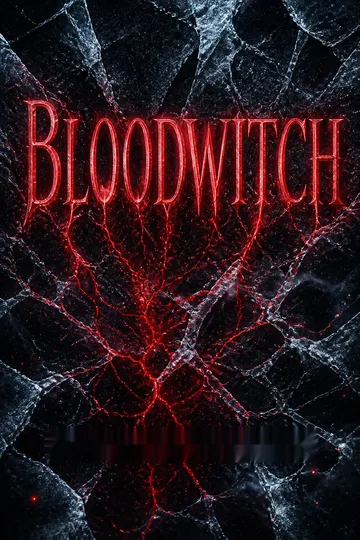
Bloodwitch is a sweeping, emotionally charged fantasy that interrogates the nature of power, the cost of survival, and the redemptive potential of love and found family. At its heart, the novel is about the struggle to break free from the roles and expectations imposed by others—be they parent, ruler, or fate itself. Through its interwoven narratives, Dennard explores the psychological scars left by trauma, the corrosive effects of prejudice and betrayal, and the possibility of healing through vulnerability and trust. The story's magic system is both a source of wonder and a metaphor for the burdens we carry, the choices we make, and the connections that save us. In a world where every truth has a price and every act of courage is shadowed by loss, Bloodwitch ultimately offers a message of hope: that even the most broken among us can find belonging, that forgiveness is possible, and that the threads we choose to weave are stronger than any destiny written for us.
Review Summary
Bloodwitch by Susan Dennard receives an overall rating of 4.25/5 stars. Most reviewers praise the focus on Aeduan's backstory and his relationship with Iseult, calling it emotionally powerful and slow-burn perfection. Readers appreciate the strong female characters, particularly Vivia's growth, and the intricate worldbuilding that continues to expand. Some criticize repetitive writing, slow pacing, and feeling that not enough plot progression occurs. Many recommend reading the novella Sightwitch first for full context. The ending leaves readers desperate for the next installment.
People Also Read

Characters
Aeduan
Aeduan's journey is one of pain, isolation, and the desperate search for belonging. Marked from childhood as a monster for his blood-magic, he is both weapon and outcast, torn between the cause of his father, the Raider King, and the fragile bonds he forms with Iseult and Owl. Psychologically, Aeduan is defined by guilt and the fear of his own power, but also by a deep, unspoken longing for connection. His relationship with Iseult is transformative—she sees the man beneath the monster, and through her, he learns that love and forgiveness are possible. By the end, Aeduan chooses his own path, not as a tool of others, but as a man capable of hope.
Iseult det Midenzi
Iseult is a woman caught between worlds—Nomatsi by birth, outcast by fate, and haunted by a magic she cannot fully control. Her Threadwitch abilities allow her to see the emotional bonds between people, but her own emotions are tightly guarded, shaped by trauma and the need for survival. Iseult's journey is one of self-discovery, as she learns to trust her instincts, embrace her power, and accept love. Her bond with Safi is the anchor of her life, but it is her relationship with Aeduan that forces her to confront her deepest fears and desires. Iseult's arc is one of transformation—from passive observer to active shaper of destiny.
Safiya fon Hasstrel (Safi)
Safi is a force of nature—brave, reckless, and driven by a fierce sense of justice. Her Truthwitch magic makes her both valuable and vulnerable, and she is constantly torn between the demands of power and the needs of her heart. Safi's greatest strength is her loyalty—to Iseult, to her found family, and to the ideals she refuses to abandon. Her journey is one of growing wisdom, as she learns that truth is not always simple, and that the cost of doing what is right can be unbearably high. Safi's impulsiveness is both her flaw and her salvation, and her reunion with Iseult is the emotional heart of the story.
Vivia Nihar
Vivia's struggle for legitimacy and respect is a mirror of the larger battles raging in the Witchlands. Undermined by her father and the council, she must learn to claim her own power and trust her instincts. Vivia is fiercely loyal to her people, and her willingness to sacrifice her own pride for the greater good marks her as a true leader. Her relationship with Stix is a source of vulnerability and strength, and her arc is one of self-acceptance and the realization that true power comes from within.
Merik Nihar
Merik's journey is one of loss, guilt, and the search for redemption. Scarred by fire and hunted by the Fury—his Cleaved Threadbrother Kullen—Merik is forced to confront the darkness within himself and the limits of his own power. His love for his family, his people, and his friends drives him to acts of great courage and sacrifice. Merik's final confrontation with the Fury is both a battle and a farewell, as he chooses to save others at the cost of his own freedom. His story is a meditation on forgiveness, both given and received.
Empress Vaness
Vaness is a study in contrasts—cold and calculating, yet capable of deep loyalty and unexpected vulnerability. Her relationship with Safi is fraught with tension, as she both protects and imprisons the Truthwitch. Vaness's rule is marked by pragmatism and sacrifice, and her willingness to do what is necessary, even at great personal cost, makes her both admirable and tragic. Her alliance with Vivia, forged in blood and water, is a testament to the power of shared struggle.
Owl
Owl is both innocent and ancient, her magic a force of nature that shapes the world around her. She is fiercely loyal to those who protect her, especially Aeduan and Iseult, and her journey is one of survival and self-discovery. Owl's presence is a reminder of the cost of war and the possibility of healing, and her actions at key moments are pivotal to the survival of her companions.
Stix (Stacia Sotar)
Stix is Vivia's anchor and confidante, her loyalty tested by the demands of leadership and the mysteries of the under-city. Haunted by voices and visions, Stix is drawn to the hidden doors that connect worlds, and her ultimate sacrifice is both a loss and a gift. Her relationship with Vivia is tender and complicated, a source of both comfort and pain.
The Fury (Kullen)
Once Merik's Threadbrother, Kullen is now the Fury—a being of magic and madness, driven by memories and the hunger for power. His struggle is one of identity, as the remnants of the boy he was battle the darkness that now controls him. The Fury's pursuit of the blade and glass, and his final confrontation with Merik, are the tragic culmination of a friendship destroyed by forces beyond their control.
Ragnor det Amalej (Raider King)
Ragnor is a man shaped by loss and the desire for justice, his cause both righteous and ruthless. As Aeduan's father, he is both mentor and adversary, his expectations a burden that Aeduan must ultimately reject. Ragnor's willingness to sacrifice anything—and anyone—for his vision of a better world is both his strength and his downfall.
Plot Devices
Interwoven Narratives and Shifting Perspectives
Bloodwitch employs a complex, multi-POV structure, weaving together the journeys of Aeduan, Iseult, Safi, Vivia, Merik, and others. Each chapter advances not only individual arcs but also the overarching conflict, with shifting alliances and betrayals revealed through the eyes of those most affected. The use of flashbacks, dreams, and visions deepens the psychological resonance, allowing the reader to experience the trauma, hope, and transformation of each character. The narrative structure mirrors the tangled threads of fate and magic that bind the Witchlands, and the convergence of storylines at the siege of the Monastery and the collapse of the mountain is both inevitable and cathartic.
Magic as Metaphor and Catalyst
Magic in Bloodwitch is both literal and symbolic—a force that shapes destinies, divides societies, and exacts a heavy price. The Origin Wells, the Cahr Awen prophecy, and the ancient doors between worlds are plot devices that explore the consequences of power, the burden of legacy, and the possibility of renewal. Curses, cleaving, and the manipulation of Threads serve as metaphors for trauma, identity, and the struggle to break free from cycles of violence. The interplay of different magics—blood, thread, truth, fire, water—reflects the diversity of the Witchlands and the necessity of cooperation and understanding.
Foreshadowing, Parallels, and Symbolism
The novel is rich with foreshadowing and symbolic echoes: the repeated image of blood on snow, the motif of running (or failing to run), and the red Thread that binds Aeduan and Iseult. Parallels between characters—Aeduan and Iseult, Safi and Vaness, Vivia and her mother—underscore the universality of pain, the longing for connection, and the courage required to choose a different path. The fireflies, the doors, and the Well itself are symbols of hope, transformation, and the enduring power of love.
The Witchlands Series
Download PDF
Download EPUB
.epub digital book format is ideal for reading ebooks on phones, tablets, and e-readers.








































