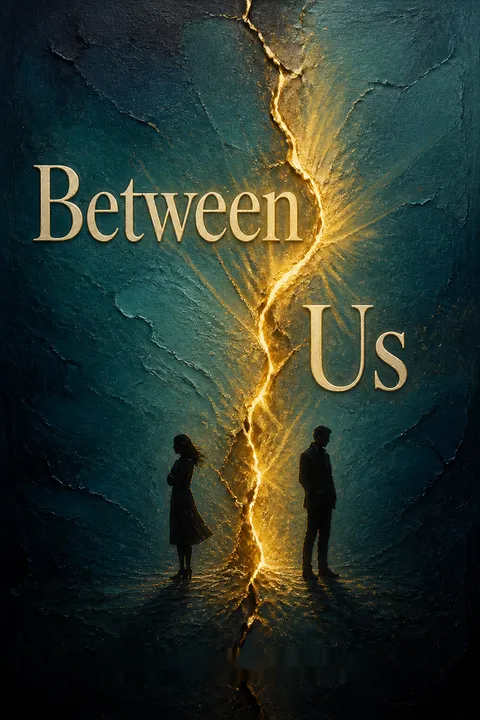

Plot Summary
Secrets in the Stalls
Twelve-year-old Roisin's world is upended when she overhears her mother's friends discussing a secret abortion and her mother's affair. The knowledge is both a burden and a revelation, coloring her understanding of adult relationships and trust. Roisin's early exposure to duplicity and hidden pain shapes her skepticism and emotional guardedness. The experience is both isolating and formative, as she realizes that adults are not always honest or safe, and that secrets can be both protective and destructive. This foundational trauma quietly echoes through her adult life, influencing her choices in love, friendship, and self-protection. The paradox of "slow, but fast at the end" becomes a motif for how relationships unravel—painfully gradual, then suddenly catastrophic.
The Writer's Girlfriend
Now an English teacher, Roisin is known for her distinctive hair and for dating Joe, a successful screenwriter. Joe's fame brings unwanted attention, especially as his new show, Hunter, is about to premiere. Roisin feels both pride and anxiety about being associated with Joe's work, especially as it contains explicit content and themes uncomfortably close to home. She copes by pretending not to care, but the pressure mounts as her students and colleagues become increasingly aware of her connection to Joe. The boundaries between her private life and public persona blur, and Roisin's sense of self is tested by the scrutiny and expectations placed upon her as "the writer's girlfriend."
Reunion at Benbarrow Hall
Roisin joins her close-knit group of friends—Dev, Anita, Gina, Meredith, Matt, and Joe—for a lavish weekend at Benbarrow Hall. The reunion is meant to celebrate milestones, but beneath the surface, tensions simmer. The group's shared history is both a comfort and a source of friction, as old roles and unspoken feelings resurface. The grandeur of the setting contrasts with the emotional messiness of their lives. Roisin feels both at home and out of place, aware that the group's unity is fragile. The weekend becomes a crucible for testing loyalties, exposing cracks in relationships, and confronting the realities of adulthood versus the nostalgia of their youth.
Old Friends, New Tensions
Matt's arrival stirs complicated feelings, especially for Gina, who has long harbored unrequited love for him. The group tiptoes around Gina's pain, while Matt remains oblivious or unwilling to address it. Joe's subtle antagonism toward Matt hints at deeper insecurities and rivalry, particularly as Matt's effortless charm threatens Joe's self-image. Roisin is caught between defending Matt and managing Joe's growing detachment. The group's banter masks underlying resentments and disappointments, and the sense of belonging is shadowed by the fear of inevitable change. The weekend's festivities become a stage for both camaraderie and confrontation.
The Brian Club's Curse
The friends reminisce about their origins as the "Brian Club," bonded by a shared history of retail work and outsider status. Dev's desire to keep the group exclusive is both protective and possessive, as he senses the group's cohesion slipping. The ritual of taking then-and-now photos underscores the passage of time and the impossibility of recapturing the past. Roisin realizes that the group's survival depends on more than nostalgia; it requires honesty and adaptation. The "curse" of Benbarrow Hall—doomed love matches—becomes a motif for the group's own struggles to maintain connection amid shifting priorities and unresolved feelings.
Cracks in the Foundation
Roisin reflects on the slow erosion of intimacy and trust with Joe. What began as a partnership of equals has become a lopsided arrangement, with Joe's career taking precedence and Roisin feeling increasingly invisible. Their communication is fraught with sarcasm and avoidance, and the spark that once defined their relationship has faded into obligation. Roisin's attempts to rationalize or postpone a reckoning only deepen her sense of isolation. The emotional distance is mirrored by physical withdrawal, and the prospect of ending things becomes both terrifying and inevitable. The foundation of their love, once solid, is now riddled with cracks.
The Hunter Premiere
The group gathers to watch the premiere of Joe's new show, Hunter. Roisin is unsettled by the show's explicit content and its uncanny parallels to her own life, including a scene that mirrors her childhood trauma. The experience is both surreal and violating, as Roisin realizes that Joe has mined her private pain for creative material without her consent. The show's success is a double-edged sword, bringing Joe acclaim but leaving Roisin exposed and betrayed. The boundary between art and life collapses, and Roisin is forced to confront the ethical and emotional costs of being a muse to someone who values story over sensitivity.
Ghosts and Confessions
A ghost story told at Benbarrow Hall triggers a series of confessions and emotional breakdowns. Gina's sleep paralysis episode leads to an embarrassing encounter with Matt, intensifying her feelings of vulnerability and unrequited love. Roisin comforts Gina, using humor and empathy to defuse the situation, but the incident exposes the group's fragility. The night's events serve as a catalyst for honesty, as hidden fears and desires come to light. The supernatural becomes a metaphor for the unresolved hauntings in their relationships—secrets, regrets, and the longing for connection.
Dinner Disasters and Intrusions
Gina's attempt to host a perfect dinner is derailed by culinary mishaps and the unexpected arrival of Matt's celebrity date, Ruby (Amelia Lee). The intrusion of fame and outsiders disrupts the group's dynamic, forcing them to confront issues of loyalty, jealousy, and belonging. Gina's public meltdown over Matt's perceived betrayals is both cathartic and destructive, leading to Matt's departure and a sense of collective loss. The dinner, meant to celebrate friendship, becomes a battleground for unresolved tensions and the limits of forgiveness.
The Reverse Catfish
Ruby's true identity as a famous actress is exposed, and the group grapples with the implications of Matt's secretive love life. The incident highlights the ways in which people curate their identities and the risks of intimacy in a world obsessed with appearances. Roisin is forced to reconsider her assumptions about Matt, Joe, and herself. The episode serves as a turning point, prompting Roisin to question what she really knows about the people closest to her and what she is willing to tolerate in the name of love and friendship.
Unraveling Relationships
Roisin confronts Joe about his use of her personal history in Hunter, leading to a painful and unresolved argument. The fight exposes the depth of Joe's self-absorption and Roisin's unmet needs. Simultaneously, Roisin's suspicions about Joe's fidelity intensify, and she enlists Matt's help to investigate. The search for truth becomes an obsession, as Roisin seeks validation for her feelings of betrayal. The unraveling of her relationship with Joe is mirrored by the group's own fragmentation, as secrets and resentments threaten to destroy what remains of their bond.
The Fallout
Roisin's investigation yields ambiguous results, but the damage to her relationship with Joe is irreparable. Their breakup is both devastating and liberating, as Roisin claims her independence and confronts the reality of Joe's duplicity. The fallout extends to her friendships, as Matt's role in concealing Joe's affair comes to light. Roisin is forced to reevaluate her trust in those she loves, and the group must reckon with the consequences of their choices. The pain of betrayal is tempered by the possibility of new beginnings, but the scars remain.
The Search for Truth
Determined to uncover the full extent of Joe's betrayal, Roisin tracks down his ex, Beatrice, and learns the truth about their ongoing affair. The revelation is both a relief and a heartbreak, confirming Roisin's instincts and validating her decision to end things. The encounter with Beatrice is marked by empathy and solidarity, as the two women recognize their shared victimhood and the manipulations of a man who thrived on secrecy. Roisin's quest for truth is ultimately about reclaiming her narrative and refusing to be defined by someone else's lies.
Confrontations and Consequences
Roisin confronts Joe with the evidence of his affair, refusing to be gaslit or shamed. The confrontation is cathartic, as Roisin asserts her agency and demands accountability. Joe's attempts to deflect blame and rewrite history are met with clarity and resolve. The emotional fallout is profound, as Roisin mourns the loss of her relationship and the years spent in ignorance. The experience is both a reckoning and a release, allowing Roisin to move forward with a renewed sense of self-worth and determination.
The Weight of Betrayal
Roisin's discovery that Matt knew about Joe's affair and kept it from her is a devastating blow. The betrayal is compounded by the intimacy and trust that defined their friendship. Roisin grapples with the complexity of Matt's motives—his desire to protect her, his fear of losing her, and his own self-interest. The confrontation is raw and painful, forcing both to confront their flaws and the limits of forgiveness. The weight of betrayal threatens to end their relationship before it can truly begin, leaving Roisin to question whether trust can ever be restored.
Family Ties and Lies
Roisin returns home to care for her mother, Lorraine, whose own history of secrets and self-deception mirrors Roisin's struggles. Lorraine's fabricated illness and emotional manipulation are both infuriating and poignant, revealing the ways in which love and need are expressed through dysfunction. The crisis brings mother and daughter closer, as they confront the realities of aging, mortality, and the desire for connection. Roisin's understanding of her family's legacy of secrecy and resilience deepens, providing context for her own choices and the possibility of healing.
New Beginnings, Old Wounds
As Roisin's mother recovers, Roisin is forced to confront her feelings for Matt and the possibility of a future together. The pain of betrayal is balanced by the recognition of shared vulnerability and the willingness to try again. The group's reunion at Dev and Anita's wedding serves as a backdrop for reconciliation and renewal. Roisin's journey is one of self-discovery, as she learns to trust herself and others, to forgive without forgetting, and to embrace the uncertainty of new beginnings. The story ends with hope, as Roisin chooses honesty, love, and the courage to start anew.
Analysis
Between Us is a modern, emotionally intelligent exploration of love, friendship, and the corrosive effects of secrets. Mhairi McFarlane crafts a narrative that is both sharply funny and deeply moving, using the lens of a close-knit group to examine how we hurt and heal each other. The novel interrogates the ethics of storytelling—what it means to use real lives as material, and the costs of blurring art and reality. At its core, the book is about the necessity of honesty: with ourselves, with those we love, and with the stories we tell. Roisin's journey from self-doubt and betrayal to self-acceptance and hope is a testament to the resilience of the human spirit. The novel's ultimate message is that while the past shapes us, it does not have to define us; forgiveness, vulnerability, and the willingness to begin again are the keys to genuine connection and happiness. Between Us is a love letter to the messy, imperfect, and essential bonds that make us who we are.
Review Summary
Between Us receives mixed reviews, averaging 3.71/5. Fans of Mhairi McFarlane appreciate her engaging writing style, strong friendship dynamics, and exploration of gaslighting within toxic relationships. Many readers praise the likeable protagonist Roisin and despise the manipulative Joe. Common criticisms include slow pacing, underdeveloped romance between Roisin and Matt, and too much focus on the toxic ex-relationship. Readers who prefer lighter romance felt disappointed, while those seeking women's fiction themes of self-growth found more satisfaction. Most dedicated fans continue recommending her work despite this entry ranking lower among her titles.
People Also Read









Characters
Roisin Walters
Roisin is the emotional heart of the story—a woman shaped by early exposure to adult secrets and betrayal. As an English teacher, she values honesty and connection, but struggles with trust due to her family's history of deception. Her long-term relationship with Joe is both a source of pride and pain, as she navigates the challenges of being a muse to a man who prioritizes his art over her well-being. Roisin's journey is one of self-discovery, as she confronts the limits of forgiveness, the necessity of boundaries, and the courage required to start over. Her relationships with her friends and family are complex, marked by loyalty, disappointment, and the enduring hope for genuine intimacy.
Joe Powell
Joe is a successful screenwriter whose creative genius is matched by his capacity for self-absorption and duplicity. He thrives on attention and validation, often at the expense of those closest to him. Joe's use of Roisin's personal history in his work is both a testament to his talent and a betrayal of trust. His inability to prioritize Roisin's needs or acknowledge his own flaws leads to the unraveling of their relationship. Joe's charm masks a deep insecurity and a tendency to manipulate others to maintain control. His ultimate downfall is his refusal to be truly vulnerable or accountable.
Matt McKenzie
Matt is the group's golden boy—handsome, witty, and seemingly carefree. Beneath the surface, he harbors deep insecurities and a longing for acceptance, shaped by family estrangement and unrequited love. His friendship with Roisin is both a source of comfort and a site of unresolved tension, as he struggles with his feelings for her and his complicity in Joe's betrayal. Matt's journey is one of self-forgiveness and growth, as he learns to balance honesty with self-preservation and to risk vulnerability for the sake of love.
Gina
Gina is the group's emotional anchor, known for her warmth and empathy. Her unrequited love for Matt is a source of ongoing pain, but she remains steadfast in her support of her friends. Gina's journey is one of self-acceptance, as she learns to let go of impossible dreams and embrace the possibility of new love. Her ability to forgive and move forward is both inspiring and bittersweet, highlighting the complexities of friendship and desire.
Meredith
Meredith is the group's voice of reason, offering practical advice and emotional stability. Her own struggles with loneliness and self-doubt are masked by humor and competence. Meredith's loyalty to her friends is unwavering, and she often serves as a mediator in conflicts. Her insights into the group's dynamics are sharp, and her willingness to confront uncomfortable truths makes her an invaluable confidante.
Dev Doshi
Dev is the group's social engine, always orchestrating gatherings and celebrations. His success and generosity are both a blessing and a burden, as he navigates the challenges of wealth and the desire to keep his friends close. Dev's optimism is infectious, but he is not immune to the group's fractures and the realities of growing up. His relationship with Anita is a testament to his capacity for change and commitment.
Anita
Anita is Dev's partner, known for her creativity and warmth. She brings new energy to the group, challenging old patterns and encouraging growth. Anita's own struggles with family expectations and the desire for motherhood add depth to her character. Her loyalty to Dev and her willingness to embrace the group's messiness make her a vital part of the story.
Lorraine Walters
Roisin's mother, Lorraine, is a larger-than-life figure whose need for attention and fear of vulnerability shape her relationships. Her history of secrets and self-deception mirrors Roisin's struggles, and their bond is both fraught and unbreakable. Lorraine's illness and recovery serve as a catalyst for reconciliation and understanding, highlighting the generational patterns of love and avoidance.
Beatrice
Beatrice is Joe's ex and the other woman in his long-term affair. Her willingness to share the truth with Roisin is an act of courage and solidarity, breaking the cycle of secrecy and shame. Beatrice's own pain and regret are palpable, and her journey is one of self-forgiveness and liberation from Joe's manipulations.
Amir
One of Roisin's students, Amir represents the next generation's curiosity and irreverence. His questions and provocations force Roisin to confront her own vulnerabilities and the challenges of maintaining authority in a world where personal and professional boundaries are increasingly blurred.
Plot Devices
Dual Timelines and Flashbacks
The narrative weaves together Roisin's childhood experiences with her adult life, using flashbacks to reveal the origins of her trust issues and emotional defenses. The interplay between past and present deepens the reader's understanding of her motivations and the stakes of her decisions.
Metafiction and Art Imitating Life
Joe's show, Hunter, serves as both a plot device and a commentary on the ethics of storytelling. The blurring of fiction and reality forces characters to confront the consequences of using personal pain for creative gain. The show's success and controversy drive the narrative forward, escalating tensions and prompting key confrontations.
Ensemble Cast and Group Dynamics
The story's emotional arc is shaped by the interactions of a diverse group of friends, each with their own secrets, desires, and grievances. The ensemble structure allows for multiple perspectives and subplots, enriching the central narrative and highlighting the complexities of adult friendship.
Mystery and Investigation
Roisin's quest to uncover Joe's infidelity is structured as a detective story, complete with clues, red herrings, and revelations. The investigative plot device serves as a metaphor for the deeper search for self-knowledge and the courage to face uncomfortable truths.
Symbolism and Motifs
Motifs such as secrets, ghosts, and the "curse" of Benbarrow Hall underscore the story's exploration of hidden pain, the weight of the past, and the possibility of redemption. The use of literary references and classroom discussions provides meta-commentary on the nature of endings, hope, and the power of narrative.



Download PDF
Download EPUB
.epub digital book format is ideal for reading ebooks on phones, tablets, and e-readers.








































