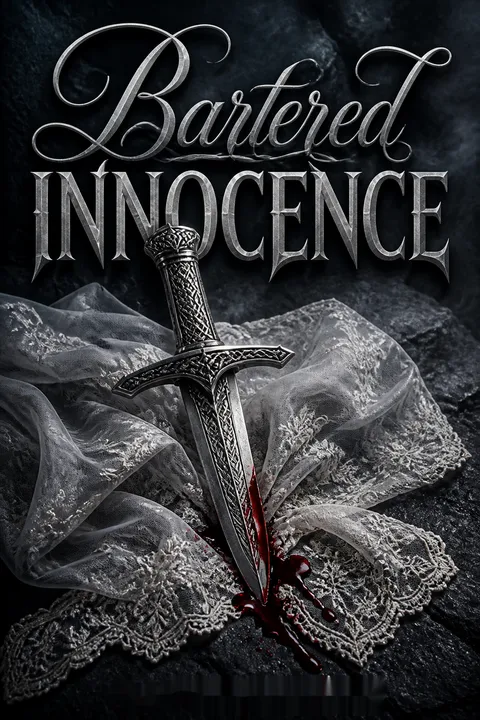

Plot Summary
Manhattan's Fragile Peace Pact
At the dawn of the 21st century, the Italian-American Cosa Nostra and the Irish Mafia forge a tense peace in Manhattan, each syndicate clinging to power as old traditions clash with modern realities. The Genovese Famiglia and the O'Callaghans, once bitter rivals, now share territory, their leaders aging and ailing. Beneath the surface, old wounds fester, and the next generation—ambitious, restless, and shaped by both family and violence—prepares to inherit a world where alliances are as fragile as glass. In this crucible, the fates of two families will be bound together by a single, bartered marriage.
A Chef's Desperate Bargain
Isabelle Romano, a passionate young chef, has spent her life working in her family's restaurant, determined to prove herself in a world that values women for their purity and marriageability. When whispers of an arranged marriage surface, and her brother Ricky fails to protect her from being listed as an eligible bride, Isabelle takes control in the only way she can: she decides to lose her virginity, hoping to disqualify herself from the archaic "book" of worthy women. Her plan is simple—one night with a stranger, a secret act of rebellion against a system that would barter her future.
The Rival's Bed
Isabelle's impulsive quest for freedom leads her to a Jersey City bar, where she meets Rian O'Callaghan, the magnetic and dangerous heir to the Irish Mafia. Their chemistry is instant and overwhelming, and what begins as a calculated seduction becomes a night of genuine passion. Unbeknownst to Isabelle, Rian is not just any man—he is her family's greatest rival. The next morning, she flees, shaken by the realization of what she's done, but the consequences of her choice have only just begun to unfold.
Arranged by Blackmail
Rian soon discovers Isabelle's identity when her name appears in the binder of eligible brides presented to him as part of a peace negotiation. Recognizing her as the woman who ran from his bed, he chooses her, not out of duty, but out of obsession and opportunity. When Isabelle is summoned to a meeting, Rian reveals his knowledge of their night together and blackmails her: marry him, or he will expose her "impurity," destroying her family's reputation and livelihood. Trapped, Isabelle is forced to accept a marriage that is both a political alliance and a personal captivity.
Mafia Heir's Ultimatum
As the wedding approaches, Isabelle is swept into the world of the Irish Mafia, where Rian's dominance is both a shield and a cage. He is fiercely protective, yet unyielding, demanding her loyalty and submission. Their relationship is a constant battle of wills—Isabelle's defiance clashing with Rian's need for control. Meanwhile, the peace between the families is threatened by old resentments, and Isabelle's family is caught in the crossfire. The lines between love, duty, and survival blur as Isabelle navigates her new reality.
Family, Loyalty, and Betrayal
Within both the Italian and Irish syndicates, loyalty is currency, and betrayal is fatal. Isabelle's brother Ricky struggles with his divided loyalties, while Rian's inner circle—the brotherhood—watches the new bride with suspicion. As Isabelle tries to carve out a place for herself, she is drawn into the complex web of family politics, where every gesture is scrutinized and every secret is a potential weapon. The restaurant, once her sanctuary, becomes a battleground for power and trust.
The Wedding of Enemies
The wedding is a grand affair, attended by both families and their criminal empires. Isabelle, dressed in white, walks down the aisle knowing she is both a prize and a pawn. Rian's vows are possessive, his kiss a public claim. The celebration is tense, with old enemies watching for any sign of weakness. The night ends not with romance, but with a ritual—bloody sheets to prove Isabelle's "innocence"—and a consummation that is as much about power as it is about passion.
Blood and Vows
No sooner are they wed than violence erupts. An uninvited guest from the Outfit crashes the reception, a warning that the peace is precarious. Rian's world is one of constant threat, and Isabelle quickly learns that being his wife means living under the shadow of guns and grudges. Their wedding night is both a claiming and a promise: Rian will protect her at any cost, but she will never be free.
A Wife's New Prison
Isabelle's new life is both gilded and claustrophobic. The O'Callaghan mansion is a fortress, and Rian's rules are absolute. Yet, within these walls, a strange intimacy grows. Their physical connection is undeniable, but trust is slow to build. Isabelle yearns for her old life, for the kitchen and the restaurant, but Rian's need to control and protect her keeps her isolated. The brotherhood watches her every move, testing her loyalty and resilience.
Brotherhood and Boundaries
As Isabelle adapts to her role, she begins to earn the respect of Rian's brothers—not by submission, but by holding her own. She learns the rules of their world, the meaning of the brotherhood's oath, and the cost of betrayal. Rian, in turn, is forced to confront his own vulnerabilities, especially as his father's health declines and the weight of leadership falls on his shoulders. Their marriage becomes a crucible, forging a partnership that is as much about survival as it is about love.
The Restaurant's Lure
Haunted by her unfinished dreams, Isabelle is drawn back to her family's restaurant, despite Rian's warnings. The kitchen calls to her, a reminder of who she was before she became a wife and a pawn. But her return is not welcomed by all—old friends become enemies, and the restaurant is no longer a safe haven. Isabelle's defiance sets off a chain of events that will test the limits of Rian's protection and the strength of their bond.
Ambush and Aftermath
Isabelle's visit to the restaurant is a trap, orchestrated by those who would see the peace shattered. An ambush leaves blood on the floor and trust in tatters. Rian's response is swift and brutal—he punishes those who betrayed them, but the cost is high. Isabelle is forced to confront the reality of her world: violence is never far, and her choices have consequences for everyone she loves. The aftermath leaves scars—physical, emotional, and on the very fabric of their marriage.
Marked as His
In the wake of the ambush, Rian marks Isabelle with a tattoo—a permanent symbol of her belonging to him and the brotherhood. The gesture is both a brand and a bond, a declaration that she is his, body and soul. For Isabelle, it is a moment of surrender, but also of agency: she chooses to embrace her new identity, to find power within her captivity. Their relationship deepens, moving from coercion to a complex, hard-won intimacy.
The Queen of Knives
With her place in the brotherhood secured, Isabelle begins to carve out a new legacy. She is no longer just a wife or a pawn—she is a partner, a queen among made men. Rian, now the head of the Irish Mafia, relies on her strength and insight. Together, they navigate the treacherous waters of power, family, and ambition. Isabelle's dreams of the kitchen are reborn, not as an escape, but as a foundation for a new kind of future.
The Ball and the Bloodletting
At a lavish gala meant to showcase the peace between families, violence erupts once more. Rian and Isabelle stand together as the brotherhood eliminates traitors in a display of ruthless efficiency. The message is clear: betrayal will not be tolerated, and the O'Callaghans are not to be crossed. In the aftermath, Isabelle's loyalty is unquestioned, and her place at Rian's side is cemented. The couple emerges from the bloodshed stronger, united by both love and necessity.
Death, Grief, and Inheritance
The death of Rian's father marks the end of an era and the beginning of a new reign. Grief binds the family together, but also exposes old wounds. Isabelle supports Rian as he steps fully into his role as Don, and together they face the challenges of leadership, loyalty, and the ever-present threat of violence. The past cannot be undone, but a new legacy can be forged.
A New Legacy Begins
With the old order shattered and a new one rising, Isabelle and Rian look to the future. Their marriage, once a bartered transaction, has become a partnership built on trust, passion, and hard-won respect. As they prepare to welcome a child, they dream of a life where their family can thrive—still bound by blood and oaths, but no longer defined by fear. In the heart of Manhattan, a new dynasty is born, forged in fire, love, and the unbreakable bonds of chosen family.
Analysis
Bartered Innocence is a dark, sensual, and psychologically rich exploration of power, agency, and the cost of survival in a world defined by violence and tradition. At its core, the novel interrogates the ways in which women's bodies and choices are commodified by patriarchal systems, and how agency can be reclaimed even within captivity. The arranged marriage, initially a tool of oppression, becomes a site of negotiation, intimacy, and ultimately, partnership. The story's emotional arc is driven by the tension between love and control, loyalty and betrayal, tradition and progress. Through Isabelle's journey, the novel challenges the notion that agency is only possible outside of constraint, showing instead that power can be found in adaptation, resilience, and the forging of new bonds. The brotherhood's oath, the ritual of marking, and the cycles of violence all serve as metaphors for the ways in which identity is constructed and contested. In the end, Bartered Innocence offers a vision of hope—not in the promise of escape, but in the possibility of transformation, legacy, and chosen family. The lessons are clear: love is both a weapon and a shield, and true power lies in the courage to claim one's own story, even when the world would write it for you.
Characters
Isabelle Romano
Isabelle is the heart of the story—a young woman whose dreams of culinary mastery are threatened by the suffocating traditions of her Italian-American family. Intelligent, passionate, and fiercely independent, she refuses to be bartered as a pawn in a mafia alliance. Her decision to lose her virginity is both an act of rebellion and a desperate bid for agency. Forced into marriage with Rian O'Callaghan, Isabelle's journey is one of survival, adaptation, and ultimately, empowerment. She is both vulnerable and resilient, learning to wield her influence within the brotherhood while never losing sight of her own desires. Her relationship with Rian evolves from antagonism to genuine partnership, and her psychological arc is defined by the tension between captivity and self-determination.
Rian O'Callaghan
Rian is the enigmatic and ruthless heir to the Irish Mafia—a man shaped by violence, loyalty, and the burden of legacy. His initial attraction to Isabelle is possessive, bordering on obsession, and he is unafraid to use blackmail to get what he wants. Yet beneath his hard exterior lies a deep vulnerability, especially in the face of his father's decline and the responsibilities of leadership. Rian's psychological complexity is revealed in his struggle to balance love and control, tradition and progress. His development is marked by a gradual softening, as Isabelle's defiance and strength force him to confront his own fears and desires. Ultimately, Rian becomes both a lover and a partner, willing to share power and trust.
Ricky Romano
Ricky is Isabelle's older brother, a made man in the Famiglia and Luca's close friend. His love for his sister is genuine, but he is trapped by the oaths and expectations of his world. Ricky's inability to protect Isabelle from the marriage proposal is a source of guilt and self-recrimination. As the story unfolds, he is forced to choose between family and syndicate, ultimately defecting to protect his sister. Ricky's arc is one of painful growth, as he learns the true cost of loyalty and the meaning of sacrifice.
Luca Genovese
Luca is the son of the Genovese underboss and the architect of the peace treaty. Outwardly charming and diplomatic, he is a master of political maneuvering, willing to use anyone—including Isabelle—for the good of the Famiglia. His relationship with Rian is fraught with rivalry and mutual distrust. Luca's psychological depth lies in his ability to compartmentalize emotion and ambition, and his actions are always guided by a cold calculus of power.
Aodhan
Aodhan is one of Rian's closest allies, a member of the Daghdha Brotherhood. He is the embodiment of loyalty and discipline, serving as both protector and moral compass. Aodhan's watchful presence is a constant in Isabelle's new life, and his respect must be earned. He is haunted by past betrayals and the loss of comrades, and his psychological arc is defined by the tension between duty and compassion.
Cillian
Cillian is another key member of the brotherhood, known for his brutality in battle and his tenderness with those he loves. He is fiercely protective of his family, especially his twin sister Aisling. Cillian's humor and warmth provide a counterpoint to the darkness of their world, and his loyalty to Rian is unwavering. His development is shaped by the need to balance violence with vulnerability.
Cormac
Cormac is the brotherhood's most enigmatic member, a man who moves in the shadows and relishes the work of enforcement. He is both feared and respected, his skills essential to the survival of the family. Cormac's psychological complexity lies in his ability to compartmentalize brutality and camaraderie, and his loyalty to Rian is absolute.
Deirdre
Deirdre is the heart of the O'Callaghan household, a maternal figure who provides comfort, wisdom, and stability. She welcomes Isabelle with open arms, helping her navigate the complexities of her new life. Deirdre's presence is a reminder that family is not just blood, but chosen bonds.
Aisling
Aisling, Cillian's twin, is a legendary figure within the brotherhood—a master of disguise and intelligence gathering. Her return marks a turning point in the war against betrayal, and her skills are instrumental in uncovering the truth behind the ambushes. Aisling's psychological arc is one of sacrifice and resilience, as she operates in the shadows to protect her family.
Liam O'Callaghan
Liam is Rian's father, the ailing head of the Irish Mafia. His illness is the catalyst for the peace treaty and the arranged marriage. Liam's wisdom and regret shape Rian's development, and his death marks the end of an era. His psychological depth is revealed in his reflections on legacy, love, and the cost of power.
Plot Devices
Arranged Marriage as Political Leverage
The central plot device is the forced marriage between Isabelle and Rian, orchestrated as a means to cement a fragile peace between rival syndicates. This device serves multiple functions: it is a crucible for character development, a source of conflict and tension, and a lens through which the themes of agency, tradition, and autonomy are explored. The marriage is both a prison and a path to empowerment, forcing Isabelle and Rian to confront their own desires and limitations.
Virginity and Purity as Currency
The "book" of eligible, pure women is a symbol of the commodification of female bodies within the mafia world. Isabelle's decision to lose her virginity is an act of rebellion, but it also becomes a source of vulnerability and blackmail. This device highlights the double standards and power imbalances that define the characters' world.
The Brotherhood Oath and Tattoo
The brotherhood's oath and the ritual of tattooing serve as markers of identity and allegiance. For Isabelle, being marked by Rian is both a loss of autonomy and a claim to power within the family. The tattoo is a plot device that transforms her from outsider to insider, from pawn to queen.
Betrayal and Ambush
The recurring motif of betrayal—within families, between syndicates, and among friends—drives the plot forward. The ambush at the restaurant is foreshadowed by earlier warnings and serves as a turning point, forcing characters to choose sides and revealing the true cost of divided loyalties.
Public Spectacle and Private Intimacy
The use of public rituals—weddings, balls, funerals—contrasts with the private struggles of the characters. These spectacles are stages for power plays, while the true emotional arcs unfold in moments of vulnerability and intimacy. The narrative structure alternates between these spheres, heightening the tension and deepening the psychological complexity.
Female Agency and Transformation
Isabelle's journey is structured as a transformation from object to subject, from bartered innocence to empowered queen. Her choices, though constrained, become increasingly significant as she learns to navigate and manipulate the rules of her world. The plot is driven by her evolving sense of self and her ability to claim power within the confines of her marriage.
Download PDF
Download EPUB
.epub digital book format is ideal for reading ebooks on phones, tablets, and e-readers.








































