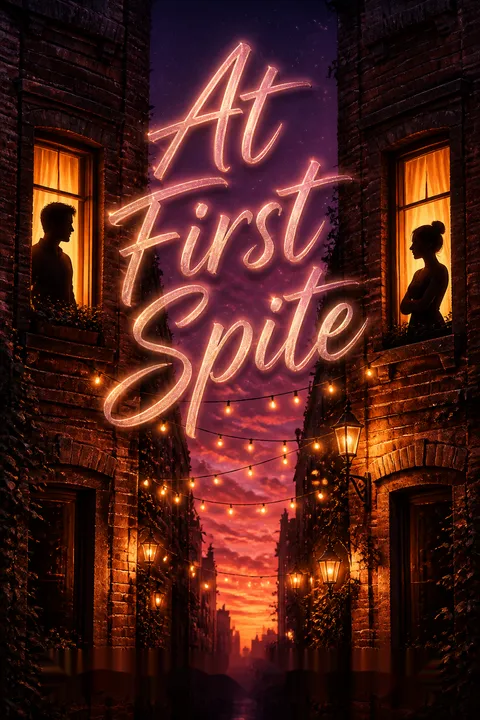

Plot Summary
Engagement Party Missteps
Athena Greydon, a curious, bookish high school teacher, attends her engagement party in Harlot's Bay, Maryland, feeling isolated among her fiancé Johnny's friends and family. She meets Matthew, Johnny's older brother, and they share an unexpectedly electric, intellectual connection over trivial facts and playful banter. The chemistry is undeniable, but the revelation that Matthew is Johnny's brother shocks Athena. Later, Athena overhears Matthew criticizing her to Johnny, calling her irresponsible and unfit for marriage. The overheard conversation wounds Athena deeply, planting seeds of resentment and self-doubt, and setting the stage for a rivalry fueled by pride, misunderstanding, and hurt.
Spite House Arrival
Eight months later, Athena's life has unraveled: her engagement is broken, her savings depleted, and she's moved into the infamous Spite House—an absurdly narrow home built out of familial vengeance, now attached to Johnny's house. Alone, broke, and jobless, Athena is greeted by Matthew, whose presence is both a reminder of her humiliation and a source of unresolved tension. Their first encounter is prickly, but when a storm hits, Matthew helps her move in, revealing his own vulnerabilities. The proximity of their homes ensures their lives remain entangled, and Athena's pride keeps her from seeking help, even as she struggles to find her footing.
Enemies Across the Alley
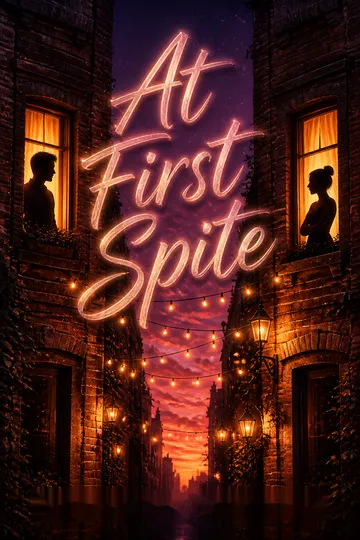
Athena and Matthew become reluctant neighbors, separated by a thin wall and a four-foot alley. Their interactions are laced with sarcasm, mutual annoyance, and unresolved attraction. Athena starts a campaign of petty revenge—misaligning Matthew's house numbers, playing loud audiobooks, and orchestrating minor inconveniences. Matthew, for his part, is both irritated and fascinated, unable to ignore Athena's presence or her pain. Their nightly routines become a silent dance of observation and avoidance, each spying on the other through their windows, both too proud to admit their loneliness or longing.
Small Town, Big Grudges
Athena seeks solace in Harlot's Bay's quirky community, landing a job at the local bakery and befriending coworkers like Bez and Karl. She learns the town's history of attracting "hot messes" and people seeking fresh starts. Despite her efforts to fit in, Athena's rivalry with Matthew escalates, and her sense of failure deepens as she loses her job to a returning employee. The town's warmth is a balm, but Athena's pride and depression keep her isolated, even as she's drawn into the orbit of the Nasty Wenches book club and the town's monster-fucking literary subculture.
Storms, Secrets, and Spite
As autumn storms rage outside, Athena and Matthew's emotional storms intensify. Athena's depression worsens, manifesting in sleeplessness, self-doubt, and withdrawal. Matthew, haunted by guilt over his role in her breakup and his own family trauma, tries to help from a distance—paying her mortgage anonymously, finding her jobs, and offering silent support. Their mutual acts of kindness are masked by sarcasm and pride, but the truth of their pain and longing simmers beneath every interaction. The Spite House becomes a symbol of both their stubbornness and their need for connection.
Bakery Beginnings and Setbacks
Athena's job at the bakery offers routine and camaraderie, but her sense of failure is compounded when she's let go to make room for Karl's surrogate daughter. Matthew's attempts to help—through friends and secret recommendations—keep Athena afloat, but she remains unaware of his role. The bakery's monster-fucking audiobooks and the Nasty Wenches book club provide comic relief and a sense of belonging, but Athena's pride prevents her from accepting charity or admitting her struggles. The loss of her job triggers a deeper spiral into depression and isolation.
Window Wars and Petty Pranks
Athena escalates her campaign of spite, filling her windows with murder dolls and horror decorations aimed at Matthew's house, and blasting true crime audiobooks at night. Matthew, terrified of storms and horror, endures her pranks with stoic patience, recognizing them as cries for attention and pain. Their nightly window wars become a twisted form of intimacy, each revealing vulnerabilities in the guise of annoyance. The line between enemy and confidant blurs, as both grapple with loneliness, pride, and the fear of being truly seen.
Unpacking the Past
A late-night conversation across their windows leads to unexpected honesty. Athena confesses her burnout, job-hopping, and sense of failure; Matthew reveals his own burdens—raising Johnny after their brother's death, his fear of storms, and his lifelong sense of responsibility. Their mutual confessions foster empathy and understanding, breaking down the walls of resentment. Athena's depression is laid bare, and Matthew's guilt over his role in her pain deepens. Both begin to see each other not as adversaries, but as fellow survivors, scarred by loss and longing for connection.
Depression's Descent
Athena's depression reaches a crisis point: she stops leaving the house, ignores friends and family, and sinks into despair. Matthew, alarmed by her disappearance, overcomes his acrophobia to climb through her third-floor window and check on her. Finding her alive but deeply unwell, he gently intervenes—helping her bathe, clean, and seek therapy. Their intimacy grows through acts of care and vulnerability, and Athena begins to accept help, reconnect with friends, and take steps toward healing. The Spite House, once a fortress of pride, becomes a sanctuary for recovery.
Community, Kindness, and Chaos
With Matthew's support and the encouragement of friends, Athena starts to rebuild her life. She finds temporary work at the library, reconnects with the Nasty Wenches, and begins to forgive herself for past failures. Matthew's acts of kindness—cleaning her house, making her favorite foods, and writing glowing recommendations—help restore her sense of worth. The community rallies around her, offering friendship and acceptance. Athena's parents, once distant, provide unconditional love and support, helping her see that her value isn't tied to professional success.
Confessions and Clean Slates
As Athena's depression lifts, she and Matthew grow closer, sharing secrets, fears, and dreams. Their mutual attraction becomes undeniable, culminating in a night of passion and emotional honesty. Both confess their love, but the shadow of Johnny—Matthew's brother and Athena's ex—looms large. When Johnny returns, old wounds are reopened, and Matthew is forced to choose between loyalty to his brother and his love for Athena. The choice is agonizing, and both must confront the cost of pride, guilt, and the fear of abandonment.
Healing, Help, and Hope
Johnny's confrontation with Matthew forces a reckoning: Matthew, out of lifelong habit, chooses his brother's happiness over his own, breaking things off with Athena. Both are devastated, but Athena, armed with new self-knowledge and support, refuses to accept less than she deserves. She decides to leave Harlot's Bay, putting the Spite House up for sale and preparing to start anew. Matthew, wracked with regret and grief, seeks solace at his brother Adrian's grave, where Yvonna helps him see that he deserves happiness too, and that it's time to fight for Athena.
Love, Loss, and Letting Go
Matthew launches an epic campaign of apology and groveling—potato deliveries, public declarations, and a hilariously awkward monster-fucking audiobook—culminating in a Reddit post seeking advice. Athena, moved by his sincerity and vulnerability, forgives him and welcomes him back into her life and bed. Johnny, recognizing his own growth and the depth of Matthew and Athena's love, gives his blessing and begins to pursue his own path. The Spite House, once a symbol of vengeance, becomes a home built on forgiveness, love, and second chances.
Guilt, Groveling, and Guppy-Men
With the past finally laid to rest, Athena and Matthew embrace their future together. They marry, supported by friends and family, and build a life rooted in kindness, humor, and mutual support. Athena finds fulfillment managing the local bookstore, using her skills and passions to create a welcoming space for the community. Matthew continues his work as a pediatrician, learning to balance responsibility with self-care. Together, they navigate the challenges of depression, family, and small-town life, forging new traditions and finding joy in the everyday.
Forgiveness and Fresh Starts
Five years later, Athena and Matthew's love endures, strengthened by adversity and shared growth. Their home is filled with laughter, books, and the warmth of chosen family. The Spite House, once a monument to pettiness, now stands as a testament to resilience and the power of forgiveness. The couple's journey from enemies to lovers, from spite to grace, inspires those around them to seek connection, embrace vulnerability, and believe in the possibility of healing and happiness, no matter how messy the path.
Public Declarations, Private Joys
Athena and Matthew's relationship, once secret and fraught, becomes a source of pride and joy. They support each other's dreams, celebrate each other's quirks, and find strength in their differences. Their love story becomes woven into the fabric of Harlot's Bay, a town that welcomes those seeking fresh starts and second chances. Through public declarations and private joys, they model a partnership built on honesty, empathy, and the courage to choose each other, again and again.
Family, Friendship, and Farewells
As Johnny pursues his own path and Athena's parents become surrogate family to the Vine brothers, the boundaries of love and loyalty expand. The characters learn to let go of old hurts, embrace change, and trust in the bonds that endure. Farewells become opportunities for growth, and the pain of loss is tempered by the promise of new beginnings. The story ends with a sense of hope, belonging, and the knowledge that even the most spiteful beginnings can lead to the happiest of endings.
Happy Endings, Harlot's Bay
In the final scenes, Athena and Matthew, surrounded by friends, family, and the quirky community of Harlot's Bay, celebrate the messy, beautiful life they've built together. Their journey from enemies to lovers, from spite to forgiveness, is a testament to the transformative power of vulnerability, humor, and unconditional love. The Spite House, once a symbol of pettiness, now stands as a beacon of hope—a reminder that even the most broken hearts can find healing, and that happiness is possible, even after the storm.
Analysis
A modern romance of healing, vulnerability, and second chances
At First Spite is a deeply compassionate, sharply funny exploration of what it means to start over when life doesn't go as planned. Olivia Dade uses the "spite house" as a powerful metaphor for the walls we build around ourselves—out of pride, pain, and fear—and the courage it takes to let others in. The novel subverts traditional romance tropes by centering mental health, self-forgiveness, and the messy, nonlinear process of healing. Athena and Matthew's journey is not just about finding love, but about learning to accept help, embrace imperfection, and choose joy in the face of grief and disappointment. The story celebrates community, found family, and the transformative power of vulnerability, reminding readers that even the most broken hearts can find happiness—and that sometimes, the best revenge is living well, loving deeply, and daring to hope again.
Review Summary
Reviews for At First Spite are deeply divided. Fans praise its emotional depth, authentic depression representation, body-positive plus-size heroine, and the tender, nurturing hero Matthew. Many highlight the witty banter, cozy small-town setting, and swoony acts of service. Critics, however, found the writing overwrought with outdated memes and pop culture references, the characters immature despite their ages, and the ex-fiancé's brother trope uncomfortable. The third-act breakup drew widespread criticism. Overall, readers either deeply connected with its raw emotional authenticity or found it cringeworthy and unbelievable.
People Also Read









Characters
Athena Greydon
Athena is a former high school teacher whose life is upended by heartbreak, burnout, and depression. Prone to self-doubt and perfectionism, she masks her pain with humor, sarcasm, and petty acts of revenge. Her insatiable curiosity and love of learning make her both endearing and intimidating. Athena's journey is one of self-forgiveness, vulnerability, and growth: she learns to accept help, confront her mental health struggles, and redefine her sense of worth beyond professional or romantic success. Her relationship with Matthew evolves from rivalry to deep, abiding love, as both learn to trust, heal, and choose each other despite past wounds.
Matthew Vine
Matthew is a pediatrician burdened by a lifetime of responsibility: raising his younger brother Johnny after their sibling's death, caring for patients, and suppressing his own needs. He is cautious, orderly, and emotionally reserved, haunted by guilt over his role in Athena's heartbreak and his inability to save everyone he loves. Matthew's attraction to Athena is both intellectual and visceral, but his loyalty to Johnny and fear of loss keep him from pursuing happiness. Through Athena, he learns to embrace vulnerability, accept love, and fight for his own joy. His journey is one of letting go—of guilt, of control, and of the belief that he must always come last.
Johnny Vine
Johnny is Matthew's younger brother and Athena's ex-fiancé. Charismatic and well-liked, he struggles with commitment, responsibility, and self-awareness. His whirlwind romance with Athena is marked by good intentions but poor follow-through, and his reliance on Matthew's guidance leads to the engagement's demise. Johnny's arc is one of growth: after losing Athena, he confronts his own shortcomings, seeks forgiveness, and begins to forge an independent path. His relationship with Matthew is both a source of comfort and conflict, as both brothers learn to redefine their roles and accept change.
Yvonna Green
Yvonna is Matthew's business partner and confidante, married to Jackie. She is sharp, stylish, and unafraid to challenge Matthew's self-sacrificing tendencies. Yvonna provides tough love, practical advice, and unwavering support, pushing Matthew to fight for his own happiness and confront his fears. Her relationship with Jackie is a model of partnership and mutual respect, and her friendship with Athena grows as the story unfolds.
Jackie Wells
Jackie is Yvonna's wife and a librarian/archivist. She welcomes Athena to Harlot's Bay, shares the town's history, and helps her find work and community. Jackie's empathy and humor make her a key figure in Athena's support network, and her role in the Nasty Wenches book club adds levity and camaraderie to the narrative.
Karl
Karl owns the local bakery where Athena works. Outwardly grumpy and intimidating, he is fiercely loyal to his employees and friends. His love of monster-fucking audiobooks and his willingness to help Athena (even after firing her) reveal a hidden tenderness. Karl's friendship with Matthew and Athena provides comic relief and a sense of found family.
Bez
Bez is Athena's colleague at the bakery and a member of the Nasty Wenches. She offers friendship, encouragement, and a sense of belonging, helping Athena navigate her new life in Harlot's Bay. Bez's warmth and humor make her a vital part of Athena's recovery and integration into the community.
Victoria Nguyen
Victoria is a librarian and co-leader of the Nasty Wenches. Her playful banter, open-mindedness, and genuine kindness help Athena feel welcome and valued. Victoria's relationship with Athena is marked by mutual respect, shared laughter, and a love of the absurd.
Athena's Parents (Doug and Juno)
Doug and Juno are pediatric cardiologists who provide Athena with unconditional love, financial support, and wisdom. Their own journey—adapting to unexpected parenthood and recalibrating their dreams—mirrors Athena's struggle to redefine success and happiness. Their acceptance and encouragement are crucial to Athena's healing and self-acceptance.
Adrian Vine
Adrian is Matthew and Johnny's deceased brother, whose accidental death in childhood shapes both siblings' lives. His absence is a source of guilt, grief, and responsibility for Matthew, fueling his need to protect Johnny and his fear of loss. Adrian's memory is a silent presence, influencing the choices and emotional arcs of both brothers.
Plot Devices
Enemies-to-Lovers, Forced Proximity, and Spite
The novel employs classic romance tropes—enemies-to-lovers, forced proximity, and the "spite house" as both literal and metaphorical device. Athena and Matthew's initial antagonism is fueled by pride, misunderstanding, and unresolved attraction, heightened by their physical closeness as neighbors. The Spite House, built out of familial vengeance, becomes a symbol of their stubbornness, pain, and eventual healing. Petty pranks, window wars, and sarcastic banter mask deeper wounds and longing, allowing the characters to explore vulnerability and intimacy in unexpected ways.
Dual Narratives and Emotional Honesty
The story alternates between Athena and Matthew's points of view, providing insight into their inner struggles, motivations, and growth. Confessional late-night conversations, both literal (across windows) and metaphorical (in therapy, with friends), drive the emotional arc. The use of letters, anonymous acts of kindness, and public declarations (potato deliveries, monster-fucking audiobooks, Reddit posts) serve as vehicles for apology, forgiveness, and transformation.
Community as Catalyst
Harlot's Bay is more than a backdrop—it's a character in itself, attracting those seeking fresh starts and second chances. The quirky, supportive community (Nasty Wenches, bakery crew, Athena's parents) provides both comic relief and essential support, challenging the protagonists' isolation and pride. The town's history of spite and reinvention mirrors the characters' journeys from pettiness to grace.
Mental Health and Healing
The novel foregrounds mental health, depicting Athena's struggle with depression, burnout, and self-worth. Matthew's own trauma and guilt are explored with nuance, and both characters' healing is portrayed as nonlinear, requiring vulnerability, support, and professional help. The narrative structure allows for setbacks, growth, and the messy reality of recovery, challenging the myth of the "quick fix" or perfect happy ending.
Humor, Meta-Romance, and Monster-Fucking
The story is laced with humor—petty pranks, monster-fucking book club antics, and meta-commentary on romance tropes. The Nasty Wenches book club and Karl's audiobook obsession provide levity and a safe space for exploring sexuality, desire, and community. The use of parody (chicken-man audiobooks, Reddit posts) allows the characters to process pain through laughter and creativity, reinforcing the theme that healing can be both serious and silly.
Harlot's Bay Series


Download PDF
Download EPUB
.epub digital book format is ideal for reading ebooks on phones, tablets, and e-readers.








































