
Key Takeaways
1. The Ark of Bones as a Vessel of Ancestral Memory
"Son, you are in the house of generations. Every African who lives in America has a part of his soul in this ark."
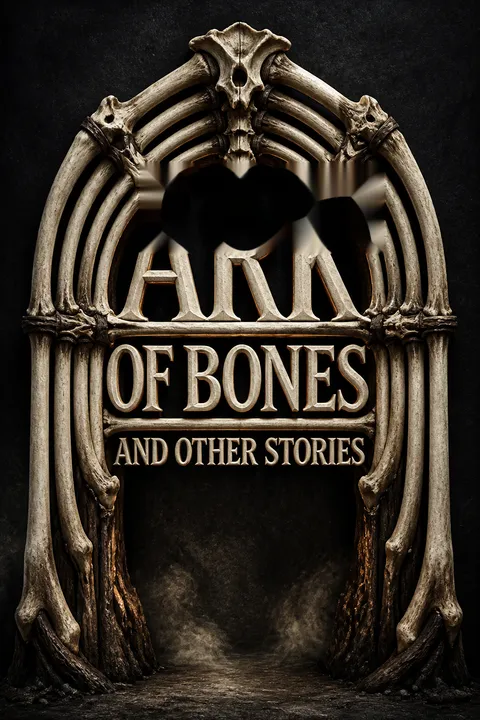
A sacred calling. In "Ark of Bones," Headeye and Fish-hound witness a mystical, giant soulboat on the Mississippi River. This supernatural vessel serves as a floating tabernacle, collecting and preserving the bones of deceased ancestors who suffered under slavery and racial violence. Headeye is chosen and anointed by a mysterious priest to be a guardian of this sacred lineage.
The bonehouse ritual. The underbelly of the ark is a vast repository where black crews meticulously organize and care for the skeletal remains. This ritual symbolizes the preservation of black identity, history, and spiritual resilience against historical erasure. Key elements of this spiritual preservation include:
- The "mojo bone" acting as a key to ancestral wisdom.
- The consecration of bones to bind the scattered house of brothers.
- The ritualistic burning of the shield to seal the initiate's vow.
Witnessing the truth. Fish-hound serves as the silent witness to Headeye's ordination, carrying the secret of the Ark back to a world that would deem them crazy. This narrative establishes a profound connection between the living and the dead, suggesting that true liberation begins with honoring ancestral memory.
2. The Echo Tree and the Danger of Cultural Disconnection
"If you don’t believe in the echo tree and believe what it hears from the spirits and tells you in your ear, then you’re in trouble."
Spiritual contamination. In "Echo Tree," the rural youth Manny warns his city-raised friend about the "taint" of urban life, which disconnects black youth from their spiritual heritage. The echo tree serves as a conduit for spirit-talk, allowing the living to communicate with deceased loved ones like Leo. To deny or disrespect this connection is to risk becoming a "bino"—a state of spiritual death and physical decay.
The bino metaphor. Manny describes the "bino" as a tragic figure who has lost their soul, unable to feel, sleep, or truly live. This state represents the ultimate consequence of cultural assimilation and the loss of ancestral roots. The symptoms of this spiritual decay include:
- A persistent feeling of tiredness and apathy.
- The inability to laugh or connect with others.
- A slow, lifeless breathing that mimics a dead dog.
Reclaiming the voice. Through sacred chants and ritualistic movements, the boys learn to seal out the negative influences of the outside world. By standing in the "echo place," they open themselves to the voices of the past, demonstrating that survival requires active participation in cultural rituals.
3. The Struggle for Dignity and Self-Determination in the Cotton Fields
"I’m gonna pick till it stick. I’m gonna finish this field so clean, people’ll forget what cotton look like."
The weight of labor. "A Boll of Roses" explores the internal conflict of Layton Fields, a young cotton picker caught between the grueling reality of manual labor and his aspirations for a better life. His infatuation with Rosemarie, a sophisticated civil rights worker, highlights the deep class and cultural divide between rural laborers and educated activists.
A mother's faith. Layton's mother insists on the value of education and spiritual endurance, believing that God will deliver her youngest son from the cycle of poverty. Despite his desire to quit school and earn quick money, Layton is forced to confront the systemic forces that keep his community bound to the land. Key dynamics in his struggle include:
- The temptation of immediate, low-wage labor over long-term education.
- The psychological barrier of feeling "dirty" and unworthy of a better life.
- The collective strength of family and community elders who have survived the fields.
Reclaiming the field. Ultimately, Layton channels his frustration into his work, transforming the act of picking cotton into a display of personal power and mastery. By committing to clear the field, he reclaims his agency, preparing himself to transition from a victim of labor to a self-determined young man.
4. The Shadow of Racial Terror on Childhood Innocence
"So how we gonna act like them? Essie can’t be no Emmett Till 'cause she ain’t no boy, and we ain’t no white folks, ’specially you, nappyhead."
Playground of history. In "The Crossing," three children—Bubba, Jimmy, and Essie—navigate a wooden bridge that serves as a physical and historical landmark of racial violence. Their playful banter and roughhousing are deeply infected by the historical trauma of Emmett Till's lynching and local legends of a "swamp nigger" burned on a cross.
The bridge as a portal. The bridge represents a liminal space where the past and present collide, forcing the children to process adult realities of racial terror through play. They mock-fight and threaten to throw each other into the water, demonstrating how deeply the fear of white violence has penetrated their young minds. This play-acting reveals:
- The internalization of historical violence as a template for fear.
- The use of humor and bravado to cope with systemic vulnerability.
- The protective instinct of older siblings guarding the innocent.
Crossing together. Despite the dark shadows of the past, the children choose to cross the bridge together, maintaining their solidarity. Their final run away from the bridge symbolizes a collective flight from the haunting memories of racial terror toward the hope of a safer future.
5. The Art of Survival and the "Double Nigger" Persona
"Nigggahhh. That mean whatever you can do, it take two niggers to keep up with you. Then you a Double Nigger..."
The power of wit. "Double Nigger" highlights the survival strategies of four young black men returning from a hard day of road work. Greasemouth, the group's clown and storyteller, uses his quick wit and elaborate lies to navigate a dangerous encounter with a hostile white farmer. His performance of the "Double Nigger" persona becomes a shield against racial violence.
The performance of submission. When confronted by a racist landowner with a shotgun, Grease immediately adopts a submissive, hyper-active persona to disarm the man's suspicion. He spins a ridiculous tale about "niggerwater" for his feet, successfully deflecting the farmer's anger and protecting his friends. This survival strategy involves:
- Playing into the white man's stereotypes of black ignorance and docility.
- Using humor and exaggeration to de-escalate a lethal confrontation.
- Sacrificing personal dignity in the moment to ensure collective survival.
The double-edged sword. While the "Double Nigger" persona successfully saves their lives, it leaves a bitter taste of humiliation. The story illustrates the complex psychological toll of survival in a white supremacist society, where wit and performance are often the only weapons available to the disarmed.
6. The Cycle of Domestic Abuse and Psychological Games
"Son, son, son, son, don’t you know that if I was to do that you’d haul off and knock the blue hell outa me, wouldn’t you?"
The trap of poverty. "A Harlem Game" depicts the grim reality of urban poverty and domestic dysfunction through the eyes of Mack, a young boy seeking show fare. His home is a site of psychological warfare, where his abusive father uses a card game to manipulate and humiliate him. The father forces Mack to surrender the money his mother gave him, reinforcing a cycle of powerlessness.
Psychological manipulation. The father's abuse is not merely physical but deeply psychological, as he forces Mack to participate in his own exploitation. He twists Mack's wrist while pretending to teach him a lesson about "gambling" and "respect," leaving the boy physically and emotionally scarred. This toxic dynamic is characterized by:
- The mother's passive complicity and focus on her own survival.
- The father's projection of his own failures onto his young son.
- The physical manifestation of trauma, symbolized by Mack's bleeding hand.
The neon escape. Denied the simple pleasure of going to the movies with his friend, Mack is left alone on the stoop, bleeding and angry. His final run into the "neon night" represents a desperate attempt to escape the suffocating reality of his home, highlighting the tragic impact of domestic trauma on youth.
7. The Lethal Power of the Afro-Horn and Sacred Black Music
"We cannot allow non-Brothers because of the danger involved with extensions."
The sacred frequency. In "Will the Circle Be Unbroken?", the musician Probe plays the "afro-horn," a legendary instrument forged from rare African metal. The music is a sacred, exclusive force meant only for "Brothers and Sisters" to heal and unify their collective consciousness. When three white jazz enthusiasts force their way into the club, they are warned of the lethal danger of these spiritual vibrations.
The fatal intrusion. The white intruders, driven by a desire to intellectualize and possess black art, ignore the warnings and enter the club. As Probe unleashes the pure, ancient frequency of the afro-horn, the intense spiritual energy proves too powerful for their uninitiated minds. The consequences of this spiritual clash include:
- The immediate physical collapse of the white intruders.
- The failure of intellectualism to comprehend sacred, non-Western art.
- The ultimate death of those who attempt to consume what they cannot respect.
A revolutionary shield. The story positions black music not as mere entertainment, but as a revolutionary, protective shield. The afro-horn represents a return to ancient, uncorrupted spiritual power, establishing a boundary that the dominant culture cannot cross or exploit.
8. Guerrilla Tactics and Organized Resistance in Urban Rebellions
"If you dont organize you aint nothin but a rioter, a looter."
The shift to rebellion. "Strike and Fade" captures the tension of an urban uprising, where young black men adopt the guerrilla tactics of the Viet Cong to combat police oppression. The protagonist and his friend Big Skin navigate a heavily policed neighborhood, seeking direction from Tyro, a disabled Green Beret veteran who has returned from the war with a revolutionary perspective.
The veteran's wisdom. Tyro warns the youth against chaotic, unorganized rioting, which only invites brutal state repression. He advocates for disciplined, strategic resistance, drawing parallels between the struggles of black Americans and colonized peoples worldwide. His blueprint for effective resistance includes:
- Moving from spontaneous looting to highly organized, tactical strikes.
- Utilizing "strike and fade" maneuvers to minimize casualties.
- Building solidarity across global liberation movements.
A call for unity. Tyro's message emphasizes that true liberation requires discipline, unity, and a clear understanding of the enemy. The story reflects the transition of the civil rights movement from peaceful protest to armed self-defense and strategic urban warfare.
9. Ancestral Vengeance and the Refusal to Bow to White Supremacy
"Four centuries of black eyes burning into four weak white men... would’ve set the whole earth on fire."
The quiet defiance. In "Fon," a young black man named Fon calmly faces a group of racist white men led by Nillmon, a former deputy sheriff. After a rock-throwing incident, Nillmon and his friends attempt to lynch Fon to reassert their racial dominance. However, Fon remains entirely unfazed, embodying a quiet, ancient defiance that terrifies his captors.
The arrow of justice. As the white men prepare to execute Fon under a billboard, they are suddenly picked off one by one by silent arrows shot from the trees by Fon's brother. This sudden, precise intervention represents a form of ancestral vengeance, turning the hunters into the hunted. The elements of this retributive justice include:
- The use of traditional, silent weapons (arrows) against modern firearms.
- The complete dismantling of the white men's illusion of absolute power.
- The symbolic extinguishing of the torches, leaving the oppressors in darkness.
The burning gaze. Fon's refusal to look his oppressors in the eye is a deliberate act of restraint, sparing them from the full, destructive force of historical black rage. The story concludes with Fon walking back toward his community, his survival a testament to the enduring, protective power of black solidarity and ancestral defense.
Review Summary
Ark of Bones and Other Stories is widely praised for its powerful blend of spirituality, natural imagery, and African American experience. Reviewers highlight Dumas' unique voice, describing the stories as ancient, magical, and deeply rooted in both Arkansas and Harlem settings. The collection's exploration of pre-Civil Rights struggles, cotton field life, and spirit magic resonates strongly with readers. Many consider it among the greatest American short fiction, with stories like "The Crossing" and the titular piece leaving lasting impressions. Several readers note being compelled to reread stories before finishing the collection.
Download PDF
Download EPUB
.epub digital book format is ideal for reading ebooks on phones, tablets, and e-readers.








































