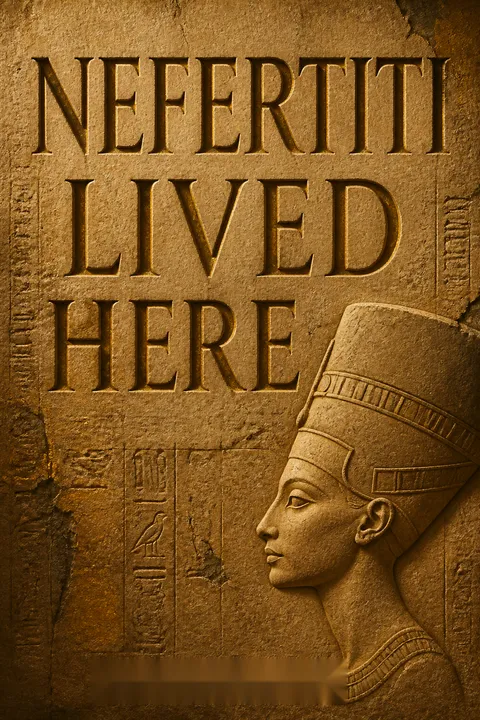

Plot Summary
Accidental Archaeologist Awakens
Mary Chubb, a young woman with dreams of being a sculptor, finds herself stuck in a dreary secretarial job at the Egypt Exploration Society in London. Her days are filled with dust, boredom, and a sense of wasted potential—until a chance encounter with a forgotten, blue-glazed tile from Egypt sparks her imagination. The tactile reality of ancient sand and artistry awakens a longing to know more about the people and places behind such artifacts. This moment of connection bridges the gap between the sterile world of museum relics and the vibrant, lived history of ancient Egypt. Mary's curiosity is ignited, and she begins to see the possibility of a life beyond paperwork, one that might allow her to touch the past more directly.
Invitation to Amarna
Inspired by her newfound passion, Mary suggests that someone from the London office should join the excavation team in Egypt to streamline administration and communication. To her surprise, the committee agrees, and she is chosen to accompany the next expedition to Tell el-Amarna, the ancient city built by the heretic Pharaoh Akhenaten and his queen, Nefertiti. The prospect is both thrilling and daunting—Mary must leave behind her familiar routines, her art classes, and the comfort of Bloomsbury for the unknown challenges of fieldwork in Egypt. As she prepares to depart, she is filled with anticipation, nostalgia, and a sense of stepping into a story much larger than herself.
Journey Across Continents
Mary's journey to Egypt is marked by seasickness, awkward introductions, and the slow forging of camaraderie among the young, inexperienced team. The voyage by ship from Venice to Alexandria is both physically and emotionally turbulent, as Mary and her colleagues—architects, archaeologists, and administrators—size each other up and wonder if they are truly prepared for the task ahead. The Mediterranean crossing is a liminal space, filled with language lessons, daydreams about ancient history, and the first inklings of the adventure to come. By the time they reach Egypt, the group is bonded by shared discomfort and a growing sense of purpose.
Arrival at the Ancient City
The team's arrival in Egypt is a sensory overload: the chaos of Cairo, the grandeur of the museum, and the awe-inspiring sight of the pyramids. After a dusty train ride and a precarious river crossing, they reach Tell el-Amarna, where the ruins of Akhenaten's city lie half-buried in sand. The expedition's residence is itself a restored ancient house, blending the past and present in its very walls. Mary is struck by the beauty and strangeness of her new home, the warmth of the local staff, and the daunting scale of the archaeological task before them. The city's history—its brief, brilliant life and sudden abandonment—hangs over everything.
Life in a Pharaoh's House
Settling into the restored house, Mary and her companions navigate the practicalities of camp life: organizing supplies, assigning rooms, and learning to coexist in close quarters. The house, with its ancient columns and sunlit courtyard, becomes both a workplace and a sanctuary. The team is introduced to the local workers—skilled Guftis and eager villagers—whose expertise and traditions are essential to the excavation. Mary's role expands beyond secretarial duties; she becomes a nurse, artist, and diplomat, adapting to the unpredictable demands of life on a dig. The boundaries between past and present blur as she imagines the ancient inhabitants who once called this place home.
The Dig Begins
The excavation starts in earnest, with teams of men, women, and children moving tons of sand by hand. The work is physically demanding and requires meticulous organization: every artifact must be cataloged, every wall mapped. Mary learns the rhythms of the dig—the songs of the workers, the midday heat, the camaraderie of shared meals in the shade. She is drawn into the excitement of discovery, from humble beads to fragments of painted plaster. Each find is a tangible link to the lives of Amarna's ancient residents, and Mary's initial detachment gives way to a deep emotional investment in the site and its stories.
Learning the Land and People
As the days pass, Mary becomes more attuned to the landscape and the people around her. She learns basic Arabic, navigates the complexities of local customs, and gains respect for the Guftis' archaeological skills. The team's relationships with the villagers deepen, marked by moments of humor, misunderstanding, and mutual learning. Mary is especially moved by the children who work on the dig, their resilience and joy shining through the dust. The daily challenges—illness, accidents, and the ever-present threat of sandstorms—forge a sense of solidarity among the team and their Egyptian colleagues, uniting them in a shared quest to reclaim the past.
Discoveries and Daily Routines
The dig yields a steady stream of artifacts: amulets, jewelry, tools, and fragments of sculpture. Mary becomes adept at cataloging finds, drawing objects, and even cleaning and restoring delicate pieces. The process is painstaking, requiring both scientific rigor and artistic sensitivity. The team celebrates small victories—a well-preserved bead, a painted wall fragment—as well as larger breakthroughs, such as the discovery of a beautifully carved door lintel. The work is punctuated by moments of levity and frustration, as the realities of fieldwork—broken equipment, bureaucratic hurdles, and the relentless sun—test everyone's patience and resolve.
The Dintel and the Princess
The discovery of a painted lintel inscribed with the names of Akhenaten and Nefertiti is a highlight of the season, offering direct evidence of the city's royal past. The team carefully excavates, restores, and transports the massive stone, marveling at its artistry and historical significance. Later, the unearthing of a small, exquisitely carved head—believed to be a princess, perhaps Anjesenpaatón—brings a sense of wonder and fulfillment. These moments crystallize the emotional arc of the expedition: the thrill of touching history, the satisfaction of teamwork, and the bittersweet knowledge that such treasures are fleeting, destined for museums far from their original home.
Family, Power, and Ruin
Through conversations and research, Mary and her colleagues piece together the story of Amarna's royal family: Akhenaten's religious revolution, Nefertiti's enigmatic role, the succession struggles, and the city's rapid decline. The personal dramas of the past—love, ambition, betrayal, and loss—echo in the ruins around them. The team reflects on the erasure of Akhenaten's legacy, the fate of Nefertiti, and the tragic brevity of the city's existence. These historical insights deepen their connection to the site and underscore the fragility of human achievement in the face of time and political change.
Sandstorms and Setbacks
As the season progresses, the team faces mounting challenges: sandstorms disrupt work, illness sidelines key members, and financial pressures threaten to cut the campaign short. The arrival of an American volunteer, George, brings both comic relief and new frustrations, highlighting the cultural and generational gaps within the group. Despite setbacks, the team perseveres, driven by a sense of duty to the site and to each other. The unpredictability of fieldwork—its mix of monotony and sudden crisis—tests their adaptability and resilience, forging bonds that will outlast the expedition itself.
The American Interlude
George's presence is both a help and a hindrance. His lack of experience and expectations of adventure clash with the realities of archaeological labor. The team's initial amusement gives way to irritation as George's priorities—comfort, novelty, and personal gain—conflict with the collective ethos of the dig. His eventual departure, timed with the discovery of a cache of gold and silver, underscores the difference between those who seek quick rewards and those who value the slow, painstaking work of uncovering history. The episode serves as a reminder of the ethical complexities and temptations inherent in archaeology.
Gold Beneath the Floor
The unearthing of a hoard of gold and silver hidden beneath a humble house electrifies the camp and the surrounding villages. While the find promises financial relief for the expedition, it also brings anxiety: rumors spread, security becomes a concern, and the team must navigate the legal and ethical protocols of artifact division. The treasure, likely the stash of an ancient thief, is both a windfall and a burden, highlighting the tension between archaeological value and material wealth. The episode tests the team's integrity and unity, as they strive to honor both the past and their responsibilities to the present.
The Princess Emerges
The discovery of the princess's head is a moment of pure joy and awe. The sculpture's delicate features, expressive eyes, and subtle smile bridge the gulf of centuries, allowing Mary and her companions to feel an intimate connection with the artist and the subject. The find revitalizes the team's spirits after weeks of exhaustion and disappointment, reaffirming the deeper purpose of their work. For Mary, the experience is especially poignant, resonating with her own artistic aspirations and her journey from outsider to participant in the ongoing story of Amarna.
Farewell to Amarna
As the season draws to a close, the team faces the bittersweet task of packing up their finds, saying goodbye to colleagues and friends, and preparing for the division of artifacts in Cairo. The departure is marked by a sense of accomplishment and loss: the city that once felt so alien has become a second home, and the bonds forged in the dust and heat are not easily severed. A farewell celebration, filled with music, dance, and laughter, serves as both a tribute to the local community and a ritual of closure. The echoes of ancient rituals and modern camaraderie blend in a final, unforgettable night.
The Division of Treasures
In Cairo, the team must navigate the bureaucratic process of dividing the season's finds between the Egyptian authorities and the sponsoring society. The fate of each artifact hangs in the balance, with the most precious pieces—like the princess's head—subject to negotiation and luck. The process is tense and emotional, as the team advocates for the right to bring home the fruits of their labor. Ultimately, they secure a fair share, including the coveted sculpture, thanks to diplomacy and the goodwill earned through meticulous record-keeping and respect for Egyptian law.
Echoes Through Time
In the aftermath of the expedition, Mary reflects on the transformative power of her experience: the friendships forged, the lessons learned, and the enduring allure of Amarna. The artifacts, now housed in museums far from their original context, serve as ambassadors of a lost world, their beauty and mystery undiminished by time. The story of the dig becomes part of a larger tapestry, connecting past and present, East and West, art and science. For Mary, the journey from accidental archaeologist to passionate chronicler is both a personal triumph and a testament to the enduring human quest to understand and honor the past.
Analysis
"Nefertiti Lived Here" is both a vivid memoir and a meditation on the meaning of archaeology, memory, and cultural connection. Mary Chubb's narrative transcends the genre of excavation report, offering readers an immersive experience of discovery—both of ancient Egypt and of the self. The book explores the tension between the romance of the past and the realities of fieldwork, highlighting the importance of humility, collaboration, and respect for both people and artifacts. Chubb's journey from accidental archaeologist to passionate chronicler mirrors the broader human quest to bridge the gap between past and present, to find meaning in fragments, and to honor the lives that came before us. The story is also a subtle critique of colonial attitudes, emphasizing the indispensable role of Egyptian workers and the ethical complexities of artifact division. Ultimately, "Nefertiti Lived Here" is a celebration of curiosity, resilience, and the enduring power of art and history to connect us across time and culture. Its lessons—about teamwork, empathy, and the value of slow, careful work—remain deeply relevant in a world still grappling with questions of heritage, identity, and the stewardship of the past.
People Also Read
Characters
Mary Chubb
Mary begins as a disillusioned office worker, her artistic ambitions stifled by routine. Her accidental discovery of an ancient tile awakens a deep curiosity and propels her into the world of archaeology. Initially inexperienced and self-deprecating, Mary's journey is one of transformation: she becomes indispensable to the expedition, mastering administrative, artistic, and even medical tasks. Her outsider's perspective allows her to see both the romance and the reality of excavation, and her empathy bridges cultural divides. Mary's psychological arc is one of growing confidence, belonging, and a profound sense of connection to both the ancient and modern worlds she inhabits.
John Pendlebury
John is the young, energetic director of the Amarna expedition. Charismatic, athletic, and intellectually rigorous, he balances the demands of scholarship, logistics, and team morale. John's passion for both ancient and medieval history shapes his approach to archaeology, blending romantic idealism with practical discipline. He is a demanding but fair leader, earning the respect of both his British team and the Egyptian workers. Psychologically, John is driven by a sense of mission and legacy, but also haunted by the pressures of funding, time, and the weight of history. His ability to inspire loyalty and laughter is central to the expedition's success.
Hilda Pendlebury
Hilda, John's wife, is both a classicist and a practical manager. She oversees the domestic and medical aspects of the camp, ensuring the well-being of the team and workers alike. Hilda's intelligence, warmth, and humor make her a stabilizing force, and her partnership with John is both personal and professional. She bridges the gap between the scholarly and the everyday, embodying resilience and adaptability. Psychologically, Hilda is nurturing but firm, capable of both compassion and decisive action in crises.
Tommy (Herbert Fairman)
Tommy is the team's specialist in inscriptions, a tall, bespectacled scholar with a dry wit and a methodical approach. He is deeply invested in the minutiae of ancient texts, finding satisfaction in the slow accumulation of knowledge. Tommy's reserved demeanor masks a deep passion for history and a subtle sense of humor. He serves as a mentor to Mary, patiently explaining complex genealogies and the significance of seemingly minor finds. Psychologically, Tommy is steady, introverted, and finds solace in the order and logic of his work.
Hilary Waddington
Hilary is one of the expedition's architects, notable for his youthful enthusiasm, quirky habits, and love of animals. He brings a sense of playfulness and creativity to the team, often lightening tense moments with humor or song. Hilary's sensitivity and curiosity make him both a keen observer and a compassionate friend. He is adaptable, willing to learn from both the land and its people, and his psychological resilience helps the team weather setbacks.
Ralph Lavers
Ralph, the other architect, is distinguished by his artistic skill and quiet determination. He is meticulous in his drawings and reconstructions, capturing both the technical and aesthetic aspects of the site. Ralph's introspective nature sometimes makes him seem aloof, but he is deeply committed to the expedition's goals. His psychological journey involves overcoming self-doubt and illness, ultimately finding fulfillment in both his work and his friendships.
Hussein Abu Bakr
Hussein is the Egyptian chief steward of the expedition's house, responsible for logistics, staff, and the smooth running of daily life. Dignified, resourceful, and quietly humorous, he is both a guardian and a guide for the British team. Hussein's deep knowledge of local customs and his ability to navigate between cultures make him indispensable. Psychologically, he embodies patience, pride, and a subtle authority, earning the affection and respect of all.
The Guftis
The Guftis are a group of skilled Egyptian workers from the village of Guft, renowned for their archaeological expertise. Led by the elder Umbarak and his sons, they are the backbone of the excavation, combining inherited knowledge with practical ingenuity. Their pride in their craft, sense of tradition, and understated humor create a unique dynamic with the British team. Psychologically, the Guftis represent continuity, resilience, and the often-unseen labor behind great discoveries.
George (the American)
George is a young American volunteer whose expectations of adventure clash with the realities of archaeological work. His lack of experience, impatience, and focus on personal gain create friction within the team. George's presence exposes cultural and generational differences, serving as a foil to the expedition's ethos of collective effort and respect for the past. Psychologically, he is restless, entitled, and ultimately unable to adapt, highlighting the challenges of cross-cultural collaboration.
Nefertiti (Historical Figure)
Though absent in the flesh, Nefertiti's presence permeates the narrative. As queen, wife, and possible co-ruler with Akhenaten, she embodies the allure and tragedy of Amarna's brief golden age. Her enigmatic fate, erased names, and iconic images haunt both the ruins and the imaginations of the team. Psychologically, Nefertiti represents the enduring human desire for meaning, legacy, and connection across time.
Plot Devices
Memoir as Archaeological Dig
The book's structure parallels the act of excavation: layers of memory, emotion, and historical fact are gradually uncovered, revealing both the ancient city and Mary's own transformation. The memoir format allows for digressions, reflections, and the blending of past and present, creating a sense of immediacy and intimacy. The narrative is punctuated by moments of foreshadowing—hints of future discoveries, losses, and the ultimate fate of both the city and its excavators. The interplay between mundane details and moments of revelation mirrors the rhythm of archaeological work, where long stretches of routine are interrupted by sudden, life-changing finds.
Juxtaposition of Past and Present
The book constantly draws parallels between the lives of Amarna's ancient inhabitants and the experiences of the modern team. Artifacts become touchstones for empathy and imagination, allowing Mary and her colleagues to inhabit the minds and emotions of people long dead. The narrative uses these connections to explore universal themes: ambition, love, loss, resilience, and the search for meaning. The recurring motif of "living where Nefertiti lived" blurs the boundaries between observer and participant, past and present.
Ensemble Cast and Cultural Exchange
The expedition is depicted as a microcosm of cross-cultural collaboration, with British, Egyptian, and American characters bringing different skills, values, and worldviews. The interplay of personalities—conflict, humor, misunderstanding, and mutual respect—drives much of the narrative tension and growth. The inclusion of local workers as central figures challenges colonial assumptions and highlights the importance of shared labor and knowledge.
Symbolism of Artifacts
Key artifacts—the blue tile, the lintel, the princess's head, the gold hoard—serve as symbols of beauty, mystery, and the passage of time. Their discovery, restoration, and eventual dispersal mirror the emotional arc of the expedition: anticipation, joy, anxiety, and loss. The process of cataloging and dividing these treasures becomes a metaphor for the challenges of preserving and sharing cultural heritage.
Reflection and Retrospective Voice
The narrative is suffused with a sense of nostalgia and reflection, as Mary writes from the vantage point of later life. This retrospective voice allows for both critical analysis and emotional depth, acknowledging the limitations and blind spots of the past while celebrating its joys. The epilogue, in particular, situates the expedition within the broader sweep of history, honoring both the achievements and the losses of those who lived and worked at Amarna.
Download PDF
Download EPUB
.epub digital book format is ideal for reading ebooks on phones, tablets, and e-readers.








































