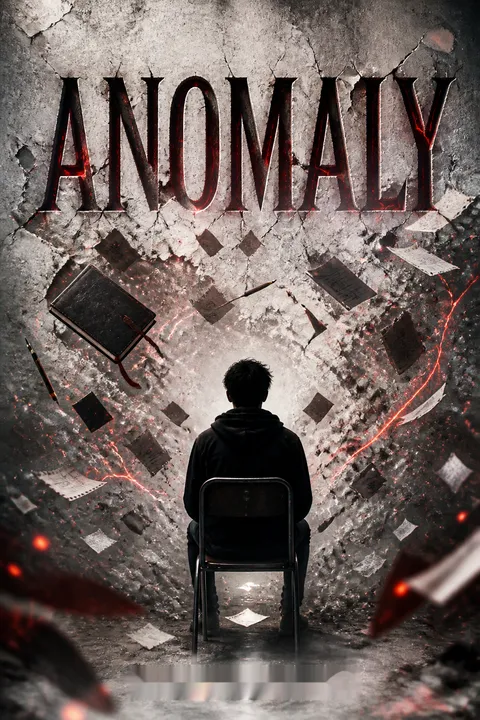

Plot Summary
Interrogation and Denial
In a sterile office, Ion sits across from a social worker who asks about strange sensations, confusion, and the feeling of being out of control. Ion, exhausted and defensive, denies every question, hiding the truth about his experiences. The social worker presses about his notebook, where Ion has written about his fears of hurting others and feeling responsible for harm. Ion refuses to discuss it, feeling exposed and misunderstood. The session ends with Ion feeling more isolated, his secrets buried deeper, and the social worker unconvinced by his denials. The emotional weight of being different and the fear of rejection hang heavy in the air, setting the stage for Ion's struggle with his identity.
Screams, Shakes, and Secrets
Early morning, Ion's world is disrupted by screams and chaos in the Reeves household. Rachel's dog is injured, Michael is antagonistic, and Mr. Reeves is dismissive and threatening. Ion's sense of alienation intensifies as he's blamed for things beyond his control. Alone in his room, he experiences strange physical symptoms—trembling hands, objects moving without touch. The fear of being discovered as "different" grows, and Ion's anxiety mounts. The environment is hostile, and Ion's attempts to fit in only deepen his sense of being an outsider. The chapter closes with Ion's first undeniable encounter with his powers, leaving him shaken and afraid.
The Pencil Floats
After a confrontation with Michael at school, Ion's emotions boil over. In a moment of anger, he punches Michael with unnatural force, sending him flying. The incident is witnessed by others, and Ion flees, overwhelmed by fear and confusion. Alone by the lake, he reflects on his life as a foster child, his lack of belonging, and the strangeness within him. The memory of the floating pencil haunts him, symbolizing the uncontrollable nature of his abilities. The emotional turmoil and the physical manifestation of his powers intertwine, making Ion question his sanity and his place in the world.
Fights and Flight
The aftermath of the fight with Michael leads to further alienation. Ion is blamed, threatened with removal from the home, and feels the weight of being unwanted. He seeks solace at the lake, where he meets the enigmatic old man living in a driftwood hut. The old man offers practical help and cryptic wisdom, sensing Ion's turmoil. Their conversation is a rare moment of connection for Ion, who is desperate for understanding. The old man's presence is grounding, but Ion remains haunted by his powers and the fear of causing harm. The chapter ends with Ion returning home, dreading the consequences.
The Old Man's Fire
Ion spends time with the old man, learning to build a fire and listening to his philosophical musings about truth, perception, and the nature of being different. The old man encourages Ion to question everything and to see his uniqueness as a potential strength rather than a curse. Their bond deepens, and Ion feels a glimmer of hope. However, the comfort is fleeting, as Ion's internal struggle with his powers and emotions continues. The old man's advice lingers, planting seeds of self-acceptance, but Ion is not yet ready to embrace his identity.
Healing Hands, Hidden Pain
Rachel's dog, Gabe, is gravely injured. Ion, left alone with the dog, experiences a surge of power—his hands tremble and burn as he touches Gabe's wound, and the dog miraculously recovers. The act leaves Ion drained and terrified. Rachel witnesses the event and believes in Ion's "magic," but he swears her to secrecy. The healing is both a blessing and a curse, deepening Ion's fear of himself. He is caught between the desire to help and the terror of what he might become. The emotional burden grows heavier as Ion realizes the extent of his abilities.
The Weight of Difference
The miraculous recovery of Gabe raises suspicions in the household. Michael becomes increasingly hostile, accusing Ion of witchcraft or trickery. Ava, the foster mother, is torn between trust and doubt. Ion's attempts to suppress his emotions and powers only make things worse, leading to more incidents—objects levitating, bursts of anger, and near-disasters. The sense of being an anomaly, of not belonging anywhere, becomes overwhelming. Ion's journal becomes his only outlet, a place to confess his fears and confusion. The chapter captures the suffocating loneliness of being different in a world that demands conformity.
Rachel's Pact
Rachel confronts Ion about what she saw, and he spins a fantastical story to protect her innocence and keep her quiet. They make a pinky promise to keep the "magic" a secret. This moment of trust is bittersweet—Rachel's belief in Ion is pure, but it underscores his isolation from everyone else. The bond with Rachel is a rare source of comfort, but it also heightens Ion's fear of exposure. The chapter highlights the innocence of childhood and the desperate measures Ion takes to protect both himself and those he cares about.
The Fire and the Fallout
A fire breaks out in the Reeves home, and Ion is the first to react, saving the family. Despite his heroism, suspicion falls on him, especially from Mr. Reeves and Michael. The cause of the fire is linked to Michael's gaming console, but Ion fears his own thoughts may have triggered it. The guilt and anxiety are crushing, as Ion grapples with the possibility that his powers are dangerous and uncontrollable. The aftermath is tense—social workers are called, and Ion's place in the home is threatened. The fire becomes a metaphor for the destructive potential of Ion's hidden self.
The Social Worker's Visit
A social worker arrives to assess the situation. Ion is questioned about the fire, his relationship with Rachel, and the ongoing conflict with Michael. He answers carefully, hiding the truth about his powers and the events leading up to the fire. The social worker is sympathetic but cautious, recognizing Ion's vulnerability and the family's dysfunction. The visit leaves Ion's future uncertain—he is neither fully believed nor fully condemned. The tension in the household escalates, and Ion's sense of security is shattered. The chapter explores themes of trust, suspicion, and the precariousness of belonging.
Michael's Betrayal
Michael discovers Ion's journal and exposes its contents to the family. The revelations confirm everyone's worst fears—Ion's powers, his guilt over the fire, and his sense of being a monster. Mr. Reeves erupts in anger, Ava is devastated, and Rachel is frightened. Ion's world collapses as he is labeled a freak and a danger. The emotional climax is raw and devastating, as Ion is forced to confront the consequences of his difference. The betrayal by Michael is the final blow, pushing Ion to the brink of despair and self-destruction.
The Storm Breaks
Overwhelmed by guilt and rejection, Ion flees the house and runs to the lake, intent on ending his pain. He wades into the water, ready to disappear, but is stopped by the old man, who pulls him back to shore. In a moment of raw vulnerability, Ion confesses his fear of himself and his longing for oblivion. The old man reveals that he knows more about Ion than he has let on, hinting at a deeper connection and a larger destiny. The encounter is transformative, offering Ion a glimmer of hope and the possibility of understanding.
Into the Water
Ion's attempt to drown himself is interrupted by the old man, who rescues him and confronts him with hard truths. The old man reveals that he knows Ion's name and history, and that their meeting was not an accident. He hints at a greater purpose for Ion's powers and a future that Ion cannot yet comprehend. The old man erases Ion's memory of their encounters, leaving him with a sense of loss and confusion but also a subtle shift—a seed of change planted deep within. The chapter marks a turning point, as Ion's journey moves from survival to self-discovery.
Erased Memories, New Beginnings
Two months later, Ion sits with a social worker, unable to recall the old man or the events that led him here. He is told he will be placed in a home for troubled youths. The conversation is heavy with uncertainty and the pain of not knowing oneself. The social worker encourages Ion to let go of the past and look to the future, but Ion feels undefined, lost, and afraid. The memory of the old man lingers as a haunting absence, a missing piece of his identity. The chapter ends with Ion poised on the edge of a new journey, his search for self just beginning.
The Search for Self
In the aftermath of trauma and loss, Ion struggles to define himself beyond the labels others have given him. He reflects on the lessons of the old man, the pain of rejection, and the possibility that his difference might be a gift rather than a curse. The journey is ongoing—Ion is neither healed nor whole, but he is no longer running from himself. The chapter is a meditation on the nature of identity, the power of choice, and the hope that comes from embracing one's true self, no matter how strange or frightening.
Letting Go, Moving Forward
As Ion prepares to enter a new phase of his life, he begins to accept that his past does not define him. The memory of the old man's wisdom lingers, guiding him toward self-acceptance and the courage to face the unknown. The story closes with Ion looking forward, uncertain but no longer paralyzed by fear. The emotional arc comes full circle—from denial and self-loathing to the first tentative steps toward healing and hope. The journey is far from over, but Ion is no longer alone in the darkness; he carries within him the possibility of light.
Analysis
Anomaly is a raw, introspective exploration of difference, trauma, and the search for identityThrough Ion's journey, K.A. Emmons crafts a narrative that is both a coming-of-age story and a meditation on the burdens of being "other." The supernatural elements serve as metaphors for the uncontrollable forces of adolescence, trauma, and mental health struggles. The novel interrogates the ways society responds to difference—with fear, suspicion, and exclusion—and the devastating impact this has on vulnerable individuals. Yet, it also offers hope: through moments of connection, mentorship, and self-acceptance, Ion glimpses the possibility of belonging and healing. The story's emotional arc is one of descent into despair and gradual emergence into self-awareness. The lesson is clear: true strength lies not in suppressing what makes us different, but in embracing it, understanding it, and using it to forge authentic connections. Anomaly invites readers to question their own assumptions about normalcy, to empathize with those who struggle in silence, and to believe in the transformative power of acceptance—both from others and, most importantly, from oneself.
Review Summary
Anomaly is a prequel novella to the Blood Race trilogy, following 14-year-old foster child Ion Jacobs as he discovers supernatural powers. Reviewers generally praised the emotional depth, fast pace, and compelling portrayal of Ion's struggles within the foster care system. Many found the story heart-wrenching and engaging, appreciating its themes of identity, isolation, and hope. Common criticisms included occasional awkward prose, continuity errors, Ion's voice sometimes feeling too mature, and the story feeling incomplete as a standalone. Most readers expressed interest in continuing the series.
Characters
Ion Jacobs
Ion is a fourteen-year-old foster child, marked by trauma, abandonment, and a profound sense of not belonging. His powers—telekinesis and healing—manifest unpredictably, tied to his emotional state. Ion's psyche is a battleground of fear, anger, and longing for acceptance. He is fiercely intelligent, introspective, and deeply empathetic, but his self-loathing and terror of harming others isolate him. Ion's journey is one of self-discovery, moving from denial and repression to a fragile acceptance of his difference. His relationships—with Rachel, Ava, and the old man—offer glimpses of hope, but betrayal and misunderstanding reinforce his sense of being an anomaly. Ion's development is defined by his struggle to reconcile his powers with his humanity, and his ultimate realization that embracing his true self is the only path to healing.
Ava Reeves
Ava is Ion's foster mother, a woman hardened by life but capable of deep compassion. She is caught between her husband's suspicion, her son's hostility, and her own instincts to protect Ion. Ava's relationship with Ion is complex—she sees his pain and wants to help, but is constrained by fear and the chaos of her household. Her moments of kindness are lifelines for Ion, but her inability to fully trust or defend him contributes to his isolation. Ava's internal conflict mirrors the broader themes of the story: the tension between fear and empathy, and the difficulty of embracing the unknown.
Michael Reeves
Michael is Ava's biological son and Ion's primary tormentor. Driven by jealousy, resentment, and a desperate need for his father's approval, Michael targets Ion as a scapegoat for his own frustrations. His aggression masks deep insecurity and a fear of being replaced. Michael's actions—stealing homework, instigating fights, exposing Ion's secrets—are both cruel and pitiable. He is a product of his environment, shaped by his father's harshness and the instability of the household. Michael's relationship with Ion is adversarial, but also reflects the universal struggle for acceptance and the destructive power of fear.
Rachel Reeves
Rachel is the youngest member of the Reeves family, a sensitive and imaginative child who forms a special bond with Ion. Her unwavering belief in Ion's "magic" and her willingness to keep his secret provide him with a rare sense of trust and acceptance. Rachel's innocence and vulnerability highlight the story's themes of faith, loyalty, and the redemptive power of connection. She serves as a catalyst for Ion's self-acceptance, reminding him that difference can be a source of wonder rather than fear.
Mr. Reeves
Mr. Reeves is the patriarch of the household, a man hardened by disappointment and prone to anger. He views Ion as a threat and an outsider, quick to believe the worst and slow to offer compassion. His relationship with Ion is adversarial, marked by suspicion, hostility, and a refusal to see beyond appearances. Mr. Reeves represents the societal forces that marginalize and stigmatize those who are different. His inability to empathize or adapt contributes to the toxic environment that drives Ion to the brink.
The Old Man
The old man is a drifter living by the lake, whose true identity and purpose are shrouded in mystery. He recognizes Ion's powers and offers guidance, challenging him to question his assumptions and embrace his uniqueness. The old man's philosophical insights and calm presence provide Ion with a sense of belonging and hope. He hints at a deeper connection to Ion's past and future, suggesting a larger destiny at play. His final act—erasing Ion's memory—underscores the enigmatic nature of his role, leaving Ion changed but unaware of the source of his transformation.
Brigid (Social Worker)
Brigid is the social worker assigned to Ion's case. She is professional, compassionate, and perceptive, recognizing both Ion's vulnerability and the dysfunction of the Reeves household. Brigid's role is to assess, protect, and guide, but she is limited by the constraints of the system. Her interactions with Ion are marked by a genuine desire to help, but also by the impersonal nature of bureaucracy. She represents the external forces that shape Ion's fate, for better or worse.
Gabe (the Dog)
Gabe is Rachel's beloved dog, whose injury and miraculous recovery serve as a catalyst for Ion's self-discovery. The act of healing Gabe reveals the extent of Ion's powers and the emotional cost of using them. Gabe's presence is a source of comfort for Rachel and a symbol of the fragile, redemptive connections that bind the characters together.
Ms. Wu
Ms. Wu is Ion's math teacher, who recognizes his potential and encourages him to find healthy outlets for his energy. Her concern and advice offer Ion a rare sense of validation and support within the school environment. Ms. Wu's role, though minor, underscores the importance of mentorship and the impact of small acts of kindness.
The Social Worker (Final Chapter)
In the story's conclusion, a new social worker helps Ion process his experiences and prepares him for a new chapter. She encourages him to let go of the past and embrace the possibility of a different future. Her presence signals a turning point, as Ion moves from survival to the search for self-definition and healing.
Plot Devices
Manifestation of Powers
Ion's telekinesis and healing powers are inextricably linked to his emotional state. Moments of intense fear, anger, or compassion cause his abilities to surface, often with unintended consequences. This device serves as both a metaphor for adolescence and trauma, and a literal source of danger and wonder. The unpredictability of Ion's powers heightens tension, propels the plot, and deepens his internal conflict. The struggle to control or suppress his abilities mirrors his struggle to accept himself, making the supernatural elements integral to the story's psychological and thematic depth.
The Journal
Ion's composition notebook functions as a confessional, a place where he articulates fears, guilt, and confusion he cannot share with others. The journal entries provide insight into his psyche, foreshadow key events, and ultimately become the instrument of his exposure and downfall. The act of writing is both cathartic and dangerous, highlighting the tension between secrecy and the need for understanding.
The Old Man as Mentor
The old man's role as mentor is classic yet enigmatic. He appears at pivotal moments, offering guidance that is both practical and philosophical. His knowledge of Ion's past and future, and his ability to erase memories, suggest a larger, hidden narrative at work. The old man's presence foreshadows Ion's destiny and the existence of a world beyond the ordinary, setting up the transition to the next phase of the series.
Foreshadowing and Symbolism
The floating pencil, the healing of Gabe, the fire, and the lake are recurring symbols that foreshadow Ion's journey and the nature of his powers. The lake represents both danger and transformation; the fire symbolizes destruction and rebirth. These motifs reinforce the story's themes of difference, acceptance, and the struggle for control.
Narrative Structure
The story unfolds chronologically, punctuated by journal entries and dream sequences that provide psychological depth and foreshadow future events. The structure allows for a gradual revelation of Ion's powers and the consequences of his actions, building tension and empathy. The use of first-person perspective immerses the reader in Ion's emotional world, making his journey visceral and immediate.
Download PDF
Download EPUB
.epub digital book format is ideal for reading ebooks on phones, tablets, and e-readers.








































