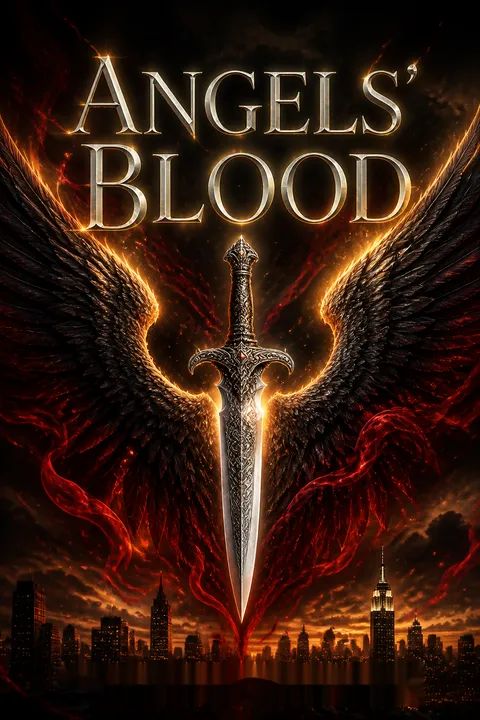

Plot Summary
Hunter's Scented Awakening
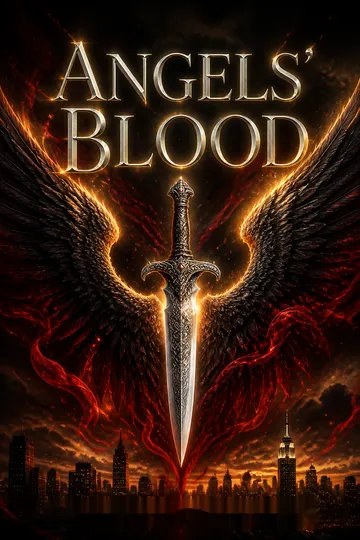
Elena Deveraux is a renowned Guild Hunter in New York, uniquely gifted with the ability to scent vampires. Her job is not to kill, but to track and return vampires to their angelic masters, who create and rule over them. Elena's latest hunt ends with a successful capture, but her world shifts when she receives a summons from Raphael, the Archangel of New York. The invitation is both an honor and a threat—no one refuses an archangel. Elena's nerves are raw, her curiosity piqued, and her instincts scream danger. The city's angels, beautiful and remote, rule from their Tower, and Elena's life is about to be entangled with theirs in ways she never imagined. The scent of blood and power lingers in the air, foreshadowing the storm to come.
Archangel's Lethal Invitation
Elena's meeting with Raphael is set atop the Archangel Tower, a place of dazzling beauty and perilous heights. Raphael is mesmerizing—his wings gold-tipped, his eyes impossibly blue, his presence overwhelming. The breakfast is a test of wills, with Raphael probing Elena's abilities and boundaries. He reveals he needs her to track not a vampire, but something far more dangerous: an archangel gone rogue. The job is impossible, the stakes are life and death, and Raphael's power is absolute. Elena's fear is matched only by her determination not to be cowed. The encounter leaves her shaken, her pride bruised, and her fate irrevocably tied to the archangel's deadly game.
Breakfast on the Tower
On the Tower's rooftop, Elena faces Raphael's tests—her ability to scent vampires, her resistance to his mind games, and her refusal to submit. Raphael's beauty is a weapon, his interest in Elena both predatory and intrigued. He demonstrates the terrifying consequences of disobedience, reminding her of his capacity for cruelty. Yet, beneath the threat, there is a strange fascination, a spark of something more. Elena's defiance earns Raphael's respect, even as he warns her of the dangers ahead. The city below is oblivious to the storm gathering above, where hunter and archangel circle each other, both predator and prey.
Terms of the Impossible Hunt
Raphael reveals the true nature of Elena's task: she must track Uram, an archangel who has descended into bloodlust and madness. The Cadre of Ten, the ruling archangels, are desperate to contain the threat before humanity learns the truth. Elena is uniquely qualified, but the job is a death sentence. Raphael's offer is laced with both reward and threat—failure means death, success means survival, but nothing is guaranteed. Elena negotiates for her safety and that of her friends, but Raphael's promises are as dangerous as his threats. The hunt for Uram begins, and with it, Elena's journey into the heart of angelic darkness.
Blood and Power Games
As Elena prepares for the hunt, she is drawn deeper into Raphael's world—a realm of seductive vampires, political intrigue, and ancient power. Raphael's second-in-command, Dmitri, is both ally and threat, his sensuality as dangerous as his loyalty. Elena's own desires war with her instincts for self-preservation, especially as Raphael's interest in her becomes increasingly personal. The boundaries between hunter and hunted blur, and Elena must navigate a world where pleasure and pain, love and death, are inextricably linked. The city's undercurrents of blood and power threaten to drown her, even as she clings to her independence.
The Cadre's Deadly Secret
The Cadre of Ten convenes, their immortality shadowed by Uram's fall. They debate the necessity of secrecy, the dangers of bloodborn angels, and the fate of humanity should their kind be revealed as monsters. Raphael is chosen to lead the hunt, his connection to Elena both asset and liability. The Cadre's politics are ruthless, their alliances fragile, and their power absolute. Michaela, another archangel and Uram's former lover, is both victim and potential threat. The decision is made: Uram must die, and Elena is the key to finding him. The fate of the world hangs in the balance.
Uram's Shadow Emerges
Elena's research into Uram reveals a history of tyranny and cruelty. When a series of gruesome murders shocks the city, it becomes clear that Uram has begun his killing spree. The bodies are mutilated, the violence escalating, and the scent of blood is everywhere. Elena's unique abilities are put to the test as she tracks the monster through the city's shadows. Raphael's presence is both a comfort and a threat, his own darkness surfacing as the hunt intensifies. The line between justice and vengeance blurs, and Elena is forced to confront the true horror of what an archangel can become.
Seduction and Defiance
The hunt for Uram is complicated by the growing attraction between Elena and Raphael. Their encounters are charged with desire, defiance, and danger. Raphael's attempts to control Elena are met with fierce resistance, and their clashes are as erotic as they are perilous. Dmitri's games add another layer of complexity, his vampiric allure both intoxicating and repellent. Elena's independence is tested at every turn, but she refuses to be anyone's pawn. As the city trembles under the threat of Uram's madness, Elena and Raphael's relationship becomes a battleground of wills, each pushing the other to the edge.
The Price of Mortality
Elena's ties to her friends and family are strained as Raphael's world encroaches on her own. The threat to those she loves becomes real, and Elena is forced to make impossible choices. Raphael's Quiet—a state of emotionless power—turns him into a stranger, and Elena must survive his cold rage. Oaths are sworn, bargains struck, and the cost of mortality becomes painfully clear. The hunt for Uram is no longer just a job; it is a fight for survival, for love, and for the soul of the city. Elena's courage is tested as never before, and the consequences of failure are unthinkable.
Quiet, Rage, and Oaths
Raphael's descent into the Quiet leaves Elena vulnerable to his power and the machinations of his court. Dmitri's predations, Michaela's jealousy, and the Cadre's politics close in around her. Elena's own mind becomes a battlefield, as she learns to shield herself from angelic compulsion. The city's underworld is rife with betrayal, and Elena must rely on her wits and her allies to survive. The boundaries between love and hate, loyalty and treachery, are razor-thin. As Uram's killings escalate, the final confrontation draws near, and Elena must decide what she is willing to sacrifice.
The Hunter's Family Ties
Elena's past is laid bare as she confronts her estranged family and the trauma that shaped her. The wounds of childhood, the loss of her mother and sisters, and her father's rejection haunt her steps. The hunt for Uram becomes personal, as Elena realizes that the monster's trail leads dangerously close to those she once called family. Raphael's own history is revealed, his mother's madness a shadow over his soul. Together, hunter and archangel face the ghosts of their pasts, seeking redemption in a world where forgiveness is rare and love is a risk.
Bloodborn Unleashed
Uram's transformation into a bloodborn angel is complete. His killings become more brazen, his power more terrifying. The city reels under the weight of his violence, and the Cadre's secrets teeter on the brink of exposure. Elena's tracking leads her into the heart of darkness, where the line between hunter and hunted vanishes. Raphael's injuries mount, his mortality exposed, and the cost of power becomes unbearable. The final pieces fall into place for a confrontation that will decide the fate of angels, vampires, and humans alike.
The Monster's Trail
Elena and Raphael follow Uram's trail through a city transformed by fear. The bodies pile up, each murder more grotesque than the last. The scent of Uram's madness is everywhere, and Elena's abilities are pushed to their limits. Allies fall, betrayals are revealed, and the city's fragile peace shatters. The Cadre's intervention is imminent, and the risk of discovery grows. Elena's determination hardens—she will not let Uram win, no matter the cost. The hunt becomes a race against time, with the lives of thousands hanging in the balance.
Death in the City
The final confrontation with Uram is set against the backdrop of a city plunged into darkness. Raphael and Elena face the bloodborn archangel in a battle of wills, power, and sacrifice. The fight is brutal, the stakes absolute. Elena's mortality is her greatest weakness and her greatest strength, as she risks everything to save Raphael and the city. The cost of victory is high—bones are broken, blood is spilled, and the line between life and death is crossed. In the aftermath, nothing will ever be the same.
The Angelic War Begins
The battle between Raphael and Uram is cataclysmic, their powers tearing the city apart. The sky burns with angelfire, and the world witnesses the true might of the Cadre. Elena's role is pivotal—her courage and skill turn the tide at the crucial moment. The cost is nearly fatal, as both hunter and archangel are pushed to the brink of death. The city is left scarred, its people forever changed by the glimpse of angelic war. In the silence that follows, the survivors count their losses and wonder what price will be demanded next.
Betrayal and Survival
In the aftermath of the battle, the survivors struggle to rebuild. Raphael's Seven—his most trusted angels and vampires—hold the city together, even as the Cadre circles like vultures. Elena's friends fight to reach her, desperate for news, but the truth is kept hidden. The cost of survival is secrecy, and the wounds of betrayal run deep. Raphael's own recovery is uncertain, and the city's future hangs in the balance. The world has changed, and nothing will ever be as it was.
The Final Confrontation
Elena's final stand against Uram is a testament to her strength and resilience. Broken and dying, she refuses to surrender, her love for Raphael giving her the will to fight. Raphael, in turn, risks everything to save her, drawing on the deepest reserves of his power. The battle is both physical and spiritual, a clash of wills that leaves both changed forever. In the end, it is love—fierce, defiant, and true—that triumphs over death. But the victory comes at a price, and the world will never forget the day an archangel fell.
Rebirth in Angel's Blood
Elena awakens to find herself transformed—no longer mortal, but angel. Her wings are midnight and gold, her body healed, her soul forever changed. Raphael's love has rewritten the rules of immortality, and together they face a future filled with both promise and peril. The Cadre watches, wary of what this new angel might mean. Elena's friends rejoice, even as they mourn what has been lost. The city breathes again, its wounds slowly healing. In the end, Elena's journey from hunter to angel is a story of courage, sacrifice, and the enduring power of love.
Analysis
Angels' Blood is a dark, sensual urban fantasy that interrogates the nature of power, trauma, and transformation. At its core, the novel is a story of survival—of a woman who refuses to be broken by her past, and of an immortal who dares to change. Nalini Singh crafts a world where beauty and brutality coexist, where love is both risk and reward, and where the boundaries between predator and prey are constantly shifting. The relationship between Elena and Raphael is the heart of the story, a dance of dominance and vulnerability that challenges both characters to grow. The novel's exploration of immortality is nuanced, revealing both its allure and its dangers—the erosion of empathy, the temptation of cruelty, and the longing for connection. The political intrigue of the Cadre adds depth, highlighting the fragility of power and the cost of secrecy. Ultimately, Angels' Blood is a meditation on the possibility of redemption: that even in a world stained with blood, love can be a force of change, and that the courage to face the darkness—within and without—can lead to new beginnings. The story's emotional arc is one of pain, defiance, and hope, leaving readers with the sense that legends are not born, but made, in the crucible of choice and sacrifice.
Review Summary
Angels' Blood receives mostly positive reviews, with readers praising the unique world-building, compelling characters, and steamy romance. Many enjoyed the dynamic between Elena, a strong vampire hunter, and Raphael, a powerful archangel. The book is lauded for its fresh take on angels and vampires, intense action scenes, and well-developed secondary characters. Some critics found the pacing slow or disliked certain aspects of the romance, but overall, the novel is highly recommended for fans of paranormal romance and urban fantasy.
People Also Read





Characters
Elena Deveraux
Elena is a Guild Hunter, born with the rare ability to scent vampires. Fiercely independent, she is shaped by a traumatic past—her mother and sisters were murdered, and her father rejected her for her "abnormality." Elena's psychological resilience is matched by her stubbornness and compassion. She is both predator and prey, refusing to submit to anyone, even the archangel who could end her with a thought. Her relationships are complex: she is loyal to her friends, wary of her family, and drawn to Raphael in ways that both terrify and exhilarate her. Over the course of the story, Elena transforms from a mortal hunter into an angel, her journey marked by pain, love, and the forging of a new identity. Her trauma never fully leaves her, but she learns to wield it as strength, becoming a legend in her own right.
Raphael
Raphael is the Archangel of New York, one of the Cadre of Ten who rule the world. He is ancient, beautiful, and terrifying, wielding power with absolute authority. Raphael's psychology is shaped by centuries of leadership, the burden of immortality, and the shadow of his mother's madness. He is both protector and executioner, capable of great cruelty and unexpected tenderness. His fascination with Elena challenges his detachment, awakening emotions he thought long dead. Raphael's struggle is one of balance—between power and mercy, love and duty, immortality and the dangerous allure of mortality. His relationship with Elena transforms him, forcing him to confront his own humanity and the possibility of change.
Dmitri
Dmitri is Raphael's second-in-command, an ancient vampire whose sensuality is matched only by his ruthlessness. He is both ally and antagonist to Elena, testing her boundaries and loyalty. Dmitri's loyalty to Raphael is absolute, forged through centuries of shared battles and secrets. His psychological complexity lies in his ability to be both charming and lethal, his own past marked by pain and survival. Dmitri's interactions with Elena are a dance of power and temptation, but his true devotion is to Raphael and the stability of their world.
Uram
Uram is the antagonist, an archangel who succumbs to bloodlust and becomes a monster. Once a ruler of Eastern Europe, his descent into madness is both tragic and terrifying. Uram's psychology is shaped by centuries of power, isolation, and the corrupting influence of the angelic toxin. His actions are driven by a need for blood, power, and destruction, and he becomes a cautionary tale for the Cadre. Uram's fixation on Michaela and his rivalry with Raphael drive the central conflict, his madness a mirror for the dangers of unchecked immortality.
Michaela
Michaela is an archangel, Uram's former lover, and a political force in her own right. She is stunningly beautiful, vain, and deeply self-interested. Michaela's psychology is marked by insecurity and ambition—she craves attention and power, and her relationships are transactional. Her connection to Uram is both a vulnerability and a weapon, and her rivalry with Elena is laced with jealousy and contempt. Michaela's survival instincts are strong, but her lack of empathy isolates her from true connection.
Sara Haziz
Sara is Elena's best friend and the Director of the Guild. She is pragmatic, fiercely loyal, and protective of those she loves. Sara's psychological strength lies in her ability to balance compassion with leadership, making hard choices for the greater good. Her relationship with Elena is sisterly, providing emotional support and grounding. Sara's own family—her husband Deacon and daughter Zoe—are her anchor, and her willingness to challenge even archangels for her friends' safety marks her as a force to be reckoned with.
Illium
Illium, known as "Bluebell," is one of Raphael's Seven, distinguished by his blue and silver wings and mischievous personality. He is both a skilled fighter and a source of levity, his loyalty to Raphael unwavering. Illium's psychological complexity lies in his fascination with mortals and his own vulnerability to love. He serves as both bodyguard and friend to Elena, his presence a reminder of the diversity and depth of angelic society.
Venom
Venom is another of Raphael's Seven, a vampire with snake-like eyes and a venomous bite. He is mysterious, dangerous, and fiercely loyal to Raphael. Venom's psychology is marked by a predatory calm and a willingness to do whatever is necessary to protect his master's interests. His interactions with Elena are tinged with both threat and respect, and his role in the story is that of a silent, ever-watchful guardian.
Jeffrey Deveraux
Jeffrey is Elena's father, a powerful businessman who rejects his daughter for her "abnormality." His psychology is shaped by pride, control, and an inability to accept difference. Jeffrey's relationship with Elena is fraught with pain and disappointment, his actions a constant reminder of her outsider status. His own secrets and hypocrisies are revealed as the story unfolds, and his inability to love unconditionally is a wound that never fully heals for Elena.
The Cadre of Ten
The Cadre of Ten are the archangels who rule the world, each with their own territory, personality, and agenda. They are ancient, powerful, and often at odds with one another. The Cadre's psychology is shaped by the burden of immortality, the need for secrecy, and the constant threat of internal and external rebellion. Their relationships are marked by rivalry, alliance, and betrayal, and their decisions shape the fate of angels, vampires, and humans alike.
Plot Devices
Power Dynamics and Seduction
The narrative is driven by the shifting power dynamics between Elena and Raphael. Their relationship is a constant negotiation of dominance, vulnerability, and desire. Seduction is both weapon and shield, with each testing the other's limits. The interplay of consent, compulsion, and autonomy is central, reflecting deeper themes of trust, control, and the cost of intimacy in a world where power is absolute.
The Hunt as Metaphor
The hunt for Uram is both literal and symbolic. Elena's pursuit of the bloodborn archangel parallels her own quest for identity, healing, and acceptance. The act of tracking—using scent, intuition, and courage—becomes a metaphor for confronting trauma, facing the past, and forging a new self. The city's bloodstained streets are both battleground and crucible, testing Elena's limits and forcing her to evolve.
Immortality and Mortality
The story explores the psychological and ethical consequences of immortality. Angels and vampires are shaped by centuries of experience, but also by the erosion of empathy and the temptation of power. Mortality—Elena's greatest vulnerability—is also her greatest strength, grounding Raphael and offering the possibility of change. The tension between eternal life and the value of a single human soul is a recurring motif.
The Cadre and Political Intrigue
The Cadre of Ten serve as both rulers and antagonists, their decisions shaping the fate of nations. Political intrigue, alliances, and betrayals drive the larger narrative, with the hunt for Uram serving as a catalyst for shifts in power. The secrecy surrounding the bloodborn, the manipulation of public perception, and the enforcement of angelic law create a world where trust is rare and survival depends on cunning.
Trauma and Healing
Elena's personal trauma—her family's murder, her father's rejection, her own near-death—mirrors the violence and loss inflicted by Uram. Healing is a slow, painful process, both for individuals and for the city itself. The story does not shy away from the cost of survival, but it also offers hope: the possibility of transformation, forgiveness, and new beginnings.
Foreshadowing and Transformation
From the opening pages, the narrative foreshadows Elena's transformation—from hunter to angel, from outsider to legend. The use of scent, dreams, and memory creates a sense of inevitability, as if fate itself is guiding the characters toward a new world. The final chapters fulfill this promise, with Elena's rebirth signaling a new era for both mortals and immortals.
FAQ
0. Synopsis & Basic Details
What is Angels' Blood about?
- Hunter's Perilous Calling: Angels' Blood introduces Elena Deveraux, a skilled vampire hunter in a world where angels rule and create vampires. Her unique ability to scent vampires makes her indispensable to the Guild, but also draws the attention of Raphael, the Archangel of New York.
- Archangel's Dark Summons: Raphael, a being of immense power and lethal beauty, tasks Elena with an unprecedented mission: tracking a rogue archangel named Uram, who has descended into a terrifying madness. This assignment thrusts Elena into the dangerous politics and hidden depths of the immortal world.
- Forbidden Attraction & Deadly Hunt: As Elena navigates the treacherous hunt for Uram, she finds herself entangled in a complex, dangerous attraction with Raphael. The story explores themes of power, control, and survival as Elena fights to maintain her humanity and independence while facing an ancient evil and an archangel who blurs the lines between hunter and prey.
Why should I read Angels' Blood?
- Unique Urban Fantasy Blend: Readers seeking a fresh take on paranormal romance and urban fantasy will find Angels' Blood compelling. It masterfully combines a gritty, modern New York setting with ancient, powerful beings, offering a rich world-building experience.
- Intense Character Dynamics: The novel excels in its portrayal of complex, morally gray characters, particularly the fiercely independent Elena and the enigmatic, powerful Raphael. Their charged interactions, filled with wit, defiance, and undeniable chemistry, drive the narrative and offer deep psychological exploration.
- Thrilling Mystery & Action: Beyond the romance, the story delivers a high-stakes mystery centered on a deranged archangel. The hunt is fraught with danger, gruesome discoveries, and pulse-ppounding action sequences, keeping readers on the edge of their seats.
What is the background of Angels' Blood?
- Post-Silence World: The story is set in 2080, over a century after the "miracle" of Silence, a protocol that saved the Psy race from self-destruction by wiping their emotions. This historical context, though primarily from Singh's Psy-Changeling series, subtly influences the broader world-building, hinting at a global history of species-wide interventions and the fragile balance of power.
- Angel-Vampire Hierarchy: The world is governed by powerful archangels, who "Make" humans into vampires through a blood contract, granting immortality in exchange for a century of servitude. This established hierarchy dictates much of society, with humans, vampires, and angels occupying distinct, often tense, social strata.
- Hunter Guild's Role: Vampire hunters like Elena operate under the Guild, a human organization licensed by angels to track renegade vampires. This system highlights the precarious position of humanity, caught between the immense power of angels and the predatory nature of some vampires, while also showcasing human resilience and specialized abilities.
What are the most memorable quotes in Angels' Blood?
- "I'm petrified. But I figure you didn't make me come all this way just so you could push me off the roof.": This quote, spoken by Elena to Raphael, perfectly encapsulates her defiant spirit and pragmatic courage in the face of overwhelming power. It defines her refusal to be intimidated, even when terrified, and sets the tone for her challenging relationship with the archangel.
- "Poison. Beautiful, seductive poison.": Elena's description of Raphael reveals the complex nature of their attraction. It highlights his dangerous allure, acknowledging his lethal power while admitting her own undeniable draw to him, a core theme of their evolving dynamic.
- "You'll be the death of me, Elena.": Raphael's admission to Elena, made after she has become an angel, signifies the profound impact she has had on his immortal existence. It speaks to her ability to challenge his ancient, detached nature and introduces the idea that love, even for an archangel, can be a transformative, almost fatal, force.
What writing style, narrative choices, and literary techniques does Nalini Singh use?
- Sensory-Rich Prose: Singh employs vivid, immersive descriptions that heavily engage the senses, particularly smell and touch, to bring the paranormal world to life. Elena's unique ability to "scent" vampires and angels is central to this, allowing readers to experience the world through her heightened perceptions, such as the "rotting-cabbage/putrid-flesh smell" of young vampires or Raphael's "clean, bright, of the sea" scent.
- Dual Perspective & Internal Monologue: While primarily from Elena's third-person limited perspective, the narrative occasionally dips into Raphael's thoughts, especially during "The Quiet" or moments of deep reflection. This technique provides crucial insight into his ancient, often alien, mindset, contrasting with Elena's more human reactions and deepening the psychological complexity of their relationship.
- Foreshadowing & Symbolic Imagery: Singh subtly weaves in foreshadowing through seemingly minor details or character interactions, like the discussion of Illium's blue feathers or the Cadre's debate about Uram's "final line." Symbolism, such as Raphael's "gold-tipped filaments" or Elena's "warrior's wings," enriches the narrative, hinting at deeper meanings and character arcs beyond the immediate plot.
1. Hidden Details & Subtle Connections
What are some minor details that add significant meaning?
- Illium's Feather Color: The detail about Illium's blue feathers growing back "blue edged with silver" after Raphael's punishment (Chapter 11) is a subtle foreshadowing of Elena's own wings. It hints at the possibility of angelic transformation and the unique beauty that can arise from pain or change, mirroring Elena's eventual "midnight wings" with "vivid, shimmering white gold" primaries.
- Jeffrey Deveraux's Mistress: The discovery of Jeffrey's mistress, who "looks like my mother" (Chapter 33), reveals a deeper layer of his hypocrisy and emotional repression. It suggests he sought to replace Marguerite, not just move on, highlighting his inability to cope with loss and his superficial values, which profoundly impacted Elena's childhood trauma.
- Dmitri's Rope Bondage Skill: Dmitri's casual mention of learning "rope bondage from a true adept" (Chapter 33) is a small detail that adds to his complex, ancient character. It hints at centuries of experience and a sophisticated understanding of pleasure and control, reinforcing his dangerous allure and his role as Raphael's cunning, sensual second-in-command.
What are some subtle foreshadowing and callbacks?
- Raphael's "Quiet" and Caliane: Raphael's internal monologue during "The Quiet" (Chapter 16) and his subsequent memories of his mother, Caliane (Chapter 20), subtly foreshadow his own potential for madness and the dangers of unchecked power. The chilling memory of Caliane's devolution and her attempts to "break" him provide a dark mirror to Uram's current state and Raphael's fear of his own nature.
- Hunter's Vulnerability to Scent: Elena's early observation that Dmitri's scent is "as much a tool of mind control as Raphael's abilities" (Chapter 7) foreshadows her later, more profound vulnerability to Raphael's own "angel dust." It establishes a biological basis for the intense, almost addictive, attraction she feels, making her eventual surrender to him less about weakness and more about an inherent, powerful connection.
- Lijuan's "Evolution" and Reborn: Lijuan's cryptic comments about "evolution" and her ability to "make the dead walk" (Chapter 12, 250) are significant foreshadowing for future developments in the series. It hints at a darker, more complex aspect of angelic power beyond simple immortality, suggesting that some archangels are exploring forbidden paths that could have catastrophic consequences for the world.
What are some unexpected character connections?
- Elena's Mother and Illium's Flaw: The revelation that Illium's "Flaw" is a "fascination with mortals" (Chapter 33) and that he "bespoke our darkest truth to a human" (Chapter 25) creates an unexpected parallel with Elena's mother, Marguerite. It subtly suggests that Marguerite, with her "gifted hands" and "pure white" hair, might have had a deeper, perhaps angelic, connection or origin, explaining Jeffrey's extreme reaction to her and Elena's own unique abilities.
- Dmitri's Forced Transformation: Dmitri's quiet admission that he was "Made against his will" (Chapter 36) and Raphael's internal reflection that "Isis had known Raphael's weakness—that he had a heart" and "stolen Dmitri's mortality" (Chapter 36) reveals a tragic, shared history between the two. This deepens Dmitri's character beyond a loyal lieutenant, showing him as a victim of angelic cruelty, and explains his unwavering, almost familial, loyalty to Raphael.
- Raphael's Childhood and the Nursery: Raphael's memory of guarding "the nursery" and children always liking his voice (Chapter 40) offers a surprising glimpse into his ancient past. It reveals a softer, protective side to the formidable archangel, suggesting a deep-seated connection to innocence and creation that contrasts sharply with his public persona and the Cadre's ruthlessness.
Who are the most significant supporting characters?
- Sara Haziz, The Unwavering Anchor: As Guild Director and Elena's best friend, Sara provides a crucial moral and emotional anchor. Her fierce loyalty, strategic mind, and willingness to defy archangels for Elena's safety (Chapter 35, 39) highlight the strength of human bonds in a world dominated by immortals. She represents the best of humanity's resilience and compassion.
- Dmitri, The Cunning Protector: Raphael's second-in-command, Dmitri, is far more than a loyal vampire. His ancient wisdom, strategic cunning, and complex sensuality make him a formidable presence. His protective instincts towards Raphael (Chapter 9, 14) and his unexpected role in safeguarding Elena (Chapter 19, 39) reveal a nuanced character driven by a deep, almost familial, loyalty forged through shared trauma.
- Illium, The Flamboyant Warrior: Illium, the blue-winged angel, serves as a foil to Raphael's gravitas and a source of unexpected charm. His "fascination with mortals" (Chapter 33) and his vulnerability to Uram's attack (Chapter 36) underscore the dangers of the angelic world and the cost of compassion. He embodies a more human-like angelic experience, making him relatable despite his power.
2. Psychological, Emotional, & Relational Analysis
What are some unspoken motivations of the characters?
- Raphael's Quest for Self-Understanding: Beyond stopping Uram, Raphael's deeper motivation is a desperate search for understanding his own nature and potential for devolution. His conversations with Lijuan about "evolution" and "losing control" (Chapter 12, 250) and his willingness to be injured by Elena's bullet (Chapter 31) suggest he is testing his own limits and seeking an "immunity to the madness of power, of age" (Chapter 36) that Elena might represent.
- Elena's Need for Acceptance: Elena's fierce independence and refusal to "crawl" (Chapter 3) are deeply rooted in her childhood rejection by her father. Her unspoken motivation is to prove her worth and find a place where her unique abilities are valued, not condemned. This drives her to accept Raphael's dangerous mission and to push back against his control, seeking respect rather than mere survival.
- Michaela's Fear of Obsolescence: Michaela's intense jealousy and desire for power, particularly her fixation on Raphael and Uram's territory (Chapter 26, 39), stem from an unspoken fear of becoming irrelevant. As an ancient archangel, her beauty and influence are her currency, and Uram's devolution and Raphael's growing power threaten her carefully constructed world, driving her to manipulative actions.
What psychological complexities do the characters exhibit?
- Raphael's Duality of Power and Humanity: Raphael grapples with the psychological complexity of being an ancient, all-powerful archangel who is simultaneously drawn to human emotions and vulnerabilities. His "Quiet" state (Chapter 16, 36) reveals a cold, calculating side devoid of mercy, which he actively fears. Elena's influence, however, begins to "humanize" him (Chapter 32), creating an internal conflict between his immortal detachment and burgeoning emotional connection.
- Elena's Trauma and Resilience: Elena's psychological makeup is deeply shaped by childhood trauma, particularly the "nightmare" of Slater Patalis and the subsequent rejection by her father (Chapter 4, 25). This trauma manifests as a fierce need for control and a deep-seated fear of vulnerability, yet it also fuels her extraordinary resilience and empathy, allowing her to connect with victims and resist manipulation.
- Uram's Descent into Sadistic Madness: Uram's psychological complexity lies in his devolution from an archangel to a "bloodborn" monster. His actions, from the "macabre puzzles" of his victims (Chapter 23) to his deliberate torture of Robert (Chapter 37), reveal a mind warped by the "toxin" (Chapter 25) that amplifies his inherent cruelty into a terrifying, calculated sadism, blurring the lines between sanity and monstrousness.
What are the major emotional turning points?
- Elena's Confrontation with Raphael's Mind Control: The moment Raphael forces Elena to cut herself with her own knife (Chapter 3) is a brutal emotional turning point. It shatters her illusions of control and safety, igniting a deep-seated rage and sense of violation that fuels her defiance and determination to resist his power, even as it paradoxically deepens her awareness of his dangerous allure.
- Discovery of Uram's "Practice" Kills: Elena's realization that the town house victims were "practice" (Chapter 29) for Uram's later, more brutal kills is a profound emotional shock. It forces her to confront the depths of Uram's depravity and the true nature of the evil she hunts, solidifying her resolve to stop him, not just as a job, but as a personal crusade against unimaginable horror.
- Raphael's Sacrifice and Elena's Transformation: Raphael's decision to intercept Uram's angelfire blast to save Elena (Chapter 38), followed by their shared fall and her subsequent transformation into an angel (Chapter 38, 40), marks the ultimate emotional turning point. It signifies the depth of Raphael's love and sacrifice, and Elena's rebirth into a new, immortal existence, forever binding their destinies.
How do relationship dynamics evolve?
- Elena and Raphael: From Hunter/Prey to Lovers/Partners: Their relationship begins as a tense power struggle between a mortal hunter and an archangel, marked by Raphael's attempts at mind control and Elena's fierce defiance. It evolves through shared danger, mutual respect for their respective strengths, and a powerful, undeniable sexual attraction. By the end, their dynamic shifts to one of deeply bonded lovers and partners, with Elena becoming an angel and Raphael acknowledging her as "mine" (Chapter 40), signifying a profound, equalizing transformation.
- Elena and Sara: Unbreakable Sisterhood: The bond between Elena and Sara is consistently portrayed as an unwavering sisterhood, a stark contrast to Elena's fractured family. Sara's fierce protectiveness, her willingness to defy Raphael for Elena's safety (Chapter 35), and her emotional support (Chapter 39) highlight the strength of chosen family. Their dynamic remains one of deep trust and loyalty, even through Elena's transformation, proving their connection transcends mortal boundaries.
- Raphael and Dmitri: Loyalty Forged in Trauma: The relationship between Raphael and Dmitri is one of deep, ancient loyalty, born from shared trauma and Raphael's unexpected compassion. Dmitri's unwavering service, even when Raphael is injured or vulnerable (Chapter 14, 39), and his willingness to make difficult decisions in Raphael's absence, demonstrate a bond that goes beyond master and servant, hinting at a profound, almost familial, devotion.
4. Interpretation & Debate
Which parts of the story remain ambiguous or open-ended?
- The Nature of Lijuan's "Evolution": Lijuan's cryptic statements about her "evolution" and her ability to "make the dead walk" (Chapter 12, 250) remain largely ambiguous. While Jason confirms her power to raise the "reborn" (Chapter 36), the full extent of this ability, its long-term consequences, and whether it represents a new form of angelic madness or a terrifying advancement, are left open for future exploration.
- The Source of Elena's Unique Abilities: The narrative hints at Elena being "hunter-born" (Chapter 2) and possessing an innate ability to scent vampires, but the ultimate origin of this gift is never fully explained. It's left ambiguous whether it's a random genetic mutation, a latent angelic connection from her mother's side, or something else entirely, leaving room for further revelations about her lineage.
- The Cadre's True Intentions and Morality: While the Cadre of Ten acts to stop Uram, their collective morality and long-term intentions remain ambiguous. Their willingness to sacrifice mortals, their detached view of human life (Chapter 4), and their internal power struggles (Chapter 39) suggest a complex, often ruthless, agenda that is not always aligned with human well-being, leaving readers to question their ultimate role as world rulers.
What are some debatable, controversial scenes or moments in Angels' Blood?
- Raphael's Mind Control and Elena's Accusation of Rape: The scene where Raphael forces Elena to cut herself (Chapter 3) and later, her accusation of "rape" (Chapter 11) during their sexual encounter, is highly controversial. Readers debate whether Raphael's actions constitute actual rape or a manipulation of desire, and whether Elena's subsequent attraction to him undermines her agency. This moment forces a confrontation with the power dynamics inherent in their relationship and the blurred lines of consent when dealing with an archangel.
- The Cadre's Decision to Allow Uram's Devolution: The Cadre's knowledge of Uram's impending "bloodborn" state and their decision to "wait" until he "crossed the final line" (Chapter 5) is a debatable moral choice. It raises questions about their responsibility to protect mortals, their willingness to allow immense suffering for strategic reasons, and the ethical implications of their detached, long-term view of existence.
- Raphael's "Possessive" Claim Over Elena: Raphael's declaration that Elena is "mine" (Chapter 17, 40) and his threats against anyone who would "touch my lover" (Chapter 22) can be seen as controversial. While some interpret it as a sign of deep love and protection, others view it as a problematic assertion of ownership, reflecting patriarchal power dynamics that clash with Elena's fiercely independent nature.
Angels' Blood Ending Explained: How It Ends & What It Means
- Uram's Demise and Raphael's Sacrifice: The Angels' Blood ending explained reveals Raphael's climactic battle with Uram, culminating in Uram's complete annihilation. Raphael, gravely injured from the fight and having taken a direct hit to save Elena, falls from the sky with her in his arms. This sacrifice underscores the depth of his love and commitment, proving his willingness to risk immortality for her.
- Elena's Miraculous Angelic Transformation: After a year in a coma, Elena awakens to discover she has been "Made" into an angel, a unique and unprecedented event. This Elena Deveraux transformation is attributed to Raphael's "ambrosia," a substance produced only when an archangel "loves true" (Chapter 40). Her new "midnight wings" symbolize her rebirth and her new, immortal status, forever binding her to Raphael and the angelic world.
- A New Beginning and Enduring Bond: The ending signifies a profound shift in Elena's life and her relationship with Raphael. She is no longer merely a mortal hunter but an angel, an equal partner to Raphael, albeit with a new set of challenges. Their bond, forged in fire and sacrifice, is now eternal, promising a future where they will navigate the complexities of immortality and power together, with Elena's defiant spirit poised to challenge the ancient ways of the archangels.
Guild Hunter Series
About the Author
Other books by Nalini Singh

Download PDF
Download EPUB
.epub digital book format is ideal for reading ebooks on phones, tablets, and e-readers.








































