
Plot Summary
Blackthorne's Lonely Inhabitants
Blackthorne Manor, once grand, now languishes in neglect, mirroring the emotional state of its last two inhabitants: Angelika and Victor Frankenstein. Orphaned young, the siblings are wealthy but isolated, their lives stifled by grief and longing. Victor, brilliant and self-absorbed, is obsessed with scientific achievement and rivalry. Angelika, beautiful and yearning for love, is haunted by loneliness and the pressure to find her place. The house itself, personified, aches for change, sensing the siblings' sadness and the absence of purpose. Their parents' early deaths left them adrift, and the manor's gloom is broken only by the siblings' strange midnight activities—experiments that hint at the possibility of transformation, both for the house and its inhabitants.
A Suitor from the Morgue
Desperate for companionship and frustrated by failed courtships, Angelika joins Victor in his macabre experiments, seeking to create her own perfect partner from the bodies in the local morgue. Their banter is laced with affection and rivalry, but beneath it lies Angelika's deep ache for connection. She chooses a handsome, recently deceased man, feeling an inexplicable pull toward him. Victor, ever the scientist, insists on using the best parts for his own creation, but Angelika is determined to preserve her chosen man's essence. The siblings' dynamic is both competitive and caring, as they prepare to defy nature in pursuit of love and legacy.
Sewing a Perfect Man
The siblings labor through the night, Angelika's skilled hands stitching flesh with the precision of a master seamstress. Victor's ambition drives the process, but it is Angelika's devotion that gives the project heart. As they work, their differences surface—Victor's focus on scientific glory, Angelika's hope for genuine affection. The act of creation is both gruesome and intimate, blending the clinical with the personal. Angelika pours her longing into every stitch, dreaming that her creation might return her love. The storm outside mirrors the tension within, as the moment of reanimation approaches, fraught with hope and fear.
Lightning and Awakening
As thunder crashes, Victor's experiment comes to life first—a hulking, mismatched man who flees in terror. Angelika, undeterred, channels her hope into her own creation, performing the final steps alone. Her prayers, half-scientific, half-spiritual, are answered: her chosen man awakens, confused and in pain, but alive. The moment is electric, charged with possibility and dread. Angelika's joy is tempered by the reality of what she has done—her creation is a stranger, suffering, and without memory. The boundaries between love and ambition, science and magic, blur as the consequences of their actions begin to unfold.
Will's First Breath
Angelika's creation, soon named Will, is overwhelmed by his new existence. He is physically perfect but psychologically adrift, haunted by pain and amnesia. Angelika tends to him with tenderness, but her hopes for instant romance are dashed by his confusion and distress. The household is thrown into chaos as Will struggles to adapt, and Angelika is forced to confront the ethical and emotional complexities of her experiment. The dynamic between creator and creation is fraught—Will is grateful yet resentful, dependent yet resistant. Angelika's longing for love is met with the harsh reality of human need and trauma.
A House of Strangers
As Will recovers, the Frankenstein household becomes a place of uneasy coexistence. Victor is preoccupied with his own failed creation, while Angelika tries to integrate Will into her world. The servants, especially the formidable Mary, are skeptical but loyal. Will's presence stirs up old wounds and new desires, challenging the family's routines and relationships. Angelika's attempts at intimacy are met with awkwardness and misunderstanding, and Will's search for identity becomes a central tension. The house, once stagnant, is now alive with secrets, longing, and the unpredictable consequences of resurrection.
The Search for Identity
Will's amnesia drives him to seek answers about his origins, with Angelika and Victor offering both help and hindrance. Clues emerge—a mysterious ring, fragments of memory, and the possibility of a lost family. The siblings' motivations diverge: Victor sees Will as a scientific triumph, while Angelika's feelings deepen into love and fear of loss. The search leads them into the village, where social hierarchies and suspicions complicate matters. Will's struggle to define himself—gentleman or commoner, husband or experiment—mirrors Angelika's own quest for belonging and meaning.
Rivalries and Revelations
The arrival of Commander Christopher Keatings, a charismatic and eligible suitor, introduces new complications. Angelika is courted by both Will and Christopher, each representing different futures—one rooted in passion and mystery, the other in stability and social acceptance. Victor's fiancée, Lizzie, brings warmth and chaos, while the household's staff and villagers become entangled in the unfolding drama. Secrets surface: the true nature of Will's ring, the fate of Victor's lost creation, and the ethical boundaries of love and science. Loyalties are tested, and Angelika must choose between heart and duty.
The Village and the Widow
Angelika's encounters with the villagers, especially the grieving widow Clara and her child, awaken her sense of responsibility and compassion. She begins to use her wealth and influence for good, organizing aid and employment for those in need. These acts of kindness transform both the manor and Angelika herself, as she moves from self-absorption to genuine care for others. Will's own journey is mirrored in Clara's struggles, and the lines between benefactor and beneficiary blur. The household becomes a microcosm of hope and renewal, even as old prejudices and dangers linger.
The Commander's Proposal
Commander Keatings's courtship of Angelika forces her to confront her desires and fears. He offers her a life of adventure, respectability, and partnership, but her heart remains tethered to Will. The rivalry between Will and Christopher is both external and internal, as Angelika weighs the risks and rewards of each path. The social pressures of marriage, reputation, and legacy loom large, and Angelika's choices are scrutinized by family, friends, and the village. The tension culminates in a dramatic dinner, where secrets are revealed and alliances shift.
Secrets in the Night
Will's mysterious nocturnal wanderings reveal the depth of his inner turmoil and the lingering effects of resurrection. Angelika's own vulnerabilities are exposed as she grapples with rejection, jealousy, and the fear of abandonment. The household is haunted by unspoken truths—about love, faith, and the limits of science. Nighttime becomes a space for confessions and confrontations, as the characters wrestle with their pasts and futures. The boundaries between dream and reality, life and death, are blurred, and the cost of resurrection becomes painfully clear.
The Monster in the Woods
The reappearance of Victor's monstrous creation, now named Adam, brings danger and revelation. Adam's suffering and isolation mirror Will's, and his connection to Mary, the loyal servant, adds layers of complexity. The threat he poses is both physical and existential, forcing the Frankensteins to confront the consequences of their actions. Angelika's compassion extends to Adam, and her efforts to help him reflect her own growth. The household must band together to protect themselves and those they love, even as old wounds are reopened and new alliances are forged.
The Ring and the Truth
The mystery of Will's past culminates in the discovery of his true name: Father Arlo Northcott, a priest presumed dead after a carriage accident. The revelation is both liberating and devastating, as Arlo must reconcile his new life with the expectations of his old one. The church, the village, and the law all converge on Blackthorne Manor, threatening to tear apart the fragile happiness Angelika and Arlo have built. The truth forces every character to confront their beliefs about love, duty, and the possibility of redemption.
Love, Death, and Sacrifice
Arlo's health deteriorates, and Angelika is faced with the ultimate test of her love and faith. The household rallies to save him, employing both science and prayer in a desperate bid for survival. Blood transfusions, confessions, and acts of self-sacrifice blur the lines between life and death, science and miracle. Angelika's willingness to give everything for Arlo is matched by Victor's newfound humility and Mary's return. The family's bonds are reforged in the crucible of loss, and the possibility of a new beginning emerges from the ashes of despair.
Resurrection and Reunion
Against all odds, Arlo is revived, his life saved by Angelika's blood and the collective efforts of the household. The experience transforms everyone—Angelika and Arlo are united in love, Victor and Lizzie prepare for their own family, and the servants find new purpose and belonging. The manor, once a place of sorrow, is now alive with laughter, work, and hope. The community is strengthened by acts of charity and kindness, and the boundaries between master and servant, family and stranger, are redrawn. The story's emotional arc comes full circle, as love triumphs over death.
A New Family Forms
In the aftermath, Blackthorne Manor and Larkspur Lodge become havens of love, creativity, and community. Angelika and Arlo, now parents, dedicate themselves to building a life rooted in compassion and generosity. Victor and Lizzie welcome their own child, and the extended family—servants, friends, and villagers—find security and purpose. The lessons of the past are honored, and the future is embraced with hope. The story ends with the promise that love, in all its forms, can conquer even the darkest of fates, and that the bonds we forge are the true measure of our lives.
Analysis
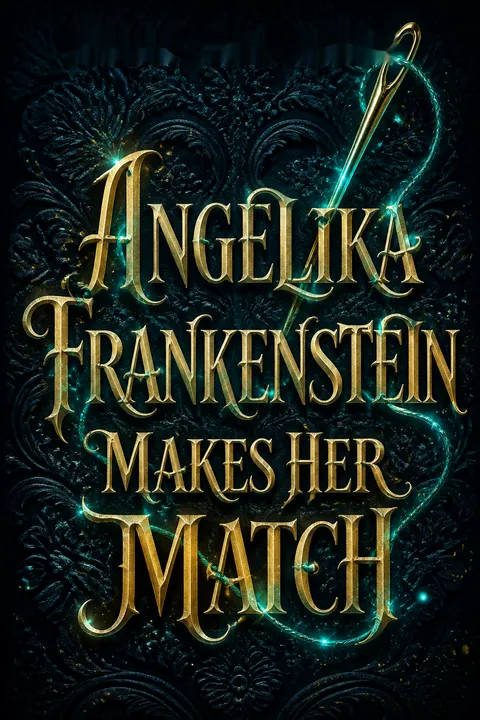
Angelika Frankenstein Makes Her Match is a bold, witty, and deeply heartfelt reimagining of the Frankenstein myth, blending gothic romance with sharp social commentary. At its core, the novel interrogates the ethics of creation—what it means to love, to be loved, and to take responsibility for the lives we shape. Through Angelika's journey from self-absorption to empathy, the story explores the transformative power of vulnerability, compassion, and community. The resurrection motif serves as both a literal and metaphorical device, challenging the boundaries between science and faith, life and death, self and other. The novel's humor and warmth offset its darker themes, creating a narrative that is as entertaining as it is thought-provoking. Ultimately, the book argues that love—messy, imperfect, and fiercely loyal—is the force that redeems us, binds us together, and gives meaning to our existence. In a world haunted by loss and longing, it is the courage to choose connection, again and again, that makes us truly alive.
Review Summary
Angelika Frankenstein Makes Her Match receives polarized reviews averaging 3.33/5 stars. Supporters praise its absurd, creative premise, witty banter, slow-burn romance, and Gothic atmosphere, calling it fantastically nuts and perfectly weird. Critics find the power dynamics disturbing, citing problematic consent issues around bodily autonomy, uncomfortable sibling interactions in the morgue, excessive crude humor, and unexpectedly heavy religious themes. Many note the premise—a wealthy woman building her ideal man from corpses—is inherently problematic. Several reviewers struggled with the tone shifting between comedy and horror, inconsistent character development, and an unclear love triangle.
People Also Read




Characters
Angelika Frankenstein
Angelika is the emotional heart of the story—a beautiful, intelligent, and passionate woman stifled by isolation and the expectations of her class. Her longing for love drives her to defy convention, creating her own partner in a desperate bid for connection. Angelika's journey is one of self-discovery, as she moves from self-absorption to empathy, learning to use her privilege for the good of others. Her relationship with Will/Arlo is both transformative and redemptive, challenging her to confront the limits of science, the power of faith, and the true meaning of love. Her growth is marked by vulnerability, courage, and an unwavering commitment to those she loves.
Will / Arlo Northcott
Will, later revealed as Father Arlo Northcott, is a man caught between life and death, memory and amnesia. His physical perfection masks deep psychological wounds—pain, confusion, and a yearning for identity. As he recovers, he grapples with questions of agency, faith, and belonging. His relationship with Angelika is fraught with tension and tenderness, as he moves from resentment to gratitude, dependence to partnership. The revelation of his past as a priest adds layers of complexity, forcing him to reconcile his old life with his new one. Ultimately, Arlo's journey is one of acceptance, as he chooses love and life in the face of mortality.
Victor Frankenstein
Victor is both a driving force and a cautionary figure—a brilliant, egotistical man obsessed with legacy and rivalry. His relationship with Angelika is marked by competition, affection, and neglect. Victor's scientific pursuits are both visionary and reckless, leading to unintended consequences for himself and those around him. His journey is one of humility, as he learns to value love, family, and responsibility over personal glory. Victor's eventual willingness to sacrifice for others marks his redemption, and his partnership with Lizzie brings warmth and humor to his character.
Mary
Mary is the backbone of Blackthorne Manor—a tough, loyal, and deeply caring woman who has raised the Frankenstein siblings in the absence of their parents. Her brusque exterior hides a well of love and wisdom, and her guidance shapes Angelika's character. Mary's own history of loss and resilience mirrors the themes of the story, and her eventual acceptance of change and vulnerability is a testament to the power of chosen family. Her relationship with Adam, Victor's creation, adds depth and poignancy to her role.
Adam (Victor's Creation)
Adam is the embodiment of the story's themes of otherness, suffering, and the search for belonging. Created from mismatched parts and rejected by his maker, Adam's journey is one of pain and isolation. His bond with Mary and his interactions with Angelika reveal his capacity for tenderness and loyalty, even as he struggles with rage and alienation. Adam's presence forces the household to confront the consequences of their actions and the limits of compassion. His fate is both tragic and redemptive, as he finds acceptance and purpose in the end.
Lizzie (Elizabeth Lavenza)
Lizzie brings light, humor, and creativity to the story. Her relationship with Victor is passionate and unconventional, challenging social norms and expectations. As Angelika's confidante and future sister-in-law, Lizzie offers support, honesty, and a model of female friendship. Her own journey toward motherhood and partnership is marked by resilience and joy, and her presence helps to heal the wounds of the past.
Commander Christopher Keatings
Christopher represents the path of respectability, adventure, and social acceptance. His courtship of Angelika is sincere and generous, offering her a life of partnership and purpose. Christopher's rivalry with Will/Arlo is both external and internal, forcing Angelika to confront her desires and fears. Though ultimately not chosen, Christopher's character is marked by integrity, adaptability, and a willingness to accept loss with grace.
Clara Hoggett
Clara's story parallels Angelika's in many ways—loss, resilience, and the struggle to provide for her child. Her friendship with Angelika is transformative for both women, as they learn to support and empower each other. Clara's artistic talent and quiet strength add depth to the household, and her eventual partnership with Christopher offers hope for new beginnings.
Sarah
Sarah's journey from timid servant to confident member of the household mirrors the story's themes of empowerment and belonging. Her relationship with Angelika is one of mentorship and mutual respect, and her eventual independence is a testament to the transformative power of kindness and opportunity.
Blackthorne Manor
The manor itself is a character—observant, longing, and ultimately transformed by the actions of its inhabitants. Its decay and renewal mirror the emotional arcs of the family, and its personification adds a layer of gothic atmosphere and meaning to the story. The house's journey from neglect to vibrancy is a metaphor for the healing power of love, community, and change.
Plot Devices
Resurrection and the Ethics of Creation
The central device is the act of resurrection—defying death through a blend of science, artistry, and longing. This act raises questions about agency, consent, and the responsibilities of creators toward their creations. The story explores the consequences of playing God, the unpredictability of life, and the ethical dilemmas inherent in seeking to control fate. Resurrection is both literal and metaphorical, encompassing personal transformation, the healing of relationships, and the renewal of community.
Amnesia and the Search for Identity
Will/Arlo's amnesia serves as a catalyst for the story's exploration of identity, purpose, and the tension between past and present. The search for his true name and history drives the plot, intertwining with themes of love, faith, and self-acceptance. The device allows for suspense, dramatic irony, and the gradual revelation of character and motivation.
Love Triangle and Rivalry
The rivalry between Will/Arlo and Commander Keatings creates emotional tension and tests Angelika's values and desires. The love triangle is used to explore themes of agency, compatibility, and the nature of true partnership. The device also highlights the pressures of class, reputation, and the expectations placed on women.
Personification of Setting
Blackthorne Manor's personification adds depth and atmosphere, serving as a silent witness to the family's struggles and triumphs. The house's decay and renewal mirror the characters' emotional journeys, and its observations provide insight and foreshadowing.
Foreshadowing and Mirroring
The story uses foreshadowing and mirroring to connect characters and events—Angelika and Clara, Will and Adam, Victor and Arlo. These parallels reinforce the themes of loss, redemption, and the possibility of change. The use of recurring motifs—rings, apples, sewing, storms—creates a sense of unity and resonance.
Blending of Genres and Tones
The narrative structure blends gothic atmosphere, romantic longing, and sharp wit, creating a unique tone that is both emotionally resonant and entertaining. The story shifts between moments of horror, humor, and tenderness, reflecting the complexity of love and life.

Download PDF
Download EPUB
.epub digital book format is ideal for reading ebooks on phones, tablets, and e-readers.








































