
Plot Summary
Lottery Winnings, Everything Lost
River Santos's life in Arizona is defined by struggle, hope, and the relentless optimism of her mother, who plays the lottery every week, dreaming of a better life. But when River's father dies in a house fire, everything changes. The fire destroys not just their home, but the foundation of River's world—her father, her sense of safety, and her future. The community rallies, and an anonymous two-million-dollar donation appears in her GoFundMe, but the windfall feels like a cruel joke. River is left with nothing but questions, grief, and a sense that her "luck" has cost her everything she truly valued.
Ashes and Aftermath
In the wake of the fire, River is haunted by the loss of her father and the absence of her mother, who vanished months before. She moves in with her irreverent aunt, Tita Anna, and tries to rebuild her life, but the trauma lingers. The community's kindness is both a balm and a burden, and River's best friend Tawny becomes her anchor. Yet, the mystery of the fire, the missing mother, and the overwhelming donation gnaw at her. River's grief is compounded by the sense that she is living in the ruins of her old life, unable to move forward or let go.
The Mystery Donor
The anonymous donation becomes an obsession for River. She cannot accept the money as a simple act of generosity; it feels like a puzzle she must solve. Every tip at the diner, every kind gesture, is scrutinized for clues. The money is both a lifeline and a source of shame, a reminder of all she's lost and the secrets that now define her existence. River's refusal to spend the money is a silent protest against the randomness of fate and the unresolved questions about her family's destruction.
New Faces, Old Wounds
Logan Evans, a new coworker at Gertie's Diner, is as enigmatic as he is attractive. His aloofness and hidden pain mirror River's own, and their interactions are charged with unspoken tension. Meanwhile, River's ex-boyfriend Noah reappears, reopening old wounds and complicating her fragile sense of stability. The diner becomes a crucible where past and present collide, and River is forced to confront the ways in which grief, guilt, and longing shape her relationships with those around her.
Ghosts in the Diner
River's days at the diner are punctuated by moments of connection and isolation. Logan's presence is both a comfort and a challenge, as he seems to see through her defenses. Tawny's fierce loyalty is a lifeline, but also a reminder of all that River has lost. The specter of her mother's absence looms large, and River's attempts to reach out—through texts, memories, and dreams—are met with silence. The diner, with its routines and rituals, becomes a place where River can almost forget her pain, but never fully escape it.
The Boy Who Left
Noah's return forces River to confront the unresolved pain of their breakup, which occurred just hours before the fire. Their history is a tapestry of love, comfort, and betrayal, and River is torn between the desire for closure and the need to protect herself from further hurt. Noah's presence is a reminder of what was lost—not just a relationship, but a future that once seemed certain. The past refuses to stay buried, and River is left to navigate the treacherous terrain of memory and regret.
Logan's Secrets
Logan's standoffishness hides a well of grief and anger. His mother's death, his fraught relationship with his father, and his own sense of failure mirror River's struggles. As they begin to open up to each other, their connection deepens, but so do the risks. Logan's secrets are dangerous, and his involvement in River's life is more complicated than she realizes. Their burgeoning relationship is a fragile thing, threatened by the weight of the past and the secrets they both keep.
The Weight of Grief
River is plagued by nightmares of the fire and the sense that her mother was there, saving her. The boundaries between memory and hallucination blur, and River's desperate attempts to reach her mother through texts become a form of self-torture. The mystery of the fire, the missing mother, and the anonymous donation become intertwined, and River's need for answers grows more urgent. Grief is a constant companion, shaping every thought and action.
Unanswered Texts
River's texts to her mother go unanswered, but she clings to the hope that her mother is out there, watching over her. The possibility that the donation came from her mother becomes a lifeline, a way to believe that she is still loved and protected. But the silence is deafening, and River is forced to confront the possibility that her mother is truly gone. The ache of absence is a wound that will not heal, and River's search for meaning becomes increasingly desperate.
The Party and the Closet
At a party, River is confronted by the ghosts of her past—Noah, Logan, and the classmates who now treat her like a stranger. The tension between River and Logan comes to a head in a closet, where a passionate kiss shatters the barriers between them. But the moment is fraught with confusion and fear, as both are haunted by secrets they cannot share. The party becomes a crucible where desire, jealousy, and the need for connection collide, leaving River more uncertain than ever.
Kisses and Confessions
River and Logan's relationship deepens, but the secrets between them threaten to destroy what they have found. Logan's guilt over his past actions, his connection to River's father, and his role in the unfolding mystery become impossible to ignore. River is forced to confront the reality that love is not enough to overcome the weight of betrayal and loss. Their confessions are both a balm and a wound, opening the possibility of healing but also the risk of further pain.
The Truth About Fathers
River's search for her birth certificate leads to the discovery of her father's true identity—Jacob Santos, a man with a criminal past. The revelation that her father was responsible for a fatal accident, and that her mother was once engaged to the victim, shatters River's understanding of her family. The past is a labyrinth of secrets, lies, and half-truths, and River is left to piece together the story of who her parents really were—and what that means for her own identity.
The Fire's Shadow
The discovery that Logan wrote threatening notes to her father, and that Noah was the anonymous donor, sends River into a spiral of anger and despair. The people she trusted most have betrayed her, and the foundations of her world are once again reduced to ash. Violence erupts, both physical and emotional, as River is forced to confront the reality that everyone she loves is hiding something. The fire that destroyed her home is mirrored by the inferno of secrets that now threaten to consume her.
Sisterhood and Betrayal
The final, devastating revelation comes when River discovers that Tawny—her best friend, her anchor—has been living a lie. Tawny is actually Emily King, River's half-sister, the child her mother gave up after the accident. Consumed by jealousy and longing, Tawny's actions have been driven by a desperate need for family and belonging. Her confession—that she accidentally killed their mother and set the fire that killed their father—shatters River's last illusions. The bonds of sisterhood are revealed to be both a source of love and a wellspring of betrayal.
Letters from the Past
In the aftermath of the final fire, River is left with nothing but the letters her mother wrote—to her, to Tawny, to the man who destroyed her life and then became her husband. The letters are a testament to the complexity of love, forgiveness, and the human capacity for change. River is forced to confront the reality that her parents were flawed, that love is messy, and that forgiveness is both necessary and impossible. The past cannot be changed, but it can be understood.
The Final Inferno
The fire at the diner is both a literal and metaphorical climax, destroying the last remnants of River's old life. In the chaos, River chooses to save Tawny, her betrayer and her sister, refusing to let hatred define her. The act of rescue is both an act of forgiveness and a refusal to be consumed by the past. The fire leaves scars, both physical and emotional, but it also clears the way for new growth. River's survival is a testament to her resilience and her refusal to be defined by tragedy.
Forgiveness and Unburned Islands
In the aftermath, River begins the slow process of healing. She reconnects with Logan, but on her own terms, choosing to take the time she needs to recover and rediscover herself. The letters from her mother become a guide, a way to make sense of the past and find a path forward. River's music becomes her salvation, a way to transform pain into beauty. The story ends with the promise of new beginnings, the possibility of forgiveness, and the hope that even in the aftermath of destruction, unburned islands remain—places of refuge, resilience, and love.
Analysis
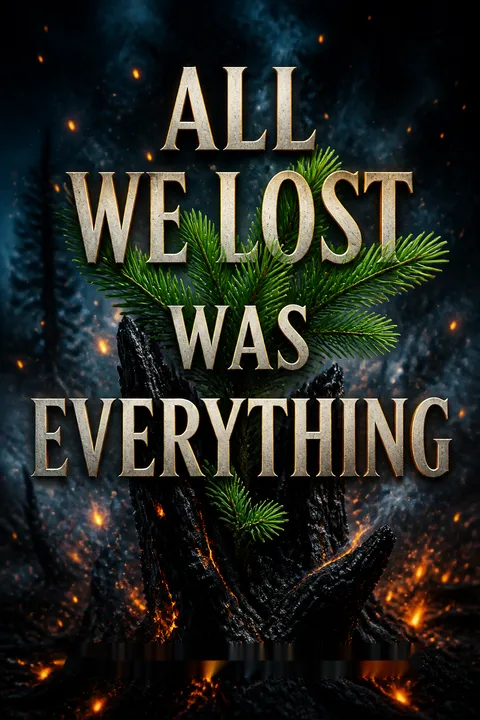
A meditation on grief, forgiveness, and the complexity of loveAll We Lost Was Everything is a powerful exploration of the ways in which trauma, secrets, and longing shape our lives. Through River's journey, the novel interrogates the myth of the perfect family and the dangers of idealizing those we love. The story is unflinching in its portrayal of loss—the loss of parents, of innocence, of trust—but it is equally committed to the possibility of healing. The characters are deeply flawed, their actions often unforgivable, but the novel insists on the necessity of forgiveness—not as an erasure of the past, but as a way to move forward. The use of letters, dreams, and shifting perspectives allows the story to grapple with the ambiguity of memory and the impossibility of absolute truth. Ultimately, the novel's message is one of resilience: that even in the aftermath of unimaginable loss, unburned islands remain—places of hope, love, and the promise of new beginnings. The lessons are hard-won: that family is both chosen and inherited, that love is messy and imperfect, and that the only way out of the fire is through it, together.
Review Summary
All We Lost Was Everything receives mixed reviews with an average 3.77/5 rating. Readers praise the unpredictable plot twists, mystery elements, and fast-paced storytelling. Many found it addictive despite acknowledging weak character development and occasionally awkward romantic scenes. Common criticisms include predictable mysteries, surface-level emotions, inconsistent writing quality, and confusion about target audience—it's marketed as YA but contains explicit content. Several reviewers noted it reads like unedited Wattpad fiction with archetypal characters. The thriller-romance blend resonated with some readers, while others found pacing issues and repetitive elements detracted from the experience.
People Also Read

Characters
River Santos
River is the emotional heart of the story—a young woman devastated by the loss of her father and the disappearance of her mother. Her journey is one of survival, resilience, and the relentless pursuit of answers. River's relationships—with Tawny, Logan, Noah, and her family—are shaped by her longing for connection and her fear of further loss. She is introspective, fiercely loyal, and haunted by guilt and grief. As she uncovers the secrets of her family's past, River is forced to confront the complexity of love, forgiveness, and the possibility of healing. Her development is marked by a gradual acceptance of imperfection—in herself and others—and a hard-won hope for the future.
Tawny McGill / Emily King
Tawny is River's closest friend and confidante, a vibrant, fiercely protective presence who becomes her surrogate family. Beneath her charm and loyalty, however, lies a well of pain and longing. Tawny is, in fact, Emily King—River's half-sister, the child their mother gave up after a tragic accident. Consumed by jealousy and a desperate need for belonging, Tawny's actions are driven by love twisted into obsession. Her accidental killing of their mother and role in the fire that killed their father are acts of both desperation and betrayal. Tawny's psychological complexity lies in her duality: she is both victim and perpetrator, sister and enemy, a mirror of River's own capacity for love and forgiveness.
Logan Evans
Logan is introduced as a standoffish, enigmatic coworker at the diner, but his aloofness hides deep wounds. Haunted by his mother's death due to medical negligence and his fraught relationship with his father, Logan is driven by anger, guilt, and a need for justice. His connection to River is immediate and intense, but complicated by his own secrets—most notably, his role in threatening River's father and his indirect involvement in the family's tragedy. Logan's journey is one of self-forgiveness, vulnerability, and the struggle to be worthy of love. His relationship with River is both a source of healing and a crucible for confronting the past.
Noah Pierce
Noah is River's first love, a source of comfort and stability before the fire. His abrupt breakup with River, motivated by loyalty to his own father and fear of conflict, is a wound that never fully heals. Noah's actions—his anonymous donation, his attempts at reconciliation—are driven by guilt and a desire to make amends, but also by a fundamental inability to confront difficult truths. He is a study in the dangers of avoidance and the limits of good intentions. Noah's arc is one of regret, self-awareness, and the painful recognition that love is not always enough.
Jennifer Cole (River's Mother)
Jennifer is the absent center of the story—a woman marked by loss, trauma, and the impossible choices of youth. Her relationship with River is defined by love and absence, by the secrets she keeps and the letters she leaves behind. Jennifer's past—her first love, the accident that killed him, her decision to give up her first child, and her eventual marriage to the man responsible—shapes the destinies of both her daughters. She is a figure of both strength and fragility, a mother who loves fiercely but is undone by guilt and grief.
Jay / Jacob Santos (River's Father)
Jay is remembered as a devoted, gentle father and a pillar of the community, but his past is marked by tragedy. His role in the accident that killed Jennifer's fiancé and his subsequent efforts at redemption are central to the story's exploration of forgiveness and the possibility of change. Jay's secrets—his true identity, his criminal record, his correspondence with Jennifer—are both a source of pain and a testament to the complexity of human nature. He is a man who tries to do right, but is ultimately undone by the weight of the past.
Tita Anna
Tita Anna is River's lifeline in the aftermath of the fire—a source of humor, comfort, and unconditional love. Her presence is a reminder that family can be chosen as well as inherited. Anna's own struggles and resilience mirror River's, and her willingness to support River through every crisis is a testament to the power of found family. She is both comic relief and emotional anchor, a character whose warmth and wisdom help River find her way back to hope.
Dr. Charles Pierce
Dr. Pierce is a respected surgeon whose relapse and medical negligence lead to Logan's mother's death. His attempts to cover up his actions, his conflict with Jay, and his influence over Noah are central to the story's web of secrets and betrayals. Dr. Pierce is a study in the dangers of pride, the corrosive effects of guilt, and the limits of redemption. His actions have far-reaching consequences, shaping the destinies of multiple families.
Gertie
Gertie is a minor but significant character—a symbol of the community's resilience and the power of small acts of kindness. Her diner is a refuge for River and her friends, a place where the routines of daily life offer solace in the midst of chaos. Gertie's generosity and wisdom are a quiet but steady presence throughout the story.
Emily King (Tawny)
As Tawny's true identity is revealed, Emily becomes a symbol of the story's central themes: the longing for family, the destructive power of secrets, and the possibility of forgiveness. Her actions are both monstrous and deeply human, driven by a need for love that is as understandable as it is tragic. Emily's arc is one of self-destruction and, ultimately, the hope for redemption.
Plot Devices
Interwoven Timelines and Epistolary Fragments
The novel's structure is built on the interplay between present-day events and the gradual revelation of the past through letters, dreams, and recovered documents. The use of epistolary fragments—letters from Jennifer to her daughters, from Jay to Jennifer, and from the past to the present—serves as both a narrative device and a thematic anchor. These fragments allow the story to explore the ways in which secrets, regrets, and acts of love echo across generations. The gradual unspooling of the mystery—who gave the money, who set the fire, who is Tawny—creates a sense of suspense and inevitability, as each revelation brings River closer to the truth and to the possibility of healing.
Unreliable Memory and the Blurring of Reality
River's experience of trauma is rendered through dreams, flashbacks, and moments of dissociation. The boundaries between memory and hallucination are deliberately blurred, reflecting the ways in which grief and guilt can distort reality. The recurring motif of the fire—both literal and metaphorical—serves as a symbol of destruction and transformation. The novel uses foreshadowing and misdirection to keep the reader (and River) uncertain about what is real, what is imagined, and what is yet to be revealed.
The Mystery of Identity and Hidden Connections
The central mysteries of the novel—who donated the money, what happened to River's mother, who set the fire, and who Tawny really is—are all rooted in questions of identity and belonging. The gradual revelation of these secrets is achieved through a combination of investigative action (River's search for her birth certificate, her trip to Canyon Rock City) and emotional confrontation (the unmasking of Tawny, the confessions of Logan and Noah). The use of dramatic irony—where the reader suspects the truth before River does—heightens the emotional impact of each revelation.
The Motif of Fire and Unburned Islands
Fire is both a literal and symbolic force in the novel, representing loss, trauma, and the possibility of new beginnings. The concept of "unburned islands"—patches of forest that survive a wildfire and help regenerate the landscape—serves as a metaphor for resilience, hope, and the enduring power of love. The novel's structure mirrors this motif, as each act of destruction (the fire, the betrayals, the deaths) is followed by the slow, painful process of rebuilding and healing.
Download PDF
Download EPUB
.epub digital book format is ideal for reading ebooks on phones, tablets, and e-readers.








































