
Key Takeaways
1. The Square Foot Gardening Method: Revolutionizing Home Food Production
Gardening shouldn’t be a lot of hard work. Gardening should be fun!
Challenging Tradition. Mel Bartholomew, an engineer, revolutionized gardening by questioning traditional, inefficient methods that involved large plots, excessive watering, constant weeding, and significant waste. He observed that conventional row gardening was labor-intensive and often unproductive, leading many to abandon their hobby. His analytical mind sought practical solutions to these common frustrations.
Efficiency Redefined. The Square Foot Gardening (SFG) method emerged as a direct rebellion against conventional wisdom, offering a system that is dramatically more efficient and enjoyable. It focuses on growing more food in less space with less waste of time, materials, and money. This approach makes gardening accessible and rewarding for everyone, from novices to seasoned growers.
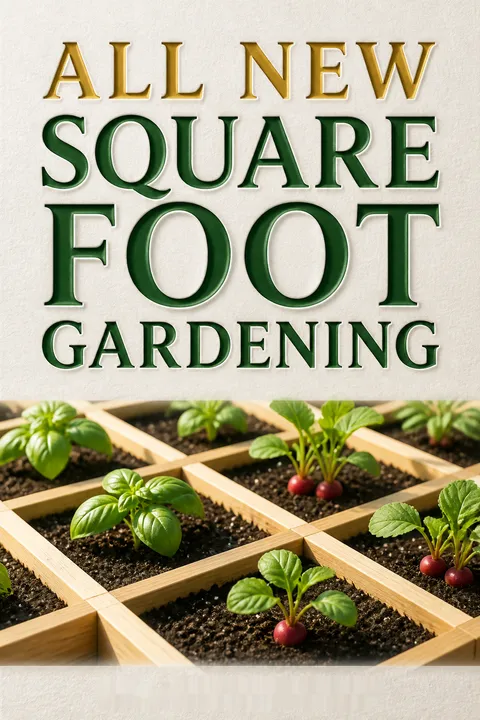
Core Benefits. SFG eliminates the need for tilling, reduces weeding to almost nothing, and uses significantly less water and fertilizer. A single 4x4 foot raised bed, subdivided into 16 squares, can produce a substantial amount of food for a family. This efficiency transforms gardening from a chore into a delightful and productive activity.
2. Mel's Mix: The Foundation of Unparalleled Garden Productivity
Mel’s Mix is always ready to plant in any weather and in any location.
The Magical Medium. At the heart of Square Foot Gardening's success is "Mel's Mix," a specially formulated growing medium that replaces traditional garden soil. This unique blend consists of equal parts garden compost, peat moss (or suitable alternatives like coconut coir), and coarse vermiculite. It's designed to provide optimal conditions for plant growth without the drawbacks of native soil.
Superior Properties. Mel's Mix offers several key advantages over conventional soil. It is inherently loose, friable, and perfectly balanced in pH, eliminating the need for soil testing or amendments. Its excellent water retention properties mean less frequent watering, while its superb drainage prevents roots from drowning. Furthermore, it is free of weed seeds and pathogens, drastically reducing maintenance.
Nutrient-Rich and Sustainable. The compost component of Mel's Mix provides all the necessary nutrients, minerals, and trace elements plants need, making additional fertilizers largely unnecessary for the first 7-10 years. This organic approach ensures healthy, chemical-free produce. Replenishing only the compost after each harvest maintains the mix's vitality, making it a sustainable and long-lasting solution.
3. Strategic Garden Design: Optimizing Space and Accessibility
Gardens are more efficient when you can admire them and tend them easily, rather when planted close to your house, not in a distant plot.
Location, Location, Location. The first step in designing your Square Foot Garden is choosing the ideal location. Proximity to your home is crucial for convenience, encouraging frequent interaction and easy tending. The site should receive 6 to 8 hours of direct sunlight daily, be away from trees and shrubs (to avoid shade and root intrusion), and avoid low-lying areas prone to water pooling.
Flexible Box Configurations. SFG boxes are adaptable to almost any space. While the classic 4x4 foot box is popular for its accessibility from all sides, other shapes and sizes can fit narrow areas or cater to specific needs.
- Standard: 4x4 feet (16 squares) for easy access.
- Narrow: 2x8 feet for fences or tight spaces.
- Kids/Small Spaces: 3x3 feet (9 squares) or even 1x1 foot boxes.
- Elevated: Table-height boxes for seniors or wheelchair users.
- Vertical: Pyramid or tiered designs for visual interest and deeper roots.
Aisles and Accessibility. Mel Bartholomew emphasized maintaining at least 3-foot-wide aisles between boxes. This spacing allows comfortable movement, prevents soil compaction within the beds, and simplifies gardening tasks. Thoughtful layout ensures that your garden is not only productive but also a pleasant and accessible part of your outdoor living space.
4. Vertical Gardening: Maximizing Yields and Minimizing Pests
Mel Bartholomew himself said this was the innovation that really moved Square Foot Gardening into another realm—Square Foot Gardening was the first technique that demonstrated that many traditional ground-vine vegetables actually love to grow vertically.
Unlocking Vertical Space. A cornerstone of SFG's efficiency is vertical gardening, which allows vining plants to grow upward rather than sprawling across the ground. This innovation dramatically saves space, making it possible to cultivate a wider variety of crops in a compact area. It transforms the garden into a visually stunning "green wall" of healthy, twining plants.
Healthier Plants, Easier Harvest. Growing vertically offers numerous benefits for plant health and gardener convenience.
- Improved Air Circulation: Reduces fungal problems and rot.
- Increased Sun Exposure: Promotes stronger growth and higher yields.
- Pest Reduction: Keeps plants away from ground-dwelling pests like slugs.
- Easier Harvesting: Fruits are at eye level, making picking simple and clean.
- Aesthetic Appeal: Adds a beautiful, dynamic element to the landscape.
Simple, Sturdy Structures. Vertical supports are typically built along the north side of the SFG box to prevent shading other plants. Common materials include metal conduit frames with nylon mesh netting, or wooden frames with welded steel wire fencing. Even heavy crops like pumpkins can be successfully grown vertically with adequate support, demonstrating the method's surprising strength and adaptability.
5. Precision Planting: Cultivating Diversity and Eliminating Waste
Why plant hundreds of seeds in one long row and then turn around when they sprout and thin them out to one plant for every 6 inches? It’s all a terrible waste of seeds and time and work—all useless, unnecessary work.
No More Wasteful Thinning. Square Foot Gardening rejects the traditional practice of sowing seeds thickly and then thinning out seedlings. Instead, it advocates for precise planting, placing exactly the number of seeds needed for each grid square. This conserves seeds, reduces labor, and ensures every plant has optimal space to thrive. A single seed packet can last for several years when stored properly.
Visualizing Density. The SFG method categorizes vegetables into four classes based on their mature size, guiding planting density within each 1-foot square:
- Extra-large: 1 plant per square (e.g., broccoli, cabbage, tomatoes).
- Large: 4 plants per square (e.g., leaf lettuce, Swiss chard).
- Medium: 9 plants per square (e.g., beans, beets, peas).
- Small: 16 plants per square (e.g., carrots, radishes, onions).
Gardeners simply draw rough lines in the Mel's Mix to guide their precise placement.
Fostering Diversity. Unlike monoculture row gardens, SFG encourages deliberate diversity by planting different vegetable types in adjacent grid squares. This strategy prevents overplanting of any single crop and acts as a natural defense against species-specific pests and diseases. A diverse garden is more resilient, healthier, and visually appealing, ensuring a varied and continuous harvest.
6. Effortless Maintenance: Gardening with Minimal Tools and Time
The only tools you need for a Square Foot Garden are a hand trowel, a pencil, and a pair of scissors or small pruner.
Goodbye, Heavy Labor. Square Foot Gardening dramatically simplifies garden maintenance, eliminating the need for power tillers, hoes, and extensive tool collections. The inherent qualities of Mel's Mix mean no annual tilling is required, as the medium remains loose and friable. This shift transforms gardening from backbreaking work into a relaxing and enjoyable pastime.
Weeding Becomes Obsolete. One of the most striking benefits is the near absence of weeds. Mel's Mix is sterile and weed-free, and the landscape fabric lining the box prevents weeds from growing up from below. Any stray weed seeds carried by wind are easily plucked from the loose growing medium with just fingers, making weeding a quick, occasional task rather than a constant battle.
Efficient Watering and Feeding. SFG requires less water than traditional gardens, and Mel's preferred method involves a sun-warmed bucket and a cup, applying water directly to the plant's root zone only when needed. This conserves water and promotes strong root systems. Furthermore, Mel's Mix provides all necessary nutrients, so additional fertilizers are rarely, if ever, needed, simplifying feeding to a simple compost replenishment after each harvest.
7. Extend Your Harvest: Enjoy Fresh Produce Year-Round
In all but the coldest climates, you can likely get two to three crops a year out of each grid square in your garden.
Prolonging the Season. Square Foot Gardening allows for a significantly extended growing season, often adding 30 to 50 percent more productivity. This is achieved by strategically planting cool-season crops early in spring and late in fall, and even cultivating certain vegetables through mild winters. The raised beds and Mel's Mix warm up faster in spring and retain warmth longer in fall, giving plants a head start and a prolonged finish.
Protective Measures. Simple accessories can shield plants from extreme temperatures, enabling earlier planting and later harvesting.
- Clear Plastic Covers: Spread over beds to warm soil in early spring.
- Protective Domes/Cages: PVC or wire frames covered with plastic or shade cloth protect seedlings from frost, harsh sun, or wind.
- Mulch: A thick layer helps regulate soil temperature, keeping it cool in summer and warm in fall.
Fall and Winter Gardening. As summer wanes, gardeners can rotate squares to frost-hardy cool-season crops like kale, spinach, and radishes, which often taste sweeter after a light frost. In milder climates (USDA Zones 5+), dedicated winter gardens with insulated boxes and tight-fitting covers can even yield fresh salads during the coldest months, turning gardening into a year-round endeavor.
8. Natural Pest and Disease Management: A Healthier Garden Ecosystem
Square Foot Gardens are just far less susceptible and inviting to pests and diseases than row gardens are.
Inherent Resilience. Square Foot Gardens naturally experience fewer pest and disease problems compared to traditional row gardens. This is primarily due to the sterile nature of Mel's Mix, which is free of common soil-borne pathogens, and the deliberate diversity of planting. Interspersing different species makes it difficult for any single pest or disease to devastate a large portion of the garden.
First Line of Defense: Physical Barriers. The most environmentally conscious approach to pest control in SFG is prevention through physical barriers.
- Wire Cages: Simple chicken wire frames protect against larger animals like rabbits, raccoons, and even family pets.
- Floating Row Covers: Fine mesh nets placed over young plants deter egg-laying insects like cabbage moths.
- Cardboard Collars: Protect individual seedlings from cutworms.
Organic Solutions and Vigilance. When pests do appear, organic treatments and manual removal are preferred. Handpicking larger insects like hornworms or washing off aphids with a hose are effective first steps. For more persistent issues, natural sprays like homemade garlic spray or Neem oil can be used. Regular inspection during daily garden strolls allows for early detection and swift action, preventing minor issues from escalating.
9. Continuous Harvest and Replanting: The Cycle of Abundance
A little bit of this, a little bit of that . . . you don’t have to wait for the plant to mature to its maximum size.
Harvesting at Peak Ripeness. Knowing when to harvest is key to enjoying the best flavor and encouraging continuous production. Many leafy greens and herbs can be harvested continuously by snipping outer leaves, which delays bolting and keeps plants productive longer. Fruits and root vegetables have specific ripeness indicators, from color changes to firmness, ensuring they are picked at their prime.
The 60-Second Replant. As soon as a grid square's crop is harvested, it's immediately prepared for the next planting. This quick turnaround is a hallmark of SFG efficiency. The process is simple:
- Remove any remaining plant debris.
- Add one trowel of fresh compost to replenish nutrients.
- Mix the compost into the existing Mel's Mix and smooth the surface.
This rapid rejuvenation allows for multiple crop rotations within a single season, maximizing the yield from each square.
Smart Crop Rotation and Storage. While Mel's Mix negates the traditional need for nutrient-based crop rotation, it's still wise to plant a different crop in a square after harvest to prevent the buildup of species-specific pests or pathogens. Proper handling and storage of harvested produce, whether through short-term refrigeration, freezing, drying, or canning, ensures that the garden's bounty can be enjoyed throughout the year, minimizing waste.
10. Beyond the Backyard: Cultivating Community and Education
“End world hunger.” That’s the mission of the Square Foot Gardening Foundation, articulated by Mel Bartholomew, the inventor of Square Foot Gardening and founder of the Square Foot Gardening Foundation.
A Global Vision. Mel Bartholomew envisioned Square Foot Gardening as more than just a home gardening method; he saw its potential to address global food insecurity and transform communities. The Square Foot Gardening Foundation actively spreads this message, demonstrating how efficient, self-sufficient gardening can empower individuals and improve lives worldwide, even in challenging climates.
Community Gardens and Education. SFG is ideally suited for community outreach projects due to its ease of maintenance and high productivity in small spaces.
- Neighborhood Hubs: Community SFG plots foster relationships, boost pride, and provide fresh, healthy food for those in need, including homeless shelters and food banks.
- School Programs: SFG offers hands-on learning opportunities in math, science, biology, and self-sufficiency, engaging children and fostering a love for nature.
- Therapeutic Gardens: Elevated SFG boxes provide accessible recreational and occupational therapy for seniors and individuals with physical limitations.
Empowering Instructors. The Square Foot Gardening Foundation offers certification programs for instructors, equipping them with the expertise to teach the method and make a positive impact. These certified instructors lead seminars, establish gardens in diverse settings, and help others achieve food independence, embodying Mel's dream of changing the world, one square foot at a time.
People Also Read


Download PDF
Download EPUB
.epub digital book format is ideal for reading ebooks on phones, tablets, and e-readers.








































