Ideas clave
1. The menstrual cycle is a vital sign of overall female health
...el ciclo menstrual es un signo vital y la menstruación es un buen indicador de salud.
A biological barometer. The menstrual cycle is far more than a monthly inconvenience or a mere reproductive mechanism; it serves as an essential indicator of a woman's overall physiological well-being. Just like blood pressure or heart rate, the regularity, duration, and characteristics of a woman's cycle reflect the intricate balance of her endocrine, metabolic, and nervous systems. When the cycle deviates from its normal parameters, it is often the first warning sign of underlying systemic imbalances.
Identifying abnormal patterns. Monitoring the cycle from adolescence allows for the early detection of potential health issues that could manifest as chronic conditions in adulthood. For instance, irregular cycles can point to bone density risks, thyroid dysfunctions, or metabolic disorders. Key indicators of a healthy cycle include:
- A cycle length typically ranging between 23 and 35 days.
- A bleeding duration of 3 to 5 days (excluding light spotting).
- A total blood loss of 50 ml to 80 ml per cycle.
- The absence of severe, debilitating pain or large blood clots.
A call to action. Rather than suppressing irregular cycles with synthetic hormones like birth control pills—which merely mask symptoms without addressing the root cause—women should view cycle irregularities as an invitation to investigate their lifestyle. True hormonal health is achieved by addressing nutrition, stress management, sleep quality, and physical activity. By treating the cycle as a vital sign, women can actively participate in their long-term preventative healthcare.
2. Menstruation acts as a natural detoxification and purification process
La menstruación es una herramienta muy poderosa. Es un sistema de autolimpieza que solo posee el cuerpo femenino y que nos renueva física y energéticamente.
A unique cleansing mechanism. Menstruation is a biological luxury exclusive to the female body, serving as a powerful monthly system of physical and energetic renewal. The menstrual fluid is not merely blood; it is a complex mixture of endometrial tissue, vaginal secretions, stem cells, and immune factors. Crucially, research shows that this process also helps eliminate heavy metals and environmental toxins, such as endocrine disruptors, from the female system.
Deconstructing societal taboos. Despite its profound biological utility, modern society continues to treat menstruation as something dirty, shameful, and inconvenient to be hidden or suppressed. This cultural narrative encourages women to ignore their cyclical needs and maintain a linear, highly productive lifestyle even during their bleeding phase. To reclaim this power, women must reject the cultural mandate of menstrual invisibility and embrace their cycle's natural rhythm:
- Acknowledge that menstrual blood is a symbol of life and health, not waste.
- Allow the body to rest and slow down during the first days of bleeding.
- Transition to sustainable menstrual products, like organic cotton or silicone cups, to avoid toxic exposure.
Honoring the rest phase. Because the process of shedding the uterine lining and filtering toxins requires significant metabolic energy, feeling tired or introverted during menstruation is entirely natural. Honoring this need for rest and self-care is not a sign of weakness, but a vital practice for maintaining hormonal harmony. By aligning daily activities with this natural downtime, women can optimize their body's purification process and enter the next cycle revitalized.
3. Seed cycling naturally balances estrogen and progesterone phases
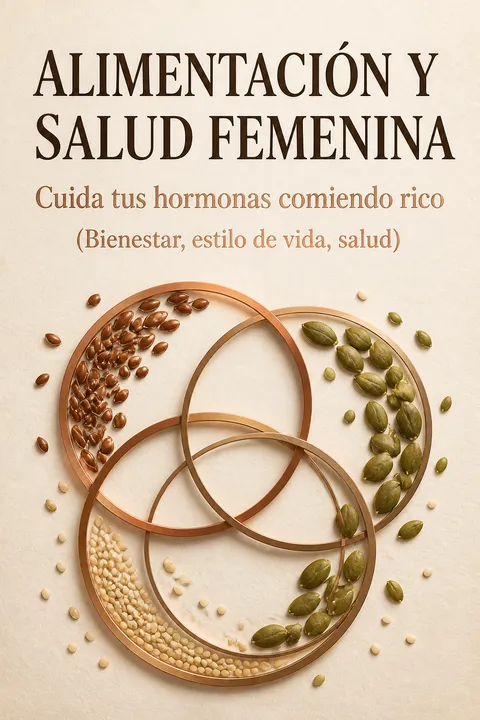
Se basa en cuatro semillas específicas que apoyan el equilibrio hormonal: lino, calabaza, sésamo y girasol.
Phased nutritional support. Seed cycling is a gentle, food-based therapeutic method designed to support the body's natural hormonal fluctuations throughout the menstrual cycle. By consuming specific seeds during different phases, women provide their bodies with the precise fatty acids, vitamins, minerals, and phytoestrogens needed to synthesize, metabolize, and eliminate hormones. This practice helps alleviate common symptoms of hormonal imbalance, such as acne, irregular periods, and premenstrual syndrome (PMS).
The two-phase protocol. The seed cycling protocol is divided into two distinct phases that mirror the follicular and luteal stages of the menstrual cycle. During the first half, the focus is on supporting estrogen production and healthy metabolism, while the second half prioritizes progesterone synthesis and calcium absorption. The protocol is structured as follows:
- Days 1 to 14 (Follicular Phase): Consume 1 tablespoon each of freshly ground flaxseeds (lino) and pumpkin seeds (calabaza) daily to support estrogen.
- Days 15 to 28 (Luteal Phase): Consume 1 tablespoon each of freshly ground sesame seeds (sésamo) and sunflower seeds (girasol) daily to boost progesterone.
Adaptability and consistency. For women experiencing amenorrhea or irregular cycles, seed cycling can be aligned with the phases of the moon—starting the follicular seeds on the new moon and switching to luteal seeds on the full moon. The lignans and essential fatty acids in these seeds act as natural modulators, helping the liver process excess hormones and preventing estrogen dominance. Consistent daily practice over three to four cycles is typically required to observe significant improvements in hormonal symptoms.
4. Nutritional deficiencies and stress are the primary drivers of amenorrhea
En la mayoría de las ocasiones la amenorrea no es únicamente una anormalidad reproductiva, sino una mezcla de irregularidades neuroendocrinas.
The brain-ovary disconnection. Amenorrhea, the absence of menstruation for three or more months, is not merely a reproductive failure but a complex neuroendocrine survival response. When the brain (specifically the hypothalamus) perceives that the body is under threat from high stress, low energy availability, or excessive physical exertion, it shuts down the reproductive axis. This evolutionary mechanism ensures that a woman does not expend precious energy on a pregnancy during times of famine or danger.
Identifying the root causes. Hypothalamic amenorrhea is frequently driven by a combination of lifestyle factors that signal scarcity to the brain. Low body fat percentages, restrictive diets, and chronic stress deplete the body's reserves, causing a drop in the hormone leptin, which is essential for triggering ovulation. Common triggers include:
- A body fat percentage falling below the critical threshold of 18-20%.
- Chronic psychological stress or sleep deprivation that elevates cortisol and adrenaline.
- Excessive cardiovascular exercise combined with inadequate caloric intake (the "female athlete triad").
- Severe nutrient deficiencies, particularly of healthy fats, zinc, and thyroid-supporting minerals.
A holistic recovery path. Restoring a lost period requires a comprehensive shift in lifestyle that prioritizes safety, nourishment, and rest. Women must increase their caloric intake, incorporate healthy fats and proteins into their breakfasts, and significantly reduce high-intensity exercise. Additionally, adaptogenic herbs like Ashwagandha can help modulate the adrenal stress response, allowing the hypothalamus to safely reactivate the hormonal signal to the ovaries.
5. Dismenorrea (painful periods) is driven by chronic inflammation and lifestyle
Es fundamental mantener un estilo de vida antiinflamatorio que nos ayude a reducir los niveles de esa inflamación crónica...
Prostaglandins and pain. While mild uterine cramping during the first days of menstruation is a normal physiological response to prostaglandins helping the uterus contract, severe, debilitating pain (dismenorrea) is abnormal. Debilitating menstrual pain is a clear sign of systemic, chronic inflammation that amplifies the body's pain pathways. This inflammatory state is heavily influenced by daily dietary choices, stress levels, and environmental exposures.
Inflammatory triggers to avoid. To reduce the severity of menstrual cramps, women must identify and eliminate the lifestyle factors that fuel chronic inflammation throughout the month. Suppressing the pain with over-the-counter NSAIDs like ibuprofen only provides temporary relief without addressing the underlying inflammatory environment. Key inflammatory triggers to eliminate include:
- Refined sugars and processed foods that disrupt the gut microbiome and cause insulin spikes.
- A1 beta-casein found in conventional cow's milk, which can irritate the digestive tract and trigger immune responses.
- Refined vegetable oils (such as sunflower or corn oil) that are high in pro-inflammatory omega-6 fatty acids.
- Alcohol and tobacco, which impair the liver's ability to detoxify and eliminate excess estrogen.
Anti-inflammatory nourishment. Transitioning to an anti-inflammatory lifestyle involves flooding the body with nutrients that naturally modulate the inflammatory response. Consuming omega-3 fatty acids from small wild-caught fish, magnesium-rich leafy greens, and therapeutic spices like turmeric and ginger can dramatically reduce menstrual pain. Additionally, topical application of magnesium oil on the abdomen can help relax uterine muscles and alleviate acute cramping.
6. Polycystic Ovary Syndrome (PCOS) is a metabolic and endocrine disorder, not just a gynecological one
...esta es una condición metabólica global, no de un problema ginecológico que se asocia únicamente a los ovarios.
A systemic metabolic condition. Polycystic Ovary Syndrome (PCOS) is one of the most common endocrine disorders in women, yet it is widely misunderstood as a simple ovarian issue. In reality, PCOS is a complex metabolic condition deeply intertwined with insulin resistance, chronic low-grade inflammation, and adrenal dysfunction. The presence of "cysts" on the ovaries is actually a collection of immature follicles that failed to ovulate due to hormonal imbalances, and is not even required for a diagnosis.
The diverse phenotypes of PCOS. PCOS does not manifest the same way in every woman, which is why a personalized approach to treatment is essential. The medical community categorizes PCOS into different phenotypes based on the primary driver of the symptoms, which can include:
- Metabolic PCOS: Driven by insulin resistance, leading to weight gain, sugar cravings, and elevated male hormones (androgens).
- Adrenal PCOS: Driven by an overactive stress response (HPA axis), often occurring in women of normal or low weight.
- Post-Pill PCOS: A temporary surge in androgens and delayed ovulation that occurs after discontinuing synthetic birth control.
Dietary and lifestyle management. Managing PCOS successfully requires addressing the specific root cause rather than relying on the birth control pill to force a withdrawal bleed. For metabolic PCOS, eliminating refined sugars, incorporating high-quality protein powders, and practicing strength training are vital for improving insulin sensitivity. For adrenal PCOS, stress reduction, adequate sleep, and avoiding restrictive low-carb diets are paramount to calming the nervous system and restoring regular ovulation.
7. Endometriosis requires a strict anti-inflammatory diet and gut health management
La endometriosis es una patología ginecológica inflamatoria, dolorosa y crónica que afecta a una de cada diez mujeres y que, por el momento, no tiene cura.
An invasive inflammatory disease. Endometriosis is a chronic, painful condition where tissue similar to the lining of the uterus (the endometrium) grows outside the uterine cavity, invading pelvic organs, ovaries, and even the digestive tract. This ectopic tissue responds to the hormonal signals of the menstrual cycle, bleeding and causing severe inflammation, scarring, and adhesions. Because there is currently no medical cure, managing endometriosis requires a multi-faceted approach centered on reducing systemic inflammation and supporting immune function.
The gut-endometriosis connection. Emerging scientific research highlights a profound link between the gut microbiome and the progression of endometriosis, a relationship often referred to as the "estrobolome." A compromised gut barrier (leaky gut) and bacterial dysbiosis can trigger an immune response that worsens pelvic inflammation and impairs the body's ability to excrete excess estrogen. Key dietary strategies for managing endometriosis include:
- Consuming cruciferous vegetables (like broccoli and Brussels sprouts) rich in indole-3-carbinol to support estrogen detoxification.
- Increasing intake of marine-derived omega-3 fatty acids (EPA and DHA) to naturally inhibit inflammatory pathways.
- Incorporating antioxidant-rich foods containing quercetin (such as red onions and apples) and curcumin to reduce oxidative stress.
A comprehensive lifestyle shift. Beyond dietary changes, women with endometriosis must minimize their exposure to environmental toxins, particularly endocrine-disrupting chemicals (EDCs) found in conventional plastics, pesticides, and personal care products. Supporting the liver's detoxification pathways through hydration and liver-friendly herbs is also crucial. By combining an anti-inflammatory diet with gut healing and toxin reduction, women can significantly alleviate the debilitating pain associated with this condition.
8. The thyroid gland is the master regulator of female reproductive health
Dependiendo de la cantidad de hormona que produzca nuestra tiroides, ya sea mucha (hipertiroidismo) o poca (hipotiroidismo), nos podemos sentir activas o cansadas, o podemos bajar o subir de peso con facilidad.
The metabolic engine. The thyroid is a small, butterfly-shaped gland that acts as the master regulator of the body's metabolism, energy production, and cellular function. Because every cell in the female reproductive system has thyroid hormone receptors, the health of the thyroid directly dictates the health of the ovaries, uterus, and menstrual cycle. When thyroid function is compromised, it sends shockwaves through the entire endocrine system, leading to menstrual irregularities, fertility struggles, and mood disorders.
Hypothyroidism vs. Hyperthyroidism. Thyroid imbalances typically manifest as either an underactive gland (hypothyroidism) or an overactive gland (hyperthyroidism), each presenting a distinct set of physical and hormonal symptoms. Women are significantly more prone to these disorders, particularly autoimmune thyroiditis (Hashimoto's disease), which requires careful lifestyle management. The two states are characterized by:
- Hypothyroidism: Symptoms include fatigue, feeling cold, constipation, weight gain, dry skin, hair loss, and heavy, painful periods.
- Hyperthyroidism: Symptoms include unexplained weight loss, rapid heart rate, anxiety, heat intolerance, insomnia, and light or absent periods.
Nutritional support for thyroid health. Supporting the thyroid requires providing the body with essential micronutrients while avoiding foods that can interfere with hormone synthesis. For hypothyroidism, ensuring adequate intake of iodine (from sea vegetables), selenium (from Brazil nuts), zinc, and vitamin D is crucial, while minimizing raw goitrogenic foods like uncooked cruciferous vegetables. Conversely, those with hyperthyroidism must avoid excess iodine and focus on cooling, nutrient-dense foods to calm the metabolic fire.
9. The gut microbiome (microbiota) directly regulates hormonal balance and estrogen elimination
...todo el cuerpo está conectado, y las funciones que de-sarrolla el sistema gastrointestinal no solo tienen que ver con la asimilación de nutrientes, sino también con la síntesis de neurotransmisores como la serotonina, y con la reactivación o eliminación de hormonas sexuales como los estrógenos.
The estrobolome and hormone clearance. The gut microbiome is a vast ecosystem of trillions of microorganisms that plays a central role in regulating female hormones, particularly estrogen. A specific group of gut bacteria, known as the "estrobolome," produces an enzyme called beta-glucuronidase, which determines whether estrogen is safely excreted from the body or reabsorbed into the bloodstream. When the gut is in a state of dysbiosis (imbalance), this process is disrupted, leading to estrogen dominance and associated conditions like PMS, fibroids, and endometriosis.
The second brain. The gut is also referred to as the "second brain" because it contains millions of neurons and produces the vast majority of the body's neurotransmitters, including 95% of serotonin (the happiness molecule) and 50% of dopamine. Consequently, digestive health directly influences mood, anxiety levels, and cognitive function throughout the menstrual cycle. To assess gut health, women can monitor their digestive patterns using the Bristol Stool Chart:
- Types 1 and 2 indicate constipation, which can lead to the reabsorption of toxins and hormones.
- Types 3 and 4 represent healthy, optimal bowel movements.
- Types 5, 6, and 7 indicate loose stools or diarrhea, pointing to malabsorption and inflammation.
Nourishing the microbial ecosystem. Cultivating a diverse and resilient microbiome requires a diet rich in prebiotic fibers, fermented foods, and mindful eating habits. Incorporating traditional fermented foods like sauerkraut, kimchi, kefir, and kombucha introduces beneficial live cultures that support gut integrity. Additionally, practicing slow eating, thorough mastication, and avoiding drinking large amounts of water during meals helps maintain the stomach acid necessary for proper digestion and pathogen defense.
10. Fertility is a cooperative biological process heavily influenced by environmental toxins
La fecundación no es un evento aleatorio: el óvulo puede preferir o evitar espermatozoides.
An active biological choice. Modern science has debunked the old narrative of the passive egg waiting to be penetrated by the fastest, most aggressive sperm. We now know that fertilization is a highly cooperative and selective process where the egg actively chooses or rejects sperm based on genetic compatibility and health. This revolutionary understanding shifts the focus of fertility from a competitive race to a harmonious biological dialogue that requires both partners to optimize their cellular health.
The threat of endocrine disruptors. One of the greatest modern obstacles to conception is the ubiquitous presence of endocrine-disrupting chemicals (EDCs) in our daily environments. These synthetic toxins mimic natural hormones, blocking receptor sites and disrupting the delicate communication between the brain and the reproductive organs. To protect fertility, couples must actively reduce their toxic load by:
- Avoiding heating food in plastic containers, which releases harmful bisphenols (BPA) and phthalates.
- Choosing organic produce and grass-fed meats whenever possible to avoid pesticide and synthetic hormone exposure.
- Refusing thermal paper cash register receipts, which are coated in highly absorbable BPA.
- Filtering drinking water to remove heavy metals, chlorine, and pharmaceutical residues.
Optimizing preconception health. Preparing the body for pregnancy should begin at least three to six months before active trying, focusing on nutrient density and stress reduction. Essential nutrients like folate, zinc, selenium, and vitamin D are critical for egg and sperm quality, while chronic stress must be managed to prevent cortisol from suppressing ovulation. Additionally, addressing oral health is vital, as periodontal disease and gum inflammation are clinically linked to delayed conception and pregnancy complications.
11. Pregnancy and postpartum require targeted, trimester-specific nutrition and hydration
El embarazo forma parte de la vida sexual femenina. Es otra fase de la evolución hormonal, que, como suele ocurrir en el cuerpo femenino, conlleva una transformación en todas las esferas.
A profound physical transformation. Pregnancy and the subsequent postpartum period represent a monumental shift in a woman's biochemistry, requiring targeted nutritional support to sustain both mother and child. During gestation, hormones like estrogen, progesterone, and prolactin skyrocket to support fetal development and prepare the body for lactation. This rapid transformation demands a highly adaptable diet that addresses the unique physiological needs of each trimester and the critical recovery phase of the puerperium.
Trimester-specific nutritional focus. As the baby grows, the mother's nutritional requirements shift to support different stages of development. Rather than "eating for two" in terms of volume, the focus must be on nutrient density and avoiding substances that could harm the developing fetus. The journey requires distinct dietary adjustments:
- First Trimester: Focus on folate-rich leafy greens to prevent neural tube defects, and use fresh ginger to naturally alleviate morning sickness.
- Second Trimester: Increase intake of omega-3 fatty acids (DHA) for fetal brain and retina development, and ensure adequate sun exposure for vitamin D.
- Third Trimester: Consume iron-rich foods and fiber to prevent late-pregnancy anemia and constipation, and prepare for the physical demands of labor.
The sacred postpartum recovery. The postpartum period, or puerperium, is a highly demanding phase where the mother's body must heal from birth while simultaneously producing nutrient-rich breast milk. Hydration is paramount, requiring the mother to drink 2 to 3 liters of water daily, ideally linking drinking water with every nursing session. Consuming collagen-rich bone broths, healthy fats, and mineral-dense foods like tahini supports tissue repair, replenishes depleted nutrient stores, and helps prevent postpartum depletion.
12. The menopause transition (climacteric) is a natural evolution toward female wisdom and vitality
Reapropiarnos de la terminología, de esas palabras que representan los distintos estados hormonales (menstruación, menopausia, climaterio, puerperio…), y de la biología es el primer paso para hacer visible la menopausia y otorgarle un lugar en esta sociedad.
Reclaiming the second spring. In many Western cultures, menopause is feared and pathologized as a disease of aging and decline, whereas Eastern traditions honor it as the "Second Spring"—a time of profound renewal, wisdom, and personal liberation. The transition, known medically as the climacteric, is a gradual multi-year process of hormonal recalibration rather than a sudden event. By reframing this transition as a natural biological evolution, women can step into their power and navigate the physical changes with grace and confidence.
Navigating physical changes. As ovarian function declines, the body naturally reduces its production of estrogen and progesterone, leading to systemic shifts that require lifestyle adaptations. Understanding these changes allows women to proactively support their cardiovascular, bone, and vaginal health. Key areas of focus during the climacteric include:
- Managing Hot Flashes: Identifying personal triggers such as alcohol, caffeine, sugar, and stress, and utilizing deep diaphragmatic breathing.
- Preserving Bone Density: Engaging in regular strength training and ensuring optimal levels of vitamin D, calcium, and vitamin K2.
- Supporting Vaginal Health: Utilizing natural moisturizers like sea buckthorn oil (espino amarillo) and maintaining pelvic blood flow through regular sexual activity or orgasms.
A time for self-prioritization. The hormonal shifts of the climacteric naturally draw a woman's focus inward, urging her to prioritize her own needs, boundaries, and creative desires after decades of caring for others. Supporting this transition nutritionally involves incorporating phytoestrogens from fermented soy (tempeh, miso) and flaxseeds, which gently modulate estrogen receptors. By embracing this stage of life with nutrient-dense foods, regular movement, and deep self-care, women can enjoy a vibrant, healthy, and deeply fulfilling maturity.
Descargar PDF
Descargar EPUB
.epub digital book format is ideal for reading ebooks on phones, tablets, and e-readers.








































