
Plot Summary
The Sacred Summoning
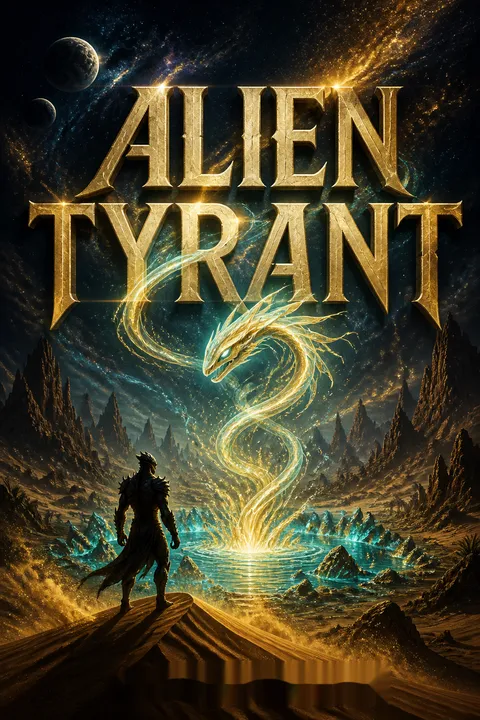
In the deep desert night, Buroudei, a warlord of the Sea Sands, is summoned by the mystical Lavrika—a sacred, serpentine being that chooses mates for the tribe's leaders. The Lavrika leads him to the glowing pools, where he is shown a vision of his fated mate: a pale, strange woman unlike any he's ever seen. The vision is powerful, awakening a longing and bond within him that is both exhilarating and terrifying. He cannot understand why fate would choose such an alien mate, but the pull is undeniable. This moment sets Buroudei on a path that will upend his tribe, his heart, and the very future of his people.
Abduction at Dawn
Cece, a linguistics PhD student in Toronto, wakes from a vivid, unsettling dream of a hand reaching for her through blinding white. Still grieving her grandmother's recent death, she goes for an early run to clear her mind. But her routine is shattered when she's violently abducted, thrown into a van, and drugged. Cece's world narrows to panic and survival as she realizes she's not alone—other young women are being taken too. The trauma of the abduction, the loss of control, and the uncertainty of her fate set the emotional stakes for her journey, as she's thrust into a nightmare far beyond anything she could have imagined.
Prisoners and Plans
Cece awakens in a sterile, metallic room with three other women—Kat, Melanie, and Theresa. None know where they are or why they've been taken. The group quickly bonds over their shared terror and confusion, piecing together fragments of memory. They're soon herded by armed soldiers to a mess hall filled with dozens of other abducted women. The presence of military uniforms and the cold, bureaucratic efficiency of their captors only deepen the sense of dread. Cece's analytical mind races, but the only certainty is that they are pawns in a larger, more sinister game.
The Mission Revealed
The women are addressed by Colonel Jackson, who reveals the shocking truth: they've been conscripted for a secret interstellar mission. Earth's governments have sanctioned their abduction, sending them to a distant planet, P14256ABX, to make contact with a warlike alien species and secure a vital energy resource. The women's academic backgrounds are the justification for their selection, but it's clear they are expendable. As the ship leaves Earth behind, the women are forced to confront the reality that they may never return home. The emotional weight of betrayal, fear, and the unknown presses down on them all.
Language of Survival
During the two-week journey to the alien planet, Cece is isolated and tasked with deciphering the alien language from scratchy recordings. The pressure is immense—her ability to communicate may be the only thing standing between the group and annihilation. The other women train for their own roles, but the sense of impending doom is inescapable. Bonds of friendship and solidarity form, but so do cracks of despair and anger. Cece's nights are haunted by anxiety and the burden of responsibility, as she clings to the hope that understanding language might mean survival.
Crash and Chaos
The ship's landing is immediately catastrophic. Alien crab-like monsters—zeelk—attack, slaughtering the military crew and sending the women fleeing for their lives. In the chaos, Cece is separated from her friends and is rescued—then captured—by Buroudei, the very alien warlord she glimpsed in her vision. He claims her as his mate, whisking her away on his monstrous mount. The terror of the attack, the loss of her companions, and the shock of being claimed by an alien all collide, leaving Cece reeling and desperate for answers, safety, and a way back to her friends.
The Alien Warlord's Claim
Buroudei is both captivated and confounded by Cece. She is nothing like the women of his world—fragile, strange, and unable to understand his language. Yet the mate bond burns within him, compelling him to protect and possess her. Cece, meanwhile, is torn between fear and fascination. She recognizes that Buroudei saved her from the zeelk, but his intentions are alien and his touch both terrifying and electrifying. Their attempts at communication are clumsy, relying on gestures and a handful of shared words. The emotional tension is thick: Cece's autonomy clashes with Buroudei's certainty of fate.
Strangers in the Sand
The journey across the desert is brutal for Cece, whose human body is ill-suited to the harsh environment. She suffers injuries and exhaustion, forcing Buroudei to confront just how fragile his mate truly is. He brings her to his tribe, where the healer Rika works to save her life. The tribe is shocked by Cece's appearance, and Buroudei's claim of a mate from the sky is met with awe and hope—especially among the many unmated men. As Cece recovers, she is introduced to the rhythms of alien life, the scarcity of women, and the deep longing for connection that pervades the tribe.
Healing and Hunger
As Cece heals, she is cared for by Rika and gradually introduced to the tribe's women and children. She learns about the tribe's history, the importance of the Lavrika, and the desperate need for new blood among the Sea Sands people. Buroudei's devotion is unwavering, but Cece's feelings are complicated by her longing for her lost friends and her struggle to adapt. The physical attraction between her and Buroudei grows, culminating in moments of intimacy that are both tender and overwhelming. Yet, the language barrier and cultural gulf remain formidable obstacles.
Unlikely Understanding
The Lavrika's magic, combined with Cece's determination, finally bridges the gap: Cece and Buroudei are granted the ability to understand each other's language. This breakthrough transforms their relationship, allowing for true communication, vulnerability, and the sharing of hopes and fears. Cece learns the full story of the mate bond, the tribe's near-extinction, and the sacredness of their connection. Buroudei, in turn, begins to grasp the depth of Cece's loss and her need for agency. Their bond deepens, but so does the urgency to rescue the other human women, who have been taken by a rival tribe.
The Bond Awakens
As Cece and Buroudei's relationship matures, they confront the meaning of love and destiny. Cece struggles with the idea of being chosen by fate, wanting her feelings to be her own. Buroudei, raised to believe in the Lavrika's will, must learn to respect Cece's autonomy and the human way of falling in love. Their mutual vulnerability leads to a true partnership, not just a mystical bond. Cece chooses Buroudei not because she must, but because she wants to. Their union becomes a symbol of hope for both their peoples.
Tribes and Tensions
The arrival of other tribes—led by Gahn Irokai and the ambitious Taliok—raises the stakes. The revelation that more warriors have seen human women as their fated mates threatens to spark conflict over the new arrivals. Cece's unique position as both outsider and Gahnala (tribal queen) allows her to broker uneasy alliances. Plans are made to rescue the captive women from Gahn Fallo, the most dangerous of the warlords. The tribes must unite or risk mutual destruction. The emotional landscape is fraught with jealousy, hope, and the fear of repeating past mistakes.
Lessons in Trust
Cece steps into her role as Gahnala, advocating for her friends and for peace among the tribes. She negotiates with Buroudei and the other leaders, insisting on her right to participate in the rescue mission. The men struggle to accept her involvement, but her linguistic skills and determination prove indispensable. Cece's leadership is tested as she balances loyalty to her friends with her growing love for Buroudei and her new people. The journey to Gahn Fallo's territory is a crucible for trust, courage, and the forging of a new identity.
The Battle for Mates
The rescue mission erupts into a brutal battle. Buroudei and his allies fight fiercely against Gahn Fallo's forces, risking everything to free the human women. Cece, kept at the rear for her safety, is wracked with anxiety for her friends and her mate. The cost is high: Gahn Irokai is killed, and the balance of power shifts. In the chaos, Cece is finally reunited with her friends, but the scars of captivity and violence run deep. The emotional reunion is bittersweet, marked by relief, grief, and the daunting prospect of what comes next.
The Price of Destiny
With the battle won, the question of what to do with the human women looms large. The tribes are eager to claim mates, but Cece insists on the women's autonomy and the need for consent. She proposes a radical solution: the humans will live together in neutral territory, with the tribes relocating nearby. This compromise averts further bloodshed and allows for the possibility of genuine relationships to form. The decision is fraught with uncertainty, but it marks a turning point—a chance to build a new society on the foundations of choice, respect, and hope.
The Language of Love
In the aftermath, Cece and Buroudei's relationship flourishes. Freed from the constraints of language and fear, they explore the depths of their connection—physical, emotional, and spiritual. Their lovemaking is both a celebration and a healing, a way to reclaim agency and joy after so much loss. The tribe, too, begins to heal, as new bonds form and old wounds are acknowledged. The promise of children, of a future, becomes real. Cece's journey from captive to queen, from outsider to beloved, is complete.
The Rescue and Reunion
The human women, once scattered and traumatized, are brought together in the new settlement. Old friendships are rekindled, and new alliances are forged with the aliens. Not all wounds are easily healed—some women struggle with the idea of alien mates, while others embrace the possibility. Cece acts as a bridge, helping both sides navigate the complexities of culture, consent, and belonging. The settlement becomes a place of hope, a testament to resilience and the power of chosen family.
A New Home Forged
As the tribes and humans settle into their new home near the Cliffs of Uruzai, a fragile peace takes root. The Lavrika's influence lingers, but the future is no longer dictated by fate alone. Cece and Buroudei, now true partners, lead their people into an uncertain but hopeful era. The lessons of love, loss, and survival echo through the sands, promising that even in the harshest worlds, new life and new beginnings are possible—if only we dare to choose them.
Analysis
Alien Tyrantis a story about survival, adaptation, and the transformative power of love across worlds. At its core, the novel interrogates the tension between fate and free will: are we bound by destiny, or do we choose our own paths? Through the lens of Cece and Buroudei's relationship, the book explores the challenges of cross-cultural understanding, the necessity of communication, and the courage required to embrace vulnerability. The scarcity of women and the trauma of abduction raise difficult questions about agency, consent, and the ethics of survival, but the narrative ultimately affirms the possibility of healing and hope. The Lavrika, as both mystical force and metaphor, embodies the unpredictable, often painful, but ultimately generative nature of change. In a world where old ways are dying and new bonds must be forged, Alien Tyrant
suggests that true connection—whether romantic, platonic, or communal—requires not just fate, but choice, empathy, and the willingness to build something new together. The story's blend of action, romance, and social commentary makes it both a thrilling adventure and a meditation on what it means to find home in the most unexpected places.
Characters
Cece
Cece is a linguistics PhD student whose life is upended by abduction and interstellar exile. Grieving her grandmother and feeling rootless, she is thrust into a world where her intellect and resilience are her only weapons. Cece's journey is one of transformation: from powerless captive to tribal queen (Gahnala), from outsider to beloved mate. Her analytical mind, empathy, and stubborn independence allow her to bridge the gulf between human and alien, forging understanding where none existed. Psychologically, Cece is marked by loss, but her capacity for love and adaptation is profound. Her relationship with Buroudei is both a challenge and a salvation, forcing her to confront questions of fate, autonomy, and the meaning of home.
Buroudei
Buroudei is the Gahn (warlord) of his tribe, a figure of strength, tradition, and deep longing. The Lavrika's vision of a human mate shakes his worldview, igniting a bond that is both sacred and bewildering. Buroudei is torn between the dictates of fate and the need to earn Cece's love on her terms. His journey is one of humility and growth: learning to respect Cece's autonomy, to communicate across difference, and to lead his people into a new era. Psychologically, he is driven by duty, desire, and a profound fear of loss. His love for Cece is transformative, softening his edges and opening him to vulnerability.
Kat
Kat is one of the abducted women, known for her sharp tongue and rebellious spirit. She resists the idea of alien mates, serving as a counterpoint to Cece's growing acceptance. Kat's skepticism masks deep wounds—abandonment, distrust, and a fear of vulnerability. Her journey is one of gradual openness, as she learns to trust both her human companions and the aliens who seek to claim her. Her friendship with Cece is a source of strength and comic relief, grounding the story in the realities of trauma and resilience.
Melanie
Melanie is another abducted woman, initially reserved and cautious. Her background in science makes her both curious and wary of the aliens. Melanie's arc is one of cautious hope: she is drawn to Taliok, the scarred warrior who claims her as his mate, but struggles with trust and the scars of her past. Her psychological depth lies in her ability to observe, adapt, and eventually risk her heart. Melanie's journey mirrors the broader theme of healing after betrayal.
Theresa
Theresa, with her Southern warmth and practical skills, becomes a stabilizing force among the women. She is quick to comfort, mediate, and find hope in dire circumstances. Her optimism is tested by the brutality of their new world, but she remains a believer in the possibility of kindness and connection. Theresa's relationships—with both humans and aliens—highlight the importance of empathy and the power of chosen family.
Rika
Rika is the tribe's chief healer, a figure of wisdom, strength, and compassion. She is instrumental in saving Cece's life and helping her adapt to alien ways. Rika embodies the best of her people's traditions, but is also open to change. Her relationship with Cece is maternal, guiding her through both physical and emotional healing. Psychologically, Rika is marked by loss and resilience, having seen her people brought to the brink of extinction.
Galok
Galok is Buroudei's closest friend and the tribe's tallest warrior. He is eager for a mate, both for personal fulfillment and the survival of his people. Galok's optimism and humor provide levity, but he is also deeply loyal and brave. His interactions with Kat are charged with both frustration and hope, embodying the theme of persistence in the face of rejection.
Taliok
Taliok is a formidable fighter from Gahn Irokai's tribe, marked by physical and emotional scars. He is chosen by the Lavrika to mate with Melanie, but struggles with self-doubt and the fear of rejection. Taliok's journey is one of patience, humility, and the slow building of trust. When Gahn Irokai is killed, Taliok must step into leadership, balancing personal longing with the needs of his people.
Chapman
Chapman is the only surviving military crew member among the abducted women. Her training and pragmatism make her a natural leader, but also isolate her from the others. Chapman's relationship with the alien warlords is fraught with suspicion and defiance, but she is ultimately driven by a fierce protectiveness for her fellow humans. Her arc explores the tension between duty and vulnerability.
Gahn Fallo
Gahn Fallo is the most dangerous of the Sea Sands warlords, ruthless and ambitious. He sees the human women as prizes to be claimed, sparking the central conflict of the story. Fallo's defeat marks the end of an era and the beginning of a new order, but his legacy of violence and dominance lingers as a warning of what must be overcome.
Plot Devices
The Lavrika and Fated Mates
The Lavrika, a sacred, serpentine being, serves as both a literal and symbolic plot device. Its visions dictate the formation of mate bonds, driving the narrative's central relationships and conflicts. The concept of fated mates is used to explore questions of destiny versus choice, cultural difference, and the possibility of love across worlds. The Lavrika's pools also function as a site of healing and transformation, granting language and understanding at pivotal moments. This device allows for both foreshadowing (the initial vision of Cece) and resolution (the granting of shared language and healing).
Dual Perspectives and Alternating Narration
The story alternates between Cece's and Buroudei's perspectives, allowing readers to experience both the alien and human sides of the narrative. This structure deepens emotional resonance, highlights misunderstandings, and builds suspense as each character's internal struggles are revealed. The dual narration also serves as a metaphor for the broader theme of communication—how meaning is constructed, lost, and found.
Language as Survival and Connection
Language is not just a tool for survival, but a symbol of intimacy and trust. Cece's role as a linguist is central: her efforts to learn and teach language mirror the emotional journey from fear to love. The magical granting of mutual understanding by the Lavrika is both a narrative shortcut and a thematic payoff, representing the possibility of true connection across difference.
The Scarcity of Women and Social Tension
The demographic crisis of the Sea Sands tribes—too few women, too many unmated men—creates both hope and danger when the human women arrive. This device drives the plot's conflicts, alliances, and negotiations, raising questions about agency, consent, and the ethics of survival. The threat of violence, both external (zeelk, rival tribes) and internal (jealousy, possessiveness), is ever-present, heightening stakes and emotional intensity.
The Rescue and the New Settlement
The climactic battle and subsequent negotiation over the fate of the human women serve as a crucible for the story's themes. Cece's proposal of a neutral settlement is a plot device that allows for the resolution of tribal rivalries, the preservation of autonomy, and the possibility of genuine, chosen relationships. It also sets the stage for future stories, as new bonds and conflicts emerge in the shared space.
Fated Mates of the Sea Sand Warlords Series




Download PDF
Download EPUB
.epub digital book format is ideal for reading ebooks on phones, tablets, and e-readers.








































