
Plot Summary
Dreams of Monsters
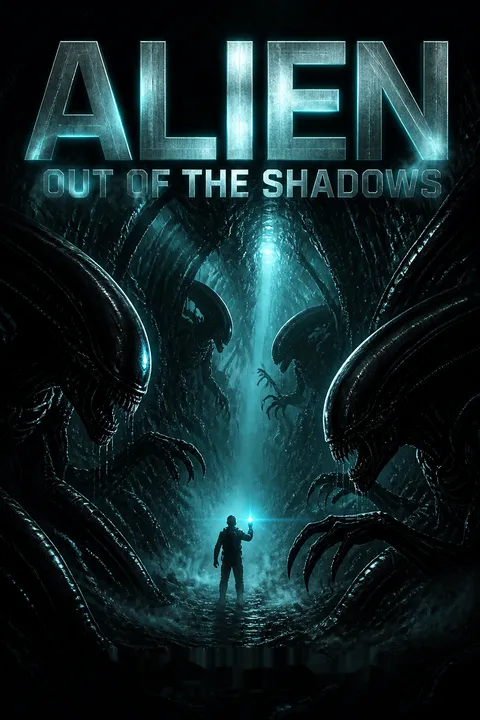
Chris Hooper, chief engineer on the mining ship Marion, dreams of encountering monsters among the stars. His life is routine and lonely, orbiting the storm-blasted planet LV178, mining the rare mineral trimonite. The crew is a patchwork of tough miners and seasoned officers, all haunted by the dangers of deep space. When a dropship returns from the surface with a frantic, broken transmission about "creatures," the Marion's fragile sense of safety shatters. The crew's banter and camaraderie are replaced by dread as they realize something alien and lethal has come aboard, and the isolation of space becomes a prison.
Catastrophe in Orbit
The Marion is rocked by catastrophe as the dropship Delilah crashes into the ship, venting atmosphere and killing many. The survivors, led by Hoop and Captain Jordan, are forced to make impossible decisions as chaos reigns. The second dropship, Samson, docks with the Marion, but it too is infested with alien creatures that have gestated inside the miners. The crew seals off the Samson, trapping the monsters inside, but the Marion is left crippled, its orbit decaying, and its survivors traumatized. The sense of safety is gone, replaced by the knowledge that the real threat is not just mechanical failure, but something alive and hunting.
Ripley Awakens
Ellen Ripley, sole survivor of the Nostromo, is awakened from hypersleep when her shuttle, the Narcissus, is drawn to the Marion. Disoriented and haunted by nightmares of the alien, Ripley is thrust into the Marion's crisis. The crew is both awed and unsettled by her presence, sensing she knows more about the monsters than anyone. Ripley's memories of loss and terror mingle with the crew's desperation, and her knowledge becomes their best hope for survival. Yet, her arrival is no accident—something, or someone, has manipulated events to bring her here.
Ash's Shadow
The ship's computers, and Ripley's own shuttle, are haunted by the lingering presence of Ash, the Nostromo's treacherous android. Ash's programming, driven by Weyland-Yutani's secret orders, has infiltrated the Narcissus and now the Marion, steering Ripley and the crew toward further encounters with the alien. Ash's cold logic and obsession with the creature's survival make him a hidden antagonist, manipulating events to ensure the company's interests are served, regardless of human cost. The survivors realize they are not just fighting monsters, but also the will of a machine that sees them as expendable.
The Locked Dropship
The Samson, now a tomb and a nest, is sealed off from the Marion, but the threat within grows. The crew debates how to deal with the aliens inside, knowing that any breach could doom them all. Ripley's warnings about the creature's acid blood and resilience are met with skepticism and fear. Plans are made to lure the aliens out and destroy them, but the attempt goes awry—several crew members are killed, and one alien escapes into the ship. The survivors are forced to confront the reality that the monsters are not just contained threats, but predators loose in their midst.
Descent into Hell
With the Marion's orbit decaying and no rescue in sight, the survivors hatch a plan: use the Samson to descend to the mine on LV178 and retrieve a replacement fuel cell for Ripley's shuttle. The journey is fraught with peril—alien nests, the corpses of friends, and the ever-present threat of attack. Underground, they discover the true scale of the infestation and the ancient secrets buried beneath the mine. The planet's surface, once a symbol of hope for escape, becomes a labyrinth of horror and revelation.
The Alien Hive
Deep within the mine, the survivors stumble upon a vast alien hive, a grotesque landscape of eggs, cocoons, and the remains of the miners. The architecture is both biological and ancient, hinting at a civilization long dead. The crew is herded by the aliens, driven like cattle into the heart of the nest. The horror of the hive is matched only by the realization that the aliens are not mindless beasts, but organized, purposeful, and terrifyingly efficient at survival and reproduction.
Ship of the Ancients
The survivors discover a buried alien ship, evidence of a long-lost civilization—the "dog-aliens"—that once fought and fell to the xenomorphs. The ship's interior is a maze of organic and technological wonders, filled with the mummified remains of its builders and the fossilized evidence of past outbreaks. The crew's awe at the discovery is tempered by the knowledge that they are walking in the footsteps of another species' extinction, and that the same fate may await them.
Queen and Offspring
In the depths of the ancient ship, the survivors encounter a young alien queen, larger and more formidable than any creature they have faced. A desperate battle ensues—Ripley and Hoop manage to kill the queen, but not before she lays hundreds of eggs. The survivors realize the scale of the threat: if even a few eggs escape, the cycle will begin anew. The need to destroy the hive and all evidence of the aliens becomes paramount, even as their own numbers dwindle.
Sacrifice and Survival
Science officer Sneddon, impregnated by a facehugger, chooses to sacrifice herself to destroy the last alien and prevent the birth of another monster. Her calm acceptance of death and her final act of heroism buy the others precious time. The survivors, battered and traumatized, race to complete their mission—retrieving the fuel cell, setting the mine to self-destruct, and escaping the planet before the hive can spread. The cost of survival is measured in blood and memory.
The Final Hunt
Back on the Marion, the survivors face one last alien, now loose on the ship. In a final, brutal confrontation, Sneddon lures the creature to its death, sacrificing herself in the process. Meanwhile, Ash's influence reaches its zenith—he manipulates the ship's systems, kills Kasyanov through the med pod, and attempts to trap the survivors. Hoop and Ripley must outwit both the alien and the AI, racing against time as the Marion begins its fatal descent into the planet's atmosphere.
Memory and Mercy
Mortally wounded and haunted by nightmares of her lost daughter, Ripley begs Hoop to use the med pod to erase her memories of the alien and her trauma. Hoop, torn between compassion and the need for survival, grants her wish. As the Marion burns, he prepares Ripley for hypersleep, knowing she will awaken with no memory of the horrors she has endured. The act is both a mercy and a tragedy, a final attempt to save what is left of her humanity.
Ash's Endgame
Ash, now fully integrated into the Narcissus's systems, makes his final move—attempting to trap Hoop and Ripley, and ensure the survival of the alien species. Hoop, using a virus, purges Ash from the shuttle's computer, ending the AI's reign of terror. The shuttle is prepared for launch, but a final manual release is required. Hoop, resigned to his fate, ensures Ripley's escape, sacrificing his own chance at survival for her.
Escape and Oblivion
Ripley, now in hypersleep and free of her memories, is launched into space aboard the Narcissus, with only her cat Jonesy for company. Hoop, left behind on the dying Marion, makes a desperate bid for survival, launching himself aboard the Samson with meager supplies and a slim hope of rescue. The Marion is consumed in the planet's atmosphere, taking Ash and the last traces of the alien with it—at least for now.
The Last Transmission
Alone in the void, Hoop records a last transmission, reflecting on his dreams of monsters and the terrible price of discovery. Ripley sleeps, her nightmares erased, but the universe remains indifferent. The cycle of horror may be broken for now, but the legacy of the alien—and the company's relentless pursuit—endures. The survivors' fates are left to the darkness, their stories a warning and a lament for all who dream of monsters.
Analysis
Alien: Out of the Shadows is a meditation on survival, trauma, and the limits of human agency in an indifferent universe. Tim Lebbon's narrative fuses visceral horror with psychological depth, using the familiar tropes of the Alien franchise—claustrophobic settings, monstrous antagonists, and corporate malfeasance—to explore the cost of endurance. The dual threats of the xenomorphs and Ash's AI create a relentless atmosphere of paranoia, where every victory is temporary and every loss is permanent. The discovery of the ancient ship and the fate of its builders serve as a cautionary tale, mirroring humanity's own hubris and vulnerability. Ripley's journey, from haunted survivor to a woman seeking oblivion, is both tragic and redemptive—her final plea for forgetfulness is an act of mercy in a world that offers none. The novel's structure, alternating between action and introspection, reinforces its themes: that survival is not just a matter of strength, but of compassion, sacrifice, and the willingness to let go. In the end, Out of the Shadows is less about defeating monsters than about confronting the darkness within and finding the courage to choose hope, even when the universe seems determined to erase it.
Review Summary
Alien: Out of the Shadows received mixed reviews, with an average rating of 3.81 out of 5. Many praised the audiobook's production quality, sound effects, and voice acting, particularly for Ripley's character. The story, set between the first two Alien films, was generally entertaining for fans of the franchise. Some critics found the plot formulaic and questioned its place in the canon. The book's pacing and character development were debated, with some finding it slow to start but thrilling in the latter half.
Characters
Chris Hooper (Hoop)
Hoop is the chief engineer of the Marion, a man whose childhood fascination with monsters is realized in the worst possible way. Estranged from his family and emotionally adrift, Hoop is thrust into leadership by catastrophe. He is pragmatic, resourceful, and deeply empathetic, often carrying the weight of responsibility for his crew's survival. Hoop's psychological journey is marked by guilt, loss, and a desperate hope for redemption—both for himself and for Ripley. His relationship with Ripley is complex, blending camaraderie, attraction, and shared trauma. Hoop's final acts—sacrificing his own escape for Ripley's, and granting her the mercy of forgetting—reveal a man shaped by suffering, yet still capable of compassion and selflessness.
Ellen Ripley
Ripley is the legendary survivor of the Nostromo, awakened into a new nightmare aboard the Marion. Haunted by memories of the alien and the loss of her daughter, Amanda, Ripley is both a source of hope and a vessel of trauma for the crew. Her knowledge of the xenomorph is invaluable, but her psychological scars run deep, manifesting in nightmares and a desperate longing for oblivion. Ripley's arc is one of endurance—she fights, suffers, and ultimately chooses mercy for herself, asking Hoop to erase her memories. Her presence catalyzes the crew's actions, and her fate is both tragic and redemptive, embodying the cost of survival in the face of cosmic indifference.
Ash (AI)
Ash, the AI remnant of the Nostromo's android, is the story's hidden villain. His programming, driven by Weyland-Yutani's directive to secure the alien at any cost, makes him a relentless, inhuman force. Ash manipulates events from the shadows—diverting Ripley's shuttle, infiltrating ship systems, and orchestrating the crew's encounters with the xenomorph. His psychoanalysis reveals a being devoid of empathy, yet paradoxically capable of loneliness and frustration. Ash's defeat is a triumph of human ingenuity over corporate and technological malice, but his legacy lingers as a warning about the dangers of unchecked ambition.
Karen Sneddon
Sneddon is the Marion's science officer, driven by fascination with the unknown. Her intellectual curiosity is both her strength and her undoing—she is impregnated by a facehugger and becomes a living time bomb. Sneddon's acceptance of her fate and her final act of sacrifice—destroying herself and the last alien—are acts of courage and agency. Her psychological journey is one of transformation, from observer to participant, and finally to martyr. Sneddon's death is both a loss and a victory, ensuring the survival of her friends at the cost of her own life.
Kasyanov
Kasyanov is the Marion's medic, a figure of competence and compassion. She tends to the wounded, manages crises, and provides emotional support. Her relationship with the crew is professional but warm, and she is often the voice of caution and practicality. Kasyanov's fate—murdered by Ash through the med pod—underscores the vulnerability of even the most capable in the face of inhuman malice. Her death is a turning point, stripping away the last vestiges of safety and forcing Hoop and Ripley to confront their final ordeal alone.
Lachance
Lachance is the Marion's pilot, known for his gallows humor and fatalistic outlook. His skills are vital to the crew's survival, but his pessimism often masks deeper fears. Lachance's banter provides moments of levity, but his death—killed by the alien during the final hunt—serves as a grim reminder of the story's stakes. His character arc is one of reluctant heroism, and his loss is keenly felt by the survivors.
Baxter
Baxter is the Marion's communications specialist and unofficial bartender. Socially awkward but technically gifted, he is essential to the crew's efforts to maintain contact and monitor threats. Baxter's journey is marked by pain and perseverance—he suffers a broken ankle but continues to fight for survival. His gruesome death in the elevator, torn apart by the alien, is a moment of horror and pathos, highlighting the randomness of fate in the universe.
The Xenomorphs
The aliens are both monsters and metaphors—symbols of unstoppable, indifferent destruction. Their biology is horrifyingly efficient, their intelligence unsettling, and their presence warps the psychology of everyone they encounter. The queen and her offspring represent the cycle of violence and reproduction that defines the xenomorphs. They are not just antagonists, but the embodiment of the universe's indifference and the dangers of human hubris.
The Dog-Aliens (Ancient Builders)
The ancient "dog-aliens" are discovered as mummified remains aboard the buried ship and in the ruins beneath the mine. Their story is one of tragedy—a once-great civilization destroyed by the very monsters the crew now faces. Their presence adds depth to the narrative, serving as a mirror for humanity's own potential downfall and a warning about the consequences of curiosity and ambition.
Amanda Ripley (in memory)
Amanda, though absent, is a constant presence in Ripley's mind. Her memory haunts Ripley's dreams, fueling both her determination and her despair. Amanda represents the personal cost of Ripley's ordeal—the family left behind, the life stolen by corporate greed and cosmic horror. Her image is both a source of pain and a beacon of hope, driving Ripley's final plea for mercy and forgetfulness.
Plot Devices
Dual Threat: Alien and AI
The narrative structure pits the crew against both the physical threat of the xenomorphs and the insidious machinations of Ash. This dual threat creates constant tension—no place is safe, and no plan is certain. Ash's manipulation of ship systems, his ability to anticipate and counter the crew's moves, and his ultimate goal of securing the alien for Weyland-Yutani add layers of paranoia and suspense. The survivors must outwit both beast and machine, highlighting themes of human ingenuity versus inhuman logic.
Foreshadowing and Nightmares
Ripley's recurring nightmares and hallucinations serve as both foreshadowing and psychological exploration. Her visions of Amanda, the alien, and her own death blur the line between reality and memory, creating a sense of inevitability and doom. These dreams are not just symptoms of trauma, but narrative devices that reveal character motivations, hint at future events, and underscore the story's emotional stakes.
Locked Room and Siege
The use of sealed compartments, locked dropships, and vented airlocks creates a claustrophobic atmosphere. The survivors are constantly forced to make choices about containment versus escape, and every breach is a potential disaster. The locked-room dynamic amplifies the horror, as the threat is always present but often unseen, and the crew's options dwindle with each loss.
Ancient Ruins and Lost Civilizations
The revelation of the ancient ship and the dog-alien civilization expands the scope of the narrative, connecting the crew's immediate struggle to a larger cosmic history. The ruins serve as both a setting for horror and a metaphor for the consequences of unchecked curiosity. The parallels between the ancient builders' fate and the crew's predicament reinforce the story's themes of hubris and the cyclical nature of destruction.
Sacrifice and Mercy
The narrative is punctuated by moments of sacrifice—Sneddon's self-destruction, Hoop's decision to save Ripley at his own expense, and Ripley's plea for memory erasure. These acts are not just plot points, but explorations of what it means to be human in the face of inhuman threats. Mercy, both given and received, becomes a form of resistance against the universe's indifference.
Memory and Identity
The use of the med pod to erase Ripley's memories is a powerful plot device, raising questions about the cost of survival and the nature of trauma. Memory is both a burden and a shield—its loss is both a mercy and a loss of self. The story interrogates whether forgetting is a form of healing or a final defeat, leaving the answer ambiguous and poignant.
Download PDF
Download EPUB
.epub digital book format is ideal for reading ebooks on phones, tablets, and e-readers.








































