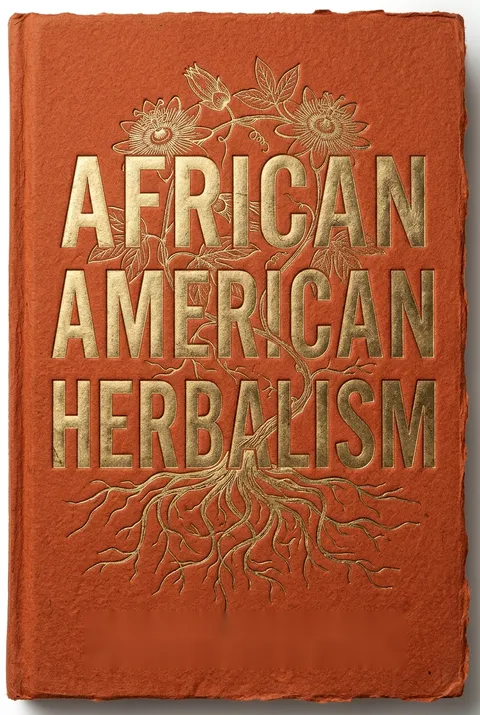

Key Takeaways
1. Reclaiming the Erased Narrative of African American Herbalism
Many times I would hear my teachers speak about a person of color who influenced their path to herbalism, but their names were long forgotten.
Unearthing history. The author's journey began with a profound realization: the stories of African American herbalists were largely absent from mainstream narratives, their contributions often overlooked or deliberately erased. This book is a dedication to those forgotten ancestors and a quest to reclaim the rich, deep culture of healing that has always existed within people of African descent. It challenges the prevailing historical accounts that fail to represent the diverse tapestry of herbalism.
Beyond physical symptoms. Herbal medicine, or herbalism, is presented not just as a science but as an art steeped in reverence for the human connection to Mother Earth. Unlike conventional medicine, which often focuses on treating physical symptoms, African American herbalism embraces a holistic approach, addressing the body, mind, and soul. This practice weaves together knowledge from:
- Ancestors of Africa and the Caribbean
- Native peoples of this land
- Oral traditions passed down through generations
Challenging prejudice. The author recounts a shocking encounter with a book that dismissed enslaved people's healing practices as "taking advantage of people who were white." This moment ignited the author's resolve to tell a more authentic story, inspiring a decade of lectures and ultimately this book. It underscores the importance of preserving these narratives to counter historical misrepresentation and celebrate the strength and resilience embedded in African American healing traditions.
2. Ancient African Civilizations Laid the Foundation for Holistic Healing
The ancient civilizations of Egypt and other parts of Africa established a foundation for medicine, writing down and documenting their finds.
Egypt's medical legacy. African American herbalism draws inspiration from ancient Egypt, a civilization whose profound influence on medicine is often overshadowed by Greek narratives. The Nile River facilitated the spread of this knowledge across the continent, laying a sophisticated foundation for understanding the human body and its connection to nature. Ancient Egyptians believed in balancing physical and spiritual health through:
- Environment and diet
- Plant medicine
- Spiritual healing
- Communion with nature
Sound as therapy. Ancient Egyptians pioneered the use of sound as a healing agent, believing in the sacred geometry of the universe and its resonance with life forces. Sound chambers in pyramids, like the "house of the spirit," utilized frequencies from waterways to realign the body. This ancient practice finds modern echoes in scientific studies showing sound's effect on water molecules and heart cell patterns, demonstrating that ancient wisdom often precedes modern discovery.
Documented wisdom. Medical papyruses, such as the Ebers and Edwin Smith Papyruses (dating back to 1600 BCE), meticulously documented ancient Egyptian medical knowledge. These texts detailed:
- Herbal remedies (onions for colds, garlic for spirits, opium for wounds)
- Skin treatments (vitiligo)
- Reproductive health (contraceptives)
- Surgical procedures
- The body-mind-spirit connection, a holistic view that many indigenous cultures still uphold today. Imhotep, revered as the god of medicine, exemplified this comprehensive approach.
3. The Middle Passage Forged Resilience and New Herbal Traditions
Our ancestors did, however, take with them the knowledge that they would need the native medicines wherever they were taken to.
Survival through knowledge. The horrors of the Middle Passage, the forced transatlantic voyage of enslaved Africans, profoundly shaped African American herbalism. Stripped of everything but their prayers and ancestral knowledge, enslaved people carried with them an invaluable understanding of native medicines. This wisdom, combined with the plant knowledge of indigenous peoples in the Americas, created a unique "melting pot" of healing practices essential for survival.
Resistance and healing. Enslaved women, often trained as midwives and healers, became crucial to their communities' health, as they could not trust their enslavers for care. This role extended to the enslavers' families, who relied on their expertise. However, this knowledge also became a tool for resistance:
- Plants were used to poison enslavers, leading to harsh laws restricting Black herbal practices.
- Virginia laws in the 18th and 19th centuries criminalized Black people administering medicine, punishable by death, though later amended to allow supervised practice.
Alchemy of soul food. The resilience of African Americans manifested in the creation of "soul food," a culinary movement born from turning meager resources into deeply nourishing and celebratory meals. This "alchemy" provided comfort and connection during the most difficult times. The legacy of using plants for liberation and healing, even under oppressive systems like Jim Crow, underscores the profound strength and ingenuity of a people who continually "worked the roots" to heal and set themselves free.
4. Grandmothers: The Unsung Keepers of American Herbalism
Most of the elders I meet still remember the old recipes, and when I talk about the old ways with them, they light up with excitement and start remembering things their great-grandmothers did when they were sick.
Oral traditions preserved. The history of herbalism in the American South is largely an oral tradition, with remedies and practices passed down through generations of "granny midwives" and medicine women. These elders are living libraries, holding invaluable knowledge that is slowly fading. The author emphasizes the importance of interviewing family elders to preserve these stories, which are keepsakes for future generations and a way to connect with one's own ancestral DNA.
Pivotal women healers. Despite harsh laws and societal prejudice, Black women were central to community health. They risked imprisonment and death to practice their craft, often without payment, serving all races. These "granny women" were so trusted that medical doctors in the 1930s struggled to attract patients. Their stories highlight:
- Emma Dupree ("Lil Medicine Thang"): A North Carolina herbalist who believed God taught her the plants. She was known for her nine-herb tonic and unique use of local plants like mullein, poke, and "rabbit tobacco," emphasizing faith and prayer in healing.
- Mary Stepp Burnette Hayden: Born enslaved in North Carolina, she became a registered midwife, delivering babies of all races across the mountains, embodying the belief that "every herb has three kinds—one is a healer, one is just a weed, and the other is a poison."
- Henrietta Jeffries: A Virginia midwife who, in 1911, faced trial for practicing medicine without a license. Her community's overwhelming support, with nearly everyone in the courtroom having been birthed by her, led to her acquittal, a testament to her indispensable role.
- Mary Cooley: A Georgia midwife who delivered over three thousand babies, bridging traditional midwifery with modern medical practices, and providing comprehensive prenatal and postpartum care.
- Onnie Lee Logan: A feisty Alabama midwife who embodied "motherwit," blending spiritual and medical practices, and using folk traditions like placing a knife under the bed during labor to cut pain.
5. The Plant World: Our Deepest Allies for Mind, Body, and Spirit
I realized that day that the plants have always spoken to me, telling me of their medicine and asking me to see them.
Personal plant connection. The author's lifelong relationship with plants, beginning with passionflower in childhood, underscores the profound connection between humans and the botanical world. This intimate bond allows plants to reveal their medicine and magic, guiding the herbalist's journey. The wisdom of elders, like Sally McCloud and Ruth Patterson, further illustrates how local plants were traditionally used for common ailments, emphasizing the accessibility of nature's pharmacy.
Ethical foraging and learning. Foraging and wildcrafting are presented as essential practices for learning about plants in one's own environment. However, caution and respect are paramount:
- Know before you harvest: Proper identification is crucial to avoid toxic look-alikes.
- Ethical harvesting: Never take all plants, avoid endangered species, and leave offerings as thanks.
- Clean sourcing: Collect away from roads and pesticide-treated areas.
Beyond physical interaction. Learning about plants extends beyond physical interaction. Plant spirit meditation, a practice of "journeying" with plants through tinctures or meditative states, allows for deeper intuitive understanding of their healing properties. Growing one's own plants, from seed to medicine, offers a holistic learning experience, connecting individuals to the cycle of life and their ancestral roots. The book provides a comprehensive list of plants, detailing their traditional uses, contraindications, and "magical rootwork elements," emphasizing their multifaceted healing potential.
6. Spiritual Bathing: A Powerful Modality for Energetic Healing
I have rarely seen spiritual bathing in Western versions of herbalism and healing arts. To me, this absence means missing out on half of the power of the plants and a beautiful gateway to healing the soul and energetic body.
Holistic cleansing. Spiritual bathing is a profound practice that uses plants in their metaphysical and medicinal forms, combined with elemental forces (fire, water, earth, sound, air), to facilitate healing on energetic and physical levels. Rooted in African American culture and indigenous traditions, these ceremonies are vital for spiritual well-being, addressing the spirit—often overlooked in Western healing. From birth to death, baths are used for:
- Purification and protection
- Attracting love and abundance
- Healing grief and trauma
- Enhancing fertility and personal transformation
Elements of healing. The elements play a crucial role in spiritual bathing. Forest bathing, immersing oneself in nature's sounds and energies, increases oxytocin and connects to ancestral wisdom, as exemplified by Rickie Byars's practice with pine trees. Water, a sacred tool, carries vibrations and amplifies plant energies. Florida Water, a "hidden-in-plain-sight" ceremonial potion, is used for anointing, cleansing, and protection, embodying the resilience of practices hidden during times of oppression.
Personal transformation. The author shares a deeply personal account of using a "white spiritual bath" during a period of heartbreak and transition. This seven-day ritual, incorporating mock orange, yarrow, honeysuckle, wisteria, dogwood, holy basil, lavender, mimosa, mugwort, comfrey, roses, poke root, and okra, helped move stagnant grief and "feed her Ori" (head energy for intuition and destiny). The chapter provides various elemental bathing recipes, including:
- Ancestor Connection Bath
- Money-Drawing and Abundance Bath
- Grief Release Bath
- Trauma Blend and Personal Protection Bath
- Spiritual Bath for Children
- Sacred Skin Care recipes like Self-Love Sugar Scrub and Purifying Facial Mask.
7. "Working the Roots": The Sacred Alchemy of Medicine Making
When we work the root, we are also finding the root of an illness or problem by addressing it holistically.
Reclaiming the craft. "Working the roots" is a phrase that reclaims the narrative of hoodoo and voodoo, practices often demonized but integral to African American healing. It signifies the deep connection to plant work and the ceremonial process of making medicines with love and reverence. This mindful participation, from ethical harvesting to bottling, transforms a simple tincture or tea into a powerful ally for holistic healing.
Tinctures: Concentrated plant power. Tincturing extracts medicinal properties using solvents like alcohol, glycerin, or apple cider vinegar. Folk traditions simplify this process, often using readily available liquors like whiskey or moonshine. Ethical sourcing and mindful preparation are crucial:
- Harvesting: Choose dry days, avoid roadside plants, never over-harvest, and leave offerings. Roots are best in fall, bark in fall/spring, flowers when opening, leaves at peak.
- Preparation: Fill jars with fresh or dried herbs, cover with solvent, label, and shake periodically for 2-6 weeks. Advanced methods use specific herb-to-liquid ratios (e.g., 1:5 for dried, 1:2 for fresh).
- Formulas: Single tinctures can be blended for specific needs, such as antiviral, nerve-calming, or women's balance support.
Infused oils and salves. The author's passion for botanical-infused oils highlights a shift from essential oils (due to overharvesting and skin reactions) to more sustainable, gentle alternatives. Choosing food-grade oils like avocado, baobab, castor, coconut, grape-seed, olive, rosehip seed, shea butter, and sunflower seed, each with unique properties, is key. Infusion methods include solar, double boiler, or water bath. Salves, topical ointments for skin issues or pain, combine infused oils with beeswax or shea butter, offering a potent, localized healing.
8. Kitchen Medicine: Nourishing Our Ancestral Connection Through Food
Our food is so deep and rich in our traditions that it started a “soul food” movement.
Food as ancestral bridge. The kitchen is a sacred space where food becomes a powerful medium for ancestor connection and healing. Heirloom recipes, passed down through generations, evoke childhood memories and provide a tangible link to loved ones. The author encourages interviewing elders about their favorite ancestral meals, recognizing that food stories can unlock deep emotional connections and reveal hidden legacies of herbalism within families.
Soul food alchemy. Michael Twitty's profound observation that "We are the only people who named our cuisine after something invisible that you could feel, love and God" encapsulates the essence of soul food. This culinary tradition, born from the resilience of enslaved Africans, transformed meager ingredients into deeply nourishing and spiritually rich meals. Foods like okra, black-eyed peas, and watermelon, brought from Africa, became "gifts" that sustained a people.
Healing recipes with a twist. The chapter offers traditional "kitchen medicine" recipes, often with a vegan twist, to fight illness and promote wellness:
- Granny’s Onion Cough Syrup: An antiviral remedy used during the 1918 Flu Pandemic, combining onions with sugar and optional herbs like sassafras and wild cherry bark.
- Elderberry Syrup: A popular immune booster, customizable with ginger, nettles, and lemon balm.
- Fire Cider: A potent antiviral, decongestant, and immune-supporting tonic.
- Bone Broth (and Vegan Mushroom Broth): For gut health, immunity, and anti-aging.
- Soul Food Staples: Vegan Collard Greens with Potlicker, Poke Salad (with toxicity warnings), Goldenrod and Nettles Cornbread, Fried Dandelion Flower Fritters, Vegan Biscuits and Gravy, Grits with Greens, and Vegan Okra Stew.
Community and preservation. Canning and food preservation, once vital community practices, are presented as ways to honor the land and ensure sustenance. Sobonfu Some's Dagara Cosmology Wheel highlights the importance of community circles for herbal medicine and food preservation, emphasizing collective well-being. Magical canning recipes, like Fire Cider Sweet Heat Pickles and Love Jam (featuring muscadines, roses, and holy basil), infuse these traditions with intentional healing.
9. Personal Ceremonies: Rootwork for Self-Transformation and Protection
Rootworkers have always been important in the healing arts in the South. Often viewed as part doctor, part priest, and workers of the plants, they were the inheritors of the practices that so many of our ancestors brought with them from Africa and the Caribbean, practices that had to be hidden from the enslavers.
The path of the rootworker. Rootwork, or hoodoo, is presented as a personal, inherited practice of alchemy, rituals, and mediumship, deeply connected to African and Caribbean traditions. The author's journey, inspired by her stepmother's insights into Beaufort, SC hoodoo, and interviews with practitioners like Ikeoma Divine, reveals how these practices survived "hidden in plain sight" under the guise of Christianity. Figures like Mother Catherine Seals, Mother Leafy Anderson, and Dr. Buzzard exemplify the blend of spiritual and healing arts in the South.
Crafting personal rituals. Ceremonies for self-transformation and protection don't need to be elaborate; they are about connecting with elemental natures, ancestors, and oneself. The author emphasizes that "you become the altar and how you live becomes the ceremony." Key practices include:
- Ancestor Reverence: Creating spaces and rituals to connect with ancestors, calling on their support, and honoring them through offerings and prayers.
- Ancestor Root-Grounding Meditation: A guided meditation to connect with ancestral love and release what no longer serves.
- Creating Ancestor Altars: Decorating sacred spaces with elements (fire, water, earth, air) and personal items (pictures, offerings) to honor loved ones.
Candle magic and protection. Candles are used in sacred spaces to honor ancestors and for specific magical intentions. "Sacred intent candles" are "dressed" with herbs, oils, colors, and crystals, infused with prayers and music. Candle divination (capromancy, ceromancy, pyromancy) offers insights. Colors are chosen based on chakra associations (e.g., red for root, green for heart, black for protection). Petition work, writing desires and folding them towards or away from oneself, amplifies intentions. Other protective practices include:
- Gris-Gris Bags: Personal pouches containing herbs and articles for luck, protection, or abundance.
- Freezer Spells: To stop ill intent by placing names and protective herbs in a jar in the freezer.
- Railroad Ties and Black Tourmaline: Placed at doorways for protection against negative energy.
Healing heartbreak and grief. Ceremonies are vital for processing deep emotions. The Honey Jar ritual brings sweetness and abundance, while Closure Ceremonies, involving writing and burning breakup letters, help release past relationships or self-sabotaging behaviors. Grief rituals, inspired by Sobonfu Some's Dagara tribe traditions, emphasize community support and release through altars and elemental engagement. Herbal allies like mimosa, rose, lavender, damiana, calendula, motherwort, and kava support emotional healing.
10. Living Legacies: Honoring Contemporary African American Herbalists
Though our stories are complex and some are full of pain, they are the embodiment of the true essence of healing with plants and of the ways of our people before we arrived here in chains.
Continuing the tradition. This book culminates by celebrating living legacies—contemporary African American herbalists who are actively preserving and evolving ancestral healing traditions. Their work, often multidisciplinary and community-focused, embodies the resilience and ingenuity of their forebears, ensuring that these vital stories and practices continue to thrive. These practitioners inspire by turning towards one another and their communities, fostering a collective approach to healing.
Diverse voices and practices. The chapter highlights several influential figures:
- Geoffrey "Geo" Edwards: An educator and healing artist integrating East Asian medicine with Black indigenous foodways and ancestral gardening. He emphasizes reclaiming "underwater" ancestral memories through indigenous diets and flavors, and cultivating plants his grandfathers grew.
- Wilnise Francois: A Haitian American nurse and herbalist who blends Haitian and Western herbal practices. Her work is a "divine theater" of spirit communication, deeply rooted in Ayiti's (Haiti's) freedom and nature, emphasizing auric strength through traditional "bains" (baths).
- Olatokunboh "Ola" Obasi: A clinical herbalist, nutritionist, and priestess in Ifá and Taino traditions, working in Puerto Rico. She integrates spiritual and academic backgrounds, providing free community service and highlighting plants like oregano brujo (Shilauha) as living stories of African resilience.
- Khetnu Nefer: A Gullah Geechee holistic health practitioner, womb warrior, and founder of the Gullah Geechee Herbal Gathering. She fuses modalities to assist women, emphasizing the reclamation and preservation of Gullah Geechee heritage and the importance of community and collective economics.
- Ayodele Ngozi: A community herbalist, educator, and artist, co-founder of the Black Mystery School, and creator of the Planting Reparations Project. She is committed to learning from ancestral tradition, documenting herbal and cultural practices, and serving the community.
A future of collaboration. These living legacies underscore the importance of building Black-led herbal academies, conferences, and publications. They advocate for greater respect, financial compensation, and acknowledgment of Black contributions to herbalism. Their collective vision is one of unity, collaboration, and the conscious creation of a new world where ancestral wisdom guides holistic health and community well-being.
People Also Read


Download PDF
Download EPUB
.epub digital book format is ideal for reading ebooks on phones, tablets, and e-readers.








































