
Plot Summary
Memory's Fractured Return
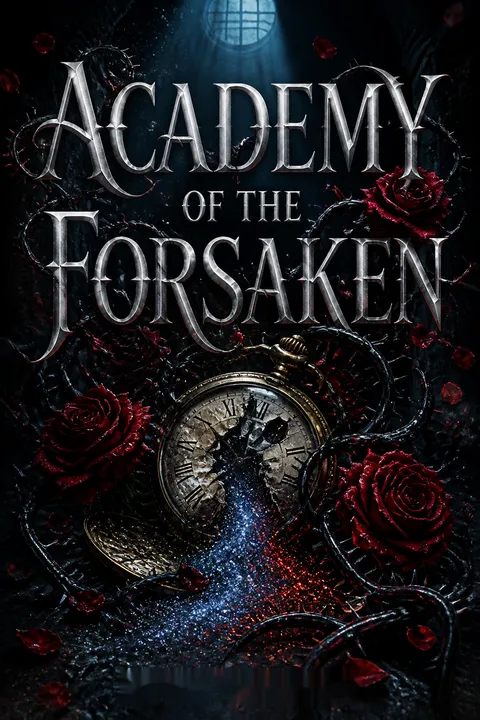
Beatrix "Trix" Corbyn returns to Roseborne College, haunted by déjà vu that is no illusion—she's relived her arrival countless times, each cycle wiped clean by the staff's supernatural powers. This time, she remembers. The campus, shrouded in the scent of roses and secrets, is a prison for troubled students, each marked by a mysterious past. Trix's mission is personal: find her foster brother Cade, lost to the school's machinations. She must feign ignorance, hiding her regained memories from the staff, who wield their authority with chilling cruelty. The oppressive atmosphere, the students' resigned hostility, and the ever-present, blossomless rosebush in the basement all signal that something is deeply wrong. Trix steels herself, determined to outwit the staff and break the cycle, even as the weight of her own guilt and the school's dark energy press in.
Allies in the Shadows
Realizing she cannot fight Roseborne's sinister staff alone, Trix seeks out Ryo, Jenson, and Elias—three students who have, in different cycles, become her confidants and more. In the privacy of the carriage house, she reveals her retained memories and the horrors she's uncovered: the staff's power is rooted in a monstrous, thorny rosebush in a secret basement, entwined with mementos of dead students. The boys, each marked by their own curse and guilt, pledge to help her. Together, they strategize: infiltrate the staff's secrets, find the key to the basement, and unravel the mystery of the portraits and the rosebush. Their alliance is fragile but vital, bound by shared suffering and the hope of escape. Trix's emotional connection to each boy deepens, complicating her mission with longing and uncertainty.
Cycles and Confessions
Trix learns she's lived through eight cycles at Roseborne, each time losing her memories—until now. The boys fill in the gaps: her repeated attempts to save Cade, the staff's relentless resets, and the pain of forgotten connections. Trix confesses her guilt over Cade's fate, her role in the tragedy that brought them both here. The boys, each with their own burdens—Ryo's addiction, Jenson's compulsive lying, Elias's ruthless ambition—share their stories, forging a bond of mutual understanding. The group debates the nature of the staff's power, the significance of the portraits, and the possibility that the rosebush is both prison and source. Trix's willingness to sacrifice herself for Cade becomes a rallying point, inspiring the others to risk everything for a chance at freedom.
Portraits and Power
Trix investigates the hall of student portraits, noticing seven in burgundy uniforms and a space for an eighth. These faces match photographs in the basement, suggesting a link between past students and the staff's supernatural power. Art class reveals the portraits are based on old photos, but the staff deflect questions. Trix's search for answers is met with suspicion and isolation from other students, who are too broken or afraid to help. She realizes the staff's power may be tied to these original students—perhaps a ritual or sacrifice bound them to the school. The portraits, the rosebush, and the staff's immortality are pieces of a puzzle she must solve before the cycle resets again.
Cade's Curse Revealed
Trix braves the woods at midnight to find Cade, who is trapped in a monstrous form by the staff's curse. For a brief window each night, he returns to himself, but the rest of the time he is a beast, isolated and tormented. Their reunion is bittersweet—Cade is both comforted and haunted by Trix's presence. She struggles with guilt over her role in his downfall, unable to confess the full truth. Cade's love for Trix is possessive and complicated, blurring the lines between brotherly and romantic affection. Trix promises to save him, even as she fears she may lose herself in the process. The woods become a place of reckoning, where past sins and present desperation collide.
Staff and Student Sins
Roseborne's classes are designed to torment: Tolerance forces students to ingest potions that mimic withdrawal and pain, while Composition and Counseling dredge up their worst memories. Ryo relives his addiction and the pain he caused his family; Jenson is cursed to only speak lies; Elias is forced to teach an impossible math class as penance for his ruthless ambition. The staff—inhuman, ageless, and cruel—feed on the students' suffering. Trix attempts to manipulate Professor Mildred Hubert, seeking insight into the staff's motives, but finds only cryptic warnings. The school's power is sustained by a cycle of guilt, punishment, and forgotten histories, with the rosebush as its heart.
The Rosebush Below
Trix and her allies focus on the twisted rosebush in the secret basement, believing it to be the source of the staff's power and the students' curses. The bush is adorned with mementos of the dead and radiates supernatural energy. Trix devises a plan to break through the wall separating the student-accessible basement from the forbidden area, hiding tools and chipping away at the concrete in secret. The staff's surveillance is ever-present, but Trix's growing immunity to their magic allows her to act with increasing boldness. The rosebush becomes a symbol of both hope and horror—a living testament to the school's dark history and the key to its undoing.
Seeds of Rebellion
Trix plants a garden by the abandoned pool, a quiet rebellion against the school's decay. Ryo repairs broken rackets for students, finding purpose in creation rather than destruction. Jenson stages a protest in Archery class, refusing to participate in the staff's sadistic games and inspiring others to resist, even at great personal cost. Violet, a scarred and volatile student, attempts to sever her connection to the school by cutting her rose, nearly dying in the process. Trix saves her, realizing that even small acts of care and defiance can disrupt the staff's control. The students' collective suffering begins to transform into solidarity and resistance.
Love's Tangled Web
Trix's relationships with Ryo, Jenson, and Elias deepen, each offering her a different kind of solace and challenge. Their love is messy, passionate, and fraught with jealousy and insecurity. Cade's possessive affection for Trix becomes a source of tension, as he warns her against trusting the other boys. Trix is torn between loyalty to her brother and her desire for freedom and self-determination. The boys, each wrestling with their own demons, struggle to support Trix while navigating their feelings for her and each other. Love becomes both a weapon and a shield in the battle against Roseborne's darkness.
The Yearbook's Secrets
Trix discovers a hidden yearbook from 1927, filled with photographs of students in burgundy uniforms—faces that match the staff and the portraits. Most are crossed out, but seven remain, corresponding to the current professors and dean. An eighth, Winston Baker, is missing from the portraits and the staff. Trix's visions intensify, revealing that these students performed a blood ritual, binding themselves to the school and gaining immortality at a terrible cost. The staff are not just jailers but former victims and perpetrators, trapped by their own pact. Trix realizes she may be connected to Winston, inheriting a fragment of his power and memories.
Breaking the Cycle
Armed with the truth, Trix confesses her darkest secret to Ryo, Jenson, and Elias: her role in the death of Cade's girlfriend and the violence that followed. Instead of rejection, she finds acceptance and love. The boys pledge themselves to her cause, and together they plan to destroy the rosebush and break the staff's hold. Trix's connection to Winston and the school's magic grows stronger, granting her the ability to resist the staff's influence. She sharpens an axe, ready to sever the root of Roseborne's power. The cycle of guilt and punishment is about to be shattered.
Violet's Desperate Gamble
Violet, desperate to escape the school's torment, tries to cut her rose from the wall, nearly dying as her life force drains away. Trix intervenes, replanting the rose and saving her, but the incident reveals the direct link between the roses and the students' lives. The staff's indifference to Violet's suffering underscores their inhumanity. Trix's act of compassion is both a rebellion and a warning: the roses are both prison and lifeline. The students' fates are entwined with the school's magic, and any attempt to break free will come at a cost.
Truths and Trust Restored
After a period of doubt and self-imposed isolation, Trix seeks out Ryo, Jenson, and Elias, confessing her fears and desires. The boys reaffirm their commitment to her and to each other, forming a united front against the staff. Their love, once a source of confusion and guilt, becomes a wellspring of strength. Trix's power, inherited from Winston, is amplified by trust and vulnerability. The group prepares for a final assault on the rosebush, knowing that success may bring freedom—or unleash even greater horrors.
The Axe and the Heart
Empowered by love and self-acceptance, Trix leads her allies to the basement, axe in hand. Her supernatural connection to the school allows her to break through the wall and confront the rosebush directly. As she hacks at its core, the staff rush to stop her, but her power shields her from their attacks. The boys hold the line, fending off the professors as Trix delivers the final blow. The rosebush, source of the school's magic and misery, is severed. The staff's forms flicker, revealing their true identities as the original students, trapped by their own ritual.
The Rosebush Falls
With the rosebush destroyed, the staff lose their human forms, dissolving into ghostly echoes of their former selves. Trix is flooded with memories of the original ritual—a pact of blood and sacrifice that bound the students to Roseborne and condemned generations to suffering. The knife at the bush's heart, the bloodstained floor, and the staff's desperate attempts to maintain control all point to a legacy of pain and regret. The school trembles, its foundations shaken by the breaking of the cycle. But freedom is not yet won.
Unleashed Spirits
As the staff's power collapses, the campus is beset by ghostly apparitions—spirits of the original students, now unbound and vengeful. The roses on the wall wither, the gate remains locked, and the students are trapped in a new nightmare. Trix, Ryo, Jenson, and Elias, battered but united, realize that destroying the rosebush was only the beginning. The true cost of breaking the cycle is yet to be revealed, and the final battle for freedom—and redemption—has only just begun.
Analysis
Eva Chase's Academy of the Forsaken is a dark, emotionally charged exploration of trauma, guilt, and the struggle for self-determination within a system designed to perpetuate suffering. The novel uses the supernatural trappings of a cursed boarding school to dramatize the cycles of abuse, regret, and self-doubt that haunt its characters. At its core, the story is about breaking free from destructive patterns—whether imposed by others or internalized through shame and fear. Trix's journey is both literal and psychological: she must reclaim her memories, confront her darkest secrets, and learn to trust herself and others. The reverse harem structure subverts traditional romance tropes, presenting love as a source of healing and rebellion rather than possession or escape. The staff, once victims themselves, are both cautionary tales and antagonists, embodying the dangers of unchecked ambition and the refusal to confront one's own humanity. The rosebush, portraits, and yearbook are not just plot devices but symbols of the ways the past shapes the present, and the possibility of redemption through truth and connection. In a modern context, the novel resonates as a metaphor for cycles of trauma, the importance of chosen family, and the power of vulnerability in the face of institutional cruelty. The lesson is clear: freedom and healing require both self-acceptance and the courage to break the cycle, even when the cost is terrifyingly high.
Review Summary
People Also Read


Characters
Beatrix "Trix" Corbyn
Trix is the protagonist, a young woman marked by trauma, guilt, and a relentless drive to save her foster brother Cade. Her psychological complexity is rooted in a childhood of abandonment and foster care, forging a deep bond with Cade that blurs the lines between sibling and lover. Trix's greatest strength is her refusal to give up, even as the school's magic erases her memories and torments her with cycles of suffering. She is both victim and perpetrator, haunted by her role in a tragedy that destroyed Cade's life. Her relationships with Ryo, Jenson, and Elias are fraught with longing, jealousy, and self-doubt, but ultimately become her source of power. Trix's journey is one of self-forgiveness, reclaiming agency, and transforming guilt into rebellion. Her inherited connection to the school's magic makes her both a target and a potential savior.
Cade Harrison
Cade is Trix's foster brother and the catalyst for her quest. Once her protector and confidant, Cade is now cursed to spend most of his time as a beast, isolated in the woods. His love for Trix is intense, possessive, and complicated by their shared history and her guilt over his fate. Cade's inability to let go of Trix, combined with his own self-loathing, creates a toxic dynamic that both comforts and suffocates her. He is a victim of the school's cruelty, but also of his own rage and inability to forgive. Cade's presence is a constant reminder of the past, and his fate is inextricably linked to Trix's redemption.
Ryo Shibata
Ryo is Trix's first true friend at Roseborne, a boy marked by addiction and the pain he caused his family. His curse dulls his ability to feel pleasure, making his acts of kindness and love all the more poignant. Ryo's mellow exterior hides deep wounds, but he finds purpose in helping Trix and repairing what he can. His love is selfless, offering comfort without expectation. Ryo's journey is one of atonement, seeking to create rather than destroy, and his acceptance of Trix's flaws is a model of unconditional support. He is the emotional anchor of the group, quietly holding everyone together.
Jenson Wynter
Jenson is cursed to only speak lies, a fitting punishment for a life spent manipulating others. His roguish charm masks deep insecurity and a desperate need for connection. Jenson's relationship with Trix is volatile, oscillating between antagonism and devotion. He pushes her away to protect himself, but ultimately risks everything to support her rebellion. Jenson's arc is one of vulnerability—learning to trust, to love, and to accept that he is worthy of redemption. His willingness to sacrifice for Trix, even when it costs him, reveals a core of integrity beneath the bravado.
Elias DeLeon
Elias is both student and teacher, forced to instruct an impossible math class as penance for his ruthless ambition. Raised by a demanding grandfather, Elias's drive for success led to tragedy and self-loathing. His relationship with Trix is marked by restraint and longing, offering her stability and practical support. Elias's greatest fear is failing those he cares about, but through Trix, he learns to embrace vulnerability and hope. His strategic mind is crucial to the group's plans, and his willingness to risk himself for Trix signals his transformation from self-serving to selfless.
Professor Mildred Hubert
Hubert is the staff member most open to Trix's manipulation, but her motivations are shrouded in mystery. Once a student named Mildred Christoph, she is now immortal, sustained by the rosebush and the school's magic. Hubert's delight in students' suffering is both genuine and a mask for her own regrets. Her connection to the original ritual and the missing eighth student, Winston, is central to the school's curse. Hubert embodies the dangers of unchecked ambition and the cost of denying one's humanity.
Dean Wainhouse
The dean is the face of Roseborne's power, orchestrating the cycles of punishment and memory erasure. Once a student, now a warden, Wainhouse is both victim and perpetrator, trapped by the same magic he enforces. His interactions with Trix are marked by a chilling politeness that barely conceals his malice. Wainhouse's inability to break free from the cycle mirrors the students' plight, making him a tragic figure as well as an antagonist.
Violet Droz
Violet is a fellow student, marked by physical and emotional wounds from a violent past. Her attempt to sever her rose and escape the school nearly kills her, highlighting the inescapable nature of the curse. Violet's relationship with Trix is ambivalent—part rivalry, part solidarity. Her actions force Trix to confront the consequences of rebellion and the limits of compassion. Violet represents the collateral damage of Roseborne's cruelty and the high cost of freedom.
The Rosebush
The rosebush in the basement is both the source and the prison of the school's magic. Twisted, thorny, and adorned with mementos of the dead, it feeds on suffering and sustains the staff's immortality. The bush is a character in its own right, embodying the cycle of guilt, punishment, and forgotten history. Its destruction is both a victory and a catalyst for new horrors, revealing the depth of the school's curse.
Winston Baker
Winston is the missing eighth student from the original group, absent from the portraits and the staff. Trix's visions suggest she is his descendant, inheriting a fragment of his power and memories. Winston's refusal to return to Roseborne may have broken the cycle, offering Trix a path to freedom. His legacy is both a burden and a hope, connecting past and present in the struggle for redemption.
Plot Devices
Cyclical Amnesia and Time Loops
The narrative is structured around Trix's repeated arrivals at Roseborne, each time with her memories wiped by the staff's magic. This cyclical structure creates a sense of claustrophobia and inevitability, mirroring the students' psychological imprisonment. The gradual recovery of memories, aided by emotional trauma and acts of rebellion, allows Trix to piece together the school's secrets and her own past. The time loop device heightens suspense and underscores the theme of breaking free from destructive patterns.
Symbolic Objects and Foreshadowing
The recurring motifs of the student portraits, the rosebush, and the yearbook serve as both clues and symbols. The portraits foreshadow the staff's true identities; the rosebush embodies the school's power and the students' lifelines; the yearbook reveals the origins of the curse. These objects are woven into the narrative as both plot devices and psychological triggers, prompting visions, memories, and revelations that drive the story forward.
Reverse Harem and Polyamory
The reverse harem structure allows Trix to form deep, complex relationships with multiple boys, each representing a different aspect of love, guilt, and healing. The polyamorous dynamic is not just romantic but strategic—each boy's unique curse and perspective is essential to unraveling the school's mysteries. The love triangle (or quadrangle) is both a source of tension and a means of empowerment, challenging the school's attempts to isolate and control the students.
Psychological Horror and Guilt
The staff's magic is designed to force students to confront their worst memories and regrets, turning the school into a psychological torture chamber. Classes like Tolerance and Composition are vehicles for both literal and metaphorical punishment. The horror is as much internal as external, with guilt, shame, and self-loathing driving characters to the brink. The narrative structure uses flashbacks, visions, and confessions to blur the line between past and present, reality and memory.
Ritual and Sacrifice
The revelation that the staff were once students who performed a blood ritual to gain power and immortality reframes the entire narrative. The ritual's consequences—eternal suffering, the creation of the rosebush, and the cycle of punishment—are the engine of the plot. Trix's connection to Winston, the one who refused to return, offers a possible path to breaking the curse. The ritual device ties together themes of ambition, regret, and the cost of power.
About the Author





Download PDF
Download EPUB
.epub digital book format is ideal for reading ebooks on phones, tablets, and e-readers.








































