
Plot Summary
Roses Wither, Secrets Unleashed
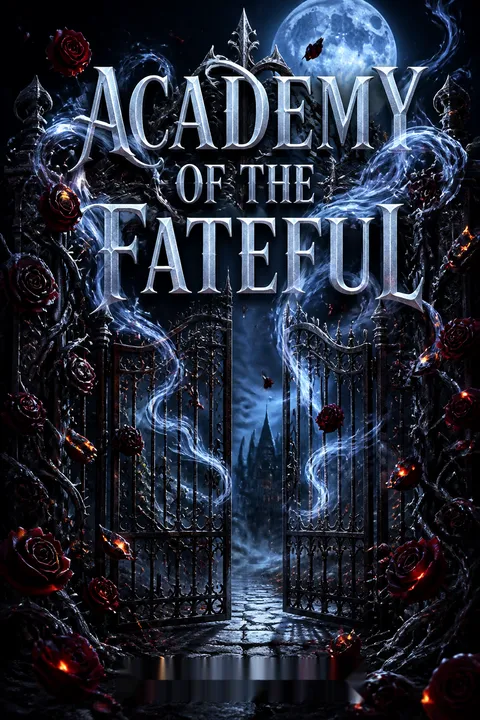
Trix stands at the heart of Roseborne College as the roses that bind each student's life begin to wither at an alarming rate, signaling imminent death for many. The campus is thrown into panic as ghostly apparitions emerge, and the staff—revealed as vengeful spirits of students from a century ago—shed their human disguises. Trix, burdened by guilt over her own past and desperate to save her friends Ryo, Jenson, and Elias, realizes her attempt to destroy the source of the staff's power has only unleashed greater horrors. The group retreats to the dorms, seeking safety and answers, as the true nature of Roseborne's curse and the depth of its darkness become terrifyingly clear.
Ghosts of Guilt
The campus is overrun by ghosts drawn from the students' own histories, each apparition targeting its victim with a vision of their worst mistakes. Trix is confronted by Richie, a boy she once wronged, and is forced to relive the consequences of her jealousy and inaction. Each vision is a test: only by facing the truth and making amends can the students escape the ghosts' grip. The emotional toll is immense, as Trix and her friends realize that Roseborne's new torment is not just physical but deeply psychological, designed to break them by forcing them to confront the darkest corners of their souls.
Confessions in the Shadows
Jenson, caught by a ghost from his past, is thrust into a memory of his own emotional manipulation and betrayal. He is forced to admit the harm he caused, not just to others but to himself, as he confronts the roots of his behavior in a childhood shaped by con artists and survival. Trix, witnessing his confession, sees the vulnerability beneath his bravado. The group's bonds deepen as they share their stories and support each other through the visions, realizing that only honesty and self-acceptance can offer a path to redemption and, perhaps, escape.
Haunted by the Past
Trix seeks out her foster brother Cade, now trapped in a monstrous form by Roseborne's curse. She is drawn into his vision, witnessing the cycle of abuse and anger that shaped him. Their confrontation is raw and painful, as Trix challenges Cade's need for control and his inability to let go of his rage. The encounter leaves both wounded—physically and emotionally—but also marks a turning point. Trix begins to see that forgiveness, for herself and others, may be the only way to break free from the patterns of the past.
Bonds Tested, Truths Revealed
As the ghosts continue their assault, Ryo and Elias rally the remaining students, devising makeshift defenses using the remnants of the destroyed rosebush. The group's unity is tested as they face new apparitions and the threat of the staff's lingering power. Trix, injured and exhausted, returns to find her friends holding the line. Together, they realize that their only hope lies in confronting not just the spirits but the unresolved guilt and pain within themselves. The power of their connection becomes a shield against the darkness.
Cade's Beast Within
Cade, still in his beastly form, attacks Trix and Jenson in a fit of jealousy and confusion, leaving them both wounded. The incident forces Trix to confront the reality of Cade's possessiveness and the damage it has caused. She stands her ground, refusing to be controlled or defined by his anger. The group, now more united than ever, tends to their wounds and prepares for the final confrontation with Roseborne's founders, knowing that the true battle is as much within as without.
The Power of Forgiveness
Each member of the group is drawn into a final, personal vision by the ghosts of their pasts. Ryo relives the car crash that killed his friends and a family, Elias faces his estranged sister and the weight of his family's expectations, and Trix is forced to confront Sylvie, the girl whose death she inadvertently caused. Through these harrowing encounters, they each find the strength to forgive themselves and others, breaking the hold of guilt and shame. Forgiveness becomes the key to unlocking their power and hope.
Love in the Ruins
In a rare moment of respite, Trix and her lovers—Elias, Ryo, and Jenson—find solace in each other's arms. Their physical and emotional intimacy becomes an act of defiance against the despair of Roseborne, reaffirming their commitment to one another and to survival. The love they share is not just a comfort but a source of power, grounding them for the final battle. In the ruins of the college, they create a sanctuary of trust and acceptance, proving that even in the darkest places, love can flourish.
Facing the Founders
The group confronts the spirits of the original eight students who founded Roseborne's curse. Trix, channeling the spirit of her ancestor Winston, challenges Mildred and Oscar, the leaders of the vengeful cabal. Through visions and memories, the truth of the original massacre is revealed: the founders, once victims, became perpetrators, perpetuating a cycle of violence. Trix's empathy and connection to Winston allow her to reach Mildred, planting the seeds of doubt and the possibility of change within the spirits themselves.
Sacrifice and Salvation
As the spirits attempt to force Trix to kill Cade in a twisted ritual, she refuses, choosing forgiveness over vengeance. In a moment of clarity, Cade sacrifices himself to save Elias, breaking the cycle of violence that has defined his life. His death is both a tragedy and a release, freeing Trix from his hold and empowering her with the strength of his final, selfless act. The spirits, weakened by this act of love and sacrifice, begin to lose their grip on the college.
Breaking the Chains
With the power of forgiveness and sacrifice surging through her, Trix channels Winston's spirit one last time. She offers forgiveness to the founders, releasing their hold on Roseborne and allowing the roses to bloom anew. The college crumbles, the spirits fade, and the students are freed. Trix, forever changed by the ordeal, leads her friends through the open gate, leaving the ruins of Roseborne behind. The chains of guilt, shame, and vengeance are finally broken.
The Gate Opens
The survivors gather at the gate, hesitant but hopeful. Trix urges them to use their second chance to make amends and build better lives. As they step into the world beyond Roseborne, the weight of the past lingers, but so does the promise of redemption. The group, scarred but united, faces an uncertain future with the knowledge that they have the power to choose forgiveness, love, and growth over the darkness that once defined them.
After the Storm
One year later, Trix and her three lovers have built a life together, healing from their trauma and finding purpose in helping others. The memory of Cade lives on in the lime trees grown from the magical fruit of Roseborne, a symbol of transformation and hope. Each member of the group has found a way to use their experiences for good, supporting one another and the world around them. The scars of Roseborne remain, but they are no longer chains—they are reminders of the strength found in forgiveness, love, and the courage to face the past.
Analysis
Academy of the Fateful is a powerful meditation on the cycles of trauma, guilt, and vengeance, and the redemptive possibilities of forgiveness, love, and chosen family. Through its supernatural plot and emotionally charged character arcs, the novel explores how the wounds of the past—whether personal or inherited—can imprison individuals and communities in patterns of harm. The story's structure, with its relentless visions and confrontations, forces both characters and readers to grapple with the uncomfortable truth that healing requires not just confession but genuine atonement and the courage to let go. The reverse harem dynamic is not mere fantasy wish-fulfillment but a narrative device that models healthy, consensual, and supportive relationships in contrast to the toxic bonds of the past. The ultimate lesson of the book is that freedom is not achieved by erasing the past or punishing oneself forever, but by facing one's mistakes, making amends, and choosing to build something better—together. In a world where cycles of pain often seem unbreakable, Academy of the Fateful offers a vision of hope: that even the most haunted can find peace, and that love, in all its forms, is the most transformative magic of all.
Review Summary
People Also Read





Characters
Trix Corbyn
Trix is the emotional and narrative center of the story—a young woman marked by guilt, resilience, and a fierce desire to protect those she loves. Her journey is one of self-forgiveness and empowerment, as she confronts the consequences of her jealousy and the trauma of her past with Cade. Trix's relationships with Ryo, Jenson, and Elias are transformative, teaching her the value of vulnerability, trust, and love. Her connection to Winston, her ancestor, gives her unique power but also burdens her with the responsibility to break the cycle of vengeance. Trix's arc is one of moving from self-loathing to self-acceptance, ultimately becoming a force for healing and redemption.
Cade
Cade is Trix's foster brother and the embodiment of the story's themes of control, anger, and the longing for love. Cursed to become a beast, Cade's monstrous form externalizes his inner turmoil and the violence he both suffered and inflicted. His relationship with Trix is complex—protective yet possessive, loving yet damaging. Cade's inability to let go of his need for control leads to his downfall, but his final act of sacrifice redeems him, allowing him to break free from the cycle of abuse and give Trix the freedom she needs. Cade's death is both a loss and a liberation, for himself and for Trix.
Ryo
Ryo is the heart of the group, offering levity and hope even in the darkest moments. His past as an addict and the tragedy of the car crash that killed his friends and a family haunt him, but he faces his guilt with honesty and a willingness to change. Ryo's ability to forgive himself and others becomes a model for the group, and his love for Trix is pure and supportive. He is a bridge between the others, helping to unite them and reminding them of the possibility of joy and healing. Ryo's journey is one of transformation from shame to acceptance, and from isolation to connection.
Jenson
Jenson is a master manipulator, shaped by a childhood of cons and survival. His inability to speak the truth at Roseborne is both a curse and a metaphor for his struggle to be authentic. Through the visions forced upon him, Jenson confronts the harm he has caused and the emptiness of his old life. His relationship with Trix and the others teaches him the value of honesty, vulnerability, and real connection. Jenson's arc is about breaking free from the patterns of deception and learning to trust and be trusted, ultimately finding redemption through love and self-acceptance.
Elias
Elias is the group's anchor, a former student turned teacher, driven by a need to succeed and haunted by the loss of his sister and the weight of his family's legacy. His journey is one of learning to let go of perfectionism and embrace vulnerability. Elias's relationship with Trix and the others softens his rigid exterior, allowing him to find strength in community and compassion. His willingness to sacrifice for the group and his eventual acceptance of love and imperfection mark his growth from isolation to belonging.
Winston Baker
Winston is Trix's great-grandfather and the only founder of Roseborne to reject the cycle of vengeance. His spirit, entwined with Trix, provides her with the power to challenge the other founders but also burdens her with their history. Winston's memories and regrets become a guide for Trix, showing her the possibility of forgiveness and change. His ultimate act—leaving Trix to join his old friends in peace—symbolizes the release of the past and the hope for a better future.
Oscar (Dean Wainhouse)
Oscar is the ringleader of the original eight, consumed by resentment and a need for retribution. His charisma and intelligence are twisted by his inability to let go of old wounds, making him both a formidable antagonist and a tragic figure. Oscar's interactions with Trix and the others reveal the dangers of clinging to pain and the corrosive power of vengeance. His eventual fading, as forgiveness takes hold, is both a defeat and a release.
Mildred Christoph (Professor Hubert)
Mildred is the most sympathetic of the founders, torn between loyalty to her friends and her feelings for Winston. Her willingness to listen to Trix and confront her own pain makes her a key to breaking the curse. Mildred's arc is one of letting go—of anger, of the past, and of unrequited love—allowing her to find peace and help free the others.
Sylvie
Sylvie is the girl whose death haunts Trix, representing the consequences of unchecked emotion and the need for atonement. Her ghost forces Trix to confront the full weight of her actions and the importance of taking responsibility. Sylvie's forgiveness, or at least her release, is essential to Trix's own healing and the breaking of Roseborne's curse.
Violet
Violet is a fellow student whose struggles and near-death experience highlight the brutality of Roseborne's system. Her survival and gratitude toward Trix underscore the story's themes of solidarity, compassion, and the possibility of change even for those most damaged by the past.
Plot Devices
Visions as Trials
The central device of the novel is the use of supernatural visions, triggered by ghosts from each character's past, that force them to relive and reckon with their worst actions and traumas. These visions are not mere flashbacks but immersive, inescapable trials that demand confession, atonement, and ultimately forgiveness. The structure of the story is thus episodic, with each major character undergoing a personal crucible that both deepens their development and advances the group's collective journey toward freedom.
Reverse Harem and Chosen Family
The romantic structure—Trix's deepening relationships with Ryo, Jenson, and Elias—serves as both a source of strength and a narrative counterpoint to the toxic, controlling love exemplified by Cade and the founders. The group's intimacy, trust, and mutual support are depicted as acts of resistance against Roseborne's isolating, punitive system. The chosen family they form is a model for the kind of healing and growth the story advocates.
Ancestral Power and Cycles of Violence
Trix's connection to Winston and the founders' history is both a source of supernatural power and a metaphor for the ways trauma and violence are passed down through generations. The narrative structure uses flashbacks and shared memories to reveal the origins of Roseborne's curse and to suggest that cycles of harm can only be broken by acts of forgiveness and self-sacrifice. The story's climax literalizes this theme, as Trix and her friends must choose to let go of vengeance and embrace compassion to escape.
Foreshadowing and Symbolism
The recurring imagery of roses—beautiful but deadly, tied to each student's life—serves as a constant reminder of the stakes and the possibility of renewal. The locked gate is both a literal and symbolic barrier, representing the characters' entrapment by their pasts and the challenge of breaking free. The narrative foreshadows the need for sacrifice and the ultimate triumph of love and forgiveness over hate and retribution.
About the Author








Download PDF
Download EPUB
.epub digital book format is ideal for reading ebooks on phones, tablets, and e-readers.








































