
Plot Summary
Blood in the Meadow
Alaric, ever the embodiment of control, unleashes his bloodlust in a brutal battle against rabid howlers, his violence a desperate outlet for the pain of Samara's absence. The House Harker court is fractured, with its leaders missing and rumors swirling about Samara's fate. Alaric's struggle is not just physical but deeply emotional, as he grapples with the fear of losing himself to bloodlust and the guilt of failing those he loves. The chapter sets the tone for a world on the brink, where every character is pushed to their limits by grief, uncertainty, and the looming threat of betrayal from within.
House Divided, Hearts Torn
The disappearance of Samara, Vail, and Draven leaves House Harker in chaos. Alaric, Kieran, and Roth clash over how to respond, each coping with loss in their own way. The arrival of a letter confirming Carmilla's rise to power and Vail's apparent betrayal deepens the rift. The group's trust is tested as they debate whether Vail has turned against them or is himself a victim of the crown's magic. The tension between personal loyalty and political necessity becomes a central theme, as the characters must decide whom to trust in a world where even family can become the enemy.
Dungeon Bonds and Betrayals
Imprisoned by her aunt Carmilla and tormented by her ex-husband Demetri, Samara endures physical pain and emotional anguish. Vail, once her closest ally, is now her jailer, and their relationship is strained by guilt and unresolved feelings. The cycle of pain and lust that defines Moroi biology adds another layer of vulnerability. Samara's resilience is tested as she plots escape, determined to protect her lovers and friends even as she is manipulated by those she once trusted most. The dungeon becomes a crucible for transformation, forging new bonds and exposing old wounds.
Crown of Silver and Gold
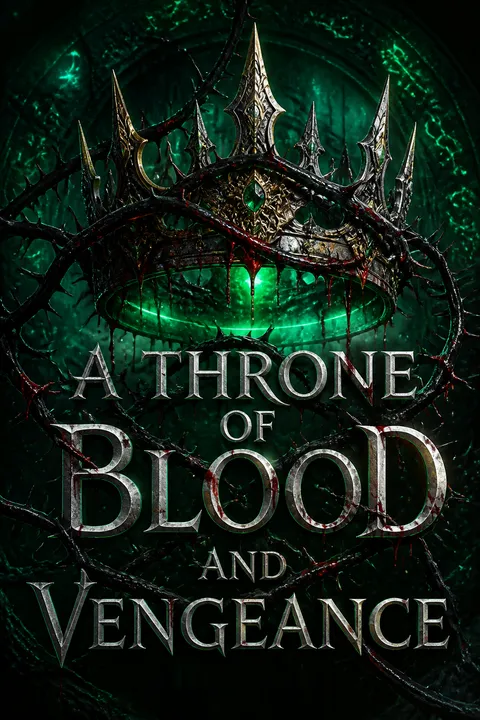
Carmilla's possession of the united soul crown gives her the ability to strip free will from others, a power she wields with increasing ruthlessness. Samara's confrontation with her aunt reveals the depth of Carmilla's ambition and the extent of her manipulation. The crown itself is revealed to be sentient, capable of communicating with Samara and hinting at her hidden heritage. The struggle for control—of the crown, of the Houses, and of one's own mind—becomes the central conflict, with Samara caught between her loyalty to her people and the threat posed by her own bloodline.
Lust, Pain, and Power
The aftermath of Samara's cycle brings her lovers together in a desperate attempt to reclaim agency and pleasure amidst chaos. The boundaries between love, pain, and power blur as Samara, Draven, and Vail navigate their complicated relationships. The physicality of their encounters mirrors the emotional intensity of their struggles, with each character seeking solace and strength in the arms of the others. The chapter explores the ways in which intimacy can be both a weapon and a refuge, and how the bonds forged in adversity can become a source of resilience.
The Gathering Storm
Roth, Kieran, and Alaric journey to House Devereux, seeking aid from Roth's formidable family. The reunion is both comedic and poignant, highlighting the importance of chosen family in a world where blood ties can be a curse. The Devereux clan's paranoia and strength become assets as the group plans a daring rescue of Samara and Draven. The chapter underscores the necessity of unity in the face of overwhelming odds, as well as the enduring scars left by past betrayals and the hope that comes from reconciliation.
Secrets Beneath the Surface
The group's escape from the Sovereign House leads them to a network of secret tunnels and Fae-built sanctuaries. Here, the mysteries of the soul crown, the origins of the Moroi, and the true nature of Samara's heritage begin to unravel. The sentient crown, Talis, becomes both a guide and a burden, offering cryptic wisdom and demanding loyalty. The characters must confront the legacy of the Fae, the cost of power, and the possibility that their destinies are shaped by forces beyond their understanding.
The Queen's Gambit
With Carmilla's forces closing in and Erendriel, the Seelie King, seeking to use her for his own ends, Samara crafts a daring strategy to reclaim her birthright and protect her people. The lines between ally and enemy blur as bargains are struck with ancient powers and old wounds are reopened. The chapter is a high-stakes game of deception, where every move could mean salvation or destruction. Samara's growth as a leader is evident as she balances compassion with ruthlessness, determined to forge a new future for the Moroi.
Strigoi and Sacrifice
The battle with Carmilla's forces and the wraiths brings devastating losses. Friends are turned into Strigoi, forced to fight those they love, and sacrifices must be made to ensure the group's survival. The transformation of Nyx, the deaths of Adrienne and Emil, and the trauma inflicted by the crown's magic leave lasting scars. The chapter explores the limits of loyalty, the pain of necessary violence, and the hope that redemption is possible even for those who have been broken by darkness.
The Price of Loyalty
Vail's journey to rescue Tamsen and his confrontation with his own guilt become a crucible for his relationship with Samara. The bonds of matehood are tested as trust is rebuilt through acts of courage and vulnerability. The theme of loyalty—what it demands, what it costs, and how it can be reclaimed—runs through every interaction. The chapter is a meditation on the possibility of healing after betrayal, and the strength that comes from choosing to love even when it is difficult.
The Forgotten Queen
The revelation of Samara's true heritage as the granddaughter of the Seelie King transforms her from pawn to queen. The sentient crown, Talis, becomes her ally, and the power of the mate bonds unites her lovers in a new kind of sovereignty. The final confrontation with Carmilla is both brutal and cathartic, a reckoning for years of manipulation and pain. Samara's victory is not just over her aunt, but over the legacy of fear and division that has haunted the Moroi for generations.
Bargains with Shadows
The aftermath of Carmilla's death brings new challenges as Samara must navigate the treacherous politics of the Moroi Houses, the ambitions of Erendriel, and the lingering threat of the wraiths. The transformation of the crown into the rings of the Blood Sovereign marks a new era, but also a new set of responsibilities. The chapter explores the dangers of power, the necessity of compromise, and the enduring hope that comes from forging one's own path.
The Blood Sovereign Rises
With the Houses united under her rule and the soul crown transformed, Samara becomes the Blood Sovereign. The mate bonds, the wisdom of Talis, and the lessons of pain and love become the foundation of a new era for the Moroi. The chapter is both a celebration and a warning, as old enemies remain and new challenges loom. The journey from victim to queen is complete, but the cost is etched in every scar and every memory.
Mates, Monsters, and Magic
The epilogue brings closure and new beginnings as Samara and her mates celebrate their union in a Devereux-style wedding. The scars of the past remain, but the bonds of love and chosen family offer hope for the future. The transformation of Nyx, the reconciliation with Roth's family, and the promise of new adventures underscore the central message: survival is not enough—one must also find joy, connection, and purpose. The story ends with a sense of hard-won peace, but the promise of more battles, more love, and more magic to come.
Analysis
A Throne of Blood and Vengeance is a masterful exploration of power, trauma, and the redemptive potential of love. At its core, the novel is about the struggle to reclaim agency in a world where every system—family, House, magic—seeks to control or consume. Samara's journey from pawn to queen is both deeply personal and profoundly political, as she learns to wield power not for its own sake, but to protect and unite those she loves. The novel's polyamorous structure is not just a romantic choice, but a thematic one: it is only through the forging of multiple, overlapping bonds that the characters are able to survive and heal. The sentient crown, Talis, is a brilliant metaphor for the burden of legacy and the longing for connection, while the recurring motif of transformation—of bodies, of magic, of relationships—underscores the possibility of change even in the darkest of circumstances. The story does not shy away from the cost of survival: betrayal, loss, and violence leave lasting scars. But it insists, again and again, that hope is possible—not as a naive optimism, but as a hard-won commitment to building something better. The lesson is clear: true sovereignty is not about ruling others, but about forging bonds strong enough to withstand the storms of history, and about choosing, again and again, to love in a world that would rather you hate.
Review Summary
A Throne of Blood and Vengeance concludes Samara's trilogy in the Lunaria Realms series with high-stakes action, political intrigue, and intense romance. Readers praised the "why choose" dynamics, spicy scenes, found family themes, and character development, particularly Vail's redemption arc. The audiobook narration by Eva Caine and Zane Daniels received acclaim. Reviewers loved Samara's sassy personality, her relationships with love interests and friends Rynn and Cali, and world-building around fae lore. Most found it a satisfying conclusion while eagerly anticipating future books focusing on supporting characters.
Characters
Samara Harker
Samara is the heart of the narrative—a woman shaped by loss, betrayal, and the relentless demands of leadership. Raised by her manipulative aunt Carmilla after her parents' murder, Samara's journey is one of self-discovery and transformation. Her relationships are complex: she loves fiercely and is loved by many, yet trust does not come easily. The revelation of her Fae heritage and her bond with the sentient crown, Talis, force her to confront the legacy of power and the cost of sovereignty. Samara's psychological arc is defined by her struggle to balance compassion with ruthlessness, vulnerability with strength. Her development from pawn to Blood Sovereign is marked by sacrifice, resilience, and the forging of unbreakable bonds with her mates. She is both a victim and a victor, haunted by the past but determined to shape a better future.
Vail Ferenc
Vail is Samara's childhood friend turned complicated lover, whose loyalty to Carmilla leads to devastating betrayal. His journey is one of guilt, self-loathing, and the desperate need for forgiveness. Vail's relationship with Samara is fraught with unresolved tension, passion, and pain. He is a man who has lost his way, haunted by the deaths of his parents and the rangers he failed to protect. Vail's psychological complexity lies in his struggle to reconcile his need for control with his capacity for love. His redemption is hard-won, achieved through acts of courage, vulnerability, and the willingness to sacrifice himself for those he loves. Vail's arc is a testament to the possibility of healing after betrayal, and the strength that comes from choosing to love even when it is difficult.
Draven Nacht
Draven is the son of the Seelie King and the late Moroi Queen, a man caught between worlds and destinies. His Fae heritage makes him both a target and a weapon, and his life is defined by manipulation, trauma, and the search for belonging. Draven's relationship with Samara and Kieran is a source of solace and strength, but also a reminder of all he has lost. His psychological arc is marked by the struggle to reclaim agency, to forgive himself for the things he was forced to do, and to find hope in love. Draven's development is a journey from pawn to partner, from victim to co-sovereign, as he learns to wield his power for good and to trust in the bonds he has forged.
Kieran Blake
Kieran is the emotional center of the group, a man whose wit and warmth mask deep insecurities about his worth. As a courtier, he is skilled at reading people and navigating political intrigue, but his greatest strength is his capacity for love and loyalty. Kieran's relationship with Samara and Draven is a source of joy and healing, but also a battleground for his fears of inadequacy. His psychological arc is one of self-acceptance, as he learns to see himself as worthy of love and power. Kieran's development is a reminder that strength comes in many forms, and that hope is a weapon as powerful as any sword.
Alaric Lockwood
Alaric is the embodiment of discipline and restraint, a man who fears the chaos within himself as much as the dangers outside. His relationship with Samara is defined by rivalry, respect, and a slow-burning passion that becomes a source of stability for them both. Alaric's psychological struggle is with his own bloodlust and the terror of losing control, a fear rooted in family trauma. His arc is one of learning to trust—not just others, but himself. Alaric's journey is about embracing vulnerability, accepting love, and finding freedom in surrender.
Roth Devereux
Roth is the nonbinary librarian whose intellect and magical prowess make them indispensable. Estranged from their warrior family, Roth finds belonging with Samara and her lovers. Their psychological arc is about reconciling the desire for solitude with the need for connection, and learning to accept love in all its messy forms. Roth's development is marked by the forging of mate bonds, the healing of family rifts, and the embrace of their own power. They are both a source of comic relief and profound insight, a reminder that knowledge is as vital as strength.
Carmilla Harker
Carmilla is the architect of much of the story's pain—a woman whose ambition and cunning are matched only by her capacity for betrayal. She raises Samara as a weapon, only to become her greatest enemy. Carmilla's psychological complexity lies in her ability to justify any action for the greater good, even as she destroys those she claims to love. Her arc is a cautionary tale about the dangers of unchecked power and the corrosive effects of fear. Carmilla's downfall is both inevitable and heartbreaking, a reminder that even the strongest can be undone by their own darkness.
Nyx Corvinus
Nyx is a tragic figure, transformed into a Strigoi by the crown's magic and forced to fight those they love. Their journey is one of survival, guilt, and the search for redemption. Nyx's relationship with Samara and Tamsen is a lifeline, but the scars of their transformation run deep. Their psychological arc is about reclaiming agency, accepting help, and finding a place in a world that fears what they have become. Nyx's story is a meditation on the possibility of healing after trauma, and the enduring power of friendship.
Calypso Rayne (Cali)
Cali is the most powerful Furie of her generation, a woman whose rage and magic make her both a weapon and a target. Her friendship with Samara and Rynn is a source of strength, but also a vulnerability that others seek to exploit. Cali's psychological arc is about balancing the demands of power with the need for connection, and learning to trust in the bonds she has forged. Her development is marked by sacrifice, resilience, and the refusal to be defined by fear.
Talis (The Crown)
Talis is the soul crown, a sentient Fae artifact whose power to bind and see souls makes it both a prize and a burden. Its relationship with Samara is one of mutual need and growing affection, as it seeks not to be abandoned and she seeks to wield its power responsibly. Talis's psychological arc is about the longing for connection, the pain of loneliness, and the hope that comes from being seen and named. Its transformation from crown to rings symbolizes the possibility of change, redemption, and a new kind of sovereignty.
Plot Devices
Sentient Artifact and Mate Bonds
The narrative structure of A Throne of Blood and Vengeance is built around the interplay of ancient magic, personal identity, and the forging of unbreakable bonds. The sentient soul crown, Talis, serves as both a plot device and a character, its power to bind and see souls mirroring the emotional bonds between Samara and her mates. The mate bonds themselves are a central device, providing both strength and vulnerability, and allowing for the exploration of polyamorous love in a world defined by violence and betrayal. Foreshadowing is used extensively, with early hints about Samara's heritage, the true nature of the crown, and the dangers of unchecked power paying off in the climactic transformation of the crown and the rise of the Blood Sovereign. The use of hidden rooms, ancient glyphs, and Fae bargains creates a layered narrative, where every revelation opens new questions and every victory comes at a cost. The story's structure is cyclical, with themes of betrayal, loss, and redemption repeating across generations, but ultimately resolved through the forging of new bonds and the embrace of hope.
Download PDF
Download EPUB
.epub digital book format is ideal for reading ebooks on phones, tablets, and e-readers.








































