
Plot Summary
Healer's Uneasy Calling
Moreina di Bianco, an eighteen-year-old healer in the coastal village of Barnham, is haunted by an unshakable sense of foreboding. Her days are filled with tending to the sick and injured, a role thrust upon her after her mother's death. Though respected for her skill, she feels isolated, her only companions the animals on her farm and the memories of her mother's teachings. When the village governor summons her, Moreina's intuition warns her that her life is about to change. The kingdom is on the brink of collapse, and rumors swirl of a prophecy that could alter the fate of all. Moreina's skepticism about magic and destiny is challenged as she's drawn into events far beyond her quiet existence.
Prophecy and Reluctant Destiny
Governor Arden reveals the ancient Prophecy of the White Sorceress, believed to foretell the kingdom's salvation. The prophecy speaks of a woman with "hair so light," two suitors, and a talisman of great power. Moreina is asked to join a group of candidates—young women from coastal villages—on a quest to recover the lost Faranzine Talisman, the key to awakening the prophesied sorceress. Though she doubts the prophecy's validity, Moreina's sense of duty and her mother's words about embracing one's calling compel her to accept. She is joined by Quinn, the governor's enigmatic son, and Niles, a charming soldier, both of whom will become central to her journey and the prophecy's unfolding.
Gathering the Chosen
The chosen candidates, all fair-haired and young, gather under the watchful eyes of their escorts. Moreina observes their excitement and naivety, feeling both protective and skeptical. Niles and Quinn, tasked with guiding and protecting the group, reveal a simmering rivalry. As the party prepares to journey north to the Plymann Cliffs, Moreina forms a tentative friendship with Selena, a candidate eager to learn the healing arts. The group's dynamic is shaped by hope, fear, and the weight of expectations, as each girl wonders if she might be the prophesied savior. Moreina, meanwhile, remains an outsider, her practical skills valued but her belief in magic still wavering.
Northward to the Cliffs
The expedition travels north through wild, dangerous lands toward the rumored resting place of the talisman. The candidates' initial excitement fades as hardship, cold, and fatigue set in. Moreina's healing skills are in constant demand, and her bond with Selena deepens. Niles's charm and Quinn's quiet strength both draw and unsettle her. Along the way, Moreina experiences visions—her inherited "sight"—that hint at both success and ominous consequences. The group splits to search two possible sites: the ancient stone circle of Stonehaven and a ruined monastery. Moreina's unease grows as she senses that the prophecy's fulfillment may come at a terrible cost.
Secrets Beneath Stonehaven
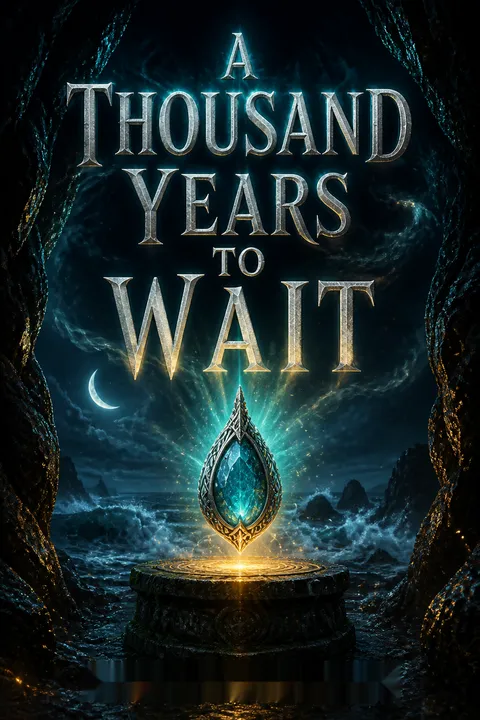
At Stonehaven, Moreina discovers she alone can feel warmth emanating from the ancient stones, a sensation no one else shares. Her visions intensify, showing flashes of stone, water, and a glowing gem. Despite exhaustive searching, the talisman remains hidden. Frustration mounts, and the group reunites, tempers fraying. Moreina's intuition leads her to realize the talisman is hidden in the perilous sea caves below the cliffs, accessible only at low tide. She and Quinn brave the treacherous descent, facing deadly winds and the threat of drowning. In the darkness, they find a cavern beneath Stonehaven, its walls pulsing with the same warmth only Moreina can sense. The talisman's presence is near, but danger is closer still.
The Talisman's Choice
The group enters the sea caves at low tide, racing against time and the rising water. After a frantic search, the talisman is found high in a niche. In the chaos that follows, it is accidentally thrown toward Moreina, who catches it—feeling a jolt of power. The talisman rejects all others, shocking anyone who tries to touch it, but settles into a steady hum against Moreina's skin. The candidates and escorts are stunned: the prophecy has chosen not one of the fair-haired girls, but the practical, skeptical healer. Moreina is declared the White Sorceress, though she protests, convinced it's a mistake. The group's return is marred by tragedy as Selena is swept away and drowned, a loss that haunts Moreina and cements her resolve to see the quest through.
Peril and Loss
The journey home is shadowed by grief and uncertainty. Moreina is burdened by guilt over Selena's death and the unwanted mantle of the prophecy. The talisman's power is unpredictable, sometimes sparking painfully, sometimes humming with energy. Niles and Quinn both become more protective, their rivalry deepening as they vie for Moreina's trust and affection. Upon returning to Barnham, the group finds the village attacked and abandoned, its people in hiding. The reality of war and the threat of Bruenner's forces become undeniable. Moreina's sense of isolation grows as the prophecy's demands—and the kingdom's hopes—are placed squarely on her shoulders.
The Weight of Power
Moreina, now publicly recognized as the White Sorceress, is swept into political intrigue. She is summoned to Gillesmere to consult with the high council, including the formidable Madam Bonverno. There, she is urged to unlock the talisman's secrets and find a way to end the war. Moreina struggles to access its power, discovering it responds only in the presence of Quinn. Her relationship with both Quinn and Niles becomes more complicated, as affection, jealousy, and the prophecy's mention of two suitors create emotional turmoil. Meanwhile, assassins and traitors close in, and Moreina is forced to flee, disguised and on the run, with Niles and Quinn both pursuing her for their own reasons.
Fugitives and Revelations
On the run, Moreina is joined first by Niles, then by Quinn, who reveals himself as an agent of a secret order sworn to protect the sorceress. Niles's true nature is exposed: he is not the loyal protector he seemed, but an ambitious traitor seeking power for himself. Moreina's feelings for Quinn deepen as they survive betrayal, assassination attempts, and the harsh winter wilderness together. The talisman's power grows stronger, allowing Moreina to create life—plants, food, even healing wounds—but only when Quinn is near. The prophecy's meaning becomes clearer: the sorceress's power is bound to her choice of suitor, and the fate of the kingdom hinges on her heart as much as her magic.
The Web of Betrayal
Niles, revealed as a traitor, captures Moreina and Quinn, delivering them to Bruenner, the usurping general. Bruenner, obsessed with the prophecy, plans a public execution to cement his rule and destroy hope for resistance. Moreina is separated from Quinn and stripped of the talisman, her power seemingly lost. In captivity, she faces humiliation and the threat of violence, but also discovers that her power may not reside solely in the talisman. Allies emerge in unexpected places, including a young soldier, Henley, and Captain Brigantino, who is revealed to be another agent of the secret order. The stage is set for a final confrontation, with Moreina's life—and the kingdom's future—hanging in the balance.
Allies in the Shadows
As the day of execution approaches, Moreina and Quinn are reunited through the intervention of Brigantino, who orchestrates a daring rescue from within Bruenner's ranks. Moreina regains the talisman with Henley's help, and the resistance forces, summoned by her earlier messages, converge on the camp. The prophecy's final lines echo in her mind: truth, choice, and the power to save or doom the kingdom. Moreina and Quinn's love, now fully realized, becomes the key to unlocking the talisman's full potential. The stage is set for a public reckoning, with thousands gathered to witness the outcome.
The King's True Heir
In a dramatic confrontation before the assembled soldiers and townsfolk, Moreina exposes Bruenner's crimes and declares Quinn as the lost prince, the rightful heir to the throne. The talisman's power, amplified by their bond, is unleashed—not as a weapon of destruction, but as a force of life and healing. Bruenner's army is incapacitated by a surge of natural flora within their bodies, a non-lethal but overwhelming force. Bruenner himself is aged to the brink of death by Moreina's magic, his reign ended not by bloodshed but by the very power he sought to control. The prophecy is fulfilled: the sorceress's choice brings renewal, not ruin, and the kingdom is saved by love and truth.
The Final Confrontation
In the aftermath of victory, Quinn is gravely wounded protecting Moreina from Bruenner's final attack. Desperate, Moreina channels the talisman's power to heal him, risking her own life in the process. The act of healing, an ultimate expression of her gift, nearly kills her but succeeds in saving Quinn. The resistance forces secure the camp, and Bruenner's remaining followers are captured or flee. The kingdom's future is secured, not by violence, but by the restoration of rightful leadership and the promise of a new era. Moreina and Quinn, united by love and destiny, face the challenges of rebuilding together.
Life, Death, and Renewal
As Moreina recovers from her ordeal, she reflects on the journey from reluctant healer to legendary sorceress. The cost of victory is measured in lives lost and innocence sacrificed, but also in the hope restored to a battered kingdom. Quinn, now revealed as King Eron, prepares for coronation, insisting that Moreina remain by his side as both queen and healer. The prophecy's true meaning is revealed: power is not in magic alone, but in compassion, choice, and the willingness to embrace one's destiny. The kingdom begins to heal, and Moreina finds peace in the knowledge that her mother's faith in her was not misplaced.
Home Is Where You Are
With the war ended and the prophecy fulfilled, Moreina and Quinn look to the future. Their love, forged in hardship and tested by fate, becomes the foundation of a new era for Castilles. Moreina, once an outsider and skeptic, embraces her role as both healer and queen, determined to use her gifts for the good of all. The lessons of the journey—about power, sacrifice, and the importance of choice—shape the new kingdom. Home, Moreina realizes, is not a place but the people she loves and the purpose she has found. Together, she and Quinn face the challenges ahead, united by destiny and by the thousand years it took to bring them together.
Analysis
A Thousand Years to Wait is a coming-of-age fantasy that interrogates the nature of destiny, power, and agency through the lens of a reluctant heroine. At its heart, the novel is about the tension between fate and free will: Moreina is chosen by prophecy, but it is her choices—whom to trust, whom to love, how to use her power—that determine the kingdom's future. The story subverts traditional "chosen one" narratives by emphasizing the importance of compassion, healing, and sacrifice over violence and conquest. The prophecy, while central, is revealed to be a tool for inspiring hope and action, not a script to be blindly followed. The novel's treatment of love—as both a source of strength and vulnerability—challenges the idea that power is solitary, instead suggesting that true magic arises from connection and mutual support. In a modern context, the book resonates as a call to embrace one's gifts, question inherited narratives, and recognize that leadership is an act of service, not domination. The lessons of Moreina's journey—about the costs of war, the necessity of truth, and the redemptive power of love—offer a hopeful vision for readers seeking meaning in uncertain times.
Review Summary
A Thousand Years to Wait receives an overall rating of 4.1/5, with most readers praising its strong female protagonist Reina, imaginative world-building, and compelling blend of prophecy, magic, and romance. Many found it a page-turner they couldn't put down, highlighting Quinn as a standout love interest. Common critiques include predictability, occasional tonal inconsistency between medieval and modern dialogue, and some pacing issues in the middle. Several readers noted a content warning for an attempted assault scene. Most eagerly anticipate the next book in the series.
People Also Read

Characters
Moreina di Bianco
Moreina is the novel's protagonist, an eighteen-year-old healer thrust into the center of a kingdom's fate. Orphaned young, she is practical, compassionate, and skeptical of magic, relying on her mother's teachings and her own intuition. Her "sight" gives her visions and a sense of impending death, but she resists the idea of destiny until forced to confront the prophecy of the White Sorceress. Moreina's journey is one of reluctant acceptance: she must embrace her power, navigate political intrigue, and make impossible choices. Her relationships—with Quinn, Niles, and her village—reveal her deep need for belonging and her fear of failing those she loves. Ultimately, Moreina's greatest strength is her capacity for healing, sacrifice, and love, which become the true magic that saves her world.
Quinn D'Arturio / Eron Alexandre Morel
Quinn is Moreina's childhood friend, the governor's son, and later revealed as the lost prince and rightful king. Quiet, observant, and fiercely loyal, Quinn is haunted by secrets: his training as an agent of the Order of the Southern Cross, his hidden lineage, and his unspoken love for Moreina. His sense of duty often conflicts with his desires, leading to emotional restraint and self-sacrifice. Quinn's journey is one of self-discovery and acceptance of his role as both protector and leader. His bond with Moreina is the key to unlocking the prophecy's power, and his willingness to risk everything for her cements his place as both king and beloved.
Niles Ingram
Niles begins as a charismatic protector, handpicked to escort the candidates. His easy charm and apparent loyalty mask a deep ambition and moral ambiguity. As the story unfolds, Niles's true nature is revealed: he is willing to betray friends and kingdom alike for power, believing himself to be the subject of a rival prophecy. His rivalry with Quinn and manipulative pursuit of Moreina drive much of the novel's tension. Niles's psychological complexity lies in his need for validation and his inability to accept a supporting role in history. Ultimately, his choices lead to isolation and downfall, a cautionary tale of ambition unchecked by conscience.
Governor Arden D'Arturio
Governor Arden is both a surrogate father to Moreina and the architect of the quest to fulfill the prophecy. Warm, talkative, and deeply invested in the kingdom's fate, he balances political acumen with genuine care for his people. As an assessor for the Order, he is responsible for recruiting agents like Quinn and interpreting the prophecy. His belief in Moreina's potential and his willingness to challenge tradition make him a catalyst for change. Arden's role as both leader and parent highlights the importance of guidance, trust, and the courage to act in uncertain times.
Madam Laurelle Bonverno
Madam Bonverno is a former royal advisor and the council's most influential member. Regal, sharp-tongued, and fiercely protective, she becomes Moreina's mentor and confidante. Her experience surviving political upheaval and personal loss gives her a pragmatic outlook and a deep understanding of power's dangers. Laurelle's encouragement helps Moreina accept her destiny, and her skepticism of soldiers and politicians provides a counterbalance to blind faith in prophecy. She embodies the wisdom of age and the resilience required to endure a thousand years of waiting for change.
Selena Mayst
Selena is a young candidate who befriends Moreina and aspires to become a healer. Intelligent, compassionate, and quietly determined, she represents the potential for renewal and the cost of sacrifice. Selena's death during the quest is a turning point for Moreina, fueling her resolve and underscoring the stakes of the prophecy. Her memory lingers as a reminder of what is lost in the pursuit of destiny and the importance of passing on knowledge and kindness.
Captain Brigantino
Brigantino is introduced as a fearsome captain in Bruenner's army but is later revealed as an undercover agent loyal to the true king. His gruff exterior hides a deep sense of duty and honor. Brigantino's actions are guided by the secret mission to protect the sorceress and the heir, even at great personal risk. His presence in the enemy's camp provides the crucial turning point that allows Moreina and Quinn to escape and fulfill the prophecy. He embodies the theme of hidden strength and the power of loyalty.
General Marcus Bruenner
Bruenner is the primary antagonist, a ruthless military leader who seizes the throne after the king's death. Driven by ambition, paranoia, and a twisted belief in his own destiny, he orchestrates war, destruction, and the suppression of hope. Bruenner's obsession with the prophecy and his need to control the narrative lead to his downfall. His psychological complexity lies in his capacity for both calculated cruelty and self-delusion. Bruenner's end—aged and defeated by the very magic he sought to destroy—serves as a warning against the corrupting influence of unchecked power.
Private James Henley
Henley is a young soldier in Bruenner's army, drafted by family obligation rather than conviction. His internal conflict and eventual decision to help Moreina recover the talisman highlight the theme of individual choice in the face of systemic evil. Henley's small act of courage becomes pivotal in the final confrontation, demonstrating that even the powerless can shape history through compassion and bravery.
Esmé di Bianco (Moreina's Mother)
Though deceased before the story begins, Esmé's influence pervades Moreina's life. Her teachings, wisdom, and faith in her daughter's potential shape Moreina's choices and resilience. Esmé's legacy is the foundation upon which Moreina builds her identity as both healer and sorceress. Her memory serves as a touchstone for the novel's exploration of inheritance, loss, and the enduring power of love.
Plot Devices
The Prophecy of the White Sorceress
The prophecy is the central plot device, shaping characters' motivations, alliances, and fears. Its cryptic verses—about a woman with "hair so light," two suitors, a talisman, and the fate of the kingdom—create both hope and anxiety. The ambiguity of translation and interpretation allows for misdirection, as characters struggle to determine who the prophecy truly refers to and how it should be fulfilled. The prophecy's mention of choice, truth, and the consequences of selecting the wrong suitor introduces moral complexity and foreshadows the emotional stakes. Ultimately, the prophecy is revealed to be less about magical destiny and more about the power of agency, love, and the willingness to embrace one's role in shaping history.
The Faranzine Talisman
The talisman is both a literal and symbolic key to the prophecy's fulfillment. Its power is unpredictable, responding only to Moreina and, crucially, only in Quinn's presence. The talisman's ability to create life, heal, and ultimately incapacitate an army is a metaphor for the potential within each character to effect change. Its rejection of all but Moreina underscores the theme of unexpected destiny and the importance of authenticity. The talisman's limitations—its dependence on love and choice—reinforce the novel's message that true power lies not in objects, but in relationships and self-acceptance.
Dual Suitors and the Power of Choice
The prophecy's stipulation that the sorceress must choose between two suitors—one true, one false—creates emotional and ethical tension. Moreina's relationships with Quinn and Niles mirror the larger conflict between selfless love and selfish ambition. The suitors' rivalry, and Moreina's eventual choice, drive the plot and determine the outcome of the prophecy. This device explores the theme of agency: destiny is not imposed, but chosen, and the fate of the kingdom hinges on the protagonist's heart as much as her magic.
Hidden Identities and Secret Orders
The revelation that Quinn is the lost prince and that several characters are agents of a secret order adds layers of intrigue and suspense. These hidden identities allow for dramatic reversals, betrayals, and rescues, keeping the reader uncertain of whom to trust. The device also serves to critique the dangers of appearances and the necessity of looking beyond surface roles to discern true character and loyalty.
Healing, Sacrifice, and the Limits of Power
Moreina's identity as a healer is both literal and symbolic. Her ability to mend wounds, create life, and ultimately heal Quinn after he is mortally wounded, reflects the novel's emphasis on compassion, sacrifice, and the responsible use of power. The limits of her magic—its dependence on love, presence, and intention—underscore the message that true leadership is not about domination, but about service and the willingness to bear the burdens of others.
Foreshadowing and Visions
Moreina's inherited "sight" provides glimpses of possible futures, deaths, and turning points. These visions foreshadow key events, create suspense, and reinforce the tension between destiny and choice. The ambiguity of the visions—sometimes clear, sometimes misleading—mirrors the uncertainty of interpreting prophecy and the necessity of acting despite incomplete knowledge.
Download PDF
Download EPUB
.epub digital book format is ideal for reading ebooks on phones, tablets, and e-readers.








































