
Plot Summary
Arrival in Provincial France
The unnamed narrator, an American, arrives in the small French town of Autun, seeking escape from Paris and the anonymity of provincial life. He is both observer and outsider, absorbing the textures of the town—the stone houses, the Roman walls, the slow rhythm of daily life. The narrator's gaze is intimate yet detached, cataloguing the details of the landscape and its people, already hinting at the unreliability of his own perceptions. The town's quietness and the narrator's solitude set the stage for the story's central drama, as he becomes both chronicler and voyeur of a love affair that will unfold before him, blurring the lines between reality and imagination.
The Stranger's Observations
The narrator immerses himself in the routines and rituals of Autun, observing its inhabitants with a mixture of longing and alienation. He notes the town's doctors, the girls in shops, the old houses, and the subtle codes of French provincial life. His outsider status is palpable—he wishes to blend in, to understand the language and customs, but remains marked by his foreignness. The narrator's observations are tinged with desire, envy, and a sense of exclusion, foreshadowing his later obsession with the lives of others, particularly the young lovers he will soon encounter.
Parisian Nights and Introductions
The narrative shifts to Paris, where the narrator mingles with expatriates and the cosmopolitan elite. He is introduced to Billy and Cristina Wheatland, whose connections allow him access to the Wheatlands' house in Autun. At a glamorous party, he meets Phillip Dean, a young American recently returned from Spain, and Anne-Marie Costallat, a local French girl. The narrator's role as observer is cemented—he is both participant and outsider, drawn to the allure of youth, beauty, and the promise of romance. The city's sophistication contrasts with the provincial simplicity of Autun, highlighting the tensions between fantasy and reality.
Dean's Entrance
Phillip Dean, charismatic and restless, arrives in Autun driving a borrowed Delage convertible. He is welcomed by the narrator, who is both fascinated and envious of Dean's effortless charm and independence. Dean's presence disrupts the narrator's solitude, introducing a new energy and possibility into the quiet town. The two men form a tentative friendship, exploring the countryside and sharing meals, but the narrator remains acutely aware of Dean's difference—his youth, his beauty, and his capacity for experience. Dean's arrival marks the beginning of the novel's central relationship and the narrator's deepening obsession.
The Delage and New Friendship
Dean and the narrator spend their days driving through the French countryside, visiting nearby towns, and savoring the pleasures of food, wine, and conversation. Their friendship is marked by mutual admiration and subtle rivalry, as the narrator projects his own desires and regrets onto Dean. The Delage, with its faded elegance, becomes a symbol of freedom and escape, carrying them through landscapes both real and imagined. The narrator's role as chronicler intensifies—he records their adventures with a mixture of nostalgia and longing, aware that he is both participant and spectator in a story that is not his own.
Anne-Marie Appears
Anne-Marie, a young, working-class French woman, becomes the object of Dean's—and the narrator's—desire. She is introduced through mutual friends and quickly becomes central to Dean's experience of France. The narrator observes their courtship with fascination, noting Anne-Marie's innocence, sensuality, and vulnerability. Her presence awakens in Dean a sense of purpose and passion, while for the narrator, she represents both the unattainable and the idealized. The love affair that unfolds is filtered through the narrator's imagination, blurring the boundaries between observation, invention, and longing.
The Affair Begins
Dean and Anne-Marie embark on a passionate, clandestine affair, meeting in cheap hotels and secluded rooms. Their relationship is marked by intense physicality, tenderness, and a sense of discovery. The narrator, both envious and complicit, becomes the invisible witness to their intimacy, reconstructing their encounters from fragments, rumors, and his own fantasies. The lovers' world is private and self-contained, insulated from the judgments of society and the passage of time. The narrator's obsession deepens, as he struggles to distinguish between what he knows, what he imagines, and what he desires.
Intimacy and Voyeurism
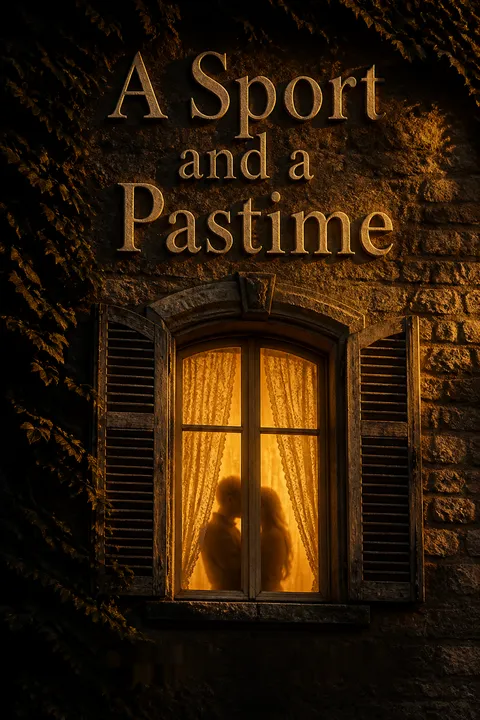
The narrator's role as voyeur becomes explicit—he is both the chronicler and the creator of Dean and Anne-Marie's love story. He admits to inventing details, to dreaming their encounters, and to being driven by a longing that is both erotic and existential. The boundaries between reality and fantasy dissolve, as the narrator's own desires and inadequacies are projected onto the lovers. The act of watching becomes a form of participation, a way of living vicariously through the passion and beauty of others. The emotional intensity of the affair is heightened by the narrator's sense of exclusion and yearning.
The Dream of Escape
Dean and Anne-Marie dream of escaping their circumstances—of traveling, of living together, of building a life beyond the confines of Autun. Their fantasies are fueled by the intensity of their love and the desire to transcend the limitations of class, language, and nationality. The narrator, too, is caught up in these dreams, imagining alternative futures and possible outcomes. Yet the realities of money, family, and social expectation intrude, casting a shadow over their plans. The dream of escape becomes both a source of hope and a reminder of the impossibility of lasting happiness.
The Weight of Reality
The lovers' idyll is threatened by practical concerns—Dean's lack of money, Anne-Marie's family obligations, the constraints of provincial life. The narrator observes the gradual erosion of their passion, as routine, boredom, and misunderstanding begin to take their toll. The affair, once luminous and transcendent, becomes fraught with anxiety, jealousy, and disappointment. The narrator's own sense of loss and inadequacy is mirrored in the lovers' struggles, as the gap between fantasy and reality widens. The inevitability of separation and the impermanence of desire become increasingly apparent.
Journeys and Domesticity
Dean and Anne-Marie travel together, visiting chateaux, seaside towns, and remote villages. Their journeys are marked by moments of joy, intimacy, and fleeting contentment, but also by fatigue, irritation, and the encroachment of the mundane. The narrator records these episodes with a mixture of nostalgia and melancholy, aware that the lovers' happiness is fragile and temporary. The rituals of domestic life—meals, baths, shared beds—become both a refuge and a source of tension. The passage of time is inexorable, and the lovers' world begins to contract, shadowed by the knowledge that it cannot last.
The End Approaches
The affair reaches its inevitable conclusion as Dean prepares to leave France, driven by financial necessity and the pressures of adulthood. The final days are marked by tenderness, regret, and a sense of impending loss. The lovers cling to each other, seeking to prolong their happiness and to create memories that will endure. The narrator, too, is caught up in the drama of parting, his own emotions entwined with those of Dean and Anne-Marie. The act of saying goodbye is both an ending and a beginning—a moment of transformation that leaves all three changed.
Loss and Memory
Dean departs, leaving Anne-Marie and the narrator behind in Autun. The town returns to its former quiet, but nothing is as it was. The narrator is left with memories, photographs, and the relics of a love he never fully possessed. Anne-Marie's fate is uncertain—she may marry, move away, or simply fade into the routines of provincial life. The narrator reflects on the nature of love, loss, and the passage of time, haunted by the intensity of what has been and the emptiness that remains. The story becomes a meditation on memory, longing, and the impossibility of recapturing the past.
The Remains of Passion
The narrator sifts through the remnants of the affair—letters, lists, objects, and memories—seeking meaning in the fragments left behind. The Delage, once a symbol of freedom and adventure, sits abandoned and decaying, a monument to lost youth and vanished dreams. The narrator acknowledges the limitations of his own role, recognizing that he has been both creator and destroyer, participant and observer. The story ends in silence, with the recognition that love, like life, is fleeting, and that its traces are all that remain.
The Silence After Love
In the aftermath of Dean's departure and eventual death, the narrator and Anne-Marie meet one last time, their connection irrevocably altered by loss and grief. The silence between them is profound, filled with unspoken emotion and the weight of all that has passed. The narrator contemplates the nature of memory, the persistence of desire, and the necessity of letting go. The story closes with a sense of acceptance and resignation—a recognition that love's intensity is matched only by its transience, and that the true legacy of passion is the silence it leaves behind.
Analysis
A Sport and a Pastimeis a meditation on desire, memory, and the limits of knowledge, rendered in prose of exquisite sensuality and restraint. Through the device of an unreliable, voyeuristic narrator, James Salter explores the tension between observation and participation, fantasy and reality, love and loss. The novel's central affair—between the charismatic Dean and the vulnerable Anne-Marie—is both intensely physical and deeply ephemeral, a fleeting moment of passion set against the backdrop of provincial France. The narrator's longing to possess, to understand, and to belong is mirrored in his imaginative reconstruction of the lovers' world, blurring the boundaries between fact and fiction. The story is suffused with nostalgia, melancholy, and a profound awareness of the transience of beauty and happiness. Ultimately, the novel suggests that love is both a sport and a pastime—a game played in the shadow of mortality, whose only lasting legacy is the memory it leaves behind. In a modern context, Salter's work resonates as a reflection on the nature of intimacy, the power of imagination, and the enduring human need to find meaning in the fragments of experience.
Review Summary
A Sport and a Pastime is a 1967 novel featuring an unnamed narrator recounting the passionate affair between Philip Dean, a Yale dropout, and Anne-Marie, a young French shopgirl, set in provincial 1960s France. Reviews praise Salter's exquisite, lyrical prose and evocative descriptions of French landscapes, though reactions to the explicit sexual content vary widely. The narrator's unreliability—admitting he invents much of the intimate detail—creates ambiguity about truth versus fantasy. Many consider it a masterful meditation on desire, youth, memory, and storytelling, while others find it repetitive or unengaging, with debates over whether it's literary or pornographic.
People Also Read




Characters
The Narrator
The unnamed American narrator is both participant and spectator, chronicling the love affair between Dean and Anne-Marie with a mixture of envy, longing, and self-awareness. His psychological complexity lies in his simultaneous desire to belong and his inability to fully engage with life or love. He is haunted by his own inadequacies, projecting his fantasies and regrets onto the lovers he observes. The narrator's role is ambiguous—he is both the creator and the destroyer of the story, shaping events through his imagination and his need for meaning. His development is marked by increasing self-awareness, culminating in a recognition of the limits of observation and the necessity of acceptance.
Phillip Dean
Dean is a young American, intelligent, handsome, and disaffected, who arrives in Autun seeking adventure and escape. He is both the object of the narrator's fascination and the agent of his own destiny, pursuing pleasure, love, and experience with a mixture of confidence and vulnerability. Dean's relationship with Anne-Marie is passionate and consuming, but ultimately doomed by circumstance and his own restlessness. Psychologically, Dean is marked by a sense of alienation, a longing for authenticity, and a fear of commitment. His development is shaped by his encounters with love, loss, and the realities of adulthood, culminating in his departure and eventual death.
Anne-Marie Costallat
Anne-Marie is a young French woman of modest background, whose beauty and innocence captivate both Dean and the narrator. She is both subject and object, desired and idealized, her inner life largely inaccessible to the men who love her. Anne-Marie's relationship with Dean is transformative—she experiences passion, intimacy, and the possibility of escape, but is ultimately left behind. Psychologically, she is marked by resilience, practicality, and a capacity for both joy and suffering. Her development is shaped by her encounters with love, disappointment, and the demands of daily life, embodying the novel's themes of transience and loss.
Cristina Wheatland
Cristina is an American expatriate living in Paris, married to Billy Wheatland. She is sophisticated, witty, and somewhat disillusioned, serving as a foil to the narrator's naiveté and Anne-Marie's innocence. Cristina's relationship with her husband is marked by affection, irony, and a shared history of privilege and disappointment. Psychologically, she is both nurturing and self-protective, aware of the limitations of love and the inevitability of change. Her presence in the novel underscores the contrasts between Paris and the provinces, fantasy and reality, youth and experience.
Billy Wheatland
Billy is Cristina's husband, a former athlete and member of the American elite. He is generous, charming, and somewhat detached, providing the narrator with access to Autun and serving as a link between the worlds of Paris and the provinces. Billy's relationship with Cristina is affectionate but marked by a sense of resignation and routine. Psychologically, he is content to observe rather than participate, embodying the novel's themes of privilege, ennui, and the passage of time.
Madame Job
Madame Job is a local woman in Autun, thin and passionate, who befriends the narrator and Dean. She represents the stability and constraints of provincial life, offering hospitality and a glimpse into the routines of French domesticity. Her presence provides a counterpoint to the lovers' passion, highlighting the differences between fantasy and reality, youth and maturity.
Anne-Marie's Mother
Anne-Marie's mother is a figure of endurance and sacrifice, having survived abandonment, poverty, and disappointment. She is both supportive and cautious, wary of her daughter's dreams and the dangers of love. Psychologically, she embodies the novel's themes of endurance, resignation, and the persistence of hope in the face of adversity.
The Delage
The Delage convertible, driven by Dean, is both a character and a symbol—a vehicle for escape, adventure, and romance, but also a reminder of the impermanence of youth and desire. Its gradual decay mirrors the fading of passion and the inevitability of loss.
The Town of Autun
Autun is more than a backdrop—it is a living presence, shaping the lives and destinies of its inhabitants. Its ancient walls, quiet streets, and routines embody the novel's themes of history, memory, and the tension between change and continuity.
The Narrator's Imagination
The narrator's imagination is a character in its own right, shaping the narrative, blurring the boundaries between fact and fiction, and driving the emotional arc of the story. It is both a source of creativity and a barrier to genuine connection, reflecting the novel's exploration of desire, longing, and the limits of knowledge.
Plot Devices
Unreliable Narration and Imaginative Reconstruction
The novel's most significant plot device is the use of an unreliable, first-person narrator who openly admits to inventing, embellishing, and fantasizing about the events he describes. This narrative structure creates a sense of ambiguity and subjectivity, inviting readers to question the nature of truth, memory, and desire. The narrator's imaginative reconstruction of Dean and Anne-Marie's affair blurs the boundaries between observation and participation, reality and fantasy, highlighting the limitations of knowledge and the power of longing. This device also allows for a rich exploration of psychological complexity, as the narrator's own desires, regrets, and inadequacies are projected onto the story he tells.
Voyeurism and the Gaze
The act of watching—of seeing without being seen—is central to the novel's structure and themes. The narrator's voyeurism is both literal and metaphorical, shaping his relationship to the lovers and to his own desires. The gaze becomes a form of intimacy, a way of living vicariously through the experiences of others, but also a source of alienation and frustration. This device underscores the novel's exploration of the boundaries between self and other, fantasy and reality, and the ethics of desire.
Symbolism of Objects and Setting
The novel is rich in symbolic detail—the Delage, the town of Autun, hotel rooms, letters, and photographs all serve as repositories of memory, desire, and loss. These objects and settings anchor the narrative, providing continuity and resonance as the story unfolds. They also serve as reminders of the impermanence of experience and the persistence of longing, reinforcing the novel's themes of transience, nostalgia, and the search for meaning.
Foreshadowing and Circular Structure
From the outset, the novel is suffused with a sense of impermanence and impending loss. The narrator's reflections, the decay of the Delage, and the routines of provincial life all foreshadow the eventual dissolution of the lovers' affair. The narrative structure is circular, returning to themes, images, and motifs that echo throughout the story, creating a sense of inevitability and closure. This device heightens the emotional impact of the ending, reinforcing the novel's meditation on the passage of time and the persistence of memory.
Download PDF
Download EPUB
.epub digital book format is ideal for reading ebooks on phones, tablets, and e-readers.








































