
Plot Summary
Hidden Wolves in Exile
In the shadowed woods of Allesdale, Calla Marriel and her twin Briar live in secrecy, protected by the faery Vellia after their parents, the Gold Wolf King and Queen, were murdered by the sorceress Sawyn. Calla, always in her sister's shadow, struggles with her identity and role, training as a warrior while Briar is groomed as the Crimson Princess. Their lives are defined by secrecy, survival, and the hope that one day they can reclaim their lost kingdom of Olmdere.
Return of the Silver Prince
The arrival of Grae, crown prince of Damrienn, upends Calla's world. Once a childhood companion, Grae is now a powerful, alluring man, betrothed to Briar in a political alliance. Calla's feelings for Grae are complicated by longing and jealousy, as well as the knowledge that their fates are bound by duty. The reunion is bittersweet, filled with nostalgia, unspoken desires, and the looming threat of discovery.
Secrets Beneath the Surface
As the group prepares to leave for Highwick, old memories and new tensions surface. Calla's sense of inadequacy grows in the presence of her perfect sister and Grae's princely bearing. Vellia's magic and the story of the twins' birth reveal the depth of sacrifice and the cost of protection. The sisters' bond is tested by the roles they must play, and Calla's yearning for belonging and recognition intensifies.
The Crimson Princess's Fate
The journey to Highwick is both a farewell to childhood and a step toward destiny. Briar's marriage to Grae is seen as the key to reclaiming Olmdere, but love is not part of the bargain. Calla, relegated to the role of bodyguard, must suppress her feelings and ambitions for the sake of the pack. The weight of expectation and the pain of invisibility threaten to overwhelm her as they approach the Silver Wolf court.
Journey to Highwick
The departure from Allesdale is marked by bittersweet goodbyes and the anxiety of entering a world where every move is scrutinized. Calla's farewell to Vellia is especially poignant, as she is urged to find her own path and desires. The journey is filled with uncertainty, as Calla wonders where she fits in a world that values her only as a shadow.
Court of Silver Wolves
Highwick dazzles with its grandeur but is cold and unwelcoming. King Nero, Grae's father, is calculating and cruel, seeing Briar as a pawn and Calla as a threat. The court is a place of rigid hierarchy and hidden dangers, where Calla's skills and identity are dismissed. The sisters must navigate court politics, and Calla's sense of isolation deepens as she is mocked and overlooked.
Shadows and Siblings
As Briar is celebrated, Calla is relegated to the background, her worth measured only by her usefulness. The contrast between the twins is stark, and Calla's internal struggle with her identity and value intensifies. Training with Grae's guards offers some solace, but the pain of being unseen and unacknowledged festers. The bonds of family and friendship are tested by jealousy, duty, and longing.
King Nero's Threat
King Nero reveals his true intentions, threatening Calla with obscurity or a forced marriage if she does not comply. Grae's inability to protect her shatters Calla's trust, and she is left to fend for herself in a hostile environment. The king's manipulation and cruelty expose the fragility of alliances and the dangers of power. Calla's resolve to fight for her own destiny hardens.
Bonds and Betrayals
The tension between Calla and Grae comes to a head as secrets and betrayals are laid bare. Their bond, once a source of comfort, is now fraught with mistrust and longing. Training and battle become outlets for Calla's frustration, and new friendships with the guards offer a sense of belonging. The lines between love, loyalty, and survival blur as the wedding approaches.
Fated Mates Revealed
At the wedding, the Moon Goddess intervenes, revealing that Briar and Maez, not Briar and Grae, are fated mates. In a shocking twist, Calla and Grae are also revealed as fated mates. The revelation upends all plans, exposing the limits of tradition and the power of true connection. The court is thrown into chaos, and Calla's world is forever changed as she is forced to confront her deepest desires and fears.
The Wedding's Ruin
Overwhelmed by the revelation and the threat of being forced into a role she never wanted, Calla flees into the forest, transforming into her Wolf form. The freedom of the wild is tempered by the pain of loss and the uncertainty of the future. Briar's confession of her own desires and the truth of Grae's feelings offer comfort, but the path forward is fraught with danger and heartbreak.
Sawyn's Curse Unleashed
Sawyn attacks, cursing Briar into a magical sleep and abducting Maez. The Silver Wolves are powerless, and Calla is left to pick up the pieces. Grae's loyalty is tested, and Calla must choose between waiting for help or taking action herself. The quest to save her sister and reclaim her kingdom becomes a personal mission, fueled by love, guilt, and the need to prove herself.
Flight and Farewell
Calla flees Highwick, pursued by both allies and enemies. Her journey takes her through human lands, where she encounters kindness and prejudice in equal measure. Disguised and alone, she must rely on her wits and strength to survive. The experience of living among humans challenges her assumptions and opens her eyes to new possibilities.
Among Human Kindness
Traveling with the human troupe Galen den' Mora, Calla discovers a world where identity is fluid and acceptance is possible. The kindness of Ora and the musicians offers a sense of belonging she never found among Wolves. Calla's understanding of herself deepens as she explores new facets of her identity and learns to value her own desires.
Galen den' Mora
Life on the road with Galen den' Mora is filled with music, laughter, and camaraderie. Calla finds a new family among the troupe, and her bond with Ora helps her articulate her true self. The journey through the Stormcrest Pass is perilous, but the support of her new friends gives her strength. The experience of being seen and valued for who she is transforms Calla's sense of self.
Through the Stormcrest Pass
The journey through Taigos is marked by danger from Rooks and the elements. Calla and Grae are reunited, and their relationship is tested by past wounds and new confessions. The group faces attacks, betrayal, and the ever-present threat of discovery. The bonds of friendship and love are forged in adversity, and Calla's resolve to reclaim Olmdere is strengthened.
Rooks and Rescue
The group faces deadly attacks from Sawyn's Rooks, forcing them to fight for survival. The experience reveals the true nature of power and loyalty, as well as the cost of violence. Calla's leadership emerges as she makes difficult choices and inspires others to follow her. The lines between Wolf and human, friend and foe, blur as the group becomes a true pack.
Confessions in the Snow
In the quiet of the snowy wilderness, Calla and Grae share their deepest fears and confessions. Grae reveals the abuse he suffered at his father's hands, and Calla comes to terms with her own identity as merem—neither woman nor man, but something in between. Their love is affirmed, not in spite of their differences, but because of them. The power of vulnerability and acceptance becomes a source of strength.
The Masquerade Plot
The group hatches a plan to infiltrate Sawyn's court during a masquerade, using music and disguise as their weapons. Calla's performance becomes a moment of self-affirmation and defiance, as she claims her place in the world on her own terms. The plot is fraught with danger, but the bonds of love and friendship carry them forward.
Into the Golden Kingdom
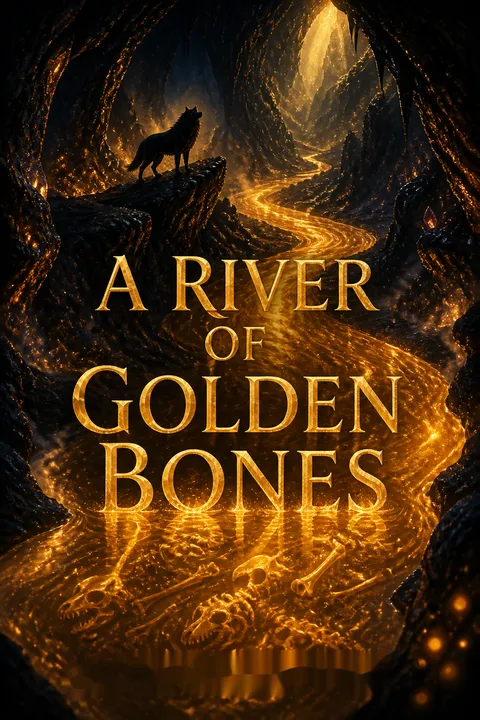
The journey into Olmdere is both a return and a confrontation with the past. The mines of Sevelde, filled with the bones of the desperate, are a haunting reminder of the cost of power and neglect. Calla's resolve to rule differently is solidified as she faces the ghosts of her ancestors and the suffering of her people.
The Mines of Sevelde
The passage through the mines is perilous, filled with physical and emotional danger. Calla and Grae face monsters both literal and metaphorical, emerging battered but alive. The experience cements their bond and prepares them for the final confrontation with Sawyn.
The River of Bones
The river of golden bones is both a literal and symbolic reminder of the cost of power and the need for change. Calla's understanding of leadership is transformed by the realization that true power lies in compassion and justice. The journey through Olmdere is a reckoning with the past and a commitment to a better future.
Sawyn's Last Stand
In a climactic confrontation, Calla faces Sawyn, who is revealed to be her own aunt, Leanna Marriel. The battle is both physical and ideological, as Calla rejects the cycle of vengeance and claims her identity as merem. With the help of her friends and the humans of Olmdere, Calla defeats Sawyn, but not without sacrifice. Her dying wish, granted by Vellia, is for peace and a better future for her people.
The Golden Court Rises
Calla is resurrected by the power of her wish and the love of her friends and mate. The Golden Court is established, blending Wolf and human, tradition and change. Calla and Grae's love is affirmed, and the promise of a new, more just Olmdere is born. The story ends with hope, healing, and the knowledge that true belonging comes from embracing all that one is.
Analysis
A River of Golden Bones is a sweeping fantasy that reimagines the classic tale of lost royalty, forbidden love, and the quest for belonging through a distinctly modern, inclusive lens. At its heart, the novel is a story of self-discovery—of learning to see oneself beyond the roles and expectations imposed by family, society, and tradition. Calla's journey from shadowed twin to sovereign ruler is both deeply personal and profoundly political, challenging the binaries of gender, power, and loyalty. The novel interrogates the cost of survival in a world that demands conformity, and the courage required to claim one's true self. Through the motif of the river—ever-changing, resilient, and life-giving—Mulford explores the possibility of transformation, not just for individuals, but for entire societies. The blending of Wolf and human, tradition and change, is a call for a more just, compassionate world, where power is shared and everyone is free to be all the things they feel inside. The novel's celebration of found family, queer identity, and the power of love and community offers a hopeful vision for readers seeking both escape and affirmation.
Review Summary
A River of Golden Bones receives mixed reviews averaging 3.58/5 stars. Positive reviews praise the queer representation, nonbinary main character Calla, found family dynamics, wolf shifter world, and Sleeping Beauty retelling with fated mates romance. Many appreciate the spicy slow-burn romance and themes of self-discovery. Critical reviews cite poor worldbuilding, flat characters, inconsistent pacing, juvenile writing, and excessive contemporary themes poorly integrated into fantasy. Several reviewers found the main character unlikeable and the plot formulaic. Some felt the gender exploration deserved more depth, while others appreciated the inclusive representation.
People Also Read
Characters
Calla Marriel
Calla is the overlooked twin of the Crimson Princess, raised in hiding after her parents' murder. Trained as a warrior, she struggles with feelings of inadequacy and invisibility, always compared to her perfect sister. Calla's journey is one of self-discovery, as she grapples with her identity, her desires, and her place in the world. Her relationship with Grae is fraught with longing and pain, but ultimately becomes a source of strength and affirmation. Calla's realization that she is merem—neither woman nor man, but something in between—marks a profound moment of self-acceptance. Her leadership is defined by compassion, courage, and a commitment to justice for all, not just Wolves.
Briar Marriel
Briar is the beautiful, poised twin destined for greatness. Groomed to be queen, she bears the weight of expectation with grace, but secretly longs for a simpler, more authentic life. Her relationship with Calla is both a source of comfort and tension, as the sisters navigate the roles imposed upon them. Briar's willingness to sacrifice her own happiness for the good of the pack is both admirable and tragic. Her fated bond with Maez offers her a chance at true love, and her awakening from Sawyn's curse is a moment of hope and renewal.
Grae Claudius
Grae is the crown prince of Damrienn, torn between duty and desire. His childhood friendship with Calla blossoms into love, but is complicated by political alliances and family expectations. Grae's relationship with his abusive father, King Nero, leaves deep scars, and his struggle to protect those he loves is a central theme. His acceptance of Calla's true self and his willingness to relinquish power for love mark his growth from a conflicted prince to a true partner and consort.
King Nero Claudius
King Nero is the embodiment of patriarchal power and cruelty. He sees his children and allies as pawns, using threats and violence to maintain control. His obsession with gold and power drives much of the conflict, and his willingness to sacrifice anyone for his own gain makes him a formidable antagonist. Nero's inability to love or accept those who defy him ultimately leads to his isolation and the loss of his legacy.
Sawyn (Leanna Marriel)
Sawyn is both villain and victim, her life shaped by betrayal, loss, and the hunger for power. Once Leanna Marriel, she turned to dark magic after killing her brother to avoid being married off and erased. Her reign is marked by cruelty and neglect, but also by a twisted desire to break the cycle of patriarchal oppression. Sawyn's inability to see beyond her own pain leads to her downfall, but her story is a cautionary tale about the dangers of unchecked power and the cost of vengeance.
Vellia
Vellia is the faery who protects Calla and Briar, bound by a dying wish. She is both mentor and mother figure, teaching the twins strength, cunning, and compassion. Vellia's magic is rooted in love and sacrifice, and her presence is a reminder of the power of chosen family. Her final act—granting Calla's wish for peace—cements her legacy as a force for good.
Ora
Ora is the leader of Galen den' Mora, a traveling troupe of musicians. Their nonbinary identity and open-hearted kindness offer Calla a model for living authentically. Ora's acceptance and wisdom help Calla articulate her own identity, and their role in the story is one of healing, inclusion, and hope. Ora's troupe becomes a chosen family for Calla, showing that belonging can be found beyond blood and tradition.
Sadie and Hector Rauxtide
Sadie and Hector are siblings and members of Grae's guard, each with their own strengths and struggles. Sadie's journey includes a forbidden romance with a human, challenging the boundaries of Wolf society. Hector's loyalty and humor provide stability and support. Together, they represent the power of chosen family and the courage to defy unjust rules.
Maez Claudius
Maez is Grae's cousin and Briar's fated mate. Her abduction and rescue are central to the plot, and her relationship with Briar offers a vision of love that transcends tradition. Maez's strength and resilience are matched by her vulnerability, and her presence in the Golden Court signals a new era of acceptance and possibility.
Mina and Malou
Mina and Malou are members of Galen den' Mora, their bond mirroring that of Calla and Briar. Their bravery in the face of danger and their willingness to fight for a better world are inspiring. Malou's death is a moment of profound loss, but also a catalyst for change, as Mina joins the Golden Court and helps shape the future of Olmdere.
Plot Devices
Hidden Identity and Disguise
The motif of hidden identity runs throughout the novel, from the twins' secret lineage to Calla's journey of self-discovery. Disguise is both a means of survival and a path to authenticity, as characters learn to shed the roles imposed upon them and claim their true selves. The tension between appearance and reality is explored through shifting alliances, masquerades, and the fluidity of gender and power.
Fated Mates and Magic
The concept of fated mates is both a magical and emotional plot device, challenging the idea that destiny is fixed. The revelation that Calla and Grae, as well as Briar and Maez, are fated mates disrupts tradition and forces characters to confront their true desires. Magic is both a blessing and a curse, shaping the world and the characters' fates, but ultimately it is love, sacrifice, and choice that determine the outcome.
Power, Sacrifice, and Rebellion
The struggle for power—between kings and queens, Wolves and humans, tradition and change—is central to the narrative. Sacrifice is a recurring theme, from Vellia's magic to Calla's willingness to die for her people. Rebellion against unjust authority, whether in the form of King Nero or Sawyn, is portrayed as both necessary and costly. The novel interrogates the nature of leadership and the responsibilities of those who hold power.
Found Family and Chosen Community
The formation of the Golden Court, blending Wolves and humans, is a powerful plot device that challenges the boundaries of family, loyalty, and identity. The bonds formed through shared struggle and mutual respect are shown to be as strong, if not stronger, than those of blood. The importance of acceptance, inclusion, and chosen family is woven throughout the story.
Self-Discovery and Gender Identity
Calla's realization that they are merem—neither woman nor man, but something in between—is a central plot device that shapes the emotional arc of the novel. The exploration of gender, identity, and self-acceptance is handled with nuance and sensitivity, offering a vision of a world where everyone can claim their true self. The motif of the river—flowing, changing, carving its own path—serves as a powerful symbol of this journey.
Narrative Structure and Foreshadowing
The novel employs a structure that gradually reveals secrets and connections, using foreshadowing and parallel stories to build tension and deepen emotional impact. The use of stories within stories, songs, and legends creates a rich tapestry of meaning, linking past and present, myth and reality. The gradual unveiling of Sawyn's true identity and motives is a masterful use of narrative suspense.
About the Author
Other books by A.K. Mulford

Download PDF
Download EPUB
.epub digital book format is ideal for reading ebooks on phones, tablets, and e-readers.








































