
Plot Summary
Aftermath and Unveiling Truths
In the wake of a hard-fought battle, the kingdom of Wyvern reels from the shock of the queen's unexpected return. Old wounds are reopened as Finley, the fierce and unorthodox heroine, and Nyfain, the scarred dragon prince, struggle to process the queen's survival and the implications for their future. The court is thrown into turmoil as Finley's common roots and unconventional leadership style clash with the traditions of the dragon nobility. Amidst the chaos, alliances are questioned, and the bonds between dragons, wolves, and faeries are tested. The kingdom stands at a crossroads, uncertain whether to embrace the new or cling to the old, as the true cost of survival and the weight of secrets begin to surface.
Shifting Loyalties and Power
As the dust settles, the delicate balance of power between dragons and wolves is threatened by the magnetic pull of pack loyalty. Hadriel, torn between his devotion to Finley and the irresistible call of the wolf alpha Weston, embodies the struggle of many shifters caught between worlds. Finley's insistence on unity and her willingness to break protocol by including wolves in dragon affairs signals a new era, but not all are ready to accept change. The return of the queen and her enigmatic past further complicate matters, as old hierarchies reassert themselves and the court's expectations clash with Finley's vision. The kingdom's future hinges on the ability of its leaders to forge new bonds and redefine what it means to belong.
Bonds of Pack and Court
Finley's efforts to integrate wolves, faeries, and even demons into the fabric of Wyvern's society are met with resistance and skepticism. The old court, led by dragons who remember the kingdom's former glory, struggle to accept Finley's authority and her radical ideas. Meanwhile, the wolves, drawn to Weston's natural leadership, find themselves at odds with dragon tradition. As Finley navigates the treacherous waters of court politics, she must also contend with her own insecurities and the ever-present threat of Dolion, the demon king. The fragile peace is maintained only by the strength of new alliances and the willingness of old enemies to work together for the greater good.
Healing and Hidden Wounds
The physical and emotional scars of the past linger, even as the kingdom begins to heal. Nyfain's struggle with the lingering effects of demon magic becomes a symbol of the kingdom's own wounded state. Finley, determined to cure her mate, throws herself into research and experimentation, seeking a remedy for the curse that still taints him. The queen's return brings with it painful memories and unresolved guilt, forcing both mother and son to confront the truth about their past. As secrets are unearthed and old wounds reopened, the path to healing proves to be as perilous as any battle.
The Queen Returns
Queen Arleth's reappearance sends shockwaves through Wyvern. Her survival, hidden for years, is both a blessing and a curse. As she attempts to reclaim her place, her presence threatens Finley's hard-won authority and stirs up old rivalries within the court. The truth of her escape, her relationship with the mad king, and the real story behind Nyfain's parentage come to light in a series of tense confrontations. The kingdom must decide whether to embrace the queen's wisdom or move forward under Finley's unconventional rule. The struggle for power becomes deeply personal, as family loyalties and political ambitions collide.
Rebuilding a Broken Kingdom
With the immediate threat of Dolion's forces repelled, Wyvern faces the daunting task of rebuilding. Finley and Nyfain embark on a campaign to restore the kingdom, focusing on the welfare of all its people, not just the privileged few. Their efforts to redistribute wealth and power are met with both gratitude and resentment. The old guard resists, clinging to tradition, while the common folk and shifters embrace the promise of a new era. The process of reform is fraught with setbacks and challenges, but the seeds of change take root as the kingdom slowly begins to heal.
The Mother's Confession
In a moment of vulnerability, Queen Arleth confesses the truth about Nyfain's parentage: he is not the son of the mad king, but of a loyal commander who died for love. This revelation shakes the foundations of the royal line and threatens Nyfain's claim to the throne. The confession forces the court and the kingdom to confront uncomfortable truths about power, legitimacy, and the cost of survival. Forgiveness and understanding become the only path forward, as mother and son seek to reconcile their past and build a future together.
Bloodlines and Betrayals
The revelation of Nyfain's true bloodline sparks a crisis of succession. With the legitimacy of his claim in question, rivals within the court and beyond see an opportunity to seize power. Finley, ever the pragmatist, refuses to be cowed by technicalities, asserting that true leadership is earned, not inherited. The court is forced to choose between the comfort of tradition and the promise of a new order. As alliances shift and betrayals come to light, the fate of the kingdom hangs in the balance.
Forgiveness and New Beginnings
In the aftermath of painful revelations, forgiveness becomes the key to survival. Nyfain and Arleth find common ground, and Finley's unwavering support helps to heal old wounds. Together, they enact new laws granting equal rights to female heirs and ensuring that power is shared, not hoarded. The kingdom begins to move forward, embracing the possibility of a brighter future. The bonds of family, forged in adversity, become the foundation of a new era.
The Threat of Dolion
Even as Wyvern rebuilds, the threat of Dolion looms large. The demon king, unwilling to accept defeat, launches a series of covert attacks and assassination attempts. Scouts and spies infiltrate the kingdom, testing its defenses and seeking to exploit any weakness. Finley and Nyfain, now united in purpose, prepare for the inevitable confrontation. The kingdom rallies around its leaders, determined to stand firm against the darkness.
Alliances and Preparations
The call for a council of kingdoms brings together old rivals and new allies. Finley and Nyfain, accompanied by their diverse retinue, travel to the faerie kingdom to secure support and present their case against Dolion. Political intrigue abounds as each kingdom weighs its own interests and fears. The emergence of Hannon as a phoenix and the revelation of Dessia's basilisk nature add new layers of complexity to the struggle for power. As alliances are forged and betrayals plotted, the stage is set for a final reckoning.
The Battle for Wyvern
Dolion's forces descend upon Wyvern in a last-ditch effort to crush the kingdom. The ensuing battle is fierce and chaotic, with dragons, wolves, faeries, and even demons fighting side by side. Sacrifices are made, and the cost of victory is high. Hannon's transformation into a phoenix and Dessia's emergence as a basilisk tip the scales, but not without great peril. The unity of Wyvern's defenders, forged through hardship and trust, proves to be their greatest weapon.
The Phoenix Rises
In the darkest hour, Hannon falls in battle, only to be reborn as a phoenix. His resurrection inspires hope and awe, signaling a turning point in the war. The mythic power of the phoenix, balanced by the presence of the basilisk, becomes a symbol of the kingdom's resilience and the possibility of renewal. The world takes notice, and the balance of power shifts as old legends come to life.
Council of Kingdoms
With Dolion's defeat imminent, the kingdoms gather for a council to decide the fate of the magical world. Finley and Nyfain, now recognized as true leaders, present their case and demand justice for the atrocities committed. Political maneuvering, threats, and revelations abound as the council grapples with the implications of Wyvern's victory and the emergence of new powers. The future of the world hangs in the balance as old grudges and new hopes collide.
Poison and Political Games
A brazen attempt to poison Finley at the council exposes the depths of Dolion's treachery and the vulnerability of even the most powerful. The incident forces the kingdoms to confront the reality of the threat they face and the necessity of unity. Finley's quick thinking and the loyalty of her allies save the day, but the message is clear: the war is not yet won, and trust must be earned anew.
The Demon King's Last Stand
The final assault on Dolion's fortress is a test of courage, cunning, and unity. Guided by Govam and the knowledge of their diverse allies, Finley, Nyfain, and their companions infiltrate the demon king's stronghold. The battle is brutal and costly, but the combined might of dragons, wolves, faeries, and the mythic phoenix proves unstoppable. Dolion is finally defeated, his reign of terror ended by those he sought to destroy.
Victory and Homecoming
With Dolion vanquished, the survivors return to Wyvern to rebuild and heal. The scars of war remain, but hope flourishes as the kingdom embraces its new leaders and the promise of a brighter future. Hannon's fame as a phoenix spreads, and the bonds forged in battle endure. The kingdom celebrates its victory, honoring the fallen and looking forward to a new era of peace and prosperity.
Birth of a New Era
Months later, Finley and Nyfain welcome their daughter, Tabitha, the first female heir to the throne. Surrounded by family and friends, they reflect on the journey that brought them here and the lessons learned along the way. The kingdom, once broken and divided, now stands united and strong. As the sun rises over Wyvern, a new era begins—one built on love, sacrifice, and the unbreakable bonds of family.
Analysis
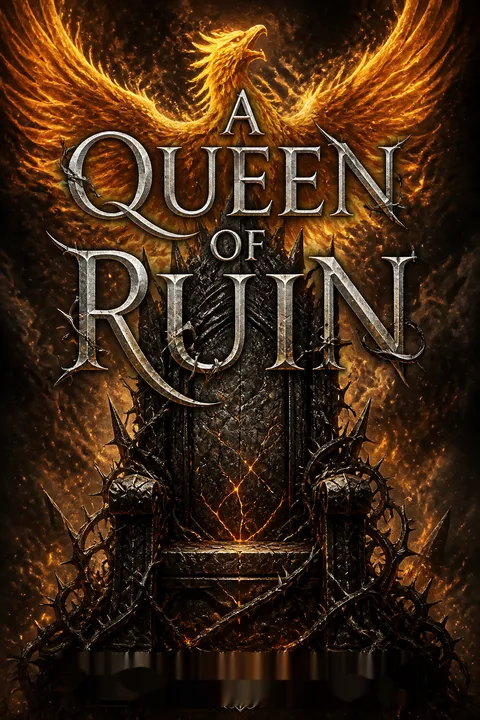
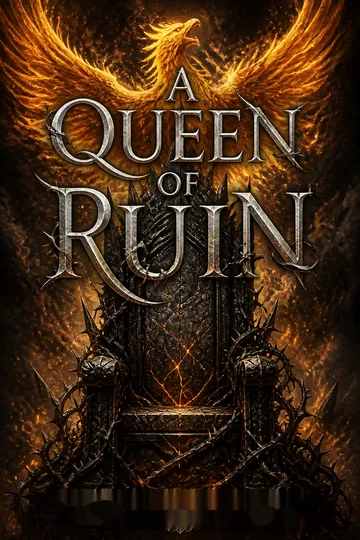
A Queen of Ruin is a sweeping tale of transformation, resilience, and the power of chosen family. At its core, the novel is about breaking cycles—of abuse, tyranny, and self-doubt—and forging a new path built on trust, equality, and love. Through the dual perspectives of Finley and Nyfain, readers are invited to experience the full spectrum of human (and inhuman) emotion: fear, rage, hope, and joy. The story challenges traditional notions of power and legitimacy, insisting that true leadership is earned through sacrifice and compassion, not inherited by birthright. The integration of diverse shifters, the emergence of mythic beings, and the emphasis on healing—both personal and collective—offer a vision of a world where unity is possible, but only through hard-won understanding and forgiveness. The lessons are clear: the past cannot be erased, but it can be transcended; strength lies in vulnerability; and the bonds we choose are often stronger than those we are born into. In a modern context, the book resonates as a call to embrace change, challenge injustice, and build communities that honor both difference and connection.
Review Summary
A Queen of Ruin received mixed reviews, with many praising its epic conclusion to the series, engaging characters, and blend of fantasy, romance, and action. Readers appreciated the world-building, humor, and character development. However, some felt the book was too long, with excessive sexual content and pacing issues. The final battle and resolution were generally well-received, though some found the ending abrupt. Despite criticisms, many fans expressed sadness at the series' conclusion and hoped for potential spin-offs featuring beloved side characters.
People Also Read

Characters
Finley
Finley is the heart and soul of Wyvern's transformation. Born a commoner and forged in hardship, she possesses a rare blend of compassion, stubbornness, and raw power. Her healing abilities and refusal to bow to tradition make her both a revolutionary and a target. Finley's psychological complexity lies in her struggle to reconcile her self-doubt with her undeniable strength. Her relationship with Nyfain is passionate and tumultuous, marked by mutual respect and a deep, primal bond. As queen, she challenges the old order, insisting on unity and equality for all shifters. Her journey is one of self-acceptance, learning to wield her power not just for survival, but for the betterment of her kingdom and family.
Nyfain
Nyfain is a study in contrasts: fierce yet vulnerable, ruthless yet loving. Scarred by years of torture and loss, he carries the weight of his kingdom's suffering on his broad shoulders. His psychological arc is defined by his struggle to overcome guilt, anger, and the legacy of his father's cruelty. The revelation of his true parentage shakes his sense of identity, but Finley's unwavering support helps him reclaim his worth. As king, he is determined to break the cycle of tyranny, sharing power with Finley and embracing reform. His love for Finley and their child becomes his anchor, transforming him from a haunted survivor into a visionary leader.
Queen Arleth
Arleth's return is both a blessing and a curse for Wyvern. Her survival, hidden for years, is a testament to her cunning and resilience. She is haunted by guilt over her choices, particularly the secret of Nyfain's true father. Arleth's psychological complexity lies in her ability to endure abuse, make impossible decisions, and ultimately seek forgiveness. Her relationship with Finley is fraught with tension, as old hierarchies clash with new realities. As a mother, she is fiercely protective, but her past mistakes force her to relinquish control and support the new order. Her arc is one of redemption, learning to let go and trust in the future.
Hadriel
Hadriel is the unlikely glue that holds much of the court together. Once a stable hand, now Finley's advisor, he provides levity and perspective in the midst of chaos. His psychological depth comes from his struggle to find belonging, torn between the call of the wolf pack and his loyalty to Finley. Hadriel's humor masks a deep-seated fear of abandonment and a longing for acceptance. His journey mirrors that of the kingdom: from mediocrity and marginalization to purpose and family. He is both a witness to and a participant in the kingdom's transformation, embodying the power of found family.
Weston
Weston's presence challenges the traditional dragon-centric hierarchy of Wyvern. As a natural-born alpha, he inspires loyalty and unity among the wolves, drawing shifters from all walks of life into his pack. His psychological strength lies in his ability to balance power with empathy, offering a sense of belonging that many have never known. Weston's relationship with Nyfain is initially tense, marked by rivalry and mutual respect, but evolves into a partnership that redefines the kingdom's structure. He is a catalyst for change, proving that true leadership transcends species and tradition.
Hannon
Hannon is the quiet strength behind Finley's fire. As her brother, he has always been the caretaker, sacrificing his own desires for the good of the family. His transformation into a phoenix is both literal and symbolic, representing the possibility of renewal and the enduring power of love. Hannon's psychological journey is one of self-discovery, learning to embrace his own worth and the responsibilities that come with great power. His relationship with Dessia, the basilisk, adds a layer of complexity, as they navigate the dangers of being living legends in a world that fears and covets them.
Govam
Govam's arc is one of redemption and pragmatism. Once a captain in Dolion's forces, he defects to aid Finley and Nyfain, driven by a desire for change and self-preservation. His psychological complexity lies in his ability to navigate shifting allegiances, always seeking the path that offers the best chance of survival. Govam's knowledge of demon politics and his willingness to risk everything for a new order make him an invaluable ally. His relationship with the other demons is fraught with tension, as he balances loyalty to his people with the need to atone for past sins.
Calia
Calia is both ally and enigma, her true motives often hidden beneath layers of duty and loyalty. As a spy for the faerie king, she walks a fine line between friendship and obligation. Her psychological depth comes from her struggle to reconcile personal bonds with political necessity. Calia's relationship with Finley is marked by mutual respect and occasional betrayal, as both women learn the cost of trust in a world of secrets. Her role as protector of her sister Dessia, the basilisk, adds another layer of responsibility and sacrifice.
Dessia
Dessia is the most dangerous and most vulnerable character in the story. As a basilisk, she possesses the power to kill even the immortal phoenix, making her both a target and a pariah. Her psychological journey is one of self-acceptance, learning to live with the burden of her power and the trauma of her past. Dessia's relationship with Hannon is fraught with tension and longing, as they navigate the perilous balance between love and destruction. Her arc is a meditation on the nature of power, fear, and the possibility of redemption.
Dolion
Dolion is the shadow that looms over the entire narrative. His psychological complexity lies in his ability to inspire both fear and loyalty, manipulating those around him to maintain his grip on power. Dolion's reign is marked by cruelty, cunning, and a willingness to do whatever it takes to survive. His downfall is precipitated by his inability to adapt, clinging to old methods even as the world changes around him. Dolion is both a cautionary tale and a symbol of the dangers of unchecked ambition.
Plot Devices
Dual Protagonists and Shifting POV
The narrative alternates between Finley and Nyfain, allowing readers to experience both the external conflicts and the internal struggles of the main characters. This dual perspective enriches the emotional arc, providing insight into their motivations, fears, and desires. The shifting POV also highlights the differences in their approaches to leadership, love, and sacrifice, creating a dynamic interplay that drives the story forward.
Found Family and Chosen Bonds
The theme of found family is central, as characters from disparate backgrounds—dragons, wolves, faeries, demons, and humans—come together to form a new kind of kingdom. The bonds of pack and court are redefined, emphasizing loyalty, trust, and mutual respect over tradition and blood. This device underscores the transformative power of love and the possibility of redemption, even for those who have been marginalized or broken.
Mythic Transformation and Rebirth
The emergence of Hannon as a phoenix and Dessia as a basilisk introduces a mythic dimension to the narrative, symbolizing the possibility of renewal and the dangers of unchecked power. Their transformations serve as both literal and metaphorical rebirths, challenging the characters to confront their deepest fears and embrace their true selves. The balance between creation and destruction becomes a central motif, reflected in the kingdom's own journey from ruin to rebirth.
Political Intrigue and Courtly Games
The story is driven by the machinations of court politics, both within Wyvern and among the other kingdoms. Alliances are forged and broken, secrets are weaponized, and the line between friend and foe is constantly shifting. The council of kingdoms serves as a crucible for these tensions, forcing characters to navigate a web of intrigue where trust is scarce and every action has consequences. The use of poison, assassination attempts, and covert operations adds layers of suspense and danger.
Magic as Metaphor for Trauma and Healing
Magic in the story is both a source of power and a reflection of psychological wounds. The lingering curse on Nyfain, the healing properties of Finley's remedies, and the transformative abilities of the phoenix and basilisk all serve as metaphors for the process of healing from trauma. The journey to wholeness is fraught with setbacks and pain, but ultimately leads to growth, forgiveness, and the possibility of a new beginning.
Foreshadowing and Symbolism
The story employs foreshadowing through dreams, prophecies, and the recurring imagery of fire, flight, and rebirth. The motif of the garden—neglected, then restored—mirrors the kingdom's own journey. The use of scars, both physical and emotional, symbolizes the cost of survival and the strength found in vulnerability. These devices create a sense of cohesion and depth, inviting readers to look beyond the surface and find meaning in the details.
Deliciously Dark Fairytales Series

About the Author
Other books by K.F. Breene
Download PDF
Download EPUB
.epub digital book format is ideal for reading ebooks on phones, tablets, and e-readers.








































