
Plot Summary
Blue-Haired Girl Arrives
Blu, with her striking blue hair and sharp wit, enters her final year at York University determined to keep people at arm's length. She's charismatic, observant, and fiercely independent, but beneath her bravado lies a deep well of pain and insecurity. Her first encounter with Jace Boland, a quiet, handsome classmate, is electric—she's instantly drawn to him, seeing him as a challenge and a potential conquest. Blu's world is colored by her need to be wanted, not loved, and she's mastered the art of deflection and performance. Her blue hair is both armor and identity, a symbol of her refusal to be ordinary or overlooked. As she navigates the first weeks of school, Blu's internal monologue reveals a girl desperate for connection but terrified of vulnerability.
Jace's Quiet Longing
Jace, the youngest of four brothers, lives in the shadow of his family's expectations and his own disappointments. Once a promising soccer player, he's haunted by the loss of his athletic dreams and the feeling of never measuring up. Jace is reserved, introspective, and sensitive, masking his insecurities with stoicism. His first encounters with Blu intrigue him—her boldness is both intimidating and magnetic. Jace is used to being overlooked, both at home and in social circles, and Blu's attention unsettles him. He's drawn to her, but wary of her intensity. Their early interactions are charged with unspoken longing and mutual curiosity, setting the stage for a complicated, emotionally fraught connection.
Broken Homes, Broken Hearts
Both Blu and Jace carry the scars of broken families. Blu's father died of alcoholism when she was thirteen, leaving her with a mother who is emotionally absent and addicted. Her home is a place of neglect and chaos, fueling her need for control and her fear of abandonment. Jace, meanwhile, is the overlooked youngest son, struggling to find his place among accomplished siblings and a distant father. Their parallel wounds create an unspoken understanding between them, even as they resist intimacy. Flashbacks to their adolescence reveal formative moments of rejection, bullying, and self-doubt, explaining the armor they wear and the patterns they repeat in relationships.
Attraction and Deflection
Blu and Jace's mutual attraction intensifies, but both are experts at hiding their true feelings. Blu pursues Jace with playful aggression, determined to win his attention, while Jace oscillates between fascination and withdrawal. Their flirtation is a dance of push and pull, each testing the other's boundaries. Blu's bravado masks her terror of being truly seen, while Jace's silence conceals a longing for acceptance. Their early attempts at connection are sabotaged by miscommunication, jealousy, and the ghosts of past lovers. Each is drawn to the other's brokenness, but neither knows how to bridge the gap between wanting and trusting.
Past Lovers, Present Wounds
Both protagonists are haunted by toxic exes and unresolved trauma. Blu's history is littered with men who used, rejected, or betrayed her, reinforcing her belief that she is only good enough to be wanted, not loved. Jace's first love, Riley, broke his heart and shattered his confidence, leaving him wary of vulnerability. Their sexual histories are fraught with shame, body image issues, and the desperate need for validation. These wounds bleed into their budding relationship, making intimacy fraught and fragile. Attempts at closeness often trigger old fears, leading to cycles of self-sabotage and retreat.
Games of Wanting
As Blu and Jace grow closer, their relationship becomes a battleground for control and affirmation. Blu tests Jace's interest by flirting with others, seeking reassurance that she is desirable. Jace, in turn, withholds affection or attention, unconsciously mirroring the emotional distance he experienced at home. Their connection is passionate but unstable, fueled by jealousy, insecurity, and the thrill of the chase. Friends and family observe the volatility, offering advice that goes unheeded. Both are addicted to the highs and lows, mistaking intensity for love. The inability to communicate openly keeps them locked in a cycle of hope and disappointment.
The Art of Being Seen
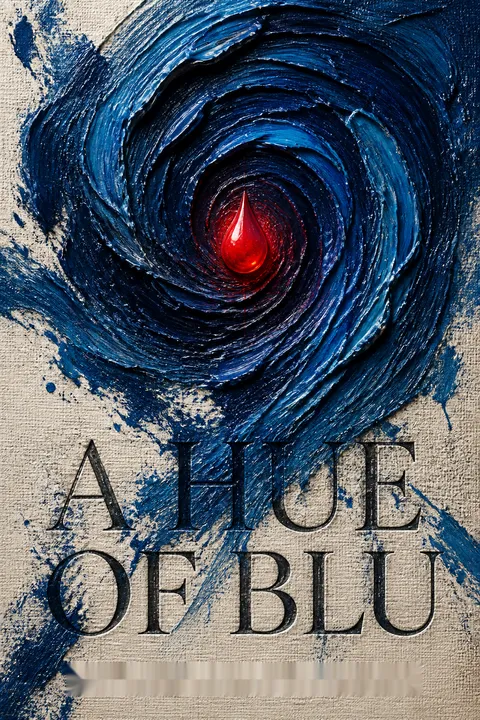
A pivotal moment occurs when Jace invites Blu to an art gallery, exposing her to a painting called "Controlling Chaos." The artwork becomes a metaphor for their lives—each is the red dot at the center, surrounded by swirling lines of chaos and pain. In the intimacy of the gallery and later, in private conversations, Blu and Jace begin to reveal their true selves. Blu confesses her struggles with self-harm, body image, and the legacy of her father's death. Jace opens up about his sense of failure, his longing for belonging, and his fear of never being enough. For a brief time, they find solace in each other's honesty, believing that love might be possible.
Family Shadows and Sibling Rivalry
Jace's relationship with his brothers and parents continues to shape his sense of self. He craves their approval but feels perpetually inferior. Moments of connection—like a rare dinner with his brother Scott—are bittersweet, highlighting both the love and the distance in his family. Blu, meanwhile, is haunted by her mother's neglect and her father's absence. The inheritance he left becomes both a lifeline and a burden, symbolizing the love she never received. Both protagonists struggle to break free from the patterns set by their families, seeking validation in each other and in fleeting moments of success.
Vulnerability and Retreat
As Blu and Jace grow closer, the intensity of their feelings becomes overwhelming. Blu's need for reassurance clashes with Jace's fear of being needed. A night of vulnerability—where Blu bares her scars and her soul—ends with Jace retreating, unable to handle the weight of her pain. The aftermath is devastating for Blu, who interprets his withdrawal as confirmation that she is unlovable. Jace, wracked with guilt and confusion, seeks solace in old habits and the comfort of his family. Their inability to support each other in moments of crisis exposes the limits of their connection and the depth of their unresolved trauma.
The Dance of Jealousy
Jealousy becomes a destructive force as both Blu and Jace test each other's loyalty. Encounters with exes, flirtations with new people, and the constant fear of being replaced fuel arguments and misunderstandings. Their friends, Fawn and Carter, offer support but also grow weary of the drama. The couple's inability to trust each other or themselves leads to repeated breakups and reconciliations. Each time they part, the pain deepens; each time they reunite, the hope for healing flickers but never fully ignites. The cycle of hurt and longing becomes exhausting, pushing both toward a breaking point.
Confessions in the Dark
In moments of exhaustion and despair, Blu and Jace confess their deepest fears and regrets. Blu begins therapy, confronting the reality of her borderline personality disorder and the patterns that have governed her life. Jace admits his own depression and sense of purposelessness, recognizing that he has been seeking love in all the wrong places. Their confessions are raw and honest, but the damage done is not easily undone. Both realize that love alone cannot heal wounds that run so deep. The possibility of a future together dims as they confront the truth that they may not be capable of giving each other what they need.
The Breaking Point
After a series of painful arguments and failed reconciliations, Blu and Jace reach the end of their relationship. The final goodbye is devastating but necessary. Blu recognizes that she has been chasing validation from someone who cannot give it, and Jace admits that he is not ready to love anyone, including himself. The breakup is not a clean break—there are lingering feelings, moments of regret, and the temptation to return to old patterns. But both begin to accept that their connection, while meaningful, was ultimately destructive. The focus shifts from saving each other to saving themselves.
Healing Hurts, Hurting Heals
Blu throws herself into therapy, confronting the roots of her pain and learning to manage her emotions. She travels to Paris, seeking escape and transformation, but discovers that healing is an inside job. Through new friendships, creative pursuits, and the slow work of self-acceptance, Blu begins to build a life that is not defined by her trauma or her relationships. Jace, too, starts to find his footing, reconnecting with his family and exploring new paths. Both learn that growth is painful, nonlinear, and often lonely, but also liberating. The process of healing is depicted as both excruciating and beautiful—a necessary journey toward wholeness.
Paris and the Promise of Escape
In Paris, Blu finds the space to reinvent herself. She meets new friends, explores her passion for photography, and begins to see herself as more than the sum of her wounds. The city becomes a symbol of possibility and freedom, a place where she can shed old identities and embrace new dreams. The distance from Jace allows her to gain perspective on their relationship and her own patterns. She realizes that escape is not the same as healing, but it is a step toward reclaiming her life. Paris is both a literal and metaphorical turning point—a place where Blu learns to choose herself.
Therapy, Truth, and Transformation
Blu's therapy sessions become a crucible for transformation. She is diagnosed with borderline personality disorder, a revelation that brings both relief and grief. With the support of her therapist, Stacy, Blu learns to manage her emotions, set boundaries, and cultivate self-worth. She confronts the legacy of her parents, the pain of her past relationships, and the lies she has told herself. The process is slow and often painful, but Blu emerges stronger, more self-aware, and capable of genuine connection. She learns that healing is not about erasing the past, but integrating it into a new narrative of hope and resilience.
The Final Goodbye
Blu and Jace cross paths one last time, each changed by their journey. The final conversation is bittersweet—there is love, but also acceptance that they cannot be together. Both acknowledge the ways they hurt each other and the lessons learned. Blu, now Beatrice, chooses to let go, refusing to be defined by her relationship or her pain. Jace, too, begins to accept responsibility for his actions and to seek meaning beyond romantic validation. Their goodbye is not a promise of reunion, but a recognition that some stories end so others can begin. The act of letting go becomes an act of self-love.
A New Hue Emerges
The story ends with Beatrice embracing a new chapter. She finds fulfillment in her work, her friendships, and her own company. The blue hair, once a symbol of pain and rebellion, is replaced by a new identity—one rooted in self-acceptance and hope. Beatrice learns to see beauty in the world and in herself, no longer seeking validation from others. The final image is one of peace and possibility—a woman who has survived, healed, and chosen herself. The hue of Blu becomes not a mark of sadness, but a testament to resilience and the power of transformation.
Analysis
A Hue of Blu is a raw, unflinching exploration of trauma, love, and the arduous journey toward self-acceptance
Through the intertwined stories of Blu and Jace, the novel examines how childhood wounds shape adult relationships, and how the desperate need to be wanted can lead to cycles of self-destruction. The narrative refuses easy answers or tidy resolutions, instead embracing the messiness of healing and the reality that some connections, no matter how intense, are not meant to last. The use of color, art, and therapy as recurring motifs underscores the central message: healing is both an act of creation and destruction, requiring the courage to let go of old identities and embrace new possibilities. The book's modern relevance lies in its honest portrayal of mental health struggles, the impact of family dynamics, and the challenge of breaking free from toxic patterns. Ultimately, A Hue of Blu is a testament to the power of choosing oneself, finding beauty in brokenness, and daring to believe that a new hue—a new self—can emerge from the ashes of pain.
Review Summary
"A Hue of Blu" received mixed reviews, with an average rating of 3.68 out of 5. Some readers praised its realistic portrayal of toxic relationships and mental health struggles, relating deeply to the characters. Others criticized the writing as juvenile and compared it unfavorably to Wattpad stories. Many found the book emotionally impactful, while some felt it lacked depth and maturity. The ending, which didn't provide a typical happily-ever-after, was controversial but appreciated by those who valued the character growth and self-love journey.
People Also Read









Characters
Blu (Beatrice) Henderson
Blu is the novel's protagonist, a young woman marked by trauma, abandonment, and a fierce desire to be seen. Her blue hair is both a shield and a statement, signaling her refusal to conform and her need to stand out. Blu's childhood was shaped by her father's death from alcoholism and her mother's emotional absence, leaving her with deep-seated fears of rejection and unworthiness. She is charismatic, witty, and bold, but her bravado masks profound insecurity and self-loathing. Blu's relationships are characterized by intensity, volatility, and a desperate need for validation. Her journey is one of painful self-discovery, as she confronts her borderline personality disorder, learns to set boundaries, and ultimately chooses herself over the approval of others. Her transformation from Blu to Beatrice symbolizes the reclamation of her identity and the possibility of healing.
Jace Boland
Jace is Blu's counterpart, a young man haunted by the loss of his soccer dreams and the feeling of never measuring up within his accomplished family. He is quiet, introspective, and emotionally guarded, using silence as both a defense and a weapon. Jace's relationships are shaped by his fear of vulnerability and his need to be wanted, not just loved. His connection with Blu is both intoxicating and destructive, as they mirror each other's wounds and insecurities. Jace struggles to articulate his feelings, often retreating when intimacy becomes overwhelming. His journey involves confronting his own depression, learning to communicate, and accepting that love requires more than longing. Jace's arc is one of gradual self-acceptance and the realization that he cannot save or be saved by another person.
Fawn Vanderstead
Fawn is Blu's best friend and emotional anchor. She provides stability, empathy, and tough love, often challenging Blu's self-destructive patterns while offering unwavering support. Fawn's own experiences with bullying and family upheaval make her both compassionate and resilient. She serves as a mirror for Blu, reflecting both her strengths and her blind spots. Fawn's relationship with Bryce, Jace's best friend, creates a parallel storyline of love, loss, and growth. Her presence in Blu's life is a testament to the power of chosen family and the importance of genuine connection.
Carter
Carter is Blu's longtime friend, offering a grounded perspective and a safe space for vulnerability. He is patient, loyal, and unafraid to challenge Blu when she spirals into self-doubt or destructive behavior. Carter's own struggles with mental health and relationships make him empathetic and wise beyond his years. He represents the possibility of healthy, platonic love and the importance of self-care. Carter's role in Blu's life is that of a gentle guide, helping her navigate the complexities of healing and self-acceptance.
Baxter, Will, and Scott Boland
The Boland brothers embody the pressures of family expectation and the pain of comparison. Baxter, the artist; Will, the businessman; and Scott, the steady presence, each represent different paths and forms of success. Jace's interactions with his brothers are fraught with envy, admiration, and the longing for approval. Their relationships highlight the ways in which family can both wound and heal, shaping one's sense of self and the pursuit of belonging.
Blu's Mother
Blu's mother is a shadowy figure, present in body but absent in spirit. Her alcoholism and neglect leave Blu feeling invisible and unworthy of love. The inheritance left by Blu's father becomes a symbol of both hope and resentment, tying Blu to a past she cannot escape. The mother-daughter dynamic is a source of ongoing pain, fueling Blu's fear of abandonment and her struggle to trust others.
Mel
Mel is Jace's friend and an artist whose work becomes a metaphor for the characters' journeys. Her painting, "Controlling Chaos," serves as a touchstone for Blu and Jace, prompting reflection on the nature of pain, control, and healing. Mel's presence in the story is brief but impactful, offering wisdom and perspective at key moments.
Riley
Riley represents the formative wounds that shape Jace's approach to relationships. Her betrayal and emotional distance leave Jace wary of vulnerability and contribute to his fear of not being enough. Riley's role is that of a catalyst, prompting Jace to confront his own patterns and the limits of longing.
Kade
Kade is Blu's brief romantic interest after her breakup with Jace. He is kind, reliable, and emotionally available—the opposite of Jace in many ways. However, Blu's inability to connect with Kade on a deeper level highlights her ongoing struggle to choose what is good for her over what is familiar. Kade's presence underscores the difficulty of breaking old patterns and the challenge of embracing healthy love.
Stacy (Blu's Therapist)
Stacy is the therapist who guides Blu through the process of diagnosis, acceptance, and healing. She provides a safe space for Blu to confront her trauma, challenge her beliefs, and develop new coping strategies. Stacy's role is that of a mentor and mirror, helping Blu to see herself clearly and to choose growth over stagnation.
Plot Devices
Dual Narration and Nonlinear Structure
The novel employs a dual narrative, alternating between Blu and Jace's points of view. This structure allows readers to inhabit both characters' minds, understanding their motivations, fears, and desires. Flashbacks to childhood and adolescence provide context for their present struggles, creating a nonlinear tapestry of memory and emotion. The shifting timelines and perspectives mirror the characters' fragmented sense of self and the complexity of healing.
Symbolism of Color and Art
Blu's blue hair, the painting "Controlling Chaos," and the recurring motif of color serve as powerful symbols throughout the novel. Blue represents both sadness and uniqueness, pain and beauty. Art becomes a means of expression, reflection, and transformation, offering the characters a way to make sense of their chaos. The act of creating and appreciating art parallels the process of self-discovery and the search for meaning.
Repetition and Cyclical Patterns
The story is structured around repeated cycles of attraction, conflict, and reconciliation. Blu and Jace's relationship is marked by patterns of longing, retreat, and reunion, reflecting the difficulty of breaking free from old wounds. The repetition of certain phrases ("You let me," "Darling," "A part of me died") underscores the persistence of pain and the challenge of change. The cyclical structure ultimately gives way to the possibility of growth and new beginnings.
Foreshadowing and Retrospective Insight
The narrative is laced with foreshadowing, as characters anticipate loss, regret, and transformation. Early references to therapy, Paris, and the need for escape signal the journey to come. Retrospective insights—often delivered through therapy sessions or moments of reflection—allow characters to reinterpret past events and find meaning in their suffering. The interplay of anticipation and hindsight creates a sense of inevitability and hope.
Therapy as Narrative Device
Blu's therapy sessions with Stacy serve as both a narrative anchor and a vehicle for character development. Through dialogue, introspection, and assignments, Blu confronts her past, names her pain, and charts a path forward. Therapy is depicted as both challenging and liberating, a space where truth can be spoken and transformation can begin. The therapeutic process is mirrored in the structure of the novel itself—a gradual unraveling and reweaving of identity.
Download PDF
Download EPUB
.epub digital book format is ideal for reading ebooks on phones, tablets, and e-readers.








































