
Plot Summary
Blood in the Kitchen Sink
Ten-year-old Kit walks into a familiar scene of crisis: Joan, a sad case guest, is attempting suicide in their kitchen. Calmly, Kit secures first aid and comfort, narrating her detachment from escalating family chaos—a home crowded by charity cases, psychiatric casualties, and drifters. Her parents, Ralph and Anna, transform the Eldred house into a halfway refuge, dividing the world between "Good Souls" and "Sad Cases." This binary framing becomes the children's moral universe, a lens into charity that simplifies ethical boundaries. Even as Anna doles out tea for both injured Joan and herself, Kit reels from the emotional fatigue such open-heartedness brings. The moment marks the threshold where small kindnesses are tinged by dread, and Kit's innocence begins to erode under the persistent shadow of suffering adults.
Mourners in Norfolk Wind
A harsh winter wind whips through Felix Palmer's funeral, gathering together his wife Ginny, his mistress Emma, and the extended Eldred clan. Old infidelities and social secrets emanate coldly as much as the gusts around the gravestones. Ginny and Emma confront each other with brittle civility; their shared grief and jealousy remain stifled by decades of repression and self-mastery. Ralph and his wife Anna depart, the journey through Norfolk's bleak lanes echoing with doubts about marriage's sameness and difference, as well as its capacity for concealment. The funeral becomes a stage for hidden truths, unspoken rivalries, and unresolved questions—affairs, sisterhood, and belonging. Underneath the occasion's surface, the assembled can sense the approaching fissures in family and faith.
Good Souls, Sad Cases
Through a tapestry of overlapping timeframes, Mantel sketches the moral architecture of the Eldreds. Ralph, gentle but rigid, learns to navigate emotionless charity and dogged tradition, while Anna's habits are shaped by her family's discipline and stinginess. The past is full of arguments over religion, Darwin versus God, and the price of familial submission. Ralph's youthful fascination with fossils—objects shaped by the vastness of geologic time—mirrors his later attempts to categorize, classify, and control the "Sad Cases" he shelters. Family disputes over higher education, faith, and charity become proxies for deeper emotional anxieties about worth, sin, and the world's unpredictability. Their house becomes a sponge for hurt and hope alike, the familial charity blurring the lines between freely given love and emotionally-taxing obligation.
Shifting Earth, Shifting Faith
Ralph's coming-of-age is marked by his clash with his father, Matthew, over faith versus science—evolution, God's sovereignty, and the humiliations that force obedience in the name of family and morality. The micro-conflicts over academic aspiration, marriage, and faith underscore Ralph's habitual capitulation. Meanwhile, Emma is allowed intellectual latitude by virtue of her gender, yet even she cannot escape the heavy pressure of familial compliance. Family ties are revealed to be not just comforts but sources of profound psychological jeopardy. Each character's ambitions are bent or broken by the weight of generational fealty, as the desire for a meaningful life is hobbled by an ever-present fear of deviation and disapproval. The fossil, Ralph's "Devil's toenail," becomes a totem for both the passage of time and the intransigence of the past.
The Call to Africa
Anna and Ralph marry, propelled less by romance than relief and escape. Their recruitment to missionary work in Africa is rationalized as a leap of conscience, a desire to do "something good," though each is aware of the ambiguity of their own motives. Anna sees the calling as a way out from under her family's micro-managed piety; Ralph as a means to achieve a different kind of meaningful existence, still haunted by his college dreams deferred by familial blackmail. Their naiveté about Africa—a place imagined as "noble suffering," tractable faith, and transformative hardship—is laced with an unacknowledged hope for healing unfinished business at home. The journey is charged with the collision of high-minded benevolence and the underlying unease about their own capabilities and desires for control.
Apartheid's Ordinary Violence
Arriving in South Africa, Ralph and Anna are quickly schooled in the violence, bureaucracy, and daily indignities of apartheid. Keys and locks symbolize a new social order—one of fear, separation, and ceaseless vigilance. Lucy Moyo, the formidable black housekeeper, becomes both their guide and judge. The Eldreds' well-meaning efforts in mission work crash against the reality of structural oppression, internalized suspicion, and the limitations of Western aid. Attempts to practice humility and benevolence are undermined by the knowledge of their own privilege and impotence. Encounters with local authorities and medical dilemmas reveal the blind spots and arrogance lurking in even the most well-intentioned charity. Anna's attempts to mother, teach, and heal are met by the overwhelming inertia and violence of a country determined to perpetuate separation, hierarchy, and fear.
Keys, Locks, and Losses
Life at Elim, the township mission, becomes a relentless grind beset by small administrative humiliations, poverty, competing needs, and impossible choices around trust and authority. Anna and Ralph's desire to live simply—like those they serve—runs up against the cynicism of those who know how easily well-meaning whites can leave when discomfort becomes unbearable. Koos, the Afrikaner doctor, serves as a mirror for the limits and perversions of Christian charity. Every act of giving (blankets, stitches, shelter) is shadowed by the suspicion that nothing will materially change, and that kindness can be as demeaning as neglect. Their marriage endures the silent corrosion of exhaustion, sorrow, and loneliness. Constant visits, betrayals among servants, simmering social unrest, and police intimidation grind at their resolve and faith.
The Unbearable Weight of Kindness
As township unrest intensifies (police raids, baton charges, and secret visits from informants), Ralph and Anna become directly threatened. Ralph is wounded physically and emotionally, overwhelmed by the futility of his efforts and his own role in perpetuating a broken system. Paranoia breeds: servants betray, children die or go missing, missions burn. Anna is imprisoned, enduring humiliation, hunger, and despair, her identity reduced and her faith in the capacity for good profoundly shaken. Both are forced to reckon with the limits of kindness, the inevitable failure of intention in a world governed by power, violence, and cosmic indifference. Their complicity in the system they despise is inescapable. The illusion that their choices can redeem or even repair anyone's suffering is finally destroyed.
Mosadinyana's Bitter Harvest
Expelled from South Africa, Ralph and Anna decamp to the remote Bechuanaland outpost of Mosadinyana, whose faded mission and exhausted village offer little hope of renewal. The years pass in a blur of routine, monotony, and increasing emotional detachment—until the night of the great storm, when their son and daughter are stolen from their beds. Anna finds only her daughter alive, blood-caked and rigid; their son is lost, likely murdered for witchcraft rituals ("medicine murder"). The abduction and murder of their child is a psychic wound neither will ever recover from. The world's indifferent violence overtakes them and renders their previous woes trivial. In mourning, and battered by guilt and what-ifs, they draw inward, unable to extend or accept comfort.
Descent into Darkness
Back in Norfolk, the Eldreds are transfigured by trauma. Anna slides into a state of numbness, struggling to function as wife and mother. The household continues to take in Sad Cases, even as Anna's own heart—both metaphorically and literally—is fragile. Ralph becomes increasingly distant, cycling through routines of compassion, but more driven by guilt than belief in redemption. The missing child's absence warps the family's interior space; Julian, Robin, Rebecca, and Kit each respond to the family's unspoken legacy of loss in their way. Anna and Ralph's marriage becomes an arrangement of habit and shared memory of suffering, more partnership in grief than partnership in joy. The possibility of forgiveness—to the world and to each other—flickers, then fades.
Scrubbing Blood From Stone
Years slip by as the shadow of trauma and secrets compacts within the family. Ralph's mother, Dorcas, on her deathbed, admits complicity in the injuries that shaped Ralph's broken trajectory. Emma learns what was denied her: her own dreams nearly sacrificed in the crossfire of patriarchal pride and maternal desperation. Kit, Julian, and Robin grapple with their own inheritances—of guilt, of incomprehensible parental grief, and the damage done by secrets kept to "protect" the innocent. Anna, unable to forgive herself or others, internalizes shame and resentment. The only tool left is survival—"joy" is unreachable. But the family persists, limping onward, each day marked by the attempt to make meaning from suffering.
A Family Remade
As children grow, the residue of trauma and charity lingers. Kit faces adulthood with uncertainty and fragility, her aspirations constantly blunted by anxiety and the unfinished moral business of her family. Julian's retreat into rural life with Sandra Glasse, herself wounded by poverty and secrecy, becomes his effort to escape the weight of Eldred moralism. The welfare cases—Melanie, a suicidal runaway—become both mirrors and triggers for old wounds: Anna's interaction with Melanie, in particular, exposes the limits of empathy and links her mother-pain to Melanie's abandonment and damage. With each new crisis, the family and its "Sad Cases" blur into a single huddled mass of loss, guarded hope, and stunted possibility, echoing Ralph's earliest dichotomy of "Good Souls" and "Sad Cases" as both flawed and incomplete.
The Ghost in Childhood
Kit's interior world is haunted by dreams of Africa, trace-memories of heat and sorrow, and the missing brother she is never told about. A gap exists in her memories, a blank space where trauma was supposed to be erased "for her own good." The question of what to shield from children, and how secrets poison the very intimacy they're meant to protect, weaves through the adult children's attempts to define themselves. The family is a haunted structure, one whose rooms echo not just with remembered loss but with the knowledge that pain was intentionally excised or blurred to shield the survivors. The past cannot be kept below the surface; it erupts in compulsions, nightmares, and repressed grief.
The Shadow of Choices
Ralph's long-standing affair with Amy Glasse, Julian's involvement with Sandra, and the family's unspoken pain all converge under the pressure of unfulfilled emotional needs. Marital infidelities replicate old betrayals, another cycle of betrayal, loss, and attempted rescue. Kit and Robin navigate the strangeness of their family's ethos, a peculiar blend of benevolence and self-obsession. Even as they try to love, their impulses are shaped and warped by the shadow of loss and survival. The return of the past—through failed marriages, "Sad Cases," and stymied aspirations—casts every action as inevitably compromised, every choice shadowed by fear, and every instance of kindness tinged with sorrow.
The Return to England
The family's return to English soil, their efforts to construct a "normal" existence, and the steady influx of broken outsiders into their home, all speak to the impossibility of true healing or restoration. Anna and Ralph's marriage, now tested by infidelity and emotional distance, is impoverished of trust, intimacy, and joy. Anna's discovery of Ralph's affair is both denouement and anticlimax; understanding arrives not as catharsis but as further evidence of alienation. Even as the structure of the family collapses, the need to care for others—children, runaways, visitors, and the dying—is both compulsion and the only form of survival. Each remains tethered to the others by the habit of endurance, their bonds more resilient than their willingness to forgive.
The Secrets That Ruin
Mantel's narrative circles back to the operations of secrecy: the belief that children can be "protected" by withholding the family's traumas, and the conviction that what is unspoken will remain safe. The disclosure of lost truths—to Anna herself, to Emma, to the whole family—produces not release but further alienation. The pain kept secret continues to govern action and self-perception, producing estrangement, suffocating loyalty, and regret. In the end, knowledge is piecemeal, stained by the bitterness of what can never be repaired. The lesson that "every choice breeds its own universe" is revealed in the multiple miseries and small salvations that mark the Eldreds' existence.
The Limits of Forgiveness
Forgiveness, the great project of Christian charity and the Eldreds' entire lives, proves nearly impossible in the face of sustained betrayal, sexual or otherwise. Anna's attempts to forgive Ralph for his affair and the world for its cruelty circle a void: the absence of restitution, the impossibility of making good what was lost. Even charity, in the form of opening their home to Sad Cases and children in need, reveals its limits—it cannot repair the family itself or halt the cycles of loss. The desire to forgive is itself both a torment and an act of survival. Pain mutates but never vanishes; Anna's love for Ralph is inseparable from her anger and the knowledge of what cannot be undone.
Prayers Answered, Prayers Unheard
In the final movement, Emma returns to Walsingham's shrine, writing the missing name—Matthew, the lost brother—into a prayer book that promises every name will be called upon by God. There is no guarantee of what is answered, or what comfort belief or remembrance can bring. Life continues in a family altered but not destroyed, a house with open doors to suffering and strangers. If there is redemption, it lies not in the making-whole, but in the refusal to turn away from the world's mess—the willingness to begin again. The old categories—Good Soul, Sad Case—blur and dissolve. In the space between what is prayed for and what is received, the family persists, battered but alive, beneath a pale sun struggling through November clouds.
Analysis
Hilary Mantel's A Change of Climate excavates the terrain of family trauma, inherited guilt, and the persistent human urge to do good in a world that often warps and defeats good intentions. The novel interrogates the interplay between public virtue and private pain—unspooling the cost of charity, the dangers of secrets, and the violence that can emerge even within the "safest" havens. At its heart, the book demonstrates how trauma radiates across generations, producing families marked more by their injuries than their aspirations. Mantel is unsparing in her depiction of the psychological aftermath of catastrophe—not just the loss of a child but the ways in which grief, denial, and the self-protective withholding of the truth create further suffering. The attempted rescue of Melanie, the ever-present Sad Cases, and the cycles of betrayal all reveal the limits of love and the harm in attempting to fix or save what cannot be fixed or saved. Ultimately, the novel indicts the facile binaries of innocence/guilt, helper/helped, and shows that forgiveness—if it arrives at all—comes without restoration or certainty. Faith, in Mantel's vision, is persevering without guarantees, a struggle to choose hope, even as the world offers no assurances that choices matter. A Change of Climate asks: What does it mean to keep going after loss? How do we make space for others' pain when our own is unresolved? In a world built on flawed love and unhealable wounds, survival is an accomplishment, kindness a risk, and truth, when finally spoken, both a release and an opening to a less innocent, more honest future.
Review Summary
Reviews of A Change of Climate are largely positive, averaging 3.89/5. Readers praise Mantel's masterful prose, complex characters, and skillful narrative structure that shifts between 1950s Africa and present-day Norfolk. The novel's exploration of faith, loss, and family secrets resonates deeply, with many calling it one of her finest works. Some critics note the beginning is confusing and the structure occasionally frustrating. The Africa sections are widely considered the most powerful, and the ending — though divisive — leaves a lasting emotional impact on most readers.
People Also Read




Characters
Ralph Eldred
Ralph is at the core of the Eldred family's tragic gravity: a man raised amidst charity and rigid faith, whose life is marked by intellectual curiosity, passivity, and failed rebellion. Gentle but emotionally occluded, his drive to help others masks deep guilt, sorrow, and uncertainty. His need to classify—Sad Cases versus Good Souls—reflects both his kindness and emotional evasiveness. Psychologically, Ralph is defined by capitulation: to his father's religious and economic authority, to the demands of mission work, to his own sense of inadequacy. In Africa, he learns the futility of intention against systems of violence, and the high cost of vulnerability. The abduction and presumed murder of his son shatters his faith and infects every relationship thereafter. He becomes a caretaker not just of the needy, but of his own unresolved suffering, unable to grant or receive forgiveness, and ultimately lapses into betrayal himself through an affair, completing the cycle of damage he cannot prevent.
Anna Eldred
Anna, Ralph's wife, is at once tough, practical, and reserved—a woman shaped by habitual duty and childhood parental scrutiny. Her charity is meted out with care and suspicion; her capacity for self-sacrifice is both her escape and her curse. Africa's hardships expose her to relentless demands and moral ambiguity, but it is the night her children are stolen that defines her forever: as a survivor marked by unhealable wounds. Anna's emotional life contracts after the trauma, her ability to love, forgive, or trust irreparably compromised. She mothers by habit and self-imposed obligation, but her fierce need for self-sufficiency—coupled with an inability to process or share her pain—makes her remote from those closest to her. The eventual discovery of Ralph's infidelity tests her limits; forgiveness remains elusive, and her family's emotional survival is predicated on endurance and controlled rage.
Emma Eldred
Ralph's sister Emma acts as both counterpoint and confidante within the family; her skepticism, intelligence, and medical acumen offer both insight and emotional distance. Emma has long accepted her outsider status—her years as Felix Palmer's mistress are conducted with matter-of-fact grace, suffused with an awareness that desire rarely bends the world's rules. She disdains self-deception, critiques familial pieties, and is pragmatic about love, sexuality, and pain. Her psychoanalytic bent allows her to see the ways in which repression and secrecy warp her family. Yet Emma herself is lonely, her relationships often characterized by unfulfilled longing and an inability to rely on, or be relied on by, others. In the end, her clarity brings little comfort, but her acceptance of complexity allows her to function as a necessary witness to the family's history of wounds and denials.
Kit (Katherine) Eldred
Kit, the surviving twin, grows up with physical memories of Africa and unconscious echoes of her lost sibling. She is sensitive, empathetic, and high-strung, her adult life marked by indecision, ambivalence, and the burden of unacknowledged grief. Kit's moral compass is forged in childhood—by the dichotomies of kindness and shame, and the unspoken traumas that shape family silence. As an adult, she struggles with inertia, fear of failure, and a longing for connection she cannot name. Kit's dreams of heat and loss underscore how family secrets reproduce anxiety and emotional instability. Despite her intelligence and care, her agency is circumscribed by the psychic burdens imposed not just by her parents' actions but by their silence.
Julian Eldred
Julian is the family's gentle oddity—a dreamy, awkward child who struggles with reading and everyday competence. Marked by patience, kindness, and a lack of conventional ambition, he becomes a quiet rebel by refusing to participate in his family's cycles of charity and ambition. His close relationship with Sandra Glasse—herself wounded by poverty and marginalization—anchors him outside the family's magnetic pull. Julian's psychoanalytic core is shaped by exclusion; he prefers absence and retreat, but not out of malice. He is haunted by fragmentary, half-remembered images of familial trauma that echo the family's grief. His journey is one of self-protection and the creation of a modest, sustainable happiness outside the blighted grandeur of Eldred aspiration.
Rebecca Eldred
Becky emerges as the youngest child, striving for normality in a household marinated in pain and vigilant care. Her adolescence is defined by both resentment (at being overprotected) and dread (of being abandoned). She is both watched over and neglected, her anxieties shaped by the cumulative weight of secrets and loss she cannot name. Becky's psychological safety is precarious, dependent on the continued functioning of familial routine, on not being left behind. Her tendency to regress, to fantasize about the family's collapse or seek safety in roles and rituals, is both a symptom and a survival strategy in a permanently disrupted home.
Robin Eldred
Robin, the family's energetic pragmatist, navigates the minefields of Eldred expectation with sports, banter, and emotional reserve. He is less bruised by the past, but not untouched—his stoicism is as much evasion as resilience. Robin seeks order, rules, and the comfort of distraction, often through sport or humor. Yet he is pulled into family secrets and crises by proximity and loyalty, even as he resists the gravitational pull of his siblings' and parents' complicated emotional landscapes.
Amy Glasse
Amy, Sandra's mother and Ralph's lover, is the locus of rural endurance and survival. Life has made her hard and mistrustful; her modest happiness is hard-won. Amy's self-sufficiency and emotional clarity attract Ralph, offering him solace and love beyond the suffocating weight of past grief. Amy is shrewd about power and disappointment: she loves without illusion and lets go with dignity. Her role as both caregiver (to Sandra) and lover (to Ralph) positions her as an external challenge to the family's closed system. Amy enables change, for good or ill, by refusing to romanticize the bonds that others in the novel try to sanctify or preserve at any cost.
Sandra Glasse
Sandra, marked by rural poverty and emotional neglect, forms a close bond with Julian. Her marginalization echoes the status of "Sad Cases," but her resilience and sense of humor become lifelines for herself and others. Sandra's emotional intelligence compensates for her lack of formal education or resources; she is practical, skeptical, and quick to decipher the motives of others. Her home becomes a place of refuge for Julian, and by extension for herself. Sandra's presence in the narrative is that of both outsider and quiet reformer; she brings a kind of healing that the Eldreds themselves cannot manufacture.
Melanie Burgess
Melanie is a runaway, a casualty of England's broken care systems, whose presence in the Eldred household reopens wounds and exposes the limits of their charity. Destructive, self-harming, and rage-filled, she is a test of Anna's remaining capacity for empathy. Melanie's pain and refusal to be "fixed" mirrors the family's own psychic injuries; her failed rescue dramatizes the inability of love or good intentions to save every lost child. Melanie is both symptom and symbol: of a country that cannot protect the vulnerable, of parents who cannot heal their own, and of the futility and necessity of kindness in an inhospitable world.
Plot Devices
Layered, Nonlinear Narrative
Mantel crafts a narrative that moves fluidly between generations and historical contexts—postwar England, 1950s-60s apartheid South Africa, and 1980s Norfolk—illustrating how the past impinges on the present. The reader's understanding of the family is built in accretions, with later chapters retroactively reshaping the apparent meanings of prior events. Foreshadowing is subtle but persistent: from the earliest "Sad Cases" to the moment of greatest loss, the interplay of remembered trauma and immediate suffering amplifies the sense of inevitability and the weight of choice.
Dichotomy of "Good Souls" vs. "Sad Cases"
Throughout the book, Ralph's foundational division—those who help (Good Souls) and those who are helped (Sad Cases)—structures both the domestic and ethical life of the novel. As circumstances evolve, this binary is revealed to be insufficient, blurring under the pressure of lived experience. It also exposes the limits of charity, the dangers of pride, and the complexity of the motives behind giving and care.
Secrets and the Supposed Protection of Innocence
The family's belief that not telling (e.g., about the murdered child) will keep Kit and others safe is exposed as deeply problematic. Secrets do not shield but wound, distorting relationships and producing anxiety, indecision, and emotional stuntedness. The act of "not saying" becomes another source of violence.
Mirrored Trauma and Repetition
Mantel frequently layers similar events—infidelities, parent-child betrayals, abandoned or missing children, charity turned sour—to show how family patterns are inexorably repeated. The characters are caught in recursive loops—each hoping they can redeem what was lost before, only to replicate failure under new guises.
Objects and Fossils as Symbols
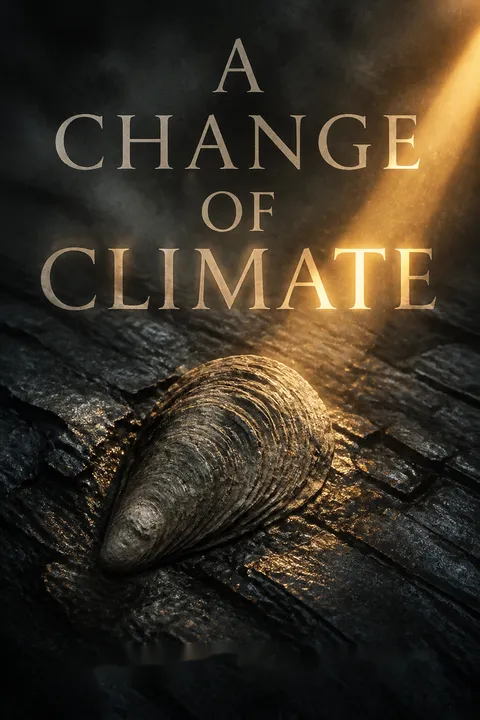
Ralph's discovery of the Gryphaea fossil becomes an emblem of layered time, forgotten or suppressed history, and the opacity of what lies beneath the surface. Objects (a knife, a skirt, a fossil, a broken bottle) become points of memory, connection, and regret, linking past injustices and present ruptures.
Dialogue and Irony
Mantel's dialogue is rich in irony, understatement, and self-deceit—characters frequently say less than they mean, or say things that unravel on closer inspection. Supposedly civil exchanges are laced with accusation, regret, and longing for an absolution that never comes.
About the Author
Other books by Hilary Mantel


Download PDF
Download EPUB
.epub digital book format is ideal for reading ebooks on phones, tablets, and e-readers.








































