
Plot Summary
Homecoming and Haunting Visions
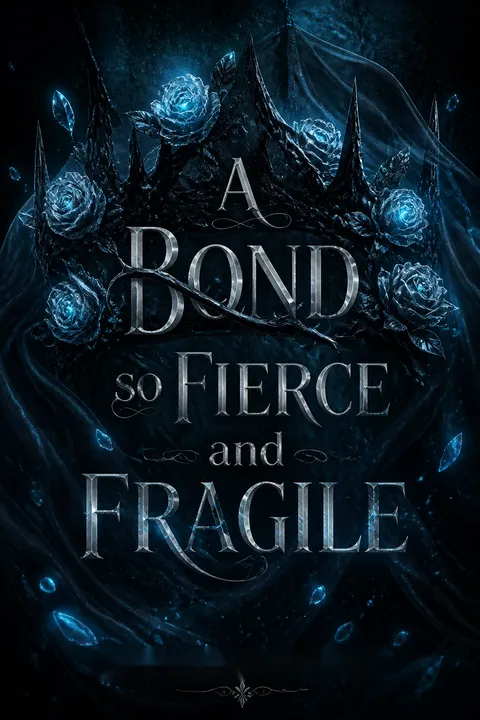
Lessia's long-awaited return to her childhood island is marred by bittersweet memories and unresolved grief. Reunited with her mate, Merrick, she is swept into a moment of joy, only for it to be shattered by a nightmarish vision: her father, Alarin, accuses her of causing the deaths of her mother and sister, and then kills Merrick before her eyes. The horror is revealed to be a cruel illusion, a mind game orchestrated by King Rioner to break Lessia's spirit. This opening sets the tone for a story where love, trauma, and the manipulation of memory are inextricably linked, and where Lessia's sense of self is constantly under siege by forces both external and internal.
Bonds of Love and Guilt
Merrick's devotion to Lessia is unwavering, but his love is shadowed by guilt and the scars of past violence. As he and Lessia's friends gather to plan her rescue, the depth of their bonds is revealed—not just romantic, but the fierce loyalty of found family. Yet, every relationship is tinged with regret: Merrick's guilt for his role in Lessia's suffering, Loche's for his betrayal, and Frelina's for her inability to protect her sister. These emotional wounds are as real as any physical threat, and the characters' attempts to atone or forgive themselves become a central struggle, shaping their choices as the story's stakes rise.
Captivity and Defiance
Lessia and her companions are held captive by Rioner, subjected to brutal physical and psychological torment. The king's goal is to break Lessia's will, to force her to surrender to despair and accept her role as a pawn in his schemes. Yet, even as she is beaten and humiliated, Lessia clings to defiance, drawing strength from the memory of Merrick's love and the hope that she can still shape her own fate. Her suffering is not just her own; it is shared by her family and friends, who are used as leverage against her. The chapter is a crucible, forging Lessia's resolve and setting the stage for her ultimate act of rebellion.
Breaking Points
The relentless torture pushes Lessia and her fellow captives to the edge. As her father is forced to choose between his daughters, and her friends are threatened with death, Lessia's guilt threatens to consume her. Yet, in the darkest moment, she finds a fragile hope: the possibility that her suffering might have meaning, that she can still protect those she loves. The chapter explores the limits of endurance, the cost of survival, and the ways in which trauma can both shatter and strengthen the bonds between people.
Allies and Tensions
Merrick, Loche, and their allies race to rescue Lessia, but their unity is fragile. Old wounds and rivalries simmer beneath the surface, threatening to undermine their efforts. Loche's guilt over his past actions, Raine's haunted memories, and the unresolved feelings between Lessia and her former lover all complicate the group's dynamics. Yet, in the face of a common enemy, they find ways to work together, pooling their strengths and resources. The chapter highlights the messy, imperfect nature of alliance, and the necessity of trust in the face of overwhelming odds.
The Prophecy's Shadow
The ancient prophecy that haunts Lessia's bloodline comes into sharp focus. Rioner's obsession with the curse drives him to ever greater cruelty, while Lessia is forced to confront the possibility that her destiny is to die for the sake of others. The tension between fate and free will is at the heart of this chapter: Lessia's struggle to assert agency in a world that seems determined to use her as a sacrificial lamb. The prophecy is both a source of terror and a call to action, compelling Lessia to make choices that will determine not just her own fate, but the fate of the entire realm.
War on the Horizon
As the threat of war looms, the characters prepare for battle—physically, emotionally, and strategically. Old grudges are set aside, new alliances are cemented, and the cost of what is to come becomes painfully clear. The chapter is suffused with a sense of impending doom, but also with moments of hope: reunions, confessions, and the reaffirmation of love and loyalty. The calm before the storm is a time for reflection, for making peace with the past, and for steeling oneself for the trials ahead.
The Price of Survival
The battle begins, and the cost is immediate and devastating. Friends and allies fall, and Lessia is forced to make impossible choices—who to save, who to let go, and how much of herself she is willing to sacrifice for the greater good. Betrayals are revealed, and the true nature of courage is tested. The chapter is a crucible of loss and resilience, as the characters are pushed to their limits and beyond.
Betrayal and Sacrifice
The tide of battle turns on acts of betrayal and sacrifice. Thissian gives his life to save Lessia, and Loche is forced to confront his own mother, the rebel leader, in a final, devastating confrontation. The cost of victory is measured in blood and grief, and the survivors are left to reckon with the consequences of their choices. The chapter is a meditation on the meaning of sacrifice, the pain of betrayal, and the possibility of redemption.
The Battle Unleashed
The final battle is a maelstrom of violence and magic, with Lessia at its center. She rides the wyvern Ydren into the heart of the enemy fleet, confronting Rioner in a desperate bid to fulfill the prophecy on her own terms. The clash of armies is mirrored by the clash of wills, as Lessia refuses to be a passive victim of fate. Her actions inspire those around her, turning the tide of battle and shattering the king's power. Yet, victory comes at a terrible price.
Losses and Last Stands
In the aftermath of battle, the survivors count their losses. Lessia is mortally wounded, fulfilling the prophecy in a way that is both triumphant and tragic. Her friends and loved ones gather around her, offering final words of love and gratitude. The chapter is a requiem for the fallen, a meditation on the cost of freedom, and a testament to the enduring power of love and memory.
The Veiled Queen's Choice
Lessia's spirit crosses into the afterlife, where she is greeted by Solana, Raine's lost mate, and offered a glimpse of peace. Yet, the bond between Lessia and Merrick is too strong to be severed by death alone. As Merrick unleashes his full power, breaking the boundaries between life and death, Lessia is given a choice: to move on, or to return and fight for a future that is not written in prophecy. The chapter is a liminal space, a bridge between worlds, where the true meaning of sacrifice and hope is revealed.
Aftermath and Awakening
Merrick's defiance of fate brings Lessia back to life, but the world they return to is forever changed. The souls of the dead gather to witness her rebirth, and the survivors must reckon with the consequences of their choices. The chapter is both an ending and a beginning: the close of one era, and the uncertain dawn of another. The bonds forged in suffering and love endure, offering hope that the wounds of the past can be healed.
The Bridge Between Worlds
Lessia and Merrick's reunion is both miraculous and hard-won. Their love, tested by fate and forged in sacrifice, becomes a beacon for others—a reminder that even in a world ruled by prophecy and pain, hope and agency are possible. The chapter is a celebration of resilience, of the power of chosen family, and of the possibility of building a new world from the ashes of the old.
Hope Beyond Fate
As the survivors begin to rebuild, the lessons of the past linger. The scars of war and loss are deep, but so too are the bonds of love and friendship. Lessia, now recognized as the Veiled Queen, must navigate the challenges of leadership and the expectations of a world hungry for hope. The chapter is a meditation on the fragility of peace, the necessity of forgiveness, and the courage required to choose hope in the face of uncertainty.
The Cost of Freedom
The story closes with a reflection on the cost of freedom—the lives lost, the innocence sacrificed, and the dreams deferred. Yet, in the midst of grief, there is also gratitude: for the love that endures, for the friendships that sustain, and for the possibility of a better world. The final note is one of hope, tempered by the knowledge that every victory comes at a price, and that the struggle for freedom and meaning is never truly over.
Analysis
A Bond so Fierce and Fragile is a sweeping, emotionally charged fantasy that interrogates the nature of fate, trauma, and the redemptive power of love. At its core, the novel is a meditation on agency: the struggle to assert one's will in a world governed by prophecy, cruelty, and the scars of the past. Lessia's journey—from victim to leader, from pawn to queen—is emblematic of the story's insistence that hope is an act of defiance, and that even in the face of overwhelming odds, the choice to love, to forgive, and to fight for a better world is both possible and necessary. The novel does not shy away from the cost of freedom: every victory is paid for in blood, and the wounds of war and loss are deep. Yet, it also insists that healing is possible—not through the erasure of pain, but through the forging of new bonds, the willingness to remember, and the courage to hope. In a world where the gods themselves are fallible, and where destiny is both a prison and a challenge, A Bond so Fierce and Fragile offers a vision of resilience, solidarity, and the fragile, fierce beauty of choosing one's own path.
Review Summary
People Also Read
Characters
Lessia Rantzier
Lessia is the emotional and moral center of the story—a young woman marked by trauma, guilt, and the burden of prophecy. Her journey is one of endurance and transformation: from a victim of cruelty to a leader who chooses to shape her own fate. Lessia's relationships—with her mate Merrick, her sister Frelina, and her found family—are the source of both her greatest strength and her deepest pain. She is defined by her capacity for love, her refusal to surrender to despair, and her willingness to sacrifice herself for others. Yet, her arc is also about reclaiming agency: refusing to be a pawn of fate, and insisting on the right to hope, to love, and to choose.
Merrick (The Death Whisperer)
Merrick is a warrior haunted by the violence of his past and the weight of his magical gift—the ability to commune with the dead. His love for Lessia is both his salvation and his torment, driving him to acts of heroism and self-sacrifice, but also to moments of rage and despair. Merrick's journey is one of learning to forgive himself, to accept love, and to challenge the dictates of fate. His willingness to defy the gods and break the boundaries between life and death is both a testament to his devotion and a meditation on the cost of love.
Frelina Rantzier
Frelina is Lessia's younger sister, defined by her longing for connection and her struggle with feelings of inadequacy. Her arc is one of self-discovery: learning to assert herself, to claim her right to love and be loved, and to find meaning in a world that often overlooks her. Frelina's relationship with Raine is both a source of comfort and a crucible for growth, forcing her to confront her fears and to choose vulnerability over isolation. Her empathy is both her gift and her curse, making her acutely sensitive to the pain of others but also capable of great compassion.
Loche
Loche is a human leader marked by guilt, loss, and the legacy of a troubled past. His relationship with Lessia is complex—rooted in love, betrayal, and the shared experience of being outsiders. Loche's arc is one of atonement: seeking to make amends for his mistakes, to protect his people, and to find a measure of peace. His struggle with his own mother, the rebel leader, is a microcosm of the story's larger themes: the cost of power, the pain of betrayal, and the possibility of redemption.
Raine
Raine is a Fae with the power to manipulate minds, but he is most defined by his grief for his lost mate, Solana. His journey is one of learning to live with loss, to open himself to new connections, and to find meaning in the aftermath of tragedy. His relationship with Frelina is both a balm and a challenge, forcing him to confront his own defenses and to risk vulnerability. Raine's arc is a meditation on the nature of healing, the persistence of memory, and the courage required to love again.
Thissian
Thissian is one of the Siphon Twins, marked by a quiet strength and a deep capacity for empathy. His willingness to sacrifice himself for Lessia is both a testament to his character and a commentary on the cost of heroism. Thissian's death is a pivotal moment, galvanizing the survivors and underscoring the story's themes of loss, loyalty, and the price of freedom.
Kerym
Kerym is Thissian's brother, defined by his intensity, his loyalty, and his struggle to carry the weight of grief. His arc is one of learning to live with loss, to find purpose in the aftermath of tragedy, and to honor the memory of those he has lost. Kerym's relationships—with his brother, with the witch sisters, and with the other survivors—are a source of both pain and healing.
Iviry
Iviry is a Fae warrior whose brashness and confidence mask a deep capacity for loyalty and love. Her unexpected bond with Loche is a source of both tension and hope, challenging both characters to confront their fears and to imagine a future beyond war. Iviry's arc is one of learning to trust, to forgive, and to fight for something greater than herself.
Soria and Pellie
Soria and Pellie are revealed to be witches—guardians whose role is to maintain the balance of magic in the world. Their presence is a reminder that power comes with responsibility, and that the struggle for justice is never simple. The sisters' loyalty to Lessia and their willingness to fight alongside the others underscore the story's themes of found family and the necessity of solidarity in the face of oppression.
King Rioner
Rioner is the story's primary antagonist—a king obsessed with prophecy, power, and the destruction of those he deems unworthy. His cruelty is both personal and systemic, targeting Lessia and her family as symbols of a world he wishes to control. Rioner's downfall is both a moment of catharsis and a reminder of the cost of tyranny, and his legacy lingers in the wounds he has inflicted on the survivors.
Plot Devices
Prophecy and Fate
The prophecy that haunts Lessia's bloodline is the central plot device, driving the actions of both heroes and villains. It is both a source of terror and a call to action, compelling characters to confront the tension between destiny and free will. The prophecy's ambiguity allows for moments of hope and defiance, as Lessia and her allies seek to subvert its dictates and claim agency over their own lives.
Duality of Love and Guilt
The story is structured around the interplay of love and guilt: romantic, familial, and platonic bonds are both a source of strength and a crucible for suffering. Characters are constantly forced to choose between self-preservation and self-sacrifice, and the consequences of these choices reverberate throughout the narrative. The mate bond between Lessia and Merrick is both a blessing and a curse, offering the possibility of healing but also the threat of unbearable loss.
Psychological Manipulation
Rioner's use of psychological torture—illusions, manipulation of memory, and the exploitation of guilt—is a recurring device, mirroring the internal struggles of the protagonists. The blurring of reality and illusion forces characters to question their own perceptions, to confront the ways in which trauma shapes identity, and to fight for the integrity of their own minds.
War as Crucible
The climactic battle is both a literal and metaphorical crucible, testing the characters' courage, loyalty, and capacity for sacrifice. The chaos of war is mirrored by the chaos within: the struggle to hold on to hope, to forgive oneself, and to find meaning in suffering. The battle's outcome is determined not just by strength of arms, but by the strength of the bonds between the survivors.
Liminal Spaces and Resurrection
The story's climax and resolution hinge on the crossing of boundaries—between life and death, hope and despair, fate and freedom. The afterlife is depicted as a liminal space, a bridge between worlds where choices still matter and where love can defy even the gods. Merrick's willingness to break the rules of fate to bring Lessia back is both a literal resurrection and a metaphor for the power of hope and agency.
Found Family and Chosen Bonds
The formation of a found family—across lines of blood, species, and history—is a key device, offering the characters a source of strength and meaning in a world that seeks to divide and destroy them. The story insists that survival is not just a matter of individual will, but of collective care, forgiveness, and the willingness to fight for one another.
About the Author


Download PDF
Download EPUB
.epub digital book format is ideal for reading ebooks on phones, tablets, and e-readers.








































