
Plot Summary
Night Shift Chaos
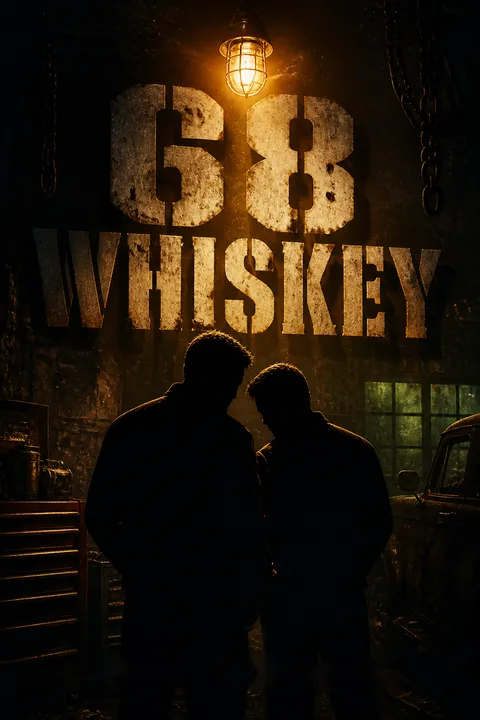
Paramedic Tristan O'Brien and his rookie partner Cade are battered by a night of violence in rural Missouri. A multi-car pileup and a stabbing at Ford Novack's garage set the tone: Possum Hollow is a place where trauma is routine and the past is never far away. When Tristan meets Ford—a mute, scarred mechanic with a reputation for violence—he's drawn to the man's intensity and haunted eyes. The chaos of the night, the exhaustion, and the adrenaline create a bond between these two broken men, even as they try to keep their distance from each other and the world.
Blood and Betrayal
The aftermath of the garage attack leaves Ford's world in pieces. His shop, inherited from his late father, is trashed, and his employee Silas is wounded. Ford's muteness and intimidating presence make him a target for suspicion, but Tristan sees through the surface. As Ford cleans up, he's forced to confront his failures and the weight of his father's legacy. Tristan, meanwhile, uses his car as an excuse to check on Ford, sensing the man's isolation and pain. Their awkward, charged interactions hint at a connection neither is ready to admit.
Broken Men Meet
Tristan's own demons—military PTSD, family estrangement, and guilt over his brother's death—mirror Ford's. Both men are experts at compartmentalizing pain, but their defenses begin to crack in each other's presence. Tristan's relentless flirting and Ford's gruff resistance create a push-pull dynamic that's as much about survival as attraction. The town's undercurrent of violence, poverty, and addiction is ever-present, and both men are acutely aware that caring for others is a dangerous game.
Haunted by the Past
Ford's childhood trauma—an abusive stepfather, his mother's murder, and his own near-death—haunt his dreams and waking life. Tristan's nightmares are filled with guilt over his brother Conor's death and his mother's manipulations. Both men are shaped by violence and loss, and their coping mechanisms—work, isolation, dark humor—are starting to fail. Their late-night text exchanges become a lifeline, offering moments of levity and connection amid the darkness.
Flirting with Disaster
As Tristan and Ford's banter grows more intimate, so does their mutual fascination. Tristan's overt flirting is met with Ford's gruff retorts, but beneath the surface, both are drawn to each other's brokenness. The town's criminal underbelly—meth, gangs, and the shadow of the Banna mafia—begins to encroach on their lives. When Tristan finds Ford drunk and spiraling on the anniversary of his brother's death, he intervenes, dragging Ford back from the brink and deepening their bond.
Trauma Bonds
The aftermath of Ford's meltdown brings vulnerability to the surface. Tristan, used to being the caretaker, finds himself needing Ford's steadiness. Their physical attraction boils over, but emotional intimacy remains fraught. Both men are terrified of needing anyone, yet they can't stay away. The violence in town escalates, and the lines between personal and professional, safety and risk, blur further.
The Edge of Control
Ford's need for control—over his body, his environment, his emotions—is tested by Tristan's chaotic energy. Their sexual encounters become a battleground for dominance and surrender, each man finding unexpected solace in the other's arms. But the threat of the Banna mafia, unresolved grief, and the ever-present risk of self-destruction loom large. When Ford is attacked in his own home, the fragility of their hard-won peace is exposed.
Unraveling at Home
Tristan's mother, Kaitlyn, arrives in town, bringing with her a storm of unresolved anger, guilt, and manipulation. Their confrontations are raw and painful, forcing Tristan to confront the ways his upbringing shaped his inability to trust or accept love. Ford, too, is forced to reckon with the truth about his father's criminal past and the lies that kept their family afloat. Both men are pushed to the edge, their old coping mechanisms failing as new wounds are opened.
Lines Crossed
The Banna mafia's grip tightens, drawing Tristan and Ford into a web of debts, threats, and violence. Tristan makes a dangerous deal with Eamon, the local Banna boss, offering his medical skills in exchange for Ford's safety and the promise to eliminate the man who destroyed Ford's family. The cost of survival becomes clear: there is no way out without blood on their hands. Trust between Tristan and Ford is tested as secrets come to light.
Underworld Ties
As the Banna's war with rival gangs escalates, Tristan and Ford are forced to navigate a world where violence is currency and loyalty is a liability. Ford's shop becomes both a sanctuary and a target. The lines between right and wrong blur as they are drawn deeper into criminal schemes, forced to rely on each other in ways that terrify them both. The threat of betrayal—by family, by friends, by each other—hangs over every decision.
The Mafia's Shadow
Ford learns the full extent of his father's involvement with the Banna and the truth about the hit on his mother's killer. The revelation shatters his image of his father and forces him to question his own morality. Tristan, meanwhile, is haunted by the knowledge that violence begets violence, and that his own actions may doom them both. The specter of Tommy, Ford's childhood abuser, looms large, even in death.
Violence and Vulnerability
A series of violent confrontations—shootings, break-ins, and near-death experiences—push Tristan and Ford to their limits. Both men are forced to confront their deepest fears: abandonment, helplessness, and the possibility that they are unlovable. Their friends, Cade and Silas, provide support, but ultimately, it is their willingness to be vulnerable with each other that allows them to begin healing.
Secrets and Scars
Ford's struggle with self-injury resurfaces in the wake of overwhelming stress and betrayal. Tristan's response—calm, compassionate, and nonjudgmental—marks a turning point in their relationship. Both men begin to accept that their scars, physical and emotional, are part of who they are, but do not define their worth. The process of healing is messy and nonlinear, but for the first time, hope feels possible.
Meltdowns and Mercy
As the dust settles, Tristan and Ford are forced to confront the consequences of their actions and the reality of their trauma. Apologies are made, boundaries are set, and the work of rebuilding trust begins. The presence of Kaitlyn, Tristan's mother, complicates matters, but also offers an opportunity for reconciliation and growth. The found family they have built—imperfect, chaotic, but fiercely loyal—becomes their anchor.
The Cost of Survival
The deals made with the Banna mafia come due, forcing Tristan and Ford to navigate a dangerous balancing act between survival and integrity. The threat of violence remains, but they are no longer alone. Their willingness to sacrifice for each other—and to accept help—marks a profound shift from the isolation that once defined them. The cost of survival is high, but the rewards are real.
Reckoning with Family
Both men are forced to reckon with the legacies of their parents—their failures, their love, and their betrayals. Kaitlyn's presence forces Tristan to confront his own capacity for forgiveness, while Ford grapples with the truth about his father's choices. The process is painful, but ultimately liberating, allowing both men to begin imagining a future not defined by the past.
Descent and Rescue
In the aftermath of violence and betrayal, both men reach their lowest points. Ford's self-harm and Tristan's emotional collapse threaten to undo all their progress. But through mutual care, honesty, and the support of their friends, they begin to climb out of the darkness. The process is slow and imperfect, but marked by moments of genuine connection and tenderness.
Healing Hands
As wounds—physical and emotional—begin to heal, Tristan and Ford learn to trust each other with their pain. Their relationship, once defined by fear and avoidance, becomes a source of strength. The boundaries between caretaker and cared-for blur, and both men learn to accept love, even when it feels undeserved. The future remains uncertain, but for the first time, it feels possible.
Boundaries and Beginnings
With the immediate threats behind them, Tristan and Ford are faced with the challenge of building a life together. Old habits die hard, but their commitment to honesty, vulnerability, and mutual support allows them to begin again. The found family they have created—Cade, Silas, Kaitlyn, and others—offers a model of love that is messy, imperfect, and real.
Love in the Ruins
In the end, Tristan and Ford choose each other—not in spite of their scars, but because of them. Their love is forged in trauma, but sustained by tenderness, humor, and a shared refusal to give up. The world remains dangerous and uncertain, but together, they have found a measure of peace. The story closes with the promise of more challenges ahead, but also the certainty that, whatever comes, they will face it together.
Analysis
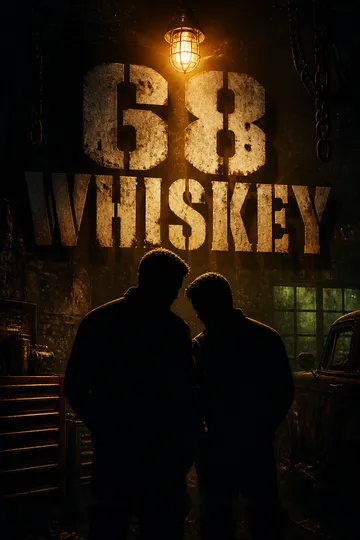
68 Whiskey is a raw, unflinching exploration of trauma, survival, and the messy, nonlinear process of healing. Set against the backdrop of rural poverty, addiction, and small-town violence, the novel refuses easy answers or tidy resolutions. Instead, it offers a portrait of two men—Tristan and Ford—who are both deeply wounded and fiercely resilient, learning to trust each other and themselves in a world that has taught them to expect betrayal. The novel's strength lies in its refusal to romanticize pain or pathologize survival strategies; self-harm, addiction, and avoidance are depicted with empathy and realism, but never glamorized. The found family that emerges—imperfect, chaotic, but fiercely loyal—offers a model of love that is both hard-won and deeply necessary. Ultimately, 68 Whiskey is a story about the courage it takes to choose connection over isolation, to accept help, and to believe that healing is possible, even when the world seems determined to break you. Its lessons are hard but hopeful: survival is not enough; to truly live, we must risk being known, and loved, in all our brokenness.
People Also Read



Characters
Tristan O'Brien
Tristan is a former Army medic turned rural paramedic, running from a past filled with family trauma, guilt over his brother's death, and the scars of military service. He's fiercely competent in crisis, but emotionally avoidant, using humor, sex, and adrenaline to keep his pain at bay. His relationship with Ford forces him to confront his own vulnerability and need for connection. Tristan's journey is one of learning to accept care as well as give it, and to trust that he is worthy of love despite his flaws. His dynamic with Ford is a dance of dominance and surrender, both in and out of bed, and his willingness to sacrifice for those he loves is both his greatest strength and his deepest wound.
Ford Novack
Ford is a mute mechanic with a violent reputation, shaped by a childhood of abuse, his mother's murder, and his own near-death. He communicates primarily through ASL, and his silence is both a shield and a wound. Ford is fiercely loyal, deeply private, and struggles with self-harm as a way to manage overwhelming emotion. His father's legacy—a mix of love, criminality, and sacrifice—haunts him, and his relationship with Tristan challenges his belief that he is unlovable. Ford's journey is one of learning to accept help, to forgive himself, and to believe in the possibility of a future not defined by trauma.
Kaitlyn O'Brien
Kaitlyn is Tristan's mother, a former teenage grifter with untreated bipolar disorder and a history of manipulation and neglect. Her arrival in Possum Hollow reopens old wounds, forcing Tristan to confront the ways her parenting shaped his inability to trust or accept love. Kaitlyn is both a source of pain and a catalyst for growth, her presence challenging Tristan to set boundaries and seek reconciliation on his own terms.
Cade
Cade is Tristan's EMT partner and Ford's longtime friend. He's energetic, loyal, and carries his own scars from a difficult upbringing. Cade's relationship with Silas is a model of healing and mutual support, and his friendship with Tristan provides both comic relief and emotional grounding. Cade's journey is one of learning to trust, to accept love, and to break the cycle of trauma.
Silas
Silas is Ford's employee and Cade's partner, a survivor of his own family trauma. He is gentle, empathetic, and quietly resilient, providing a stabilizing presence amid the chaos. Silas's relationship with Cade is a testament to the power of vulnerability and mutual care, and his friendship with Ford offers a model of nonjudgmental support.
Eamon
Eamon is the local boss of the Banna mafia, a figure of menace and manipulation. He represents the ever-present threat of violence and the seductive pull of criminality. Eamon's interest in Ford and Tristan is both personal and strategic, and his machinations force the protagonists to confront the cost of survival in a world where loyalty is a liability.
Tobias
Tobias is a young man caught up in the town's criminal underbelly, caring for his ailing grandmother while struggling to escape the pull of gang life. His interactions with Tristan and Ford highlight the ways trauma and poverty perpetuate themselves, and his fate serves as a warning and a challenge to the protagonists.
Noah Novack
Ford's late father is a looming presence throughout the novel, his love and his secrets shaping Ford's understanding of himself and the world. Noah's involvement with the Banna, his efforts to protect Ford, and his ultimate failure to escape his past force Ford to reckon with the complexity of love, loyalty, and betrayal.
Tommy
Tommy is Ford's childhood abuser and the man who murdered his mother. Even in death, he haunts Ford's dreams and shapes his fears. Tommy represents the inescapability of trauma and the difficulty of finding closure in a world where justice is elusive.
Rebecca
Rebecca is an ER nurse and Tristan's colleague, offering tough love, practical advice, and a model of survival in a world shaped by violence and loss. Her presence grounds the narrative, reminding the protagonists that healing is possible, but never easy.
Plot Devices
Dual Narration and Trauma Perspective
The novel employs a dual first-person narration, alternating between Tristan and Ford. This structure allows readers to inhabit the inner worlds of both protagonists, experiencing their trauma, desires, and fears from the inside. The use of ASL as Ford's primary mode of communication is both a narrative device and a symbol of his isolation and resilience. The story's pacing mirrors the rhythms of trauma: moments of crisis and violence are followed by periods of numbness, avoidance, and slow healing. Flashbacks, nightmares, and intrusive memories are used to reveal backstory and deepen character, while the present-tense action keeps the narrative immediate and visceral.
Found Family and Cycles of Violence
The theme of found family runs throughout the novel, with Tristan and Ford gradually building a network of support—Cade, Silas, Rebecca, and even Kaitlyn—that offers a counterpoint to the violence and neglect of their biological families. The cycles of violence—domestic, criminal, systemic—are depicted as both inescapable and breakable, depending on the willingness of characters to seek help and accept love. The criminal underworld of Possum Hollow serves as both a literal and metaphorical backdrop, its dangers forcing the protagonists to confront their own capacity for violence and their need for connection.
Sex as Communication and Healing
Sex in the novel is both a site of struggle and a means of healing. For both Tristan and Ford, physical intimacy is easier than emotional vulnerability, and their sexual encounters become a way to negotiate power, trust, and care. The explicit depiction of kink, dominance, and submission is used not for shock value, but to explore the ways trauma survivors seek control, surrender, and affirmation. The gradual shift from sex as avoidance to sex as genuine connection mirrors the protagonists' emotional journeys.
Foreshadowing and Symbolism
The novel uses foreshadowing—ominous dreams, recurring motifs of blood, scars, and silence—to build tension and underscore the ever-present threat of relapse, violence, and loss. The shop, the ambulance, and the home are recurring settings that symbolize safety, danger, and the possibility of renewal. The act of repairing—cars, bodies, relationships—serves as a central metaphor for the work of healing.
Possum Hollow Series Series
Download PDF
Download EPUB
.epub digital book format is ideal for reading ebooks on phones, tablets, and e-readers.








































