
Key Takeaways
1. Unexpected inheritances can bring hidden financial burdens
So what you’re saying is, we have to pay this lady a monthly allowance. We’re paying her to stay there.
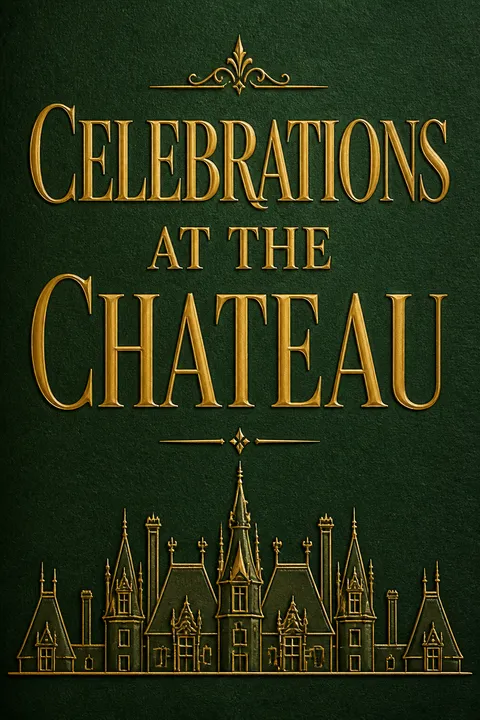
A shocking discovery. When Fliss and her sisters inherit Château des Arbres, they expect a simple holiday home but find a massive, decaying estate. They quickly learn the property is bound by a viager occupé agreement, a French legal contract. This means the elderly resident, Madame Charlotte Cadieux, has a lifetime right to occupy the property.
The financial trap. Instead of a lucrative asset, the sisters face immediate, compounding expenses. They are legally obligated to pay Charlotte a substantial monthly allowance and face heavy property taxes. If they fail to meet these payments, the entire property reverts to the original family.
Urgent strategic pivot. To prevent losing the inheritance, Fliss must find a way to make the château self-sustaining. She decides to stay behind and convert the estate into a B-and-B. This high-stakes endeavor requires:
- Navigating complex local regulations
- Managing a massive, drafty building
- Generating immediate cash flow to cover the viager payments
2. Embracing temporary solitude allows for personal growth and clarity
I am the only one with nothing to rush back for... I need to find a life of my own, a future...
Stepping into independence. Left alone at the drafty château, Fliss is forced to confront her stagnant life. Back home, she was a "Jack of all trades," drifting between seasonal jobs and waiting for her non-committal partner, Ty. The physical isolation of the French countryside provides the perfect backdrop for self-reflection.
Building inner strength. Managing the massive estate single-handedly forces Fliss to develop practical and emotional resilience. She learns to handle everything from temperamental boilers to hostile neighbors. This hands-on responsibility transforms her from a passive follower into an active decision-maker.
A shift in perspective. The quiet nights in the château help Fliss realize she wants more than a convenient, seasonal relationship. She begins to crave stability, a real career, and a family of her own. This period of solitude teaches her that:
- Self-reliance is the foundation of personal growth
- Stepping out of comfort zones reveals hidden capabilities
- Solitude can clarify what we truly value in life
3. Community integration is essential for local business success
I can’t run a B-and-B if the townspeople freeze me out, even if I do have the mayor’s blessing.
The cold shoulder. When Fliss attempts to launch her B-and-B, she is met with active hostility from the local villagers. Shopkeepers refuse to sell her fresh bread, the florist closes early, and the local crêperie denies her service. She realizes that local businesses cannot operate in a vacuum; they require community goodwill.
Understanding local history. The villagers' resentment stems from deep-seated historical grudges. The château's previous owners had locked up the beloved apple orchard, depriving the town of its traditional cider-making heritage. Fliss's presence as an outsider inherits this legacy of distrust.
Bridging the gap. To succeed, Fliss must actively demonstrate that her business will benefit the entire town. She achieves this by:
- Sourcing supplies locally whenever possible
- Hiring local help, like the village plumber
- Reopening the château's gates to invite the community back in
4. Family support can rescue troubled youth through purposeful work
He’ll be doing me a favour... This will get Jason away from whoever he’s mixing with.
A timely intervention. When Fliss's teenage nephew, Jason, is excluded from school for drug-related trouble, Fliss offers a lifeline. She invites him to France to help her renovate the château. This physical relocation removes him from toxic peer groups and high-pressure environments.
The power of labor. At the château, Jason is given real responsibilities, from clearing brambles to helping with guests. This purposeful, hands-on work gives him a sense of agency and accomplishment. He slowly transitions from a sullen, withdrawn teenager into a reliable, hard-working young man.
Healing through connection. The supportive environment of the château allows Jason to open up about his struggles. Working alongside Fliss and bonding with local teenager Clémentine helps him rebuild his self-esteem. Key benefits of this intervention include:
- Developing practical life skills
- Rebuilding trust within the family unit
- Finding a safe space to heal and reset
5. True love requires mutual commitment, not convenient arrangements
I didn’t need a wedding. But I did need to feel you were as committed as I was...
The illusion of happiness. For years, Fliss believed she was happy in her casual, seasonal relationship with Ty. They lived by the mantra "don't fix what isn't broken," avoiding labels and long-term plans. However, her time in France exposes the cracks in this convenient arrangement.
A painful realization. When Ty's friend reveals that Ty never considered their relationship exclusive, Fliss is devastated. She realizes that while she was fully committed, Ty was merely using her as a convenient "soft landing" between his travels. This revelation forces her to re-evaluate her self-worth.
Choosing self-respect. Fliss makes the difficult but empowering decision to end the relationship for good. She blocks Ty, refusing to settle for second best any longer. This pivotal moment teaches her that:
- Convenience is not a substitute for genuine commitment
- Healthy relationships require shared future goals
- Walking away from half-hearted love is necessary for finding real happiness
6. Honoring the past can heal generational divides and old grudges
Some memories shouldn’t be shut away. They should be enjoyed.
Uncovering family secrets. Fliss discovers that her grandfather, Dafydd, was once the château's gardener and had a passionate, forbidden love affair with Charlotte. When Charlotte's father found out, he banished Dafydd and locked the orchard, punishing the entire village. Decades later, Dafydd bought the château to protect Charlotte.
The healing power of truth. Learning this history changes how Fliss and the villagers view the château. It was not bought out of spite, but out of enduring love and loyalty. Sharing this story with Charlotte's grandson, Jacques, helps dissolve his resentment toward Fliss's family.
Restoring the community. By reviving the traditional Apple Festival, Fliss honors her grandfather's legacy and heals the town's old wounds. The event brings the villagers back into the orchard, restoring their shared heritage. This act of reconciliation demonstrates:
- The importance of uncovering historical truths
- How shared traditions can unite divided communities
- That honoring the past paves the way for a collaborative future
7. Resourcefulness and adaptability turn unexpected crises into triumphs
When things don’t work out, it’s our job to find a way around them.
Overcoming operational disasters. Running a historic château is a constant battle against decay and unexpected emergencies. On the eve of her first major event, Fliss faces a collapsed boiler, a blocked drainage system, and a severe storm. Rather than panicking, she relies on her practical problem-solving skills.
The power of adaptability. When the wedding caterer is blocked by floods and the vicar passes out drunk, Fliss and her family pivot instantly. Her sister Nellie whips up a gourmet meal from pantry leftovers, and Fliss steps in to conduct the wedding blessing herself. This flexibility saves the couple's big day.
Turning challenges into assets. These high-pressure situations force Fliss to think outside the box. She learns that perfection is overrated and that guests often appreciate authenticity and warmth over rigid formality. Key lessons in resourcefulness include:
- Utilizing available resources creatively
- Remaining calm and decisive under pressure
- Viewing setbacks as opportunities for unique experiences
8. Collaboration and shared custody preserve heritage better than isolation
None of us really owns this château. We’re just looking after it for the time we’re here.
A shift in ownership mindset. Fliss realizes that a historic property like Château des Arbres cannot be successfully managed by a single, isolated owner. It requires a network of support, expertise, and shared responsibility. She stops viewing the château as a personal financial asset and starts seeing herself as its custodian.
The strength of family partnership. Recognizing the scale of the task, Fliss's sisters, Lizzie and Nellie, decide to join her in France permanently. Lizzie brings her financial and accounting expertise, while Nellie manages the culinary operations. This collaborative family business model ensures the château's long-term survival.
Integrating with the locals. By partnering with Jacques for land grazing and sourcing local produce, Fliss embeds the château back into the local economy. This mutual cooperation benefits both the estate and the village. Successful preservation relies on:
- Sharing responsibilities based on individual strengths
- Fostering mutually beneficial local partnerships
- Prioritizing stewardship over individual exploitation
9. Letting go of toxic relationships opens the door to genuine love
I know that love has finally put me on the right path in the apple orchard.
Breaking free from the past. By officially ending her non-committal relationship with Ty, Fliss clears the emotional clutter from her life. She stops waiting for someone who only valued her when it was convenient. This act of self-liberation opens her heart to new, healthier possibilities.
Recognizing genuine affection. Fliss begins to see the stark contrast between Ty's indifference and Jacques's quiet, protective care. Jacques is consistently there to support her, whether fixing a boiler or helping her navigate local politics. His actions demonstrate a deep, respectful commitment that Ty never offered.
A new beginning. Despite the complications of Jacques's past and his meddling ex-wife, Fliss and Jacques choose to build a future together. Their love is grounded in mutual respect, shared labor, and a deep connection to the château. This romantic resolution proves that:
- True love is active, supportive, and present
- Letting go of the wrong person is necessary to find the right one
- A shared vision for the future is the foundation of a lasting partnership
Review Summary
Celebrations at the Chateau receives generally positive reviews, averaging 4.14/5. Readers consistently praise the charming French setting, loveable characters—particularly Charlotte and teenage nephew Jason—and the feel-good, cosy atmosphere. Fliss is widely appreciated as a relatable protagonist whose confidence grows throughout the story. Common criticisms include predictability, repetitive phrasing, and underdeveloped romance between Fliss and Jacques. Many reviewers highlight the vivid food descriptions and multi-generational relationships as standout elements, recommending it as perfect escapist autumn or festive reading.
Download PDF
Download EPUB
.epub digital book format is ideal for reading ebooks on phones, tablets, and e-readers.








































