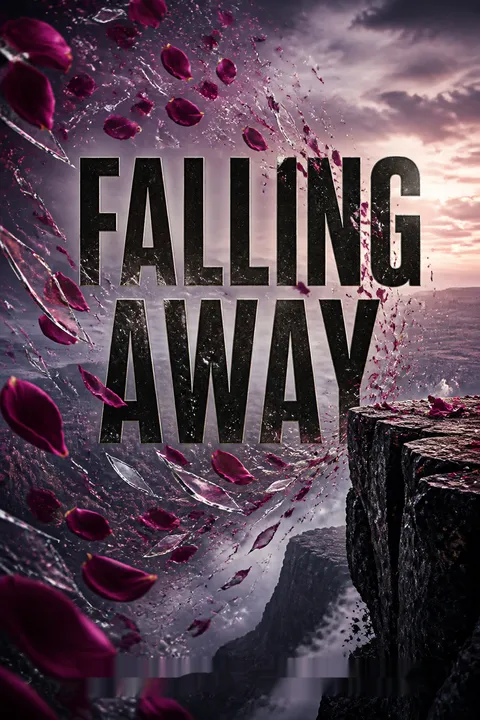

Plot Summary
Summer's Last Goodbye
The summer before college, K.C. Carter is restless, stuck between the comfort of her long-term boyfriend Liam and the magnetic pull of Jaxon Trent, her best friend's enigmatic neighbor. A failed attempt at intimacy with Liam leaves her feeling empty, and a chance encounter with Jax—witnessing his raw, unapologetic passion—shakes her to her core. K.C. is haunted by what she sees, realizing her own life is a carefully constructed performance, lacking the wildness she secretly craves. The night ends with Jax driving her home, a charged moment between them hinting at a future neither is ready to claim.
Unraveling in the Dark
Two years later, K.C. returns to Shelburne Falls under a cloud of scandal, forced by a court order to complete community service. She's no longer the perfect daughter or girlfriend, but a young woman marked by mistakes and regret. Staying at her friend Tate's house, she's surrounded by reminders of the life she left behind—and the people she hurt. The town is unchanged, but K.C. is not. She's determined to prove she's stronger, but the ghosts of her past, especially Jax, linger in every shadow.
Homecoming and Consequences
Assigned to tutor struggling students at her old high school, K.C. is thrust back into the world she tried to escape. The halls are filled with memories—of friendship, betrayal, and longing. She's forced to face Liam, now with someone new, and the judgment of her peers. Jax is everywhere: on the field, at parties, in her thoughts. Their encounters are electric, fraught with unresolved tension and mutual provocation. K.C. is both drawn to and terrified by the possibility of something real with him.
Tutoring the Lost
K.C.'s role as a tutor mirrors her own struggle for direction. Her students are resistant, mirroring her own reluctance to engage with life. She tries to inspire them, but her own confidence is shaky. The classroom becomes a battleground for respect and understanding, and K.C. finds herself challenged by both her students and her own insecurities. Meanwhile, Jax's presence at the school—coaching, watching—keeps her off balance, forcing her to confront feelings she's tried to bury.
Sparks and Scars
The simmering attraction between K.C. and Jax erupts in a series of charged encounters. Their banter is a shield for deeper wounds: K.C.'s struggle with her identity and self-worth, Jax's haunted past and need for control. A stolen kiss, a heated argument, and a moment of vulnerability reveal the scars they both carry. K.C. is forced to confront the truth about her family, her sister's shadow, and the pain she's hidden for years. Jax, in turn, reveals glimpses of the trauma that shaped him.
Lessons in Control
Jax challenges K.C. to let go of her fear, to take risks and embrace her desires. He teaches her to drive a stick shift, using the lesson as a metaphor for intimacy and trust. Their connection deepens, but so do their defenses. K.C. wants to be wild, to feel alive, but she's terrified of losing control. Jax pushes her boundaries, forcing her to choose between safety and passion. Their relationship becomes a dance of give and take, each daring the other to be seen.
The Loop's Temptation
The Loop, once a symbol of rebellion and escape, becomes the backdrop for K.C. and Jax's evolving relationship. Surrounded by fast cars, loud music, and reckless friends, they test each other's limits. A near-intimate encounter in Jax's car leaves them both shaken and wanting more. K.C. is intoxicated by the thrill of being with Jax, but old insecurities and the specter of his past threaten to pull them apart. The Loop is both a playground and a proving ground for their love.
Breaking the Mold
K.C. begins to shed the roles imposed on her by family and society. She stands up to her mother, confronts her own mistakes, and starts to define herself on her own terms. Jax, too, is forced to reckon with the choices he's made and the secrets he keeps. Their relationship is tested by jealousy, misunderstandings, and the interference of others. But through it all, they find moments of honesty and connection that hint at something lasting.
Wild Nights, Wild Hearts
A night of partying spirals into chaos, exposing the raw edges of K.C. and Jax's connection. Old lovers, new rivals, and unresolved feelings come to a head. K.C. is forced to confront her feelings for Jax, even as he pushes her away in a misguided attempt to protect her. Their physical connection is undeniable, but emotional intimacy remains elusive. Both are haunted by the fear of not being enough, of being abandoned or betrayed.
Family Ties and Fears
Jax's troubled family history resurfaces, bringing danger to his doorstep. His father's release from prison casts a shadow over his newfound happiness with K.C. As secrets unravel, both are forced to confront the ways their families have shaped—and wounded—them. K.C. must decide whether to run from pain or fight for love, while Jax grapples with the fear that he's too damaged to deserve happiness. Together, they face the reality that healing means facing the darkness, not hiding from it.
Confessions and Collisions
In a series of confessions—some tender, some explosive—K.C. and Jax lay bare their deepest fears and desires. K.C. admits her love, risking rejection. Jax, overwhelmed by guilt and self-doubt, tries to push her away, convinced he's not good enough. Their collision is both physical and emotional, a desperate attempt to bridge the gap between them. In the aftermath, both must decide whether to let go or fight for each other.
The Edge of Trust
After a painful separation, K.C. and Jax are forced to confront what they truly mean to each other. Outside forces—family, friends, and old enemies—test their bond. A violent confrontation with Jax's father brings everything to a head, forcing them to choose between fear and trust. In the crucible of crisis, they discover the strength to forgive themselves and each other, forging a new path forward.
Falling and Fighting
With the past finally laid to rest, K.C. and Jax embrace the messiness of love. They learn that true intimacy requires vulnerability, honesty, and the courage to let go of old wounds. Together, they break the cycles of pain and self-doubt that have held them back. Their love is imperfect, wild, and hard-won—but it is theirs. As they set out on a new adventure, they do so as equals, partners, and survivors, ready to face whatever comes next.
The Cost of Secrets
K.C. and Jax's relationship is threatened by the secrets they keep from each other and themselves. As old wounds resurface, they must decide whether to continue hiding or to risk everything for honesty. The cost of silence becomes clear when danger arrives at their door, forcing them to confront the consequences of their choices. Only by facing the truth can they hope to build a future together.
Only Ever You
In the aftermath of trauma and reconciliation, K.C. and Jax reaffirm their commitment to each other. Tattoos, scars, and whispered vows become symbols of their journey—proof that love can grow in even the harshest soil. They learn that being "only ever you" means accepting each other's flaws, forgiving past mistakes, and choosing each other every day. Their love is not a fairy tale, but a hard-won reality.
The Cliff and the Fall
A literal and metaphorical leap off a cliff becomes a turning point for K.C. and Jax. In risking everything, they find freedom from the fears that have held them back. The fall is terrifying, but the landing is worth it. Together, they discover that true love is not about safety, but about daring to jump—again and again—into the unknown.
Breaking the Cycle
K.C. and Jax confront the legacies of pain passed down by their families. Through forgiveness, therapy, and the support of friends, they begin to break the cycles of abuse and neglect that have haunted them. Their journey is messy and imperfect, but each step forward is a victory. In choosing each other, they choose a different future.
Love, Loss, and Letting Go
As K.C. and Jax prepare to leave Shelburne Falls for a new adventure, they reflect on how far they've come. They say goodbye to old identities, old fears, and old wounds, carrying with them the lessons of love and loss. Their story is one of falling away from the past and into each other—imperfect, passionate, and real.
Analysis
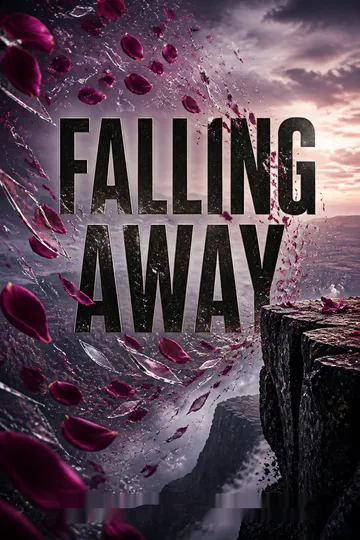
A modern romance about healing, agency, and the courage to loveFalling Away is more than a steamy new adult romance; it's a nuanced exploration of how trauma, shame, and family legacies shape our capacity for intimacy and self-acceptance. Through the intertwined journeys of K.C. and Jax, the novel examines the ways in which we inherit pain—and the possibility of breaking free from it. The story challenges the myth of the "bad boy" and the "good girl," revealing the complexity beneath the surface and the necessity of vulnerability for true connection. The narrative's use of dual perspectives, rich symbolism, and emotionally charged plot devices invites readers to reflect on their own patterns of fear, desire, and self-sabotage. Ultimately, Falling Away argues that love is not about perfection or rescue, but about choosing—again and again—to show up, to risk, and to fight for happiness. The lesson is clear: healing is messy, love is hard, and the only way out is through.
Review Summary
Falling Away receives mixed reviews, averaging 4.14 stars. Many readers were surprised by K.C.'s redemption arc, finding her far more sympathetic than in previous books. Jax is widely praised as magnetic and attractive, though his late-book behavior — pushing K.C. away by getting physically intimate with another girl — frustrates many readers who feel he never sufficiently grovels. The chemistry and steam between the leads is consistently highlighted as exceptional. A teaser for the next book, Aflame, upset numerous readers by hinting at Tate and Jared's breakup.
People Also Read






Characters
K.C. (Juliet Adrian Carter)
K.C. is a young woman shaped by loss, perfectionism, and the suffocating expectations of her family. Living in the shadow of a dead sister, she's spent her life trying to be what others want—good daughter, loyal friend, attentive girlfriend—while secretly longing for freedom and authenticity. Her journey is one of self-discovery: from repression and self-doubt to wildness and vulnerability. K.C. is both fiercely independent and deeply afraid of abandonment, her scars both literal and emotional. Her relationship with Jax forces her to confront her fears, embrace her desires, and fight for her own happiness. Through pain, mistakes, and forgiveness, she learns to define herself on her own terms.
Jaxon Trent (Jax)
Jax is a survivor of abuse, neglect, and betrayal, his childhood marked by violence and abandonment. He's built walls of control and self-reliance, using power and intimidation to keep others at bay. Yet beneath the tough exterior is a longing for connection, love, and acceptance. Jax is both a protector and a provocateur, pushing K.C. to break free from her fears even as he struggles with his own. His love for K.C. is transformative, forcing him to confront his past and risk vulnerability. Jax's journey is one of healing, learning that strength comes not from control, but from trust and openness.
Liam
Liam is K.C.'s high school boyfriend, representing the life she's supposed to want: stable, predictable, and approved by her family. Yet their relationship is marked by dissatisfaction, infidelity, and emotional distance. Liam's inability to truly see or satisfy K.C. highlights her deeper longing for passion and authenticity. His presence in the story serves as a foil to Jax, underscoring the difference between settling and truly living.
Tate
Tate is K.C.'s best friend and the emotional anchor of their group. She embodies loyalty and resilience, having survived her own share of pain and betrayal. Tate's relationship with K.C. is complicated by past hurts, but her capacity for forgiveness and understanding is a model for healing. As a friend, she challenges K.C. to be honest, wild, and true to herself, offering both tough love and unwavering support.
Jared Trent
Jared is Jax's older brother, a figure of both admiration and conflict. He's fiercely loyal to his family, but his own struggles with anger, control, and vulnerability mirror Jax's. Jared's relationship with Tate and his role as a surrogate parent to Jax add layers of complexity to the family dynamic. His journey is one of learning to let go, trust others, and accept help.
Shane
Shane is K.C.'s cousin and confidante, offering comic relief and unfiltered honesty. As a biracial young woman in a predominantly white town, she's acutely aware of issues of identity and acceptance. Shane's own struggles with family expectations and the desire for freedom parallel K.C.'s, making her both a mirror and a foil. Her presence in the story underscores the importance of chosen family and unconditional support.
Katherine (Jared and Jax's mother figure)
Katherine steps in as a surrogate mother to Jax, offering the love and stability he never received from his biological parents. Her compassion and strength provide a safe haven for both brothers, modeling the possibility of healing and redemption. Katherine's role is understated but vital, representing the power of chosen family and the impact of kindness.
Madoc
Madoc is a friend to both Jax and Jared, offering humor, support, and a sense of normalcy amidst chaos. His own journey from wildness to maturity mirrors the central themes of the story. Madoc's relationship with Fallon and his willingness to challenge his friends add depth to the group dynamic.
Fallon
Fallon is Madoc's partner and a friend to K.C., embodying resilience and self-reliance. Her own history of trauma and healing parallels K.C. and Jax's, making her a source of wisdom and empathy. Fallon's presence in the story highlights the importance of female friendship and the possibility of growth after pain.
Thomas Trent (Jax's father)
Thomas is the shadow that looms over Jax's life, representing the cycle of violence and neglect that the characters struggle to break. His return threatens the fragile peace K.C. and Jax have built, forcing them to confront the past and fight for their future. Thomas's presence is a reminder that healing requires both confrontation and forgiveness.
Plot Devices
Dual Narration and Shifting Perspectives
The novel employs dual narration, alternating between K.C. and Jax's perspectives. This structure allows readers to experience the story from both sides, deepening empathy and understanding. The shifting viewpoints highlight the ways in which trauma, desire, and fear shape perception, and how miscommunication can both wound and heal. The use of flashbacks and inner monologue provides insight into the characters' motivations, creating a layered and emotionally rich narrative.
Symbolism of Scars, Tattoos, and Driving
Scars and tattoos serve as tangible reminders of past pain and the possibility of transformation. K.C.'s scar and her eventual tattoo symbolize her journey from victimhood to agency, while Jax's reluctance to be marked reflects his struggle to move beyond his past. The act of learning to drive a stick shift becomes a metaphor for intimacy, control, and surrender—mirroring the push and pull of their relationship. These symbols ground the emotional arc in concrete imagery, making the characters' growth visible and visceral.
The Loop and the Cliff
The Loop, with its races and parties, represents both danger and freedom—a place where characters test their limits and confront their fears. The literal leap off the cliff becomes a turning point, symbolizing the risk and exhilaration of choosing love over safety. These settings function as more than backdrops; they are arenas where the characters' internal struggles are externalized and resolved.
Family Secrets and Generational Trauma
The novel weaves in the impact of family secrets, abuse, and neglect, showing how generational trauma shapes identity and relationships. The return of Jax's father and the revelations about K.C.'s family force both characters to confront the ways in which they have been shaped—and wounded—by those who were supposed to protect them. The process of breaking the cycle becomes central to their healing and their ability to love.
Journaling and Self-Reflection
K.C.'s journals serve as both plot device and symbol, providing a space for her to process pain, articulate desires, and imagine a different future. The act of writing becomes a means of reclaiming agency and forging a new identity. This device also allows the narrative to explore themes of memory, self-perception, and the power of storytelling.
Fall Away Series




Download PDF
Download EPUB
.epub digital book format is ideal for reading ebooks on phones, tablets, and e-readers.








































