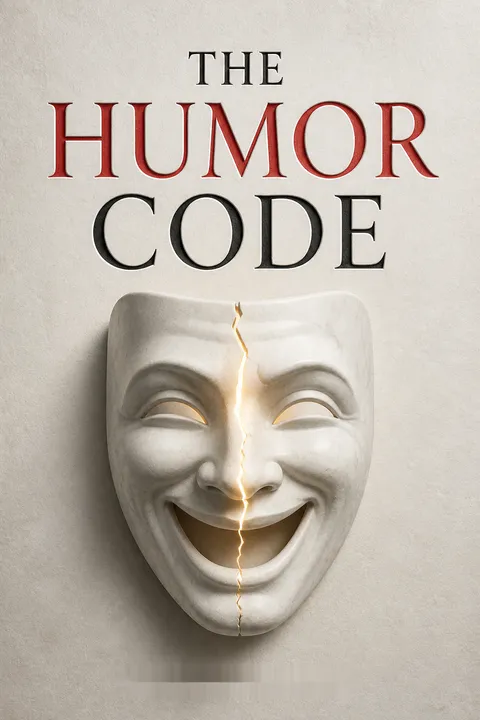

أهم النقاط
1. الفكاهة لغة عالمية بلهجات محلية
الفكاهة كالسعادة؛ عالمية لكنها ذاتية.
جاذبية عالمية وتعبير فريد. على الرغم من أن القدرة على تذوق الفكاهة هي سمة إنسانية عالمية، إلا أن تجلياتها المحددة تختلف اختلافًا كبيرًا باختلاف الثقافات. فما يراه مجتمع ما مضحكًا للغاية، قد يجده مجتمع آخر مربكًا أو حتى مسيئًا. وهذا يسلط الضوء على أهمية السياق الثقافي في فهم الفكاهة وتقديرها.
أمثلة على الاختلافات الثقافية:
- تعتمد الفكاهة اليابانية غالبًا على المعرفة الثقافية المشتركة والإشارات الدقيقة، مما يجعل من الصعب على الغرباء استيعابها.
- تميل الفكاهة الأمريكية إلى أن تكون أكثر مباشرة ووضوحًا، وتعتمد غالبًا على السخرية والتهكم والتقليل من شأن الذات.
- تعتمد الفكاهة العرقية، مثل النكات عن البولنديين في الولايات المتحدة، غالبًا على الصور النمطية التي يراها البعض مسيئة.
مراعاة الفروق الدقيقة. إن فهم هذه الفروق الثقافية الدقيقة أمر بالغ الأهمية للتواصل الفعال وتجنب سوء الفهم. فما ينجح في سياق معين قد لا ينجح في سياق آخر، مما يؤكد الحاجة إلى الحساسية والوعي عند التعامل مع الفكاهة عبر الثقافات المختلفة.
2. نظرية الانتهاك الحميد: إطار عمل للفكاهة
وفقًا لهذه النظرية المعدلة، لا تحدث الفكاهة إلا عندما يبدو الشيء خاطئًا أو مقلقًا أو مهددًا (أي انتهاكًا)، ولكنه يبدو في الوقت نفسه مقبولاً أو عاديًا أو آمنًا (أي حميدًا).
جوهر النظرية. تفترض نظرية الانتهاك الحميد أن الفكاهة تنشأ عندما يُنظر إلى شيء ما على أنه انتهاك (خاطئ أو مهدد أو مقلق) ولكنه يبدو في الوقت نفسه حميدًا (مقبولاً أو آمنًا). هذا التوازن الدقيق بين الانتهاك والأمان هو ما يثير الضحك والبهجة.
أمثلة على الانتهاكات الحميدة:
- النكتة البذيئة تنتهك الأعراف الاجتماعية ولكنها تكون مقبولة في بيئة غير رسمية ومريحة.
- التلاعب بالألفاظ ينتهك القواعد اللغوية ولكنه يظل منطقيًا من الناحية النحوية.
- الدغدغة تنتهك المساحة الشخصية للمرء ولكنها تعد حميدة لأنها تأتي في إطار اللعب والمرح.
إيجاد التوازن. يكمن سر الفكاهة الناجحة في إيجاد المستوى المناسب من الانتهاك والقبول. فالكثير من الانتهاك قد يكون مسيئًا أو مزعجًا، في حين أن القليل منه قد يكون مملًا أو غير مضحك. وتعد "استراتيجية سارة سيلفرمان" (جعل المفاهيم المزعجة تبدو حميدة) و"استراتيجية سينفيلد" (الإشارة إلى مكامن الخلل في التفاعلات اليومية) طريقتين لتحقيق هذا التوازن.
3. الكوميديا تولد من منظور الشخص الغريب
يتشارك الكوميدي وعالم الأنثروبولوجيا في طريقة الرؤية والنظر إلى الأشياء.
ميزة الغريب. غالبًا ما يمتلك الكوميديون قدرة فريدة على الوقوف بمعزل عن المجتمع ومراقبته بعين ناقدة. هذا المنظور الخارجي أو منظور "الشخص الغريب" يتيح لهم تحديد السخافات والتناقضات التي قد يتغاضى عنها الآخرون، مما يوفر أرضًا خصبة للفكاهة.
أمثلة على وضعية الشخص الغريب:
- غالبًا ما ازدهرت الأقليات العرقية والثقافية في أمريكا في مجال الكوميديا بسبب قدرتهم على رؤية العالم من زوايا متعددة.
- غالبًا ما ينحدر الكوميديون من خلفيات صعبة أو مروا بصراعات شخصية، مما يمنحهم عدسة فريدة يرون من خلالها العالم.
تنمية الوعي المزدوج. إن تطوير "الوعي المزدوج"، وهو القدرة على رؤية المرء لنفسه من خلال عيون الآخرين، يمكن أن يكون رصيدًا قيمًا للكوميديين. يتيح لهم ذلك فهم كيفية تلقي الجماهير المختلفة لنكاتهم، وصياغة فكاهة تلامس وجدان شريحة أوسع من الناس.
4. علم صناعة الفكاهة الفوضوي وغير المكتمل
نادرًا ما تُقدم الكوميديا في ظروف مثالية.
الصيغة العصية على التحديد. على الرغم من وجود نظريات وتقنيات لصناعة الفكاهة، إلا أنه لا توجد صيغة مضمونة للنجاح. فالكوميديا شكل فني معقد ولا يمكن التنبؤ به، ويتأثر بمجموعة من العوامل بما في ذلك الجمهور، والسياق، وطريقة الإلقاء.
أهمية التجريب. يجرّب الكوميديون باستمرار مواد جديدة ويصقلون عروضهم بناءً على تفاعل الجمهور وتغذيتهم الراجعة. هذه العملية التكرارية القائمة على التجربة والخطأ ضرورية لتطوير عرض ناجح.
دور الحدس. في حين أن النظريات العلمية يمكن أن تقدم رؤى حول ما يجعل الأشياء مضحكة، فإن الحدس والإبداع يظلان أمرين حاسمين أيضًا. فغالبًا ما يعتمد أفضل الكوميديين على مشاعرهم الداخلية وغرائزهم لتوجيه خياراتهم الكوميدية.
5. الضحك: أكثر من مجرد استجابة للنكات
لا شيء يثير الضحك أكثر من الحقيقة.
الوظيفة الاجتماعية للضحك. لا يقتصر الضحك على كونه استجابة للنكات أو المواقف الطريفة فحسب، بل إنه يؤدي أيضًا وظيفة اجتماعية حيوية؛ إذ يساعد في بناء الروابط، والإشارة إلى الموافقة والاتفاق، وتبديد التوتر.
الضحك في العالم الحقيقي. أظهرت الدراسات أن معظم الضحك في المحادثات اليومية لا تثيره النكات، بل العبارات العادية والإشارات الاجتماعية. وهذا يشير إلى أن الضحك هو في المقام الأول شكل من أشكال التواصل وليس مجرد استجابة عاطفية بحتة.
طبيعة الضحك المعدية. يتميز الضحك بقدرته العالية على العدوى، إذ يكفي سماع صوته بمفرده لتنشيط الخلايا العصبية المرآتية في الدماغ ورسم ابتسامة أو إثارة ضحكة خفيفة. وهذا يسلط الضوء على التأثير الاجتماعي القوي للضحك وقدرته على خلق شعور بالترابط والتجربة المشتركة.
6. الجانب المظلم للفكاهة: العدوان والانقسام
تحت قناع الفكاهة، يسمح مجتمعنا باعتداءات لا حصر لها، من الجميع وضد الجميع.
الفكاهة كسلاح. في حين أن الفكاهة يمكن أن تكون قوة للخير، إلا أنه يمكن استخدامها أيضًا لإلحاق الأذى، وترسيخ الصور النمطية، وخلق الانقسامات. فالنكات المسيئة، والرسوم الكاريكاتورية العنصرية، والتحقير القائم على الجنس يمكن أن تسهم جميعها في خلق مناخ من التعصب والتمييز.
حدود المقبول. غالبًا ما يكون الخط الفاصل بين الفكاهة غير الضارة والعدوان المسيء أمرًا ذاتيًا ويعتمد على الثقافة. فما يراه شخص ما مضحكًا، قد يجده شخص آخر جارحًا للغاية.
قوة السياق. يمكن للسياق الذي تُلقى فيه النكتة أن يؤثر بشكل كبير على طريقة استقبالها. فالنكتة التي قد تكون مناسبة في إطار خاص قد تصبح مسيئة للغاية عند طرحها في محفل عام.
7. العثور على الفكاهة في مواجهة الشدائد: آلية للبقاء
الفكاهة هي مأساة مضافًا إليها عامل الوقت.
الفكاهة كأداة للتكيف. في مواجهة الصعاب والمعاناة، يمكن للفكاهة أن تكون آلية قيمة للتكيف، حيث تساعد الناس على النأي بأنفسهم عن آلامهم، والحفاظ على نظرة متوازنة للأمور، والعثور على لحظات من الفرح وسط الركام والظلام.
أمثلة على الفكاهة في الشدائد:
- استخدم الناجون من الهولوكوست الفكاهة للتكيف مع فظائع معسكرات الاعتقال.
- استخدم المواطنون السوفييت النكات السياسية للتعبير عن استيائهم من النظام الشيوعي.
- يستخدم الفلسطينيون الفكاهة للتغلب على تحديات العيش تحت الاحتلال.
أهمية التوقيت. غالبًا ما تعتمد فعالية الفكاهة كآلية للتكيف على التوقيت المناسب. فقد يكون من المبكر جدًا المزاح بشأن مأساة حديثة، ولكن مع مرور الوقت، يمكن للفكاهة أن تساعد في التئام الجروح واستيعاب التجارب الصعبة.
8. السياق هو الملك: قوة الفهم المشترك
لم يكن الاكتشاف المحوري لرسوم مجلة "نيويوركر" الكاريكاتورية هو التعليق المكتوب من سطر واحد، بل الفكرة الكامنة في تضافر التعليق والرسم معًا لإيصال الفكرة الكوميدية.
أهمية المعرفة المشتركة. تعتمد الفكاهة غالبًا على المعرفة الثقافية المشتركة، والافتراضات، والتلميحات. فالنكات التي تفهمها مجموعة ما بسهولة قد تضيع تمامًا على مجموعة أخرى بسبب غياب السياق المشترك.
الثقافات عالية السياق مقابل منخفضة السياق. تُعد بعض الثقافات، مثل الثقافة اليابانية، عالية السياق، مما يعني أن جزءًا كبيرًا من المعنى يكون ضمنيًا ويعتمد على الفهم المشترك. بينما تُعد ثقافات أخرى، مثل الولايات المتحدة، منخفضة السياق، حيث يكون التواصل فيها أكثر وضوحًا ومباشرة.
تحدي الترجمة. إن ترجمة الفكاهة عبر الثقافات مهمة معقدة تتطلب ما هو أكثر من مجرد الإتقان اللغوي؛ إذ تتطلب فهمًا عميقًا للسياق الثقافي الذي نشأت فيه النكتة.
9. صناعة الكوميديا: من عروض الستاند أب إلى وسائل الإعلام العالمية
قد تكون كوميديا الستاند أب هي الفن الرئيسي الوحيد الذي يرغب أبرز رواده، في أي وقت كان، في القيام بشيء آخر بدلاً منه.
تسليع الكوميديا. تحولت صناعة الكوميديا إلى تجارة ضخمة، حيث يتنافس كوميديو الستاند أب، وكتاب المسلسلات الكوميدية، ومنتجو الأفلام على حصة من هذه السوق. ويمكن أن يؤدي هذا التسليع أحيانًا إلى تمييع الجودة الكوميدية، مع تحول التركيز من التعبير الفني إلى تعظيم الأرباح.
صعود الكوميديا الجماعية. يتم إنتاج العديد من أشكال الكوميديا الموجهة للجمهور العريض، مثل المسلسلات والأفلام، بواسطة فرق من الكتاب والمنتجين. يمكن أن يؤدي هذا النهج التعاوني إلى تقديم فكاهة أكثر صقلًا وسهولة في الوصول للجمهور، ولكنه قد يخنق الإبداع أيضًا وينتج عملًا أكثر نمطية وتجانسًا.
الصراع من أجل الأصالة. في مواجهة الضغوط التجارية، يكافح العديد من الكوميديين للحفاظ على نزاهتهم الفنية والوفاء لأصواتهم الفريدة. ويكمن التحدي في إيجاد توازن بين تقديم فكاهة ناجحة تجاريًا والالتزام بالرؤية الفنية الخاصة.
10. الرحلة إلى الفكاهة: تحول شخصي
القول بأن العلم لا يمكنه مساعدة الكوميديا هو تجاهل لما تعلمه الكوميديون على مر السنين.
قوة التجريب. إن الرحلة نحو فهم الفكاهة ليست مجرد تمرين فكري بل هي تحول شخصي. فمن خلال تجربة تقنيات كوميدية مختلفة، واستكشاف ثقافات جديدة، وتحدي افتراضاتهم الخاصة، اكتسب المؤلفون فهمًا أعمق لأنفسهم وللعالم من حولهم.
أهمية التواصل. كان الدرس الأكثر قيمة المستفاد من هذه الرحلة هو أهمية التواصل الإنساني. فالفكاهة، في أفضل حالاتها، هي وسيلة لمد الجسور عبر الانقسامات، وبناء العلاقات، ومشاركة لحظات الفرح والضحك مع الآخرين.
غموض الفكاهة المستمر. على الرغم من إحراز المؤلفين تقدمًا في فك شفرة الفكاهة، إلا أنهم أدركوا أيضًا الغموض المستمر لهذه الظاهرة المعقدة ومتعددة الأوجه. فالفكاهة شكل فني يتطور باستمرار، وسيظل يتحدانا ويسعدنا لأجيال قادمة.
ملخص المراجعات
يتلقى كتاب "شفرة الفكاهة" تقييمات متباينة تتراوح ما بين نجمة واحدة إلى خمس نجمات. فبينما يشيد بعض القراء باستكشافه الجذاب للكوميديا العالمية ونظرية "الانتهاك الحميد"، مقدرين رحلات المؤلفين ورؤيتهم العميقة للاختلافات الثقافية، يرى آخرون أنه يفتقر إلى التركيز والجاذبية، ويخلو من الفكاهة الفعلية. ويرى النقاد أن الكتاب يفشل في الوفاء بوعده بفك شفرة الفكاهة، في حين يستمتع المؤيدون بمزيجه الفريد بين أدب الرحلات والعلوم الشعبية. وبشكل عام، يتفق القراء على أن فكرة الكتاب مثيرة للاهتمام، لكنهم يختلفون حول طريقة تنفيذها وقيمتها الترفيهية.
الأسئلة الشائعة
1. What is The Humor Code by Peter McGraw about?
- Global search for humor: The book follows Peter McGraw and Joel Warner as they travel the world to investigate what makes things funny, blending scientific research with real-world adventures.
- Scientific and narrative blend: McGraw, a professor and humor researcher, applies psychological theories and experiments, while Warner provides journalistic storytelling and cultural observations.
- Key questions explored: The authors examine why we laugh, how humor works across cultures, and the social and psychological functions of humor.
- Diverse settings and stories: Their journey includes comedy clubs in the U.S., laughter epidemics in Tanzania, and controversial humor in places like Denmark and Japan.
2. Why should I read The Humor Code by Peter McGraw?
- Unique mix of science and storytelling: The book makes complex humor theories accessible and entertaining through engaging travel narratives and real-life experiments.
- Insight into humor’s power: Readers gain a deeper understanding of how humor functions socially, psychologically, and even politically, including its role in coping with adversity and bridging cultural divides.
- Practical takeaways: The book offers actionable advice for being funnier and understanding humor, useful for comedians, marketers, educators, and anyone interested in human behavior.
- Broader perspective: It challenges assumptions about humor, showing both its positive and negative impacts on individuals and societies.
3. What are the key takeaways from The Humor Code by Peter McGraw?
- Benign violation theory: Humor is best explained by the idea that something is funny when it is both a violation and benign at the same time.
- Cultural and contextual complexity: Humor is deeply influenced by culture, context, and audience, making it difficult to create universally funny material.
- Laughter as social glue: Laughter is more about social bonding and communication than just reacting to jokes.
- Practice and authenticity matter: Becoming funny requires experimentation, authenticity, and understanding your audience, not just innate talent.
4. What are the best quotes from The Humor Code by Peter McGraw and what do they mean?
- On dissecting humor: “Humor can be dissected, as a frog can, but the thing dies in the process and the innards are discouraging to any but the pure scientific mind.” —E. B. White, cited in the Authors’ Note, highlighting the challenge of analyzing humor without losing its essence.
- On humor’s complexity: “People say humor is such a complex phenomenon, you can’t possibly have one theory that explains it... It has to be the same for humor.” —Peter McGraw, emphasizing the search for a unifying theory.
- On humor’s role in life: The book repeatedly stresses that humor is a vital part of living, helping people connect, cope, and enjoy life.
5. What is the "benign violation theory" introduced in The Humor Code by Peter McGraw?
- Core concept: The theory posits that humor arises when something is perceived as both a violation (wrong, unsettling) and benign (safe, acceptable) at the same time.
- Improvement over past theories: It explains why some violations are funny while others are not, and why context, timing, and audience matter so much in comedy.
- Scientific validation: McGraw and colleagues tested the theory through experiments, such as stories about Keith Richards or the "fly-down" study, showing that people laugh most when a situation is both wrong and okay.
- Practical application: The theory helps comedians and writers craft jokes by balancing edginess with safety, and explains why humor can sometimes offend or fall flat.
6. How does The Humor Code by Peter McGraw explain what makes a person funny?
- Personality traits: Funny people often share traits like authenticity, skepticism, and a willingness to question norms; many comedians are introverted or disagreeable offstage but use humor to connect.
- Creativity and experimentation: Being funny is less about innate talent and more about generating many ideas, experimenting, and learning from feedback.
- Importance of delivery: Humor relies on intangibles like timing, confidence, and the ability to read the room, which can be developed through practice.
- Collaboration and playfulness: Working with others and maintaining a playful attitude increases the chances of creating successful humor.
7. How do comedians develop their humor according to The Humor Code by Peter McGraw?
- No single formula: Comedians like Louis C.K. stress that humor is complex and context-dependent, developed through trial, error, and constant stage experimentation.
- Training and practice: Comedy schools and classes teach joke-writing, timing, and audience interaction, but real success comes from extensive stage time and learning from failure.
- Balancing wit and warmth: Successful comedians often combine sharp wit with likability, making them both funny and relatable to audiences.
- Continuous refinement: Comedians constantly test and refine material, adapting to different audiences and cultural contexts.
8. How does The Humor Code by Peter McGraw address cultural differences in humor?
- Cultural specificity: Humor varies widely across cultures, with different comedic traditions, taboos, and social norms shaping what is considered funny.
- Examples from around the world: The book explores Japanese comedy forms like rakugo and manzai, and Scandinavian dark humor, highlighting challenges in translation and cultural understanding.
- Universal elements and limits: While some motifs, like the trickster, appear globally, many jokes are culture-specific and may not translate well.
- Context is crucial: Shared knowledge and context are essential for humor to succeed, explaining why jokes often fail across cultures.
9. What does The Humor Code by Peter McGraw reveal about the social and evolutionary functions of laughter?
- Laughter as social signal: Laughter primarily serves as a social cue, indicating safety, bonding, and shared understanding, rather than just a response to humor.
- Contagious and affiliative: Laughter is highly contagious and helps build social connections, often occurring in conversation rather than in response to jokes.
- Evolutionary roots: The book discusses how laughter evolved from primate play signals to promote social cohesion and learning.
- Types of laughter: It distinguishes between genuine (Duchenne) laughter and non-genuine laughter used for social manipulation.
10. How does The Humor Code by Peter McGraw explore the dark side of humor?
- Aggression and superiority: Humor can involve aggression, superiority, or cruelty, such as in racist or sexist jokes, reinforcing social hierarchies or causing harm.
- Historical and modern examples: The book discusses philosophers’ and religious leaders’ fears of laughter’s power, and modern controversies like the Danish Mohammad cartoons.
- Potential for conflict: Humor can provoke international incidents and social unrest, showing that it is not always harmless.
- Balancing act: The benign violation theory helps explain why some edgy humor is funny while other attempts are simply offensive.
11. What does The Humor Code by Peter McGraw say about humor’s role in coping, healing, and relationships?
- Coping with adversity: Humor helps people endure hardship, as seen in POWs, Holocaust survivors, and those living in conflict zones.
- Therapeutic uses: Practices like hospital clowns and laughter yoga improve emotional well-being, even if laughter doesn’t cure diseases.
- Limits of humor: The effectiveness of humor in coping depends on timing, context, and the severity of suffering.
- Humor in relationships: Humor is valued in mate selection, strengthens bonds, but can also create challenges if it attracts outside attention.
12. What practical advice and lessons does The Humor Code by Peter McGraw offer for being funnier and using humor effectively?
- Generate many ideas: Since most attempts at humor fail, creating a large pool of ideas increases the chance of success; collaboration helps.
- Balance edge and safety: Use the benign violation theory to find the sweet spot between being edgy and being acceptable, always considering your audience.
- Be authentic and playful: Humor works best when it’s honest and the humorist enjoys the process, inviting others to join in.
- Use humor for connection: Seek out people and experiences that make you laugh, and use humor to build social bonds and navigate life’s challenges.
تحميل PDF
تحميل EPUB
.epub digital book format is ideal for reading ebooks on phones, tablets, and e-readers.








































