
أهم النقاط
1. النرجسيون الخفيون أساتذة في التلاعب الماكر والإيذاء العاطفي
"النرجسية الخفية هي أسوأ أشكال النرجسية وأكثرها خبثًا لأن الإيذاء فيها يكون مستترًا للغاية."
القناع الماكر. يبدو النرجسيون الخفيون في الظاهر ساحرين ومتواضعين ومتعاطفين، ويحظون بقبول واسع من الآخرين، وغالبًا ما يشغلون مناصب مرموقة في المجتمع. هذا القناع يجعل من الصعب على الضحايا والمحيطين بهم التعرف على سلوكهم المؤذي.
التلاعب العاطفي. على عكس النرجسيين الظاهرين، يستخدم النرجسيون الخفيون أساليب خفية للسيطرة على ضحاياهم والتلاعب بهم. فهم يعتمدون على السلوك السلبي العدواني، والمعاملة الصامتة، والتعزيز المتقطع لإبقاء ضحاياهم في حالة من عدم الاستقرار والتبعية لهم.
الأثر بعيد المدى. يمكن أن تؤدي الطبيعة المستترة للإيذاء النرجسي الخفي إلى:
- تشوش الضحايا وشكهم في أنفسهم.
- صعوبة التعرف على الإيذاء وتسميته بمسمياته.
- أضرار عاطفية ونفسية طويلة الأمد.
- تحديات في طلب المساعدة أو الدعم بسبب غياب العلامات المرئية للإساءة.
2. قصف الحب، وتقليل القيمة، والتخلص من الضحية هي المراحل الثلاث للعلاقة مع النرجسي الخفي
"مرحلة قصف الحب قوية للغاية، وهي تهيئك لبذل قصارى جهدك فقط من أجل الحصول على فتات متقطع من الحب."
قصف الحب. في المرحلة الأولى، يغمر النرجسي الخفي ضحيته بالاهتمام والمودة والاهتمام الذي يبدو صادقًا. يبني هذا السلوك رابطًا عاطفيًا قويًا ويضع الأساس للتلاعب المستقبلي.
تقليل القيمة. بمجرد أن تقع الضحية في الشرك العاطفي، يبدأ النرجسي الخفي في انتقاد شريكه والتقليل من شأنه وتقويض تقديره لذاته بأساليب خفية. وتتميز هذه المرحلة بـ:
- رسائل متناقضة وسلوكيات غير متسقة.
- التآكل التدريجي لقيمة الضحية الذاتية.
- تزايد مشاعر الحيرة والقلق لدى الضحية.
التخلص من الضحية. تتضمن المرحلة الأخيرة إنهاء النرجسي الخفي للعلاقة فجأة أو سحب الدعم العاطفي تمامًا. وغالبًا ما يترك هذا الضحية تشعر بـ:
- الصدمة والدمار النفسي.
- الحيرة الشديدة بشأن ما حدث وأين الخطأ.
- الرغبة اليائسة في استعادة رضا النرجسي وعطفه.
3. غالبًا ما يكون ضحايا النرجسيين الخفيين أشخاصًا متعاطفين وطيبين وذوي قدرة عالية على مراجعة الذات
"أنت ذكي. أنا متأكد من أن الشخص النرجسي في حياتك قد أرسل لك رسالة معاكسة تمامًا عن نفسك، لكن الحقيقة هي أن بعضًا من أذكى الأشخاص الذين قابلتهم هم أولئك الذين وقعوا في علاقات مع نرجسيين خفيين."
السمات المرغوبة. يبحث النرجسيون الخفيون عن ضحايا يمتلكون صفات محددة:
- تعاطف عالٍ ورحمة بالآخرين.
- شعور قوي بالمسؤولية.
- ميل لمراجعة الذات والشك في النفس.
- رغبة في مساعدة الآخرين ورعايتهم.
استغلال نقاط القوة. تُستخدم هذه الصفات الإيجابية ضد الضحية، مما يجعلها أكثر عرضة للتلاعب والإيذاء. يستغل النرجسي الخفي تعاطف شريكه وشكه في نفسه للحفاظ على السيطرة والتهرب من المسؤولية.
التنافر المعرفي. غالبًا ما يجد الضحايا صعوبة في التوفيق بين تجربتهم مع الإيذاء واعتقادهم بأن النرجسي يمتلك صفات "طيبة". هذا الصراع الداخلي قد يؤدي إلى البقاء لفترات طويلة في العلاقات المؤذية وصعوبة إدراك الطبيعة الحقيقية للإساءة.
4. يمكن للآباء النرجسيين الخفيين إلحاق أضرار عاطفية طويلة الأمد بأطفالهم
"معظم أطفال الآباء النرجسيين الخفيين لا يدركون أن أحد والديهم نرجسي خفي إلا بعد وصولهم إلى الثلاثينيات من عمرهم."
الإساءة المستترة. غالبًا ما يظهر الآباء النرجسيون الخفيون بمظهر المحب والمهتم أمام الآخرين، مما يجعل من الصعب على الأطفال إدراك تجاربهم الخاصة مع الإهمال العاطفي أو الإساءة والاعتراف بها.
الآثار طويلة المدى. قد يعاني أطفال الآباء النرجسيين الخفيين من:
- الشك المزمن في النفس وانخفاض تقدير الذات.
- صعوبة في تكوين علاقات صحية.
- مشاعر مستمرة بالذنب أو عدم الكفاءة.
- صعوبات في وضع الحدود والتعبير عن أنفسهم.
الإدراك المتأخر. يبدأ العديد من الأبناء البالغين للنرجسيين الخفيين في فهم تجاربهم فقط في الثلاثينيات من عمرهم أو بعد ذلك، مما يؤدي إلى عملية معقدة لإعادة تقييم طفولتهم وديناميكيات الأسرة.
5. يُستخدم التلاعب بالعقول (الغازلايتنغ) وأساليب التلاعب الأخرى للسيطرة على الضحايا وإرباكهم
"التلاعب بالعقول هو شكل من أشكال التلاعب الذي يحاول زرع بذور الشك في نفس الضحية. ويُستخدم لجعلك تشكك في ذاكرتك، وإدراكك، وحتى في سلامتك العقلية."
تقويض الواقع. يُعد التلاعب بالعقول أداة قوية يستخدمها النرجسيون الخفيون لزعزعة استقرار ضحاياهم والحفاظ على السيطرة. ويتضمن ذلك:
- إنكار الأحداث أو تشويهها.
- تكذيب ذكريات الضحية أو تصوراتها.
- إلقاء اللوم على الضحية.
أساليب تلاعب أخرى. يستعين النرجسيون الخفيون باستراتيجيات متنوعة للسيطرة على ضحاياهم:
- التثليث: استخدام أطراف ثالثة لخلق نزاع أو غيرة.
- التعزيز المتقطع: التأرجح بين المودة والانسحاب.
- المعاملة الصامتة: قطع التواصل كنوع من العقاب.
- الإسقاط: نسب صفاتهم أو سلوكياتهم السلبية إلى الضحية.
الأثر على الضحايا. يمكن أن تؤدي هذه الأساليب إلى:
- الشك المزمن في النفس والحيرة الدائمة.
- صعوبة في الثقة بتقدير المرء للأمور.
- زيادة الاعتماد على النرجسي للحصول على التأكيد وفهم "الواقع".
6. غالبًا ما تكون العلاقة الحميمة مع النرجسي الخفي أداة للسيطرة والتلاعب
"عندما تقيم علاقة حميمة مع نرجسي خفي، فإن متعته هي الشيء الأكثر أهمية؛ فكل ما يهمه هو كيف يشعر هو فقط."
تجربة أحادية الجانب. تتميز العلاقات الحميمة مع النرجسيين الخفيين بـ:
- التركيز الكامل على متعة النرجسي واحتياجاته.
- غياب التواصل العاطفي أو الألفة الحقيقية.
- استخدام العلاقة الحميمة كوسيلة للسيطرة أو العقاب.
الأثر النفسي. غالبًا ما يمر الضحايا بـ:
- الشعور بالاستغلال أو بالتحول إلى مجرد أداة.
- الحيرة بشأن رغباتهم واحتياجاتهم الخاصة.
- الشعور بالخزي ولوم الذات على أي "تقصير" مفترض.
الآثار بعيدة المدى. يمكن أن يؤدي التلاعب في الجانب الحميم من قِبل النرجسي الخفي إلى:
- صعوبة في بناء علاقات حميمة صحية في المستقبل.
- نظرة مشوهة للألفة وقيمة الذات.
- استجابات صدمة مرتبطة بالتجارب الحميمة.
7. طلاق النرجسي الخفي عملية شاقة ومستنزفة عاطفيًا
"الطلاق الودي ليس ممكنًا ولا يحدث أبدًا عندما تتعامل مع نرجسي خفي."
صراع ممتد. غالبًا ما يقوم النرجسيون الخفيون بـ:
- المماطلة في الإجراءات القانونية وإطالة أمدها.
- استخدام الأطفال كأوراق ضغط في معارك الحضانة.
- ممارسة التلاعب المالي أو إخفاء الأصول والممتلكات.
العبء العاطفي. يمكن أن تكون عملية الطلاق صدمة مريرة بسبب:
- استمرار التلاعب والغازلايتنغ.
- حملات تشويه السمعة الموجهة ضد الضحية.
- التحولات المفاجئة بين اللطف والعدوانية.
تحديات التعافي. قد يواجه الضحايا صعوبة في:
- إعادة بناء هويتهم بعد سنوات من الإساءة.
- التعامل مع المضايقات أو التلاعب المستمر.
- التغلب على الأزمات المالية التي سببتها تصرفات النرجسي.
8. غالبًا ما تظهر الأعراض الجسدية نتيجة للعيش مع نرجسي خفي
"أجسادنا ذكية للغاية وتتحدث إلينا طوال الوقت. فالجسد يعرف قبل أن يدرك العقل."
الأمراض المرتبطة بالتوتر. تشمل الأعراض الجسدية الشائعة:
- التعب المزمن واضطرابات النوم.
- مشاكل الجهاز الهضمي والآلام غير المبررة.
- ضعف جهاز المناعة والتعرض المتكرر للأمراض.
الاستجابات النفسية الجسدية. غالبًا ما يعبر الجسد عما لا يستطيع العقل استيعابه:
- القلق الذي يظهر في شكل توتر عضلي أو رعشة.
- الاكتئاب الذي يؤدي إلى تغيرات في الشهية أو مستويات الطاقة.
- أعراض اضطراب ما بعد الصدمة مثل اليقظة المفرطة أو الفزع السريع.
أهمية الإدراك. إن فهم العلاقة بين الإيذاء العاطفي والأعراض الجسدية يمكن أن:
- يثبت صحة تجارب الضحية ويؤكدها.
- يوجه نحو أساليب العلاج والتشافي المناسبة.
- يكون بمثابة جرس إنذار لواقع الوضع المؤذي.
9. التعافي من الإيذاء النرجسي الخفي ممكن من خلال التوعية والدعم والرعاية الذاتية
"التعافي ممكن تمامًا. إن قلبك وجسدك يستحقان ذلك."
التوعية. إن فهم النرجسية الخفية وديناميكيات الإساءة أمر بالغ الأهمية لـ:
- التعرف على الإساءة وتسميتها.
- إدراك أن الإساءة لم تكن خطأ الضحية بأي حال.
- تطوير استراتيجيات لحماية النفس من التلاعب المستقبلي.
الدعم. يعد طلب المساعدة من الآخرين أمرًا أساسيًا للتعافي:
- العلاج النفسي مع مختص متمرس في التعامل مع الصدمات.
- الانضمام لمجموعات دعم الناجين من الإيذاء النرجسي.
- اللجوء إلى الأصدقاء والعائلة الموثوقين الذين يتفهمون تجربة الضحية ويدعمونها.
ممارسات الرعاية الذاتية. يتطلب التشافي رعاية النفس من خلال:
- وضع حدود صحية وقوية.
- إعادة الاتصال بالاهتمامات والقيم الشخصية.
- تطوير التعاطف مع الذات والحديث الإيجابي مع النفس.
- الانخراط في الأنشطة التي تعزز الصحة البدنية والعاطفية.
Characters
Plot Devices
Analysis
ملخص المراجعات
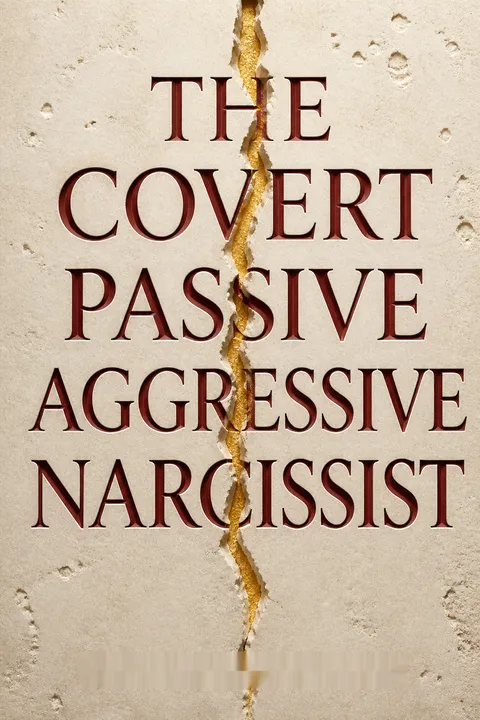
تلقى كتاب The Covert Passive Aggressive Narcissist مراجعات متباينة. فقد وجد العديد من القراء فيه كتابًا ملهمًا ومفيدًا في التعرف على سلوكيات النرجسية الخفية، مشيدين بوضوحه وأسلوبه المتعاطف. كما أبدى البعض تقديرهم للتجارب الشخصية التي شاركتها المؤلفة، وشعروا بالدعم والمساندة من خلال محتوى الكتاب. ومع ذلك، أشار النقاد إلى افتقار الكتاب إلى الدقة الأكاديمية، وتكرار الكتابة، والأسلوب العاطفي المفرط. كما وجد بعض القراء أن التأكيدات المستمرة والافتراضات المسبقة بأن القارئ يعيش دور الضحية كانت منفرة. ورغم هذه الانتقادات، لا يزال الكثيرون يوصون بالكتاب كمرجع مفيد لكل من يتعامل مع الشخصيات النرجسية الخفية.
قرأ الآخرون أيضًا



الأسئلة الشائعة
What's "The Covert Passive Aggressive Narcissist" about?
- Understanding Covert Narcissism: The book by Debbie Mirza explores the traits and behaviors of covert passive-aggressive narcissists, who are often difficult to identify due to their subtle and hidden nature.
- Phases of Abuse: It outlines the three phases of a relationship with a covert narcissist: love bombing, devaluing, and discarding, providing insights into how these stages manifest.
- Impact on Victims: The book delves into the psychological and emotional impact on victims, helping them recognize the signs of covert narcissistic abuse.
- Path to Healing: It offers guidance on healing and recovery, emphasizing the importance of self-care and understanding the abuse to regain one's sense of self.
Why should I read "The Covert Passive Aggressive Narcissist"?
- Awareness and Recognition: The book helps readers identify covert narcissistic behaviors that are often overlooked, providing clarity and understanding.
- Validation for Survivors: It offers validation for those who have experienced covert narcissistic abuse, helping them realize they are not alone.
- Practical Guidance: Debbie Mirza provides practical advice and exercises for healing and rebuilding one's life after abuse.
- Empowerment: The book empowers readers to trust themselves and set boundaries, fostering personal growth and resilience.
What are the key takeaways of "The Covert Passive Aggressive Narcissist"?
- Covert Traits: Covert narcissists are manipulative, lack empathy, and often appear charming and humble, making them difficult to identify.
- Emotional Manipulation: They use tactics like gaslighting, triangulation, and intermittent reinforcement to control and confuse their victims.
- Healing Process: Recovery involves recognizing the abuse, understanding its impact, and engaging in self-care and supportive relationships.
- Trusting Intuition: The book emphasizes the importance of trusting one's instincts and setting boundaries to protect oneself from future abuse.
How does Debbie Mirza define a covert passive-aggressive narcissist?
- Hidden Nature: A covert passive-aggressive narcissist hides their narcissistic traits behind a facade of humility and kindness.
- Manipulative Tactics: They use subtle manipulation and control tactics, such as gaslighting and triangulation, to maintain power over their victims.
- Lack of Empathy: Despite appearing empathetic, they lack genuine concern for others and are primarily self-focused.
- Emotional Abuse: Their behavior leads to emotional and psychological abuse, leaving victims feeling confused and devalued.
What are the three phases of a relationship with a covert narcissist according to the book?
- Love Bombing: Initially, the narcissist showers the victim with attention and affection, creating a strong emotional bond.
- Devaluing: Over time, the narcissist subtly undermines the victim's self-worth through criticism and manipulation.
- Discarding: Eventually, the narcissist abruptly ends the relationship, often leaving the victim feeling blindsided and devastated.
- Cycle of Abuse: These phases can repeat multiple times, keeping the victim trapped in a cycle of emotional turmoil.
What are some common traits of targets of covert narcissists?
- Empathetic and Caring: Targets are often empathetic, nurturing, and self-reflective individuals who are easily manipulated by narcissists.
- Trusting Nature: They tend to trust others and may overlook red flags due to their optimistic view of people.
- Self-Doubt: Over time, they may develop self-doubt and question their own perceptions and worth.
- Strong and Resilient: Despite the abuse, targets are often strong and resilient, capable of healing and rebuilding their lives.
How does "The Covert Passive Aggressive Narcissist" suggest healing from narcissistic abuse?
- Recognizing Abuse: The first step is acknowledging the abuse and understanding its impact on one's life and self-esteem.
- Self-Care Practices: Engaging in self-care activities, such as therapy, meditation, and physical exercise, is crucial for healing.
- Building Support Networks: Surrounding oneself with supportive friends, family, and support groups can provide validation and encouragement.
- Reclaiming Identity: The book encourages readers to rediscover their true selves and set boundaries to protect against future abuse.
What are some control and manipulation tactics used by covert narcissists?
- Gaslighting: They make the victim question their reality and memory, leading to confusion and self-doubt.
- Triangulation: Involving a third party to create conflict and maintain control over the victim.
- Intermittent Reinforcement: Providing inconsistent affection and attention to keep the victim emotionally dependent.
- Deflection and Blame: Shifting responsibility onto the victim to avoid accountability for their actions.
What role does cognitive dissonance play in relationships with covert narcissists?
- Conflicting Beliefs: Victims experience cognitive dissonance when they hold conflicting beliefs about the narcissist's behavior and their perceived kindness.
- Emotional Turmoil: This psychological conflict leads to confusion, anxiety, and difficulty trusting one's own perceptions.
- Manipulation Tool: Narcissists exploit cognitive dissonance to maintain control, as victims struggle to reconcile the narcissist's actions with their words.
- Healing Process: Overcoming cognitive dissonance is a key part of healing, requiring education and support to see the truth clearly.
What are some common illnesses experienced by survivors of covert narcissistic abuse?
- Chronic Stress: Prolonged exposure to emotional abuse can lead to stress-related illnesses, such as anxiety and depression.
- Physical Symptoms: Survivors may experience physical symptoms like chronic fatigue, fibromyalgia, and digestive issues.
- Psychosomatic Illnesses: The body often manifests emotional trauma through physical ailments, signaling the need for healing.
- Importance of Self-Care: Addressing these illnesses involves both medical treatment and emotional healing practices.
What are the most dangerous traits of a covert narcissist according to Debbie Mirza?
- Lack of Empathy: Their inability to empathize with others makes them capable of causing significant emotional harm.
- Manipulative Behavior: They use subtle manipulation tactics to control and confuse their victims, often going undetected.
- Emotional Disconnection: Their emotional disconnection prevents genuine relationships, leaving victims feeling isolated and devalued.
- Facade of Kindness: Their ability to maintain a facade of kindness and humility makes them particularly dangerous and difficult to identify.
What are the best quotes from "The Covert Passive Aggressive Narcissist" and what do they mean?
- "You have experienced the illusion of love, not the real thing." This quote highlights the deceptive nature of covert narcissists, who create a false sense of love and connection.
- "Your body knew before your conscious mind became aware." It emphasizes the importance of trusting one's instincts and bodily reactions to detect abuse.
- "You are not a mess. You are a feeling person in a messy world." This quote reassures survivors that their emotional responses are valid and a natural reaction to abuse.
- "You have a chance now. No one is controlling you anymore." It encourages survivors to embrace their newfound freedom and take control of their healing journey.
تحميل PDF
تحميل EPUB
.epub digital book format is ideal for reading ebooks on phones, tablets, and e-readers.








































