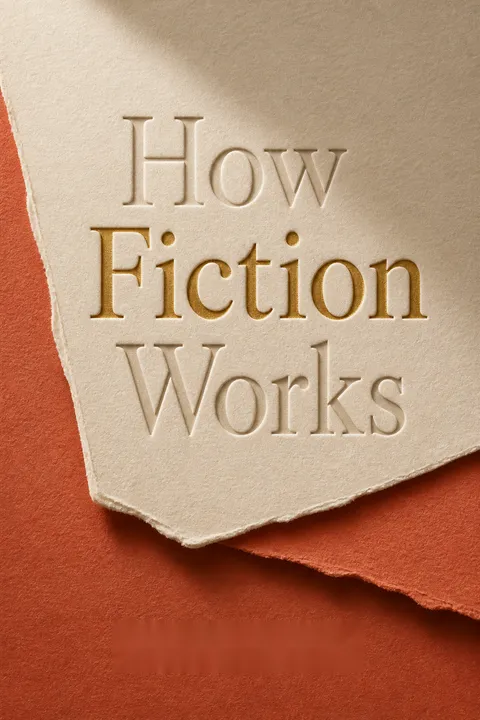

أهم النقاط
1. الأسلوب غير المباشر الحر: التقنية السردية الثورية
"الأسلوب غير المباشر الحر يساعدنا على التعايش مع ثلاث وجهات نظر مختلفة في آن واحد."
ثورة في السرد. يمثل الأسلوب غير المباشر الحر تقنية سردية مبتكرة تمزج بين صوت المؤلف وأفكار الشخصية الداخلية. تتيح هذه الطريقة سردًا أكثر تعقيدًا وعمقًا، يكسر الحواجز التقليدية بين الراوي والشخصية.
السمات الأساسية للأسلوب غير المباشر الحر:
- يطمس الخط الفاصل بين السرد المؤلفي ومنظور الشخصية
- يسمح بتعدد طبقات التفسير
- يخلق تجربة قراءة أكثر حميمية
- يمكن من استخدام السخرية الدقيقة والعمق النفسي
الأهمية التاريخية. نشأت هذه التقنية لتوفير رؤية نفسية أعمق، تتيح للقارئ أن يعيش أفكار الشخصية مع الحفاظ على مسافة نقدية. استخدمها كتاب مثل جين أوستن، هنري جيمس، وفيرجينيا وولف ببراعة لاستكشاف الحياة الداخلية المعقدة.
2. التفاصيل في الرواية: فن الملاحظة الهادفة
"الأدب يختلف عن الحياة في أن الحياة مليئة بالتفاصيل بشكل غامض ونادرًا ما توجهنا نحوها، بينما يعلمنا الأدب كيف نلاحظ."
الإدراك الهادف. التفاصيل الأدبية ليست وصفًا شاملاً، بل اختيار وتسليط الضوء على لحظات تكشف حقائق أعمق عن الشخصيات والظروف والتجربة الإنسانية. أقوى التفاصيل هي التي تبدو محددة وعامة في آن واحد.
استراتيجيات التفاصيل الهادفة:
- اختيار تفاصيل تضيء نفسية الشخصية
- استخدام التحديد لخلق صدى عالمي
- تجنب الإفراط في الشرح
- انتقاء تفاصيل تفاجئ أو تتحدى التوقعات
الأهمية الميتافيزيقية. التفاصيل المختارة بعناية تحول اللحظات العادية إلى كشف عميق، موضحة كيف يحول الأدب التجربة اليومية إلى سرد ذي معنى.
3. خلق الشخصية: ما وراء الصور النمطية المسطحة والمستديرة
"لا وجود لما يسمى 'شخصية روائية'، بل هناك آلاف الأنواع المختلفة من الناس، بعضهم مستدير، وبعضهم مسطح، وبعضهم عميق، وبعضهم كاريكاتوري."
توصيف معقد للشخصية. لا ينبغي حصر الشخصيات في فئات بسيطة، بل يجب فهمها ككائنات متعددة الأبعاد ومعقدة. أكثر الشخصيات جاذبية هي التي تتحدى المفاهيم التقليدية للعمق والتطور.
مبادئ خلق الشخصية:
- تقبل التناقضات الكامنة في الشخصيات
- التركيز على التعقيد النفسي
- الاعتراف بأن التناقض قد يكون أكثر واقعية من الاتساق
- السماح للشخصيات بمفاجأة القراء والمؤلفين على حد سواء
الاستكشاف السردي. تعمل الشخصيات كوسائل لاستكشاف تعقيد الإنسان، متحدية تصورات القارئ حول الهوية والدوافع والتحول الشخصي.
4. الاستعارة واللغة: قوة التعبير الأدبي
"الاستعارة تشبه الرواية، لأنها تطرح واقعًا منافسًا."
الخيال اللغوي. ليست الاستعارات مجرد أدوات زخرفية، بل هي أدوات أساسية للتعبير الأدبي تخلق طرقًا جديدة للإدراك والفهم. توسع آفاقنا المعرفية والعاطفية.
استراتيجيات الاستعارة:
- خلق روابط غير متوقعة
- تحدي الإدراك التقليدي
- استخدام مقارنات غير بديهية
- كشف الجوانب الخفية للتجربة
التوسع المعرفي. الاستعارات القوية لا تكتفي بالوصف، بل تعيد هيكلة فهمنا، مقدمة رؤى جديدة لتجارب مألوفة.
5. الواقعية مقابل الصدق: توسيع إمكانيات السرد
"الواقعية من هذا النوع — الحياة — هي الأصل. تعلم الجميع؛ وتؤدب المتغيبين عنها."
ما وراء الواقعية التقليدية. الواقعية الأدبية الحقيقية ليست تصويرًا فوتوغرافيًا، بل التقاط جوهر التجربة الإنسانية. تتجاوز حدود الأنواع الأدبية وتخلق فهمًا أعمق للواقع.
مبادئ الصدق الأدبي:
- إعطاء الأولوية للأصالة العاطفية والنفسية
- تحدي البنى السردية التقليدية
- احتضان التعقيد والغموض
- التركيز على كشف الحقائق الأعمق
الحرية الفنية. من خلال تجاوز القيود الواقعية الصارمة، يمكن للكتاب استكشاف تمثيلات أكثر اتساعًا ودقة للتجربة الإنسانية.
6. تطور الوعي في السرد القصصي
"أظهرت الرواية تقدمًا تقنيًا مذهلاً في قدرتها على تقديم الحبكة، وجعلنا ننتبه إلى الدوافع النفسية."
علم نفس السرد. تطور السرد تدريجيًا ليشمل طرقًا أكثر تعقيدًا لاستكشاف الوعي الإنساني، من الأفعال الخارجية إلى المشاهد النفسية المعقدة.
مراحل التطور:
- من الوصف الخارجي إلى الاستكشاف الداخلي
- زيادة تعقيد دوافع الشخصية
- كسر القيود السردية التقليدية
- استكشاف العمليات النفسية اللاواعية
العمق الفلسفي. أصبحت الروايات تحقيقات عميقة في الوعي الإنساني، كاشفة عن الآليات المعقدة للفكر والعاطفة والإدراك.
7. الحوار: فن التواصل غير المعلن
"تبادلوا الكلمات. وبعد دقائق قليلة ظهر السيد بيسواس والبائع مجددًا."
الدقة اللغوية. يتجاوز الحوار الفعال مجرد المحادثة، ليكشف عن الشخصية والتوتر والديناميات غير المعلنة من خلال ما يُقال وما يُترك دون قول.
تقنيات الحوار:
- استخدام المعاني الضمنية والمبطنة
- خلق إيقاع وصوت فردي
- الكشف عن الشخصية من خلال أنماط الكلام
- استكشاف ديناميات القوة والفروق الاجتماعية
تعقيد التواصل. يعمل الحوار كأداة متطورة لاستكشاف العلاقات الإنسانية، والهياكل الاجتماعية، والحالات النفسية.
8. الشكل والحبكة: فهم بنية السرد
"الحبكة هي ما يحدث؛ الشكل هو ما حدث."
هندسة السرد. تمثل العلاقة بين الحبكة والشكل جانبًا أساسيًا من السرد، تكشف كيف يشكل البناء السردي المعنى والفهم.
مبادئ البنية:
- التمييز بين التجربة الفورية والفهم التأملي
- استكشاف كيف يخلق الشكل المعنى
- فهم السرد كتركيب فلسفي وجمالي
- تقدير الأبعاد الميتافيزيقية للسرد
التأمل الوجودي. يسمح الشكل السردي للقارئ بفهم تعقيد الحياة من خلال توفير منظور وبنية للتجربة الإنسانية.
9. التعاطف والتعقيد في توصيف الشخصيات الأدبية
"الفن هو أقرب شيء إلى الحياة؛ هو وسيلة لتكبير التجربة وتوسيع اتصالنا مع الآخرين خارج حدود مصيرنا الشخصي."
الخيال التعاطفي. الأدب أداة قوية لتوسيع التعاطف الإنساني، من خلال السماح للقراء بالتعايش مع وجهات نظر وتجارب متنوعة.
استراتيجيات التعاطف:
- خلق شخصيات تتحدى افتراضات القراء
- استكشاف التعقيد الأخلاقي
- الكشف عن التجارب الإنسانية العالمية
- تشجيع الفهم الدقيق والمتعدد الأبعاد
التوسع الأخلاقي. يصبح توصيف الشخصيات وسيلة لتطوير فهم أعمق وتعاطف إنساني أوسع.
10. التقليد والابتكار في كتابة الرواية
"التقليد نفسه، مثل الاستعارة نفسها، ليس ميتًا؛ لكنه دائمًا في حالة موت."
الديناميكية الفنية. الكتابة العظيمة تفاوض باستمرار بين التقاليد الراسخة والنهج المبتكرة، مبدعة علاقة ديناميكية مع التراث الأدبي.
مبادئ الإبداع:
- الاعتراف بقيمة التقاليد الأدبية القائمة
- تحدي وتحويل الأشكال الراسخة
- احتضان التطور الفني المستمر
- الحفاظ على توازن بين التقليد والابتكار
إعادة التصور المستمرة. ينبثق الأدب الأكثر جاذبية من توتر بين احترام التقليد واستكشاف إمكانيات سردية جديدة بلا خوف.
ملخص المراجعات
حظي كتاب "كيف يعمل الأدب القصصي" بمراجعات إيجابية في معظمها، وذلك بفضل تحليله الثاقب لتقنيات الكتابة الأدبية وشغف وود الواضح بالأدب. يُقدّر القراء أسلوبه السلس في تقديم الشروحات، فضلاً عن الأمثلة الغزيرة التي يستقيها من أعمال أدبية كلاسيكية ومعاصرة على حدٍّ سواء. غير أن بعض النقاد يرون أن تركيز وود على الواقعية يُضيّق نطاق طرحه، وأن حججه تنحو أحياناً نحو التكلّف. يُشاد بالكتاب لما يقدمه من منظور جديد حول عناصر السرد الأدبي، ولقدرته على تعميق تذوّق القراء للأدب القصصي وتعزيز تقديرهم له. ومع ذلك، يُشير بعض المراجعين إلى أن محتوى الكتاب قد يمثّل تحدياً للقارئ العادي، وأنه قد يكون أكثر ملاءمةً لأولئك الذين يمتلكون خلفية أدبية متينة.
قرأ الآخرون أيضًا
الأسئلة الشائعة
What's "How Fiction Works" about?
- Exploration of Fiction: "How Fiction Works" by James Wood is an exploration of the mechanics of fiction, examining how novels and stories are constructed and what makes them effective.
- Focus on Realism: The book delves into the concept of realism in literature, discussing how authors create believable worlds and characters.
- Narrative Techniques: Wood analyzes various narrative techniques, such as free indirect style, and how they contribute to the depth and complexity of fiction.
- Literary Criticism: It serves as both a guide for readers and a critique of literary conventions, offering insights into the art of storytelling.
Why should I read "How Fiction Works"?
- Enhance Reading Skills: The book provides tools to better understand and appreciate the intricacies of fiction, enhancing your reading experience.
- Insight into Writing: Aspiring writers can gain valuable insights into the craft of writing, learning how to effectively use narrative techniques.
- Appreciation of Literature: It deepens appreciation for classic and contemporary literature by revealing the underlying structures and techniques.
- Engaging Analysis: Wood's engaging and accessible analysis makes complex literary concepts understandable and enjoyable.
What are the key takeaways of "How Fiction Works"?
- Realism and Truth: Wood emphasizes the importance of realism and truthfulness in fiction, arguing that good literature reflects the complexities of real life.
- Narrative Techniques: The book highlights the significance of narrative techniques like free indirect style in creating depth and character complexity.
- Character Development: Wood discusses how characters are constructed and the balance between flat and round characters in storytelling.
- Role of Detail: The use of detail in fiction is crucial for creating vivid and believable worlds, as well as for conveying deeper meanings.
How does James Wood define realism in "How Fiction Works"?
- Truthfulness to Life: Realism is defined as truthfulness to the way things are, capturing the essence of life on the page.
- Beyond Verisimilitude: Wood argues that realism is not just about lifelikeness but about achieving "lifeness," a deeper connection to reality.
- Artistic Selection: Realism involves selecting and shaping details to highlight significant aspects of reality, rather than mere photographic fidelity.
- Dynamic and Evolving: The concept of realism is dynamic, evolving with literary movements and the changing perceptions of reality.
What is free indirect style, according to "How Fiction Works"?
- Narrative Technique: Free indirect style is a narrative technique that blends the voice of the narrator with the thoughts and speech of a character.
- Character Perspective: It allows readers to see the world through a character's eyes while maintaining the author's narrative presence.
- Irony and Complexity: This style creates a layer of irony and complexity, as it can convey both the character's and the author's perspectives simultaneously.
- Subtlety in Storytelling: It is a subtle and powerful tool for revealing character motivations and emotions without explicit exposition.
How does James Wood view character development in fiction?
- Complexity and Depth: Wood emphasizes the importance of creating complex and deep characters that reflect the intricacies of human nature.
- Flat vs. Round Characters: He discusses the balance between flat and round characters, arguing that both can be effective if used skillfully.
- Psychological Insight: Good character development involves psychological insight, allowing readers to understand characters' motivations and inner lives.
- Dynamic Characters: Characters should be dynamic, capable of growth and change, to engage readers and drive the narrative forward.
What role does detail play in fiction, according to "How Fiction Works"?
- Creating Vivid Worlds: Detail is essential for creating vivid and believable fictional worlds that readers can immerse themselves in.
- Conveying Meaning: Details can convey deeper meanings and themes, adding layers of complexity to the narrative.
- Balancing Relevance: Wood discusses the balance between relevant and irrelevant details, emphasizing the importance of selecting details that enhance the story.
- Enhancing Realism: The use of detail enhances realism by grounding the narrative in specific, tangible elements that reflect real life.
What are some of the best quotes from "How Fiction Works" and what do they mean?
- "Realism is not lifelikeness but lifeness." This quote emphasizes that realism in fiction is about capturing the essence of life, not just mimicking its surface.
- "Free indirect style is at its most powerful when hardly visible or audible." Wood highlights the subtlety of this narrative technique, which blends the narrator's and character's voices seamlessly.
- "The true writer, that free servant of life, is one who must always be acting as if life were a category beyond anything the novel had yet grasped." This quote underscores the writer's challenge to continually push the boundaries of what fiction can capture about life.
- "Detail is the lifeblood of fiction." Wood stresses the importance of detail in bringing stories to life and making them resonate with readers.
How does "How Fiction Works" address the concept of form in fiction?
- Form and Content Relationship: Wood explores the relationship between form and content, arguing that form shapes the way stories are told and understood.
- Modernism's Influence: He discusses how modernism challenged traditional forms, leading to new ways of structuring narratives.
- Form as Critique: Form can serve as a critique of conventional storytelling, offering new perspectives and insights.
- Dynamic Nature of Form: The book highlights the dynamic nature of form, which evolves with cultural and literary changes.
What is the significance of narrative techniques in "How Fiction Works"?
- Creating Depth: Narrative techniques are crucial for creating depth and complexity in fiction, allowing for nuanced storytelling.
- Engaging Readers: They engage readers by providing multiple perspectives and layers of meaning.
- Revealing Character: Techniques like free indirect style reveal character motivations and emotions subtly and effectively.
- Innovative Storytelling: Wood emphasizes the importance of innovative narrative techniques in keeping fiction fresh and relevant.
How does James Wood critique conventional realism in "How Fiction Works"?
- Critique of Novelism: Wood critiques "novelism," the reliance on conventional plot structures and character types that can become predictable and stale.
- Beyond Convention: He argues for moving beyond convention to capture the true complexity of life and human experience.
- Dynamic Realism: Wood advocates for a dynamic realism that evolves with changing cultural and literary landscapes.
- Truthfulness Over Convention: The focus should be on truthfulness and authenticity rather than adhering to rigid conventions.
What insights does "How Fiction Works" offer for aspiring writers?
- Understanding Techniques: The book provides a deep understanding of narrative techniques and how they can be used effectively in writing.
- Character Development: It offers insights into creating complex and believable characters that resonate with readers.
- Importance of Detail: Aspiring writers learn the importance of detail in building vivid and immersive fictional worlds.
- Challenging Conventions: Wood encourages writers to challenge conventions and explore new ways of storytelling to capture the essence of life.
تحميل PDF
تحميل EPUB
.epub digital book format is ideal for reading ebooks on phones, tablets, and e-readers.








































