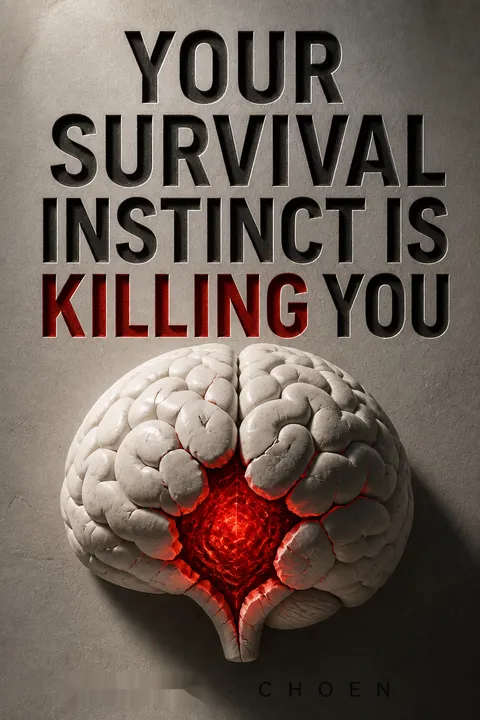

核心要点
1. 我们的生存本能曾是生存的关键,如今却对轻微的不适反应过度
“你的生存本能此刻正在你的体内运转。它是你体内被程序化的一部分,控制着你在必要时如何凭直觉自救,比如起身跑出一栋着火的大楼。”
进化失调。 我们的生存本能在危险的史前环境中曾让我们受益匪浅,但在相对安全的现代世界中,它却常常被微不足道的压力源所触发。这种失调导致了过度反应和不必要的压力应对。
对不适的高度敏感。 结果,许多人形成了一种过于敏感的“生存本能”,一旦遇到微不足道的不适就会激活,从而导致:
- 慢性压力与焦虑
- 对轻微挫折反应过度
- 难以应对日常挑战
- 决策能力受损
对日常生活的影响。 这种高度敏感会以各种方式表现出来,例如:
- 在轻微压力情境下惊恐发作
- 逃避行为和恐惧症
- 过度依赖寻求舒适的行为
- 难以适应变化或不确定性
2. 讽刺的是,现代便利反而加剧了我们对不适的无法容忍
“简单来说,在一个越来越为舒适而设计的世界里,我们反而感到不舒服——在这个世界里,我们期望自己时刻都温馨、健康、快乐。”
舒适悖论。 尽管生活在一个前所未有的舒适与便利时代,我们却变得越来越无法容忍哪怕是微不足道的不适。这种悖论源于:
- 随时随地能获得即时满足
- 减少了接触自然压力源和挑战的机会
- 对舒适和轻松的期望值过高
技术的双刃剑。 虽然技术在许多方面让我们的生活变得更加轻松,但它也:
- 增加了我们对持续刺激的需求
- 缩短了我们的注意力持续时间
- 制造了新的压力和焦虑源(例如,社交媒体、信息过载)
- 降低了我们应对无聊或闲暇时间的能力
舒适成瘾的后果。 我们对不适日益增长的无法容忍会导致:
- 在面对生命中不可避免的挑战时,韧性下降
- 难以实现需要坚持不懈的长期目标
- 心理健康问题易感性增加
- 产生同理心并理解他人挣扎的能力减弱
3. 慢性不适会触发不良习惯和健康问题
“坏习惯的诞生,象征着我们试图去应对那些因多巴胺水平下降、不适感螺旋式上升而产生的恐惧感。”
不良应对机制。 面对慢性不适时,许多人会养成不健康的习惯来应对,例如:
- 暴饮暴食或情绪化饮食
- 药物滥用(酒精、毒品、过量咖啡因)
- 拖延和逃避行为
- 过度依赖技术或社交媒体
恶性循环。 这些不良习惯通常只能提供暂时的缓解,但最终会加剧问题:
- 不适触发生存本能
- 不良习惯提供短期缓解
- 这种缓解强化了该习惯
- 根本问题仍未得到解决
- 不适感卷土重来,且往往更加强烈
健康后果。 慢性不适和不良应对机制会导致各种健康问题:
- 与压力相关的疾病(如高血压、心脏病)
- 心理健康问题(焦虑、抑郁)
- 慢性疼痛和疲劳
- 自身免疫性疾病
- 加速衰老并缩短寿命
4. 在压力情境下,边缘脑往往会凌驾于理性思考之上
“从旧脑传向新脑的脑信号,远比从新脑传向旧脑的要多。因此,边缘脑被赋予了更大的力量。”
大脑结构与功能。 人类大脑由三个主要部分组成:
- 爬行脑(脑干):基本生存功能
- 边缘脑:情绪、本能和生存反应
- 大脑皮层:理性思考、决策和高级认知
边缘脑主导。 在压力或情绪化的情境下,边缘脑往往会掌控大局:
- 与理性思考相比,反应时间更快
- 与身体的压力反应系统连接更强
- 在感知到紧急情况时,能够绕过大脑皮层
边缘脑凌驾的后果:
- 冲动决策
- 对轻微压力源反应过度
- 难以调节情绪
- 认知能力受损(如记忆力、专注力)
平衡之法。 更好地管理压力的关键在于改善边缘系统与大脑皮层系统之间的沟通,从而对不适和挑战做出更平衡的反应。
5. 调节和外部影响塑造了我们的舒适阈值
“我们是习惯的生物,无论是每天早餐吃什么,喝咖啡时需要配糕点和报纸,开车走同一条路线去上班,甚至是在半夜同一时间醒来。”
调节的类型。 我们的舒适阈值是由各种形式的调节塑造的:
- 经典条件反射(例如,巴甫洛夫的狗)
- 操作性条件反射(奖赏与惩罚)
- 社会学习(观察他人)
- 潜意识调节(无意识影响)
外部影响。 现代社会不断用影响我们舒适阈值的信息轰炸我们:
- 广告和媒体对理想生活方式的描绘
- 社交媒体与攀比文化
- 文化规范与期望
- 承诺带来便利的技术进步
对不适耐受力的影响:
- 对舒适和即时满足的期望值升高
- 延迟满足的能力下降
- 面对挑战时的韧性减弱
- 对轻微不便的敏感度增加
觉察与干预。 认识到这些调节过程和外部影响,是重新调整我们的舒适阈值并建立更强韧性的第一步。
6. 接纳不适是个人成长和建立韧性的关键
“不适很可能是我们武器库中最强大的改变媒介,能让我们成为最好的自己,并取得我们都渴望的那种人生成功。”
通过挑战成长。 接纳不适对于个人发展至关重要:
- 培养韧性和适应力
- 扩大舒适区和能力范围
- 激发创造力和解决问题的能力
- 提高情商和同理心
舒适区陷阱。 总是逃避不适会导致:
- 停滞不前并错失机会
- 自信心和自我效能感下降
- 个人和职业成长受限
- 面对未来挑战时更加脆弱
重塑不适。 转变我们对不适的看法,可以将其从威胁转化为机遇:
- 将挑战视为学习经历
- 将不确定性视为通往新可能性的路径
- 将挫折视为暂时的、可克服的障碍
- 认识到成长往往需要走出舒适区
7. 管理焦虑和扩大舒适区的策略
“焦虑水平与个别压力源不同。压力源通常代表外部刺激,如工作要求、与同事或家人的问题或财务问题,而焦虑则是游离的,通常不会被体验为威胁,也不会被感受为不舒服的时刻。”
管理焦虑。 降低整体焦虑水平的关键策略:
- 定期远离技术产品
- 练习正念和当下觉察
- 建立规律的作息和睡眠时间表
- 进行规律的体育锻炼
- 减少多任务处理和感官过载
扩大舒适区。 逐渐提高不适耐受力的技术:
- 在舒适区之外设定微小、可实现的挑战
- 在日常生活中练习延迟满足
- 尝试新体验并学习新技能
- 培养接纳挑战的成长型思维
- 主动接触可控且适度的压力源
建立韧性。 通过以下方式培养心理韧性:
- 定期进行自我反思和自我觉察练习
- 培养强大的支持网络
- 设定并追求有意义的长期目标
- 练习感恩和积极重塑
- 从挫折和失败中学习
8. 重新训练大脑以建设性地应对不适
“我们感兴趣的是调动大脑的不同区域,来应对体验到不适时发生的情况。我称之为构建‘大脑共同体’。”
神经塑料性。 大脑重塑自身的能力构成了重新训练我们对不适反应的基础:
- 通过反复练习创建新的神经通路
- 加强不同脑区之间的连接
- 削弱旧有的、无成效的反应模式
关键的重新训练技术:
- 正念冥想,以提高对思维模式的觉察
- 认知重构,以挑战并重塑消极信念
- 暴露疗法,以逐渐对恐惧的情境脱敏
- 放松技巧,以管理生理压力反应
- 对期望的反应进行可视化和心理演练
构建“大脑共同体”。 调动多个脑区来管理不适:
- 整合情绪与理性反应
- 对不适产生更细致的理解
- 创造更广泛的应对策略库
- 提高整体认知灵活性和适应力
9. 利用不适在压力下发挥最佳表现
“表现远不止是年轻时贴在墙上或冰箱上的一次性奖状。现在,表现比以往任何时候都更像是一场马拉松,而不是短跑。”
压力下的表现。 利用不适可以在各个领域提高表现:
- 学术和职业环境
- 体育和竞技比赛
- 公开演讲和演示
- 高风险决策
巅峰表现策略:
- 将焦虑重塑为兴奋或期待
- 在模拟的压力条件下进行练习
- 制定表现前的常规程序以管理压力
- 使用可视化技术进行心理准备
- 专注于过程而非结果
培养心理韧性。 为长期成功培养韧性:
- 将挑战视为成长的机会
- 培养强烈的目标感和动力
- 从失败和挫折中学习
- 在高压情境下保持大局观
- 通过逐渐暴露不断扩大舒适区
平衡之法。 寻找实现巅峰表现的最佳不适水平:
- 不适感太少会导致自满和表现不佳
- 不适感太多会触发生存本能并损害表现
- 目标是找到那个“黄金分割点”,让不适感既能提高专注力和动力,又不会让系统不堪重负
读者评价
《生存本能正在毁掉你》(Your Survival Instinct Is Killing You)褒贬不一。部分读者赞赏其在应对不适与压力方面的深刻见解,并对其科学的方法和实用的策略表示认可。另一些人则认为内容重复且言过其实,并对作者的自我推销和伪科学言论提出了批评。书中关于提高痛苦耐受力和接纳不适的核心观点引发了许多读者的共鸣。然而,也有人质疑书中所提技巧的实际效果,并认为内容缺乏新意。总体而言,读者对书中关于现代压力的独特视角表示赞赏,但对其具体呈现和实用价值则持不同意见。
其他人还在读









常见问题
1. What is Your Survival Instinct Is Killing You by Marc Schoen about?
- Core premise: The book explains how our ancient survival instinct, meant to protect us from real threats, now overreacts to modern discomforts, leading to chronic stress, unhealthy habits, and diminished well-being.
- Mind-body connection: Schoen explores the biological and psychological mechanisms behind fear and discomfort, focusing on how the limbic brain drives behaviors like anxiety, insomnia, and addiction.
- Goal of the book: The author provides practical strategies to retrain the brain, increase tolerance for discomfort, and transform fear into a source of personal power in the 21st century.
- Modern relevance: The book addresses why, despite unprecedented comfort, rates of anxiety, depression, and chronic illness are rising.
2. Why should I read Your Survival Instinct Is Killing You by Marc Schoen?
- Universal applicability: The book offers tools and insights relevant to anyone seeking to improve health, resilience, and decision-making in a stressful world.
- Scientific yet accessible: Schoen bridges neuroscience, psychology, and real-life stories, making complex concepts understandable and actionable for both lay readers and professionals.
- Empowerment and growth: Readers learn to build resilience, expand their comfort zones, and enhance performance under pressure without relying on medication or avoidance.
- Addresses modern challenges: The book provides strategies to counteract the negative effects of technology, societal pressures, and the "Cozy Paradox" of modern life.
3. What are the key takeaways from Your Survival Instinct Is Killing You by Marc Schoen?
- Survival instinct misfiring: Our hardwired fight-or-flight response is often triggered by minor discomforts, leading to maladaptive habits and health issues.
- Discomfort threshold matters: Modern comforts have lowered our ability to tolerate discomfort, making us more reactive and less resilient.
- Retraining is possible: Practical methods—like mindfulness, the Schoen Breath Technique, and gratitude pairing—can help raise discomfort thresholds and reduce chronic stress.
- Integration of brain systems: Aligning the emotional (limbic) and rational (cerebral) brains is key to managing fear and making better decisions.
4. What is the "survival instinct" according to Marc Schoen in Your Survival Instinct Is Killing You?
- Primitive brain function: The survival instinct is rooted in the limbic system, triggering fight-or-flight responses to perceived threats.
- Modern misfiring: In today’s world, this instinct often overreacts to minor discomforts, causing chronic stress and unhealthy behaviors.
- Behavioral impact: It drives conditions like panic attacks, insomnia, overeating, and addictions by interpreting discomfort as danger.
- Need for retraining: Understanding and managing this instinct is essential for health and well-being.
5. How does discomfort relate to the survival instinct in Your Survival Instinct Is Killing You?
- Discomfort as a trigger: Both physical and emotional discomfort can activate the survival instinct, leading to fear and defensive reactions.
- Types of discomfort: The book distinguishes between acute (obvious) and chronic (subtle, insidious) discomfort, with the latter often fueling maladaptive habits.
- Lowered tolerance: Modern lifestyles have reduced our discomfort threshold, keeping the survival instinct in a heightened, unhealthy state.
- Cycle of dysfunction: This leads to a self-perpetuating cycle of stress, illness, and poor decision-making.
6. What is "agitance" and how does it affect health and behavior in Your Survival Instinct Is Killing You?
- Definition of agitance: Agitance is a subtle, often unconscious state of inner agitation that builds up before discomfort becomes noticeable.
- Role in discomfort: Rising agitance increases irritability, fatigue, and vulnerability to stress, making the survival instinct more reactive.
- Health consequences: High agitance lowers our tolerance for discomfort, fueling chronic stress and maladaptive habits.
- Management strategies: Recognizing and reducing agitance is crucial for maintaining emotional balance and resilience.
7. What is the "Cozy Paradox" in Your Survival Instinct Is Killing You and why is it important?
- Concept explained: The Cozy Paradox describes how modern comforts have paradoxically lowered our tolerance for discomfort, making us hypersensitive to minor stressors.
- Negative consequences: This hypersensitivity leads to overactivation of the survival instinct, resulting in stress-related illnesses and poor decision-making.
- Modern relevance: The paradox explains why anxiety and chronic illness are rising despite increased comfort and convenience.
- Solution focus: Schoen advocates for raising discomfort thresholds and managing agitance to break this cycle.
8. How does Marc Schoen explain the brain’s role in fear and discomfort in Your Survival Instinct Is Killing You?
- Three-brain model: Humans have the reptilian (brain stem), limbic (emotional), and cerebral (rational) brains, with the survival instinct mainly in the limbic system.
- Limbic dominance: The limbic brain reacts quickly and emotionally, often overriding rational thought and leading to fear-driven behaviors.
- Fractionation risk: When the limbic and cerebral brains are misaligned, maladaptive habits and poor discomfort management result.
- Retraining goal: The book emphasizes creating alignment and cooperation between these brain regions for healthier responses.
9. What are maladaptive habits and how do they form according to Your Survival Instinct Is Killing You?
- Definition: Maladaptive habits are unhealthy behaviors developed to manage discomfort and fear, such as addictions, compulsions, insomnia, and avoidance.
- Formation process: These habits often start as coping mechanisms but become entrenched through conditioning and repeated pairing with discomfort.
- Examples: Overeating, excessive technology use, substance abuse, and compulsive checking are common maladaptive habits discussed.
- Long-term harm: While they provide short-term relief, these habits perpetuate stress and undermine health.
10. How does conditioning influence habits and health in Your Survival Instinct Is Killing You?
- Types of conditioning: The book covers classical and operant conditioning, as well as subtypes like pairing, generalization, and state-dependent learning.
- Unconscious impact: Much of this conditioning happens without our awareness, shaping emotional responses and even physical health.
- Reconditioning potential: Understanding these processes is key to breaking maladaptive habits and creating healthier neural pathways.
- Practical application: The book offers strategies to consciously recondition responses to discomfort and stress.
11. What practical methods does Marc Schoen recommend in Your Survival Instinct Is Killing You to retrain the survival instinct?
- Tolerance building: Techniques to increase discomfort tolerance include mindfulness, hypnosis, and the Schoen Breath Technique.
- Fifteen strategies: These range from technology breaks and embracing imperfection to practicing gratitude and short bouts of exercise.
- Brain community: Methods like labeling discomfort, practicing duality, and gratitude pairing help align the limbic and cerebral brains.
- Lifestyle adjustments: Reducing reliance on external stimuli and embracing discomfort as growth opportunities are emphasized.
12. What is the Survivalist Strategy of the 21st Century in Your Survival Instinct Is Killing You and how does it work?
- Horizontal brain approach: This strategy involves both the limbic and cerebral brains equally, rather than relying solely on rational control.
- Duality and integration: It teaches experiencing discomfort alongside feelings of safety or gratitude, building resilience and reducing fear responses.
- Practical exercises: Techniques include the Schoen Breath Technique, gratitude pairing, and imagining one’s inner warrior to reframe discomfort.
- Performance benefits: This approach helps transform discomfort into a source of power, improving decision-making and performance under pressure.
下载 PDF
下载 EPUB
.epub digital book format is ideal for reading ebooks on phones, tablets, and e-readers.








































