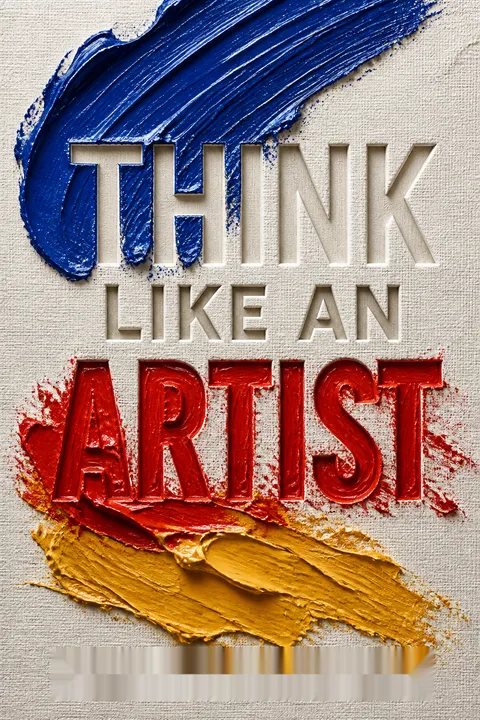

核心要点
1. 创造力存在于我们每个人之中,且可以被培养
我们都是艺术家,只需相信这一点。这正是艺术家的所作所为。
每个人都具备创造潜能。 想象并实现复杂理念的能力,使我们区别于其他物种和机器。创造力并非少数“艺术型”人才的专属,而是我们每个人与生俱来的天赋。
创造力可以被培养。 如同任何技能,创造力通过练习和培养得以提升。通过养成特定的心态和习惯,任何人都能增强创造能力:
- 拥抱好奇心,探索多样兴趣
- 质疑假设,提出问题
- 敢于冒险,勇于失败
- 将不同想法创新性地结合
- 留出时间反思与孕育灵感
创造力日益珍贵。 在快速变化的数字时代,创造性思维成为个人成就与职业成功的关键。激发内在创造力,我们能够:
- 适应新挑战与变革
- 寻找创新问题解决方案
- 真诚表达自我
- 在各领域贡献独特价值
2. 艺术家具备企业家精神,将想法变为现实
“好的生意是最好的艺术。”
艺术家即创业者。 与“饥饿艺术家”的浪漫想象相反,成功的创作者往往是精明的商人。他们必须:
- 推广自己及作品
- 管理财务与资源
- 建立人脉与关系
- 适应市场与品味的变化
从构想到创作。 艺术家不仅有想法,更将其付诸实践。此过程包括:
- 发展独特的愿景或概念
- 获取必要技能与资源
- 克服障碍与挫折
- 不断完善与迭代原始想法
- 向观众呈现完成作品
艺术创业的典范:
- 安迪·沃霍尔的“工厂”及其商业化艺术生产方式
- 文森特·梵高与其兄弟提奥的合作
- 西卡斯特·盖茨在芝加哥的创意城市更新项目
3. 失败是创造过程的一部分,而非终点
“我没有失败一万次,我只是证明了这万种方法行不通。”
重新定义失败。 在创造中,失败不是成功的对立面,而是通向成功的必经之路。艺术家明白:
- 每次“失败”都提供宝贵信息
- 错误带来意外发现
- 坚持面对挫折是突破的关键
从失败中学习。 创造者将失败视为成长工具,通过:
- 分析错误原因
- 根据新见解调整方法
- 保持动力,克服挫折
- 将每次尝试视为整体过程的一部分
著名的失败转成功案例:
- 披头士乐队多次被唱片公司拒绝
- J.K.罗琳在《哈利·波特》出版前遭遇多次拒绝
- 爱迪生发明电灯泡时的数千次失败尝试
4. 好奇心与热情驱动艺术创新
“模糊概念的清晰图像是最糟糕的。”
好奇心激发创造力。 艺术家被无尽的探索、质疑与理解欲望驱动。这种好奇心:
- 促成意想不到的联系与洞见
- 推动新技术与理念的实验
- 保持作品的新鲜与发展
热情赋予意义。 对主题或媒介的真挚兴趣给予艺术家:
- 克服挑战的动力
- 深厚的知识基础
- 与观众产生共鸣的真实性
好奇心驱动创新的例子:
- 达·芬奇在艺术、科学与工程领域的广泛研究
- 毕加索不断探索新风格与技法
- 玛丽娜·阿布拉莫维奇突破界限的行为艺术
5. 艺术家借鉴并将创意变为己用
“好艺术家模仿,伟大艺术家盗取。”
创造性的“盗取”即转化。 当艺术家“盗取”灵感时,他们:
- 通过独特视角重新诠释概念
- 结合不同元素创造新意
- 在现有理念基础上改进创新
创造性综合的艺术:
- 从多源寻找启发
- 理解核心原理或技巧
- 重新构想其在新语境中的应用
- 注入个人风格与愿景
历史上的艺术“盗取”案例:
- 毕加索受非洲艺术启发创作《亚维农少女》
- 披头士乐队融入印度音乐元素
- 昆汀·塔伦蒂诺向经典电影致敬
6. 怀疑与质疑引领创造性突破
“未经审视的生活不值得过。”
质疑一切。 艺术家以批判眼光审视作品,持续发问:
- 为什么要这样做?
- 如果尝试不同方法会怎样?
- 如何改进或重新构想?
怀疑的力量。 创造过程中的怀疑:
- 挑战假设与传统智慧
- 推动艺术家突破舒适区
- 带来创新方案与新视角
将苏格拉底法应用于创造:
- 识别假设或既定做法
- 质疑其有效性
- 探索替代可能
- 通过实验检验新想法
- 根据结果与进一步质疑调整完善
7. 大局观与细节关注的平衡至关重要
“模糊概念的清晰图像是最糟糕的。”
宏观与微观视角。 成功艺术家能自如切换于:
- 宏观概念与主题(大局)
- 精细执行与打磨(细节)
平衡视野与执行的策略:
- 以明确整体概念或目标开始
- 将项目拆分为可管理的小任务
- 定期回顾进展与大局契合度
- 关注支持整体愿景的细节
- 勇于做出小调整以产生显著影响
大局与细节平衡的典范:
- 建筑师兼顾整体结构与精美装饰
- 导演掌控宏大叙事与单个场景
- 维米尔在精心构图中绘制超写实细节
8. 拥有独特视角是艺术表达的核心
“让世界相信你,并为此付出高昂代价。”
培养独特声音。 艺术家的独特视角使作品脱颖而出,赋予其价值。塑造个人观点需:
- 借鉴个人经历与情感
- 探索真正感兴趣的主题或技法
- 试验不同风格,寻找真实自我
- 勇于表达非主流或不被看好的想法
传达你的愿景。 形成独特视角后,应:
- 通过所选媒介清晰表达理念
- 保持风格一致,建立认知度
- 坚守愿景,面对质疑不动摇
拥有鲜明观点的艺术家:
- 弗里达·卡洛深刻且象征性的自画像
- 让-米歇尔·巴斯奎特原始且具社会意识的街头艺术
- 草间弥生沉浸式波点装置艺术
9. 勇气是创造与分享创新理念的必要条件
“最勇敢的行为仍是大声为自己思考。”
克服恐惧与怀疑。 创造新事物并公开展示,需要:
- 面对拒绝与批评的可能
- 挑战既定规范与期待
- 坚信自己的愿景,即使他人不认可
培养创造勇气的策略:
- 从小处开始,逐步建立信心
- 与支持者为伍
- 记住所有伟大艺术家都曾遭遇怀疑与批评
- 专注过程与个人成长,而非仅结果
- 庆祝小胜利,从挫折中学习
勇敢改变世界的艺术家:
- 米开朗基罗怀疑中完成西斯廷教堂天顶画
- 马塞尔·杜尚用现成品挑战艺术定义
- 班克斯用街头艺术大胆表达政治观点
10. 停下来反思,提升创造过程
“艺术不在于自身,而在于我们给予它的关注。”
暂停的力量。 适时退后反思:
- 带来对进行中作品的新视角
- 帮助发现改进空间或新方向
- 防止倦怠,保持创造活力
将反思融入创作流程:
- 设定规律休息,客观评估作品
- 运用冥想或写作清理思绪
- 寻求可信同行或导师反馈
- 尝试不同环境或活动激发灵感
重视反思的艺术家:
- 克劳德·莫奈多次在不同时间描绘同一主题
- 大卫·霍克尼习惯静坐批判性审视作品
- 马塞尔·杜尚耗时数十年完善其终极作品《既然如此》
其他人还在读
常见问题
What's "Think Like an Artist" about?
- Exploring Creativity: "Think Like an Artist" by Will Gompertz delves into the mindset and practices of artists to uncover how they think and create. It aims to show how these approaches can be applied to lead a more creative and productive life.
- Artist Traits: The book identifies common traits among successful artists, such as curiosity, bravery, and skepticism, and explains how these can be harnessed by anyone.
- Practical Advice: Gompertz provides practical advice and insights into how adopting an artist's mindset can enhance creativity in everyday life and work.
- Inspiration from Artists: The book draws on examples from famous artists like Picasso, Warhol, and Duchamp to illustrate its points.
Why should I read "Think Like an Artist"?
- Enhance Creativity: The book offers strategies to unlock and enhance your creative potential, applicable in various fields beyond art.
- Learn from Masters: It provides insights into the lives and methods of renowned artists, offering inspiration and practical lessons.
- Broaden Perspective: By understanding how artists think, you can gain a new perspective on problem-solving and innovation.
- Applicable to All: Whether you're an artist or not, the book's lessons are designed to be universally applicable, helping anyone to think more creatively.
What are the key takeaways of "Think Like an Artist"?
- Creativity is Universal: Gompertz argues that everyone has the capacity for creativity, not just artists, and it can be cultivated with the right mindset.
- Traits of Artists: Key traits such as curiosity, bravery, and skepticism are essential for creative thinking and can be developed by anyone.
- Practical Application: The book provides practical advice on how to apply these artistic traits to everyday life and work to enhance creativity and productivity.
- Learning from Failure: Emphasizes the importance of learning from failure and viewing it as a necessary part of the creative process.
How does Will Gompertz define creativity in "Think Like an Artist"?
- Combination of Ideas: Creativity is seen as the ability to combine existing ideas in new ways to produce something original.
- Curiosity and Passion: It requires a deep curiosity and passion for a subject, which fuels the imagination and leads to innovative ideas.
- Iterative Process: Creativity is an iterative process involving experimentation, questioning, and refinement of ideas.
- Beyond Art: Gompertz emphasizes that creativity is not limited to art but is a valuable skill in all areas of life.
What are the best quotes from "Think Like an Artist" and what do they mean?
- "We cannot all paint like Picasso or sculpt like Michelangelo, but we can all think like an artist." This quote encapsulates the book's central message that the mindset of an artist is accessible to everyone.
- "Good business is the best art." Quoting Andy Warhol, this highlights the intersection of creativity and entrepreneurship, suggesting that successful artists are also savvy businesspeople.
- "The unexamined idea is not worth realizing." This echoes Socratic principles, emphasizing the importance of questioning and critical thinking in the creative process.
- "Creativity is more than just being different. Making the simple, awesomely simple, that’s creativity." This quote by Charles Mingus, included in the book, underscores the value of simplicity and clarity in creative work.
How does "Think Like an Artist" suggest overcoming creative blocks?
- Change of Scene: Moving to a new environment can stimulate the senses and provide fresh inspiration, as seen in the experiences of artists like Peter Doig.
- Embrace Failure: Viewing failure as a part of the creative process helps to learn and grow from setbacks rather than being discouraged.
- Question Everything: Employing a skeptical mindset to question assumptions can lead to new insights and breakthroughs.
- Find Your Voice: Discovering a personal point of view or unique perspective is crucial for overcoming creative blocks and producing original work.
What role does skepticism play in creativity according to "Think Like an Artist"?
- Questioning Assumptions: Skepticism involves questioning assumptions and challenging the status quo, which can lead to new ideas and innovations.
- Socratic Method: The book highlights the Socratic method of inquiry as a tool for critical thinking and problem-solving in the creative process.
- Avoiding Cynicism: While skepticism is constructive, it is important to avoid cynicism, which can be destructive and stifle creativity.
- Independent Thinking: Skepticism encourages independent thinking, allowing creators to develop unique ideas and solutions.
How does "Think Like an Artist" address the concept of failure?
- Part of the Process: Failure is presented as an inevitable and necessary part of the creative process, leading to growth and improvement.
- Learning Opportunity: Each failure provides valuable lessons and insights that can inform future creative endeavors.
- Plan B: Many successful creative individuals have achieved their breakthroughs through a Plan B, highlighting the importance of adaptability.
- Persistence: The book emphasizes the importance of persistence and resilience in overcoming failure and achieving creative success.
What does "Think Like an Artist" say about the importance of having a point of view?
- Unique Signature: A personal point of view is what differentiates an individual's work and gives it a unique signature.
- Expression of Ideas: Having something to say is crucial in creativity, as it drives the expression of ideas and originality.
- Inspiration Source: A clear point of view can serve as a source of inspiration and motivation for creative work.
- Overcoming Blocks: Discovering a personal point of view can help overcome creative blocks and lead to more meaningful and impactful work.
How does "Think Like an Artist" suggest we can apply artistic traits to everyday life?
- Curiosity and Passion: Cultivate curiosity and passion for subjects of interest to fuel creativity and innovation in daily tasks.
- Bravery in Expression: Be brave in expressing ideas and taking creative risks, even in non-artistic fields.
- Skeptical Inquiry: Use skeptical inquiry to question assumptions and explore new possibilities in problem-solving.
- Embrace Failure: View failures as learning opportunities and part of the process of achieving success in any endeavor.
What does "Think Like an Artist" suggest about the future of education?
- Art School Approach: The book suggests adopting an art school approach to education, focusing on creativity and independent thinking.
- Project-Based Learning: Emphasizes the value of project-based learning over traditional exams to foster creativity and critical thinking.
- Personalized Curriculum: Advocates for a more personalized curriculum that caters to individual interests and encourages self-discovery.
- Preparation for Creative Economy: Preparing students for a future creative economy by teaching them how to think, not just what to think.
How does "Think Like an Artist" propose we rethink the workplace for creativity?
- Collaborative Environment: Suggests creating a more collaborative and less hierarchical work environment to foster creativity.
- Freelance Model: Envisions a future where more people are self-employed, working with businesses rather than for them.
- Rewarding Creativity: Proposes new systems of remuneration that recognize and reward creative contributions more equitably.
- Empowering Workforce: Aims to empower individuals by valuing their unique talents and contributions, leading to a more motivated and creative workforce.
下载 PDF
下载 EPUB
.epub digital book format is ideal for reading ebooks on phones, tablets, and e-readers.








































