核心要点
1. 综合心智掌控:从多种方法中学习
这是一个关于如何通过愿意向不同背景的人学习,从而在领域中获得卓越掌控力的故事。
融合与优化。 就像综合格斗(MMA)选手融合多种格斗技巧(打击、摔跤、擒拿)以成为全能战士一样,心理治疗领域也兴起了整合疗法。这种方法从认知行为疗法、心理动力学、人本主义等不同流派中汲取最有效的技术。核心理念是,没有任何单一方法能应对所有情境或个体。
超越单一流派。 历史上,无论是武术还是心理治疗,往往被单一且相互竞争的流派主导。综合格斗起源于UFC等赛事,选手们通过跨流派较量,意识到借鉴他人技巧是成功关键。同理,整合疗法源于治疗师们认识到单一流派的局限,因而通过学习他人方法提升疗效和适用性。
灵活与适应。 整合疗法允许治疗师根据个体需求定制方案,而非强行套用僵化理论框架。这种灵活性使得治疗能覆盖更广泛的问题,并在初始方法无效时调整策略。它强调开放心态和持续学习,构建多元技能,最终实现自我照护与助人能力的全面掌控。
2. 金字塔模型:心智的六个层面
金字塔模型由六个相互关联的部分组成,分别负责理性、信念、记忆、情绪、言语和行为六大心理功能。
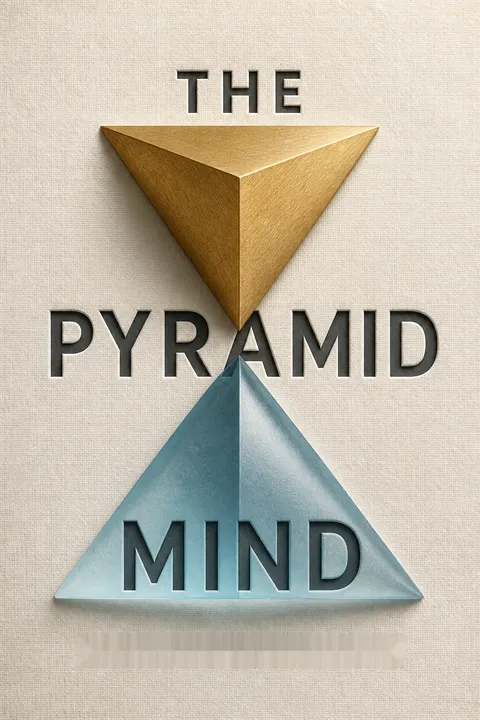
简化的地图。 理解复杂的人类心智颇具挑战,简化模型有助于自我认知与自我照护。金字塔模型将心智功能人为划分为六个关键且相互联系的层面,形象地呈现为双金字塔结构,帮助我们理清思考、感受、记忆、沟通和行动的关系。
意识与无意识。 双金字塔结构区分了心智的不同面向。上层金字塔(理性、信念、记忆)代表较为意识且可自省的层面;下层金字塔(情绪、言语、行为)则多为无意识或自动反应,但对外界观察者更为显著。
心理健康维度。 该模型对应整合治疗师关注的认知(理性、信念、记忆)、情绪(情绪)和行为(言语、行为)三大维度。全面关注这六个层面被认为是实现最佳幸福感、自信和表现的关键,忽视任何一环都会削弱整体心理健康。
3. 了解你的记忆:不同类型,不同规则
各种记忆类型本质不同。
不止一个“盒子”。 记忆并非单一存储单元,而是由多个分布于不同脑区的系统组成。这些系统形成机制各异,功能不同,管理和改变的方法也不相同。
主要记忆类型:
- 工作记忆: 临时保存和操作信息(数秒至数分钟),位于前额叶皮层。
- 长期记忆: 长期储存信息(从数天到终生)。
- 情景记忆: 个人过去事件(发生了什么、何时何地、感受如何)。
- 语义记忆: 事实、知识、概念和信念(一般知识)。
- 程序性记忆: 技能、习惯、操作方法(运动和语言习惯)。
- 情绪记忆: 对特定刺激的情绪反应联结。
显性与隐性。 长期记忆通常分为显性(有意识回忆,如情景和语义记忆)和隐性(无意识回忆,如程序性和情绪记忆)。了解涉及的记忆系统对有效自我管理和治疗干预至关重要,因为不同系统需采用不同工具。
4. 你的记忆是可塑的:你能重塑过去
事实上,记忆是高度可塑的构造。
非录像回放。 与普遍认知相反,事件记忆并非固定完美的录音。它们动态变化,易受影响且易被扭曲。大脑不会捕捉所有细节,常用现有知识、信念或外部信息填补空白,每次回忆时都会更新记忆。
填补空白。 由于感知和存储有限,回忆中自然存在空缺。回忆时,大脑重构事件,常融合新信息或当前情绪。这意味着每次回忆都会微妙改变记忆,将原始体验与当下影响融合。
改变的机会。 虽然记忆可塑性可能导致错误(如误判),但也为心理健康提供强大契机。我们可以学会重新加工痛苦记忆,减轻其负面情绪,或提炼有益教训。目标非否认过去,而是以支持未来幸福与成长的方式重新诠释和整合经历。
5. 掌控你的注意力:培养正念(理性)
正念是专注于当下且不加评判的能力。
大脑CEO的专注。 理性系统,即前额叶皮层,是大脑的执行官,负责注意力、工作记忆、灵活思维和自我控制。专注是所有这些技能的基础。然而,我们的思绪常被自动想法或外界干扰拉走。
走神的代价。 思绪游离虽自然,但过度走神会错过重要时刻、犯错、遗忘,且让时间感飞逝。现代生活的持续刺激加剧此倾向,削弱意识控制,影响表现和幸福感。
训练专注力。 正念源自古老修行,现为世俗技能,是对抗过度走神的良方。通过冥想训练,非求空心,而是觉察注意力偏离时温和拉回至选定锚点(如呼吸或感官)。此练习增强持续和转移注意力的能力,减轻压力,提升认知功能和生活满意度。
6. 掌控你的思维:现实思考(信念)
对抗负面思维及整体思维管理,我建议从现实思考开始。
自动对话。 信念系统储存知识与信念,不断产生自动思维——潜意识、瞬间对事件的解读。这些思维常表现为自我对话,是我们内在信念的产物,几乎不停运转,试图理解世界。
负面螺旋。 虽有中性或积极自动思维,但许多为负面、批判或基于错误假设。过度负面自我对话会引发思维下滑,加剧焦虑、悲伤、挫败等负面情绪,损害身心健康,阻碍目标达成。
培养现实感。 不必强求积极思考(若与深信不疑的信念冲突,反显虚假),而应专注现实思考。即批判性审视负面思维,评估其证据,替换偏颇解读为更平衡、基于事实的观点。现实思考区别于极端乐观或悲观,长期关联更高幸福感和更佳决策。思维记录等工具有助监控并挑战无益思维模式。
7. 掌控你的记忆:从过去学习(情景记忆)
记忆是强大的教导与指引工具。
超越反复思考。 沉溺于过去(反刍)无益且易致痛苦,完全忽视过去亦有害。情景记忆,作为个人事件记录,是重要资源。它提供背景,指导当前行为,并基于过往成败引导未来决策。
自我反思的力量。 健康对待过去的方式是自我反思。不同于情绪化且重复的反刍,自我反思目标明确且富建设性。它以非评判态度回顾往事,积极提炼教训、洞见或意义,哪怕是艰难经历。
转化记忆。 通过自我反思,我们能重构负面记忆。识别挑战期内的成长或收获,能减轻原事件的情绪痛苦。定期安排回顾(每日、每周、每月),借助结构化表格或写作,有助处理经历,主动构建人生知识库。采用第三人称视角(“拉远镜头”)亦能心理上疏离痛苦回忆。
8. 掌控你的情绪:提升调节能力(情绪记忆)
情绪调节(或情绪自我调节)指个体识别并以有益方式管理情绪的能力。
有用信号。 情绪,无论正负,皆具进化意义,引导我们趋利避害。它们是快速信号,紧急时可压倒理性思考。忽视情绪即切断了对内在状态和外部环境重要信息的感知。
情绪过载的影响。 体验情绪健康,但情绪过载时,感受强烈难控,导致过激反应、身体症状和功能受损。此状况可由单一重大压力或多重挑战积累引发。学会管理情绪对维持平衡与幸福至关重要。
培养调节技巧。 情绪调节是后天习得技能,非天生特质。它包括监控、调整和适当表达情绪。标记情绪(“我感到愤怒”、“悲伤”)能激活理性脑(前额叶皮层),减弱情绪强度,创造心理距离。控制性呼吸,尤其是深腹式呼吸,是平复神经系统、管理压力和焦虑的有力工具。探查反复负面情绪的根源(常为思维或情境)亦是关键。
9. 掌控你的言语:构建建设性故事(语言习惯)
你讲述故事的方式会影响心理健康。
我们是讲故事的人。 人类不断创造并分享关于生活、关系和世界的故事。这些叙述组织信息,帮助我们寻找意义,塑造对事件的理解。信念系统默默构建故事,随后口头表达,逐渐形成我们反复使用的语言习惯。
“污染”故事的代价。 心理学家发现“污染故事”——起初积极,结局却负面,好的开端被坏结果破坏。研究显示讲述此类故事与心理健康下降、抑郁和生活满意度降低相关。我们反复讲述的故事强化相应信念和情绪,影响未来行为,甚至形成自我实现预言。
构建建设性叙事。 健康故事则以建设性结局收尾,包含个人成长、韧性、意义发现或新机遇识别,即使结果非最初所愿。聚焦“角色弧线”——通过挑战如何变得更好——是重塑经历的有力方式。结构化故事(如五幕剧结构)并书写出来,有助获得视角,主动编辑和丰富结局,使叙事更平衡、赋能且真实反映经历全貌。
10. 掌控你的行为:养成良好习惯(运动习惯)
亚里士多德曾说:“我们就是反复所做之事。因此,卓越不是行为,而是习惯。”
自动化行为。 习惯是无需过多意识思考的自动行为,存储于程序性记忆中。它们占日常行为约40%,简化生活,释放心智资源用于更高层次思考。程序性记忆抗衰退,使习惯难以打破,但一旦形成也极为持久。
习惯的影响。 有些习惯无害或有益(如刷牙),但“坏习惯”则可能严重损害健康、效率和目标实现。即便是看似微小的坏习惯,如过度刷手机或不健康饮食,长期累积也会带来显著负面后果。
专注于养成。 改变行为最有效的方法不是单纯戒除坏习惯,而是积极培养新好习惯,替代或边缘化旧习惯。这需要在环境中设定明确提示触发目标行为,从极小步骤开始,确保易行且持续,且通过追踪进展来可视化动力并保持积极。坚持和重复是关键,习惯需时间和过度学习才能自动化并深植内心。
常见问题
What is The Pyramid Mind by Vlad Beliavsky about?
- Integrative self-mastery framework: The Pyramid Mind introduces the Pyramid Model, a six-level system for understanding and managing the mind, covering reason, beliefs, memories, emotions, speech, and behavior.
- Holistic mental health guide: The book blends insights from integrative psychotherapy, cognitive science, and martial arts metaphors to offer a comprehensive approach to personal development and wellbeing.
- Practical self-care program: Readers are provided with actionable strategies and exercises to develop mindfulness, manage thoughts and emotions, reframe memories, and build healthy habits.
Why should I read The Pyramid Mind by Vlad Beliavsky?
- Comprehensive mental health approach: The book offers a science-based, integrative framework that addresses cognitive, emotional, behavioral, and narrative aspects of mental health.
- Accessible and empowering: Complex psychological concepts are made relatable through metaphors and clear language, empowering readers to take charge of their own mental wellbeing.
- Practical tools for self-mastery: Readers gain step-by-step techniques to regulate emotions, challenge negative thoughts, reprocess memories, and create constructive life stories.
What are the key takeaways from The Pyramid Mind by Vlad Beliavsky?
- Six-level Pyramid Model: Mastery of attention, thoughts, memories, emotions, words, and behavior forms the foundation for mental health and personal growth.
- Integration over isolation: Combining diverse therapeutic methods and self-care practices is more effective than focusing on isolated symptoms.
- Actionable exercises: The book provides practical tools—such as thought records, mindfulness practices, and habit trackers—to facilitate daily self-improvement.
What is the Pyramid Model introduced in The Pyramid Mind by Vlad Beliavsky?
- Six interconnected levels: The model divides the mind into reason (attention), beliefs (thoughts), memories, emotions, speech (stories), and behavior (habits), each responsible for key mental functions.
- Double pyramid structure: The top pyramid covers conscious, cognitive functions, while the bottom addresses unconscious, emotional, and behavioral aspects, symbolizing unity of opposites.
- Progressive skill development: Each level builds upon the previous, guiding readers from awareness to behavioral change for holistic self-mastery.
How does The Pyramid Mind by Vlad Beliavsky use martial arts and combat sports metaphors?
- Mind as a battlefield: The author likens mastering mental faculties to training in martial arts, emphasizing the need for gradual skill acquisition and integration.
- Mixed Martial Arts (MMA) analogy: Just as MMA fighters cross-train in various disciplines, readers are encouraged to blend different psychological techniques for versatility and resilience.
- Empowerment through training: The metaphor highlights the importance of consistent practice and adaptability in achieving mental mastery.
How does The Pyramid Mind by Vlad Beliavsky explain memory and its role in self-mastery?
- Multiple memory systems: The book distinguishes between working, episodic, semantic, procedural, and emotional memory, each stored in different brain regions.
- Explicit vs. implicit memory: Explicit memories are conscious and declarative, while implicit memories are unconscious and automatic, influencing habits and emotional responses.
- Memory malleability: Memories can be updated and reframed, allowing for personal growth and healing through scheduled reviews and reflective practices.
What are the main techniques for managing negative thoughts in The Pyramid Mind by Vlad Beliavsky?
- Automatic thoughts and self-talk: The book explains how subconscious, habitual thoughts shape emotions and behavior, often without conscious intent.
- Thought records and disputing: Readers are taught to monitor, record, and challenge negative thoughts using evidence-based cognitive-behavioral techniques.
- Realistic thinking focus: Instead of promoting blind positivity, the book advocates for balanced, realistic thinking as the foundation for mental health.
How does The Pyramid Mind by Vlad Beliavsky address emotional regulation and overwhelm?
- Emotions as survival signals: Emotions are presented as evolutionary tools for identifying helpful or dangerous situations.
- Emotional overwhelm defined: The book describes how intense emotions can impair functioning and offers strategies to regain control.
- Regulation techniques: Practical methods include labeling emotions, controlled breathing, and investigating underlying triggers to manage emotional responses constructively.
What role do stories and storytelling play in The Pyramid Mind by Vlad Beliavsky?
- Stories shape identity: The narratives we tell about ourselves influence beliefs, emotions, and behaviors, impacting mental health and life outcomes.
- Contamination vs. constructive stories: The book distinguishes between negative, self-defeating stories and empowering, growth-oriented narratives.
- Story restructuring practices: Readers are guided to rewrite their personal stories using structured frameworks to foster resilience and positive change.
How does The Pyramid Mind by Vlad Beliavsky help with building good habits and breaking bad ones?
- Habits as procedural memory: The book explains how habits are automatic behaviors triggered by cues, formed through repetition and consistency.
- Focus on positive habits: Emphasis is placed on establishing small, manageable behaviors and maintaining consistency rather than solely trying to eliminate bad habits.
- Tracking and patience: Tools like habit trackers and the Brightway app are recommended to support gradual, sustainable habit formation.
What is the overall self-mastery training plan in The Pyramid Mind by Vlad Beliavsky?
- Six-level goals: The plan targets developing mindfulness, managing thoughts, working with memories, regulating emotions, crafting supportive stories, and building healthy habits.
- Structured yet flexible: Each chapter offers three practical techniques per level, allowing readers to tailor their practice to their needs and preferences.
- Compatibility with therapies: The Pyramid Model integrates well with established therapeutic approaches, enabling readers to combine familiar methods within a holistic framework.
What personal experiences and case studies does Vlad Beliavsky share in The Pyramid Mind to illustrate the model?
- Author’s journey: Vlad shares his experiences writing the book, dealing with insomnia and self-doubt, and applying self-care techniques to overcome challenges.
- Military service during Ukraine invasion: He recounts using journaling and the Pyramid Model to maintain mental health while defending Kyiv, demonstrating the model’s real-world applicability.
- Famous memory case studies: The book discusses cases like Henry Molaison and Claparède’s patient to illustrate the distinct roles of different memory systems in self-mastery.
下载 PDF
下载 EPUB
.epub digital book format is ideal for reading ebooks on phones, tablets, and e-readers.








































