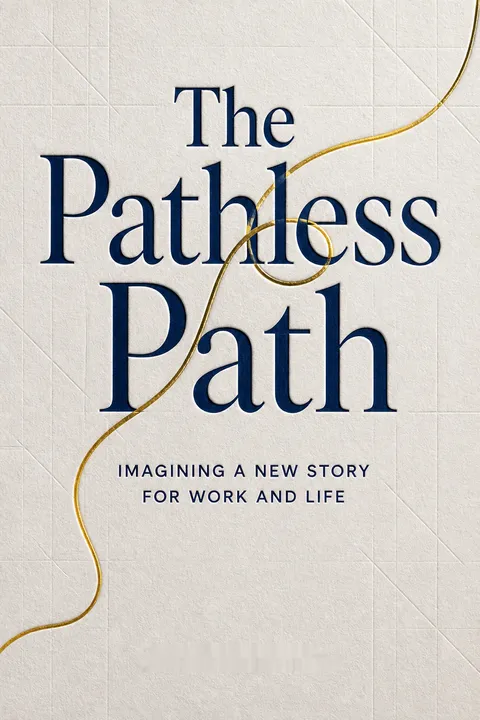

核心要点
1. 默认路径:质疑社会期望与职业规范
“我大半生都遵循着一套被认为能保证幸福的人生公式,但事实并非如此。”
默认路径是社会预设的一系列成功步骤和成就,通常包括取得优异成绩、进入名校、获得高薪职位、不断攀升职场阶梯。许多人在未曾质疑其合理性或考虑其他可能性的情况下,便顺从地走上这条路。
挑战假设对个人成长至关重要。作者的觉醒始于意识到,尽管外在成就斐然,他内心却感到空虚,与真实渴望渐行渐远。这一认知促使他重新审视塑造自己人生选择的信念与期待。
- 默认路径常见期待:
- 以职业晋升优先于个人满足
- 将财富成功等同于幸福
- 毫无质疑地遵循社会规范
2. 觉醒:认识到变革与个人成长的必要
“当我们反思时,会发现生活中有许多励志的旅程。”
顿悟时刻往往源自意想不到的契机。对作者而言,健康危机和亲人离世迫使他直面价值观与生活方式的脱节。这些经历成为深度自省和重新评估优先事项的催化剂。
自我反思是个人成长的有力工具。通过审视信念、动机与理想,我们能识别需要改变的领域,开始规划新方向。此过程常伴随质疑根深蒂固的假设,并对新可能保持开放。
- 需要改变的信号:
- 持续的不满或空虚感
- 个人价值观与日常行为不符
- 精疲力竭或长期压力
- 对曾经喜爱的事物失去热情
3. 突破束缚:勇敢迈向未知
“现实在纽约等着我。我辞掉了工作,却没有任何后续安排。十年走在默认路径上,我感到赤裸裸地暴露。”
拥抱不确定性是摆脱默认路径的关键一步。作者辞职时毫无计划,既恐惧又解脱。这次跳跃迫使他直面恐惧,培养新技能与视角。
克服恐惧是持续的过程。许多人因害怕未知或失败而停滞不前。然而,经过深思熟虑的冒险和走出舒适区,能带来成长与意想不到的机遇。
- 突破束缚的策略:
- 从小规模试验或副业开始
- 建立经济安全垫
- 构建志同道合的支持网络
- 培养成长心态,将失败视为学习机会
4. 无路径之路:拥抱不确定与个人探索
“对我而言,无路径之路是一句咒语,安慰自己一切都会好。”
无路径之路是一种生活方式,强调个人成长、探索与真实,而非预设结果。它要求拥抱不确定,开放接受新体验与视角。
驾驭模糊性是无路径之路的核心技能。没有明确路线图,个体需学会信任直觉,适应变化,从旅程本身寻找意义,而非仅关注外在目标。
- 无路径之路的特征:
- 注重个人成长与自我发现
- 敢于挑战社会规范与期待
- 接纳多元体验与观点
- 生活与职业选择灵活多变
5. 重新定义成功:超越传统成就标准
“无路径之路是一场定义自我成功的冒险。”
个人成功定义是获得满足感的关键。作者鼓励读者超越财富、地位或职位等传统成就标志,转而以个人成长、有意义的人际关系及价值观一致性来衡量成功。
心态转变对重新定义成功至关重要。这意味着从竞争与外部认可的匮乏思维,转向承认创造价值与满足感无限可能的丰盛心态。
- 替代成功衡量标准:
- 个人成长与学习
- 对他人的积极影响
- 工作与生活的平衡与幸福感
- 行动与价值观的契合度
6. 寻找你的对话:发现你独特的世界贡献
“我们每个人都有注定要发现的自我,唯一途径是向世界敞开心扉。”
识别热情是探索与自我发现的过程。作者认为,每个人都拥有独特的“对话”——一组问题、理念或贡献,只有自己能深入探讨或提供。
拥抱好奇心是找到你对话的关键。跟随兴趣,提出问题,保持开放,能揭示最能引起共鸣的主题与思想。
- 发现你对话的方法:
- 反思过去的经历与心流时刻
- 探索多样兴趣与活动
- 与他人进行有意义的交流
- 关注生活与工作中反复出现的主题
7. 设计喜欢的工作:创造与价值观相符的生活
“在无路径之路上,目标不是找工作、赚钱、创业或达成某个指标,而是主动且有意识地寻找你愿意持续做的工作。”
工作与价值观对齐是长期满足感的关键。作者强调设计生活与职业,使你能从事真正喜欢且有意义的工作。
不断尝试是找到热爱工作的必要过程。可能需要尝试不同角色、行业或工作方式,最终发现真正契合的方向。目标是创造可持续且充实的工作方式,支持整体人生目标。
- 设计喜欢工作的策略:
- 明确核心价值观与底线
- 寻找符合兴趣与优势的机会
- 设立界限,保护时间与精力
- 定期评估并调整工作方式
8. 拥抱丰盛:培养慷慨与成长心态
“尽管无路径之路没有特定终点,但可能存在Venkatesh Rao所说的‘固定点’。”
丰盛心态关注可能性而非限制。作者鼓励读者超越匮乏思维,拥抱生活与职业中更广阔的可能。
慷慨在培养丰盛中扮演重要角色。通过无私分享知识、资源与支持,我们建立互惠网络,带来意想不到的机遇与成长。
- 培养丰盛心态的方法:
- 感恩现有的一切
- 寻找双赢的互动机会
- 自由分享知识与资源
- 专注创造价值,而非争夺有限资源
9. 活出自我胜过追求成功:优先考虑个人满足
“活出自我胜过追求成功。”
追求满足感比追逐外在成功更重要。作者主张基于让你充满活力与激情的事物做决策,而非单纯关注职业晋升或财富积累。
平衡野心与真实是坚持自我同时追求目标的关键。需定期检视价值观与动机,确保行动与内心深处的渴望相符。
- 优先活出自我的表现:
- 对工作充满激情与活力
- 追求符合价值观的项目
- 留出时间进行个人成长与探索
- 拒绝不符合内心的机会
10. 创造属于你的文化:发展个人原则与价值观
“如果文化不适合你,就不要接受,自己创造一套。”
个人文化是指导决策与行动的信念、价值观与实践集合。作者强调有意识地打造支持目标与理想的个人文化,而非盲目接受社会规范。
持续完善是建立强大个人文化的必要过程。需不断反思经历、从错误中学习,并随着新见解调整方法。
- 个人文化的要素:
- 核心价值观与原则
- 日常习惯与例行公事
- 决策方式
- 人际关系与社区
- 个人成长与学习实践
读者评价
《无路之路》评价褒贬不一,评分从一星到五星不等。支持者认为本书富有启发性且贴近生活,赞赏其对非传统职业道路的坦诚描写。批评者则指出书中缺乏深度,过于以自我为中心,且对特权问题关注不足。一部分读者欣赏作者的个人经历及对工作与生活平衡的反思,另一些读者则觉得内容平淡重复。此书挑战了传统职业观念,但未必适合所有人,尤其是那些寻求实用建议或难以认同作者经历的读者。
其他人还在读







常见问题
What's "The Pathless Path" about?
- Exploration of Alternative Paths: "The Pathless Path" by Paul Millerd explores the idea of stepping away from the conventional career path to find a more fulfilling and authentic life.
- Personal Journey: The book is a personal narrative of Millerd's own experiences, including his decision to leave a high-paying consulting job to pursue a life of uncertainty and creativity.
- Challenge to Conventional Wisdom: It challenges the societal norms that dictate success and happiness, encouraging readers to question the default path and consider what truly matters to them.
- Embrace of Uncertainty: The book emphasizes embracing uncertainty and discomfort as a means to discover deeper truths and personal fulfillment.
Why should I read "The Pathless Path"?
- Inspiration for Change: If you're feeling stuck or unfulfilled in your current career, this book offers inspiration and practical advice for making a change.
- Personal Growth: It provides insights into personal growth and self-discovery, encouraging readers to explore their own values and desires.
- Alternative Perspectives: The book offers a fresh perspective on success and happiness, challenging readers to redefine these concepts for themselves.
- Practical Advice: Millerd shares practical tips and strategies for navigating the uncertainties of a non-traditional path, making it a useful guide for those considering a similar journey.
What are the key takeaways of "The Pathless Path"?
- Redefine Success: Success should be defined by personal fulfillment and alignment with one's values, rather than societal expectations.
- Embrace Uncertainty: Stepping into the unknown can lead to personal growth and a more meaningful life.
- Prototype Your Leap: Experiment with small changes before making a big leap to reduce risk and gain confidence.
- Find Your Tribe: Surround yourself with like-minded individuals who support and inspire your journey.
How does Paul Millerd define "The Default Path"?
- Conventional Life Script: The default path refers to the traditional life script of studying hard, getting a good job, and continuously striving for more achievements.
- Cultural Expectations: It is shaped by societal and cultural expectations, often leading individuals to pursue goals that may not align with their true desires.
- Focus on Achievement: This path emphasizes external markers of success, such as prestige, money, and status, often at the expense of personal fulfillment.
- Lack of Reflection: Many people follow the default path without questioning whether it truly makes them happy or fulfilled.
What is the "Pathless Path" according to Paul Millerd?
- Alternative to the Default Path: The pathless path is an alternative to the default path, characterized by embracing uncertainty and exploring personal truths.
- Focus on Being Alive: It prioritizes coming alive over getting ahead, encouraging individuals to pursue what truly brings them joy and fulfillment.
- Embrace of Non-Doing: The pathless path involves letting go of rigid plans and allowing life to unfold naturally, as described by the concept of "wu wei" or non-doing.
- Personal Journey: It is a deeply personal journey that requires introspection, courage, and a willingness to challenge societal norms.
What are some practical steps to embrace "The Pathless Path"?
- Prototype Your Leap: Start with small experiments to test new ways of living and working before making a major change.
- Tame Your Fears: Identify and address fears that may be holding you back, using exercises like Tim Ferriss' "fear setting."
- Find the Others: Connect with like-minded individuals who can support and inspire your journey.
- Reimagine Money: Shift your perspective on money from a source of security to a tool for living a life aligned with your values.
How does Paul Millerd suggest redefining success?
- Personal Fulfillment: Success should be defined by personal fulfillment and alignment with one's values, rather than societal expectations.
- Focus on Being Alive: Prioritize activities and pursuits that make you feel alive and engaged, rather than those that simply advance your career.
- Find Your "Enough": Determine what is truly enough for you in terms of money, possessions, and achievements, and resist the pressure to constantly seek more.
- Embrace Aspiration: Shift from ambition, which is goal-oriented, to aspiration, which is about exploring and expanding your values and interests.
What is the "Meaningful Work Trap" in "The Pathless Path"?
- Expectation of Fulfillment: The meaningful work trap is the expectation that work should be the primary source of fulfillment and identity.
- Cultural Shift: This idea gained popularity in the late 1990s, with the belief that finding a calling would improve life satisfaction.
- Complexity of Meaning: Research shows that meaningful work is complex and often involves mixed emotions, not just joy and happiness.
- Broader Perspective: Millerd suggests broadening the perspective on work to include activities that bring joy and fulfillment outside of traditional employment.
What role does "Non-Doing" play in "The Pathless Path"?
- Concept of Wu Wei: Non-doing, or "wu wei," is a state of being deeply connected with the world without forcing actions or outcomes.
- Letting Go: It involves letting go of rigid plans and allowing life to unfold naturally, embracing uncertainty and spontaneity.
- State of Reflection: Non-doing is not about laziness but about creating space for reflection, creativity, and personal growth.
- Path to Fulfillment: By embracing non-doing, individuals can discover deeper truths and align their lives with what truly matters to them.
How does Paul Millerd address financial concerns on "The Pathless Path"?
- Reimagine Money: Shift your perspective on money from a source of security to a tool for living a life aligned with your values.
- Define "Enough": Determine what is truly enough for you in terms of money and resist the pressure to constantly seek more.
- Embrace Scarcity Mindset: Recognize and address the scarcity mindset that can arise when leaving a traditional job, focusing on abundance and possibility.
- Experiment with Income: Explore diverse ways of making money, such as freelancing or creating digital products, to reduce financial insecurity.
What are the best quotes from "The Pathless Path" and what do they mean?
- "The pathless path is an alternative to the default path. It is an embrace of uncertainty and discomfort." This quote encapsulates the essence of the book, encouraging readers to step away from societal norms and explore their own unique journey.
- "Success should be defined by personal fulfillment and alignment with one's values." This quote challenges conventional definitions of success, urging readers to prioritize what truly matters to them.
- "Prototype your leap." This quote offers practical advice for making life changes, suggesting that small experiments can help reduce risk and build confidence.
- "Find the others." This quote emphasizes the importance of community and connection, encouraging readers to seek out like-minded individuals who can support their journey.
How does "The Pathless Path" suggest dealing with societal expectations?
- Question the Default: Encourage questioning societal norms and expectations, and consider whether they align with personal values and desires.
- Create Your Own Culture: Develop a personal culture that reflects your values and aspirations, rather than conforming to societal pressures.
- Embrace Individuality: Recognize the importance of individuality and the value of experimenting with different ways of living.
- Seek Support: Find a community of like-minded individuals who can provide support and encouragement as you navigate societal expectations.
下载 PDF
下载 EPUB
.epub digital book format is ideal for reading ebooks on phones, tablets, and e-readers.








































