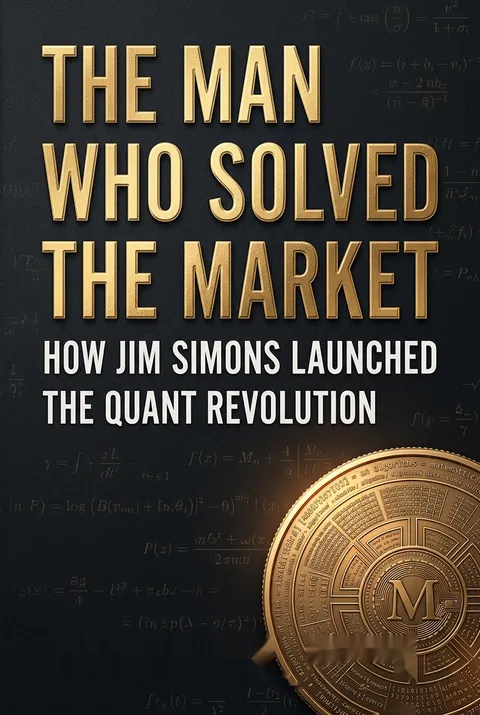

核心要点
1. 吉姆·西蒙斯:从数学天才到对冲基金传奇
“这其中没有固定的规律。”
早期天赋: 吉姆·西蒙斯自幼展现出非凡的数学才能,小时候便能快速心算和解决复杂问题。他学业进展迅速,23岁便获得博士学位,成为享誉学界的数学家。
职业转型: 尽管在数学领域取得卓越成就,包括为国防分析研究所破解密码,西蒙斯内心却始终不安分。20世纪70年代末,他转向金融领域,创立了Monemetrics(后更名为文艺复兴科技),致力于将数学模型应用于金融市场。
- 重要里程碑:
- 1938年:出生于马萨诸塞州
- 1958年:毕业于麻省理工学院
- 1964年:成为国防分析研究所密码破译员
- 1978年:离开学术界,创办Monemetrics
2. 文艺复兴科技:量化交易的开创者
“我不想每分钟都担心市场。我需要的是能在我睡觉时赚钱的模型。”
量化方法: 文艺复兴科技通过将复杂的数学模型和计算机算法应用于金融市场,彻底改变了投资方式。这种被称为量化投资的策略,旨在消除交易中的人类情绪和偏见。
技术优势: 公司大量投入于数据收集、清洗和分析,开发出先进的计算机系统和算法,处理海量金融信息,捕捉有利可图的交易机会。
- 关键创新:
- 广泛的历史数据收集
- 高级模式识别算法
- 高频交易能力
- 通过机器学习持续优化模型
3. 奖章基金:金融领域无与伦比的成功
“这里面一定有规律;一定有规律。”
卓越回报: 文艺复兴的旗舰基金——奖章基金,自1988年至2018年实现了年均66%的惊人收益(未扣除费用),远超传统投资策略和其他量化基金。
有限开放: 由于其非凡表现,奖章基金最终关闭对外投资,仅向文艺复兴员工及少数内部人士开放,这种排他性进一步增强了其金融界的神秘感。
- 奖章基金亮点:
- 1988年成立
- 扣费后年均收益39%
- 持续超越市场指数及其他对冲基金
- 资产规模限制在100亿美元以维持表现
4. 数据驱动投资:文艺复兴的核心理念
“只要数据足够,我相信我们能做出预测。”
数据为基石: 文艺复兴的成功源于其收集、清洗和分析海量金融数据的能力。公司挖掘各种信息来源,从传统市场数据到鲜为人知的经济指标。
模式识别: 利用先进的统计技术和机器学习算法,文艺复兴识别出市场行为中的微妙模式和相关性,这些洞察成为其交易策略的基础。
- 数据策略要点:
- 多元化数据全面收集
- 严格的数据清洗与验证
- 持续优化预测模型
- 聚焦短期交易,捕捉市场低效
5. 打造科学家与数学家团队
“我们能教你理财,但教不了你聪明。”
非传统招聘: 西蒙斯招募顶尖科学家、数学家和计算机专家,许多人几乎没有金融背景。这种做法带来了新鲜视角和先进的解决问题能力。
协作文化: 文艺复兴营造开放、学术氛围浓厚的环境,鼓励自由分享和辩论思想,推动交易模型和策略不断完善。
- 关键团队成员:
- 詹姆斯·阿克斯:早期合伙人及数学家
- 埃尔温·贝雷坎普:博弈论专家,奖章基金经理
- 罗伯特·默瑟与彼得·布朗:计算机科学家,推动关键突破
- 亨利·劳弗:数学家,优化短期交易策略
6. 克服挑战:危机与内部纷争
“相信模型,别慌张。”
市场危机: 文艺复兴经历了多次重大市场动荡,包括2007年“量化地震”和2008年金融危机。这些考验验证了模型的韧性,公司在动荡中表现优异。
内部矛盾: 公司也面临薪酬争议、战略分歧及关键人员离职等内部挑战。西蒙斯的领导力和企业文化帮助公司顺利度过难关。
- 主要挑战:
- 初期盈利不稳
- 早期合伙人莱尼·鲍姆离开
- 2007年市场动荡一度威胁公司存续
- 管理扩张与保持业绩平衡
7. 默瑟风波:政治与金融的交织
“专业表现与政治观点应当分开。”
政治介入: 文艺复兴高管罗伯特·默瑟积极参与保守派政治,支持2016年特朗普竞选,引发外界关注和争议。
内外压力: 默瑟的政治活动在公司内部引发紧张,也招致公众批评。最终,西蒙斯要求默瑟辞去领导职务,以维护公司声誉和士气。
- 默瑟事件要点:
- 支持布赖特巴特新闻及其他保守派事业
- 面临公众抗议和负面舆论
- 大卫·马格曼公开批评默瑟后被解雇
- 默瑟于2017年辞去联席CEO职务
8. 超越金融:西蒙斯的慈善事业
“我觉得我们正逐步接近真相。”
科学研究: 退出日常管理后,西蒙斯投身慈善,尤其支持基础科学研究,创立了西蒙斯基金会,资助科学探索及其他公益项目。
教育投入: 他还大力推动数学和科学教育,创办“数学为美国”项目,支持并留住优秀公立学校教师。
- 主要慈善项目:
- 西蒙斯基金会:基础科学研究的重要资助者
- 自闭症研究:建立遗传数据库,资助药物试验
- 数学为美国:为数学和科学教师提供津贴与支持
- 西蒙斯天文台:研究宇宙早期的天文项目
9. 量化革命:华尔街的变革
“我们的方法科学严谨,依靠统计手段揭示市场本质。”
行业转型: 文艺复兴的成功推动华尔街广泛采用量化投资,传统机构纷纷引入数学家和科学家,转变投资理念。
技术竞赛: 量化投资兴起引发数据收集、计算能力和算法开发的军备竞赛,彻底改变了金融市场的运作方式。
- 量化革命影响:
- 提升市场效率与流动性
- 替代数据源日益重要
- 传统基本面分析地位下降
- 关于算法交易风险的持续讨论
10. 西蒙斯的启示:创新、坚持与团队合作
“与比你更聪明的人共事……坚持不懈,绝不轻言放弃。”
拥抱创新: 西蒙斯敢于将非传统方法引入金融,取得突破性成果,彰显创新思维的价值。
坚持到底: 尽管早期遭遇质疑和挫折,他始终坚持量化策略,最终获得非凡成功。
协作天才: 文艺复兴的成就源于汇聚多元人才,营造协作氛围。西蒙斯深知集体智慧能解决个人难以克服的问题。
- 重要经验:
- 挑战传统观念
- 建立并培养卓越团队
- 持续调整与优化策略
- 平衡长远愿景与短期执行
- 以数据和科学方法指导决策
读者评价
《破解市场之人》获得了褒贬不一的评价。许多读者认为这本书生动地讲述了文艺复兴科技公司及其创始人吉姆·西蒙斯的故事,赞赏其对量化交易和公司成功的深刻洞见。有些人欣赏书中融入的人文故事和政治背景,认为这丰富了内容;但也有人觉得这些部分偏离了金融主题,影响了整体聚焦。批评者指出,书中缺乏足够的技术深度和数学解析。总体来看,尽管部分读者认为书中存在不足或包含冗余细节,但大家普遍认可其对文艺复兴科技发展历程及其对金融市场影响的深入探讨。
其他人还在读






常见问题
What's The Man Who Solved the Market about?
- Focus on Jim Simons: The book chronicles the life and career of Jim Simons, a mathematician who founded Renaissance Technologies, a hedge fund that revolutionized quantitative trading.
- Quantitative Revolution: It explores how Simons and his team used mathematical models and algorithms to predict market movements, leading to the creation of the Medallion Fund with extraordinary returns.
- Impact on Finance: The narrative examines the broader implications of Simons's methods on the finance industry, including the rise of quantitative investing and its influence on various sectors.
Why should I read The Man Who Solved the Market?
- Insight into Quantitative Trading: The book provides a deep dive into the world of quantitative finance, making complex concepts accessible to general readers.
- Inspiring Story: It tells an inspiring story of how a mathematician with no formal finance training became one of the most successful investors in history.
- Lessons on Risk and Morality: The book raises important questions about the ethics of wealth accumulation and the impact of financial practices on society.
What are the key takeaways of The Man Who Solved the Market?
- Data-Driven Success: The book emphasizes the power of data and algorithms in making investment decisions, showcasing how Simons's methods changed the landscape of finance.
- Collaboration and Innovation: Simons fostered a culture of collaboration among his researchers, leading to innovative trading strategies and success in complex fields.
- Adaptability in Trading: The narrative illustrates the need for adaptability in trading strategies, especially in response to market changes.
What are the best quotes from The Man Who Solved the Market and what do they mean?
- “If we have enough data, I know we can make predictions.”: This quote encapsulates Simons's belief in the power of data analysis to drive investment success.
- “All models are wrong, but some are useful.”: It underscores the idea that while no model can perfectly predict market behavior, they can still provide valuable insights.
- “Trust the model.”: This phrase emphasizes the importance of relying on data-driven strategies rather than emotional decision-making in trading.
What is the Medallion Fund, and why is it significant?
- Exceptional Performance: The Medallion Fund is renowned for its extraordinary returns, averaging around 39.1% net annually since its inception.
- Quantitative Approach: It employs sophisticated mathematical models and algorithms to execute trades, setting a benchmark for quantitative investing.
- Limited Access: The fund is exclusive to Renaissance employees, adding to its mystique and reputation as a highly secretive and successful investment vehicle.
How did Jim Simons transition from academia to finance?
- Mathematical Background: Simons's strong foundation in mathematics and his work in code-breaking during the Cold War equipped him with unique analytical skills.
- Founding Renaissance Technologies: After leaving academia, Simons founded Renaissance Technologies, applying his mathematical expertise to develop trading algorithms.
- Innovative Trading Strategies: His approach to trading was revolutionary, integrating scientific methods into finance and creating a successful hedge fund.
What challenges did Renaissance Technologies face?
- Market Volatility: Renaissance encountered significant challenges during periods of market volatility, testing the effectiveness of its trading models.
- Internal Conflicts: Dynamics between key figures, such as Bob Mercer and Peter Brown, created tensions within the firm, impacting decision-making.
- Public Scrutiny: As Renaissance gained prominence, it faced increased scrutiny regarding its political affiliations and the ethical implications of its trading practices.
How did Renaissance Technologies adapt to changing market conditions?
- Continuous Improvement: The firm constantly refined its trading models to adapt to new market realities, maintaining its competitive edge.
- Embracing New Data: Renaissance began incorporating alternative data sources and machine learning techniques to enhance its trading strategies.
- Risk Management: The firm developed robust risk management practices to navigate periods of market turbulence, protecting its assets and profits.
What role did data play in Simons's trading strategies?
- Data as a Foundation: Simons believed that extensive data analysis was crucial for making informed trading decisions.
- Historical Patterns: The team used historical pricing data to identify patterns and anomalies that could predict future market movements.
- Continuous Improvement: Simons's approach involved constantly refining their data collection and analysis methods to enhance trading performance.
What role did Bob Mercer play at Renaissance Technologies?
- Key Contributor: Bob Mercer was instrumental in developing the quantitative models that drove Renaissance's trading strategies.
- Political Involvement: Mercer became a prominent political donor, supporting conservative causes, which later drew criticism and affected the firm's public image.
- Leadership Transition: After Simons stepped down, Mercer took on a more significant leadership role, co-managing the firm alongside Peter Brown.
How does The Man Who Solved the Market address the ethical implications of quantitative trading?
- Wealth Disparity: The book raises questions about the impact of hedge funds like Renaissance on wealth inequality.
- Market Manipulation Concerns: It discusses the potential for quantitative trading to manipulate markets, particularly during periods of high volatility.
- Philanthropic Efforts: Simons's philanthropic initiatives are presented as a counterbalance to the wealth generated by Renaissance, suggesting that giving back can help mitigate negative perceptions.
What is the significance of machine learning in Renaissance's trading strategies?
- Enhanced Predictive Power: Machine learning allows Renaissance to analyze vast amounts of data and identify complex patterns that traditional methods might miss.
- Automated Decision-Making: The integration of machine learning enables Renaissance to automate many aspects of its trading process, increasing efficiency.
- Continuous Learning: Renaissance's machine learning models are designed to adapt and improve over time, helping the firm stay ahead of competitors.
关于作者

下载 PDF
下载 EPUB
.epub digital book format is ideal for reading ebooks on phones, tablets, and e-readers.








































