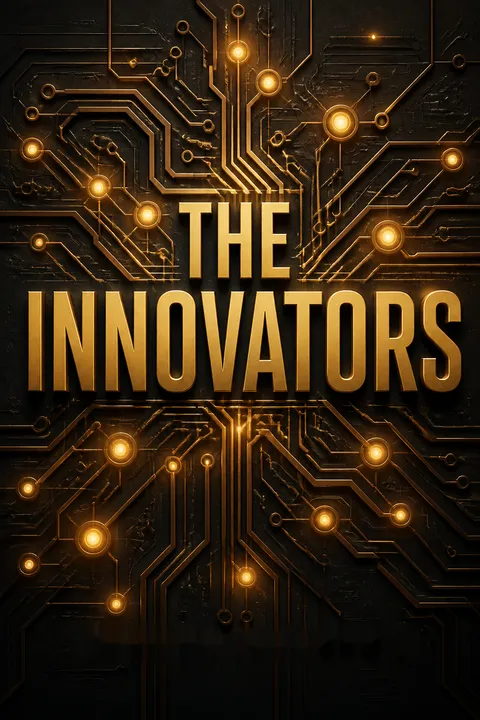

核心要点
1. 数字革命:协作创造与分布式创新
创新需要至少三样东西:一个伟大的想法,能够实现它的工程人才,以及将其转化为成功产品的商业智慧(加上谈判的胆识)。
协作创造力推动了数字革命。数字时代最重要的创新源自富有创造力的个人与懂得实现其想法的团队之间的互动。这种协作模式在贝尔实验室等机构中得到了充分体现,那里汇聚了多样化的人才,彼此紧密合作。
数字创新的关键要素包括:
- 拥有突破性想法的远见卓识者
- 能将概念变为现实的工程团队
- 商业头脑以实现创新的商业化和市场推广
- 促进偶然相遇与思想交流的环境
- 个人天赋与团队合作的平衡
数字时代由开源开发与专有系统之间的张力塑造,两种模式共同推动了技术的快速进步。
2. 艾达·洛芙莱斯:计算机编程的远见先驱
艾达看到了一个迷人理念的美丽与意义,她能够预见未来,机器将成为人类想象力的伙伴,共同编织出如雅卡尔织机般美丽的图案。
诗意科学是艾达·洛芙莱斯的独特贡献。作为拜伦勋爵的女儿,她将浪漫精神与严谨的数学教育结合,开创了对查尔斯·巴贝奇分析机的开创性研究。
艾达·洛芙莱斯的主要贡献:
- 编写了历史上第一段计算机程序
- 预见计算机不仅能处理数字,还能操作符号
- 构想计算机创作音乐与艺术的潜力
- 引入程序中的循环概念
- 对人工智能的局限提出质疑(洛芙莱斯夫人的反对)
她的工作奠定了现代计算概念的基础,展示了机器增强人类创造力与智慧的可能性。
3. 计算机的诞生:从机电到电子
创新是分阶段发生的。以晶体管为例,首先是由肖克利、巴丁和布拉顿领导的发明;接着是由蒂尔等工程师推动的生产;最后,同样重要的是企业家们发现了开拓新市场的方法。
渐进式进步与突破性飞跃共同构成了计算机的发展历程。从巴贝奇的分析机到首台电子计算机,众多发明家和机构贡献良多。
计算机发展的关键里程碑:
- ENIAC:首台通用电子计算机(1945年)
- 曼彻斯特婴儿机:首台存储程序计算机(1948年)
- EDVAC:引入存储程序概念(1949年)
- Whirlwind:首台具备视频显示的实时计算机(1951年)
从机电计算向电子计算的转变是关键转折点,使得处理速度更快、操作更复杂,为后续数十年的快速发展奠定基础。
4. 晶体管:电子革命与微型化的推动力
晶体管,这一新装置,很快成为数字时代的“蒸汽机”,推动工业革命的核心动力。
半导体物理学是晶体管诞生的基础。1947年,肖克利、巴丁和布拉顿在贝尔实验室发明晶体管,成为电子史上的重要里程碑。
晶体管的影响:
- 取代了笨重且耗电的真空管
- 实现了更小巧、更可靠的电子设备
- 为集成电路和微芯片铺平道路
- 促成硅谷及电子产业的兴起
- 推动计算能力呈指数级增长(摩尔定律)
晶体管的发明体现了协作研究的力量,以及理解基础物理对技术创新的重要性。
5. 微芯片:集成电路与数字时代的动力源
微处理器催生了数百家生产个人电脑硬件和软件的新公司。英特尔不仅开发了尖端芯片,还创造了激励风险投资创业公司变革经济、改造圣克拉拉谷杏园文化的氛围。
集成电路彻底革新了计算技术。20世纪50年代末,杰克·基尔比(德州仪器)和罗伯特·诺伊斯(仙童半导体)开发的微芯片为现代数字时代奠定了基础。
微芯片革命的关键方面:
- 电子元件的小型化
- 成本和功耗的大幅降低
- 促进个人电脑的发展
- 推动半导体产业的繁荣
- 数字设备在日常生活中的广泛普及
微芯片的影响超越技术本身,重塑了全球产业和经济,孕育了硅谷这一技术创新中心。
6. 电子游戏的崛起:技术与娱乐的融合
创新源于既有良好理论又有机会参与实现的群体。
互动娱乐成为新兴媒介。从早期的《太空战争》到商业成功的《乓》,电子游戏的发展展示了计算机提供引人入胜互动体验的潜力。
早期电子游戏的重要里程碑:
- 《太空战争》(1962年):首款广泛流行的电脑游戏
- Magnavox Odyssey(1972年):首款家用游戏机
- 《乓》(1972年):首款商业成功的街机游戏
- Atari 2600(1977年):普及了卡带式家用游戏
电子游戏在提升计算机的普及度和吸引力方面发挥了关键作用,推动了图形、用户界面和互动软件设计的进步。
7. 互联网:通过分散网络连接世界
互联网诞生于创造性协作与分布式决策的精神,其创始人致力于保护这一传统。这种精神深植于他们的个性,也融入互联网的基因。
分组交换技术构成了互联网的骨干。由J.C.R.利克莱德、鲍勃·泰勒和文特·瑟夫等远见者领导的ARPANET开发,为今日全球网络奠定基础。
互联网发展的关键理念:
- 分散式、分布式网络架构
- 分组交换实现高效数据传输
- TCP/IP协议保障网络通信
- 协作制定标准(RFC文档)
- 开放架构促进创新与成长
互联网的设计体现了其创造者对开放性、韧性和分布式控制的价值观,塑造了其作为全球通信与创新平台的未来。
8. 个人电脑:将计算能力带给大众
凡是用符号化概念思考的人(无论是英语、象形文字、形式逻辑还是数学),都应能显著受益。
用户友好界面实现了计算的民主化。由道格·恩格尔巴特和艾伦·凯等远见者推动的个人电脑发展,使计算机从机构工具转变为人人可用的个人设备。
个人计算的重要里程碑:
- 恩格尔巴特的“所有演示之母”(1968年):展示图形界面、超文本和鼠标
- Xerox Alto(1973年):首台图形用户界面计算机
- Apple II(1977年):首批成功的面向大众的个人电脑之一
- IBM PC(1981年):确立了商业计算标准
个人电脑赋能个体,革新了工作与交流,奠定了我们今日数字社会的基础。
9. 文化融合:反主流文化与网络文化的交汇
反主流文化对集中权威的蔑视,为整个个人电脑革命提供了哲学基础。
技术乌托邦主义源自文化融合。旧金山湾区反主流文化理念与技术创新的交汇,孕育了塑造个人计算和互联网精神的独特环境。
文化融合的要素:
- 嬉皮士的个人赋权与社区价值观
- 黑客伦理中的开放信息与动手精神
- 斯图尔特·布兰德的《全地球目录》作为文化桥梁
- LSD与意识扩展对计算机界面设计的影响
- 反体制态度推动分散式技术发展
这一文化大熔炉孕育了将技术视为个人解放与社会变革工具的愿景,影响了数字技术数十年的设计与目标。
读者评价
《创新者》被誉为一部内容丰富且引人入胜的数字革命史,涵盖了从艾达·洛芙莱斯到现代科技巨头的关键人物与重大进展。读者普遍赞赏艾萨克森对协作精神以及艺术与科学交汇推动创新的关注。有些人认为书中的技术细节较为复杂,而另一些读者则欣赏其深度的研究与叙事手法。总体来看,本书对于理解科技进步具有重要意义,尽管少数人批评其过于聚焦美国视角,且部分章节略显枯燥。
其他人还在读








常见问题
What's The Innovators about?
- Focus on Collaboration: The Innovators by Walter Isaacson explores the digital revolution as a collaborative effort, not the work of lone geniuses. It highlights teamwork and shared creativity in technological advancements.
- Historical Context: The book covers key figures from Ada Lovelace to the creators of the Internet, detailing their contributions and the social forces that shaped their innovations.
- Innovative Breakthroughs: Isaacson illustrates pivotal breakthroughs in computing, programming, and the Internet, showing how these developments transformed society.
Why should I read The Innovators?
- Insightful Perspective: The book challenges the myth of the lone inventor, emphasizing collaboration over individualism in the history of technology.
- Engaging Storytelling: Walter Isaacson's narrative style makes complex subjects accessible and interesting, with stories of innovators that are both inspiring and relatable.
- Understanding Modern Technology: By tracing the roots of the digital age, the book helps readers understand the technologies that shape our lives today.
What are the key takeaways of The Innovators?
- Collaboration is Key: Technological advancements are often the result of collaborative efforts rather than individual genius, highlighting the importance of teamwork.
- Interdisciplinary Approach: Combining different fields, such as science and the arts, fosters creativity, as exemplified by innovators like Steve Jobs.
- Historical Lessons: Understanding past collaborations can inspire new approaches to problem-solving in today’s technological landscape.
Who are some key figures discussed in The Innovators?
- Ada Lovelace: Considered the first computer programmer, her work on Babbage's Analytical Engine laid the groundwork for future computing.
- Alan Turing: His concept of the universal machine and code-breaking work during WWII were instrumental in modern computing.
- John von Neumann: His ideas on stored-program computers were crucial for the evolution of computing technology.
How does The Innovators address the role of women in technology?
- Highlighting Contributions: The book emphasizes the significant contributions of women in computing, such as the ENIAC programmers and Grace Hopper.
- Grace Hopper's Influence: Hopper's work in programming languages and compilers exemplifies the vital role women played in shaping the computing landscape.
- Cultural Shifts: Isaacson discusses how societal attitudes toward women in science and technology have evolved over time.
What role did Alan Turing play in the development of computing?
- Concept of the Universal Machine: Turing's theoretical work laid the foundation for modern computing by introducing the idea of a universal machine.
- Turing Test: His proposal of the Turing Test as a measure of machine intelligence remains a significant topic in AI discussions.
- Code-Breaking Contributions: Turing's work at Bletchley Park during WWII was crucial in breaking German codes, impacting the war effort.
How does The Innovators explain the development of the Internet?
- Interconnected Networks: The Internet emerged from military, academic, and corporate efforts, particularly through the ARPANET project.
- Packet Switching Concept: Developed by Paul Baran and Donald Davies, packet switching allowed for efficient data transmission across networks.
- Collaborative Innovation: The development of the Internet was a collaborative effort, with various researchers and engineers contributing to its evolution.
What is the significance of the transistor in The Innovators?
- Foundation of Modern Electronics: The transistor, invented at Bell Labs, replaced vacuum tubes and became the building block of modern electronic devices.
- Enabling the Digital Age: It paved the way for the digital revolution by allowing the creation of integrated circuits.
- Impact on Society: The widespread adoption of transistors transformed industries and everyday life, enabling advancements in communication and information processing.
How does The Innovators address the concept of "open-source"?
- Definition of Open-Source: Open-source refers to software that is available for anyone to use, modify, and distribute, crucial for collaborative projects like Linux.
- Community-Driven Innovation: Open-source projects thrive on community contributions, allowing for rapid innovation and improvement.
- Contrast with Proprietary Software: The book highlights the benefits of open collaboration in fostering creativity and technological advancement.
What is the "Cathedral and the Bazaar" concept mentioned in The Innovators?
- Two Models of Software Development: The "Cathedral" model is a top-down approach, while the "Bazaar" model emphasizes open collaboration.
- Preference for the Bazaar: The Bazaar model often leads to more innovative and robust software solutions, as seen in open-source projects.
- Implications for Innovation: Community involvement in the creative process can lead to better outcomes, highlighting the importance of diverse input.
What are the best quotes from The Innovators and what do they mean?
- “Innovation is not a solo act.”: This quote encapsulates the book's central theme that collaboration is essential for technological advancement.
- “The most imaginative innovators of our time turned disruptive ideas into realities.”: It underscores the role of creativity and imagination in transforming ideas into practical applications.
- “Machines can do whatever we know how to order them to perform.”: This quote from Ada Lovelace emphasizes the limitations of machines in terms of creativity and independent thought.
How does The Innovators illustrate the importance of storytelling in technology?
- Narrative as a Tool: Storytelling is essential for conveying complex technological ideas and making them accessible to a broader audience.
- Humanizing Technology: By sharing personal stories of innovators, the book humanizes technology, allowing readers to connect emotionally with the figures behind the advancements.
- Inspiring Future Generations: The narratives serve to inspire future innovators, showing how passion, creativity, and collaboration can lead to groundbreaking achievements.
关于作者
其他作品,作者: 沃尔特·艾萨克森








下载 PDF
下载 EPUB
.epub digital book format is ideal for reading ebooks on phones, tablets, and e-readers.








































