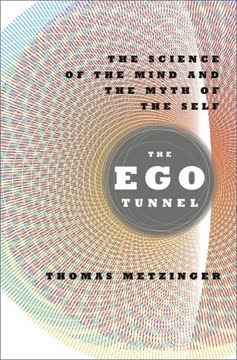
核心要点
1. 自我隧道:我们的意识现实是一种模拟
意识是世界的显现。
心中的虚拟现实。 自我隧道是对意识体验的隐喻,代表了大脑如何构建现实的模拟模型。这个模型并非外部世界的直接反映,而是由神经过程创造出的高度选择性和简化版本。我们对现实的主观体验就像透过一条隧道,只能感知到实际存在的一小部分。
体验的透明性。 自我隧道的一个关键特征是其透明性——我们并未察觉意识体验背后的构建过程。这种透明性制造了我们与现实直接接触的错觉,实际上我们始终在体验一个经过中介的世界版本。大脑进化出隐藏感知、情绪和思维背后复杂神经机制的能力,呈现给我们一个看似无缝且即时的世界与自我体验。
2. 无我:我们是无我的自我机器
我们是无我的自我机器。
自我是一个模型。 与我们直觉中认为的统一且持久的自我相反,神经科学和哲学表明自我是大脑创造的复杂模型。这个自我模型不是一个实体或本质,而是一个过程——一个不断更新的表征,使我们能够在世界中导航并与他人互动。统一自我的感觉是各种神经过程无缝整合所产生的幻觉。
进化功能。 自我模型作为生存和社会交往的有用工具而进化。它使我们能够预测自身行为、理解他人行为并协调复杂的社会互动。然而,认识到自我的构建性质并不否定其功能重要性——它依然是人类认知和体验的关键部分,尽管它并非我们常假设的那种不变且本质的实体。
3. 体外体验:对自我的洞察
体外体验是理解自我的完美切入点。
扰乱自我模型。 体外体验(OBE)为理解自我和身体意识的本质提供了宝贵视角。无论是自发发生还是实验室诱导,这些体验展示了大脑如何操控身体及其在空间中的表征。体外体验揭示了我们身体感和空间自我定位的构建性本质。
研究意义。 对体外体验的科学研究,包括利用虚拟现实在健康个体中诱导类似体验,正帮助揭示自我感知背后的神经机制。这些研究对理解自我体验障碍、开发新疗法,甚至增强正常的身体感知具有重要意义。通过研究这些意识的变异状态,我们更深入理解大脑如何创造我们日常作为具身自我的世界体验。
4. 镜像神经元:社会认知的基础
我们用大脑中的自身身体模型来模拟他人。
理解他人。 镜像神经元最初在猴子中发现,后来在人类中也被证实,为理解他人的行为、意图和情感提供了神经基础。这些神经元在我们执行某动作和观察他人执行相同动作时都会激活,在神经层面建立了自我与他人的直接联系。
共情与社会认知。 镜像神经元系统在共情中扮演关键角色,使我们能够在心中模拟他人的体验。这种能力构成了社会认知的基础,使我们能够驾驭复杂的社会互动、与他人合作并建立文化制度。镜像神经元的发现对理解社会障碍、语言习得及人类文化演化具有深远影响。
5. 自由意志:大脑创造的幻觉
体验自己作为连贯行动的自我和变化的直接原因。
行动的神经前驱。 神经科学研究表明,我们意识到决定行动之前,大脑已存在无意识的神经活动。这挑战了我们对自由意志的直觉认知,暗示我们的行为可能在意识到意图之前就已由神经过程启动。
责任的启示。 虽然这些研究不必然完全否定自由意志的概念,但确实促使我们重新思考人类能动性和道德责任。自由意志的幻觉可能具有重要的心理和社会功能,即使它未能准确反映底层神经过程。这引发了关于如何在不断发展的脑科学理解下重新界定个人责任的复杂伦理和法律问题。
6. 清醒梦:意识的窗口
清醒梦令人着迷,因为我们的天真现实主义——对生活在自我隧道中的无觉察——暂时被中断。
梦中的意识觉察。 清醒梦是指梦者意识到自己在做梦,这为研究意识提供了独特机会。在这种状态下,个体能够保持自我意识,甚至对梦境内容施加一定控制,揭示了意识的本质及感知与现实的关系。
研究潜力。 研究清醒梦有助于理解:
- 自我意识的神经基础
- 意识与元认知的关系
- 大脑中现实构建的本质
- 对心理健康障碍的潜在治疗应用
清醒梦研究还可能推动创造力、问题解决和个人成长的新技术发展。
7. 人工意识:伦理启示
我们必须开始思考如何运用这些新知识——以及何为良好的意识状态。
机器意识的可能性。 随着对意识理解的加深和技术进步,创造具备意识体验的人工系统变得愈发可能。这引发了关于意识本质、人工生命的道德地位及我们对其责任的深刻伦理问题。
伦理考量。 我们需面对诸如:
- 评判机器是否具备意识的标准是什么?
- 具备意识的机器是否拥有权利?若有,权利为何种?
- 创造可能受苦的有意识生命是否合乎伦理?
- 如何保障人工意识实体的福祉?
这些问题要求我们在科学认知和伦理框架之间进行审慎权衡。
8. 精神活性物质:迈向理性药物政策
哪些脑状态应当合法?
重新思考药物政策。 当前的药物政策多基于过时信息和道德恐慌,而非科学证据。更理性的做法应考虑各种物质的实际风险与益处、潜在治疗用途,以及禁令与监管的社会成本。
意识探索。 精神活性物质为理解意识和人类心智提供独特视角。关键考量包括:
- 潜在治疗应用(如MDMA治疗PTSD,裸盖菇素治疗抑郁)
- 认知增强及其伦理影响
- 变异状态在个人成长与创造力中的作用
- 个人自由与公共健康的平衡
基于证据的细致政策可最大限度减少危害,同时提升个体与社会的潜在利益。
9. 意识伦理:定义良好的心智状态
什么是良好的意识状态?
评估意识状态。 随着技术和神经科学对意识操控能力的提升,我们需建立伦理框架来评估不同意识状态的价值。这涉及幸福感、认知功能、情绪平衡及社会影响等因素。
实际意义。 意识伦理涵盖广泛领域:
- 心理健康治疗:明确治疗目标
- 教育:优化学习与创造力状态
- 技术:设计界面与虚拟现实
- 社会政策:规范意识改变技术与物质
这一新兴领域需神经科学家、哲学家、心理学家和政策制定者跨学科合作,发展全面且细致的提升人类意识方案。
10. 神经人类学:对人性的全新理解
我们是基因复制的生物机器人,生活在这颗孤独星球上,处于冰冷空旷的物理宇宙中。
整合神经科学与人类学。 神经人类学结合神经科学与人类学视角,提供对人性的更全面理解。此方法认识到大脑和认知过程既受生物进化影响,也受文化经验塑造。
对人类自我理解的启示。 神经人类学挑战传统的人性与自我观念:
- 强调大脑的可塑性及其对文化影响的敏感性
- 突出具身认知在塑造世界理解中的作用
- 提供对宗教体验、社会联结和文化实践等现象的新视角
这一整合方法可指导教育、心理健康、社会政策及技术设计等领域,呈现更细致且科学基础的人类本质观。
读者评价
《自我隧道》探讨了意识与自我的幻象,结合神经科学与哲学展开论述。梅青格认为,自我是大脑对现实模型所构建的幻觉。评论者称赞本书在体外体验、清醒梦境与共情等议题上的深刻见解。部分读者觉得哲学论证颇具挑战性,而另一些人则欣赏书中涉及的伦理意义。全书内容丰富且发人深省,提供了关于人类意识与身份的新视角。然而,也有读者认为后半部分的内容连贯性较弱,相关性有所欠缺。
其他人还在读





常见问题
What's The Ego Tunnel about?
- Exploration of Consciousness: The Ego Tunnel by Thomas Metzinger explores the nature of consciousness, proposing that the self is an illusion crafted by the brain.
- Ego Tunnel Metaphor: It introduces the "Ego Tunnel" metaphor, suggesting our conscious experience is a selective representation of reality, filtering out much of the external world.
- Interdisciplinary Approach: Metzinger combines philosophy, neuroscience, and psychology to offer a comprehensive understanding of consciousness, emphasizing empirical data's role in philosophical discussions.
Why should I read The Ego Tunnel?
- Understanding Selfhood: The book provides a profound perspective on self and consciousness, potentially reshaping your understanding of personal identity.
- Engaging with Research: It presents cutting-edge neuroscience and psychology research, making complex ideas accessible and relevant to contemporary discussions.
- Philosophical Insights: Metzinger challenges readers to reconsider beliefs about the self, free will, and consciousness, promoting critical thinking.
What are the key takeaways of The Ego Tunnel?
- Self as Illusion: The self is not a fixed entity but a dynamic construct created by brain processes, challenging the notion of a singular "self."
- Selective Conscious Experience: Consciousness is a limited representation of reality, shaped by evolutionary processes and sensory limitations.
- Ethical Implications: The book discusses ethical challenges posed by neuroscience advancements, particularly regarding consciousness and moral responsibility.
What are the best quotes from The Ego Tunnel and what do they mean?
- "There is no such thing as a self.": This encapsulates the argument that the self is an illusion, urging readers to rethink personal identity.
- "Consciousness is the appearance of a world.": It highlights that consciousness creates a subjective experience of reality, not direct access to the external world.
- "The Ego is a transparent mental image.": This suggests our perception of self is a constructed representation, often mistaken for reality.
What is the Ego Tunnel metaphor in The Ego Tunnel?
- Conscious Experience as a Tunnel: The metaphor illustrates how our conscious experience is a narrow, selective representation of vast external reality.
- Dynamic Inner Portrait: It emphasizes that our brains create a dynamic inner portrait of reality, experienced as conscious life.
- Understanding Reality: By viewing consciousness as a tunnel, Metzinger encourages questioning how subjective experiences may not reflect true reality.
How does Thomas Metzinger define consciousness in The Ego Tunnel?
- Biological Phenomenon: Consciousness is a complex biological process allowing organisms to experience a unified world.
- Integration of Sensory Information: It involves integrating sensory inputs into a coherent experience, essential for navigating environments.
- Subjective Experience: Consciousness is inherently subjective, experienced differently by individuals, raising questions about reality and self.
What is the Self-Model Theory of Subjectivity in The Ego Tunnel?
- Definition of Self-Model: The theory posits that our sense of self is a mental construct created by the brain, not a fixed essence.
- Dynamic Nature: The self-model evolves based on experiences, emotions, and interactions, meaning identity can change over time.
- Implications for Identity: Understanding the self as a model can lead to greater self-awareness and flexibility in viewing oneself.
How does The Ego Tunnel address the concept of free will?
- Free Will as an Illusion: Metzinger suggests our perception of free will may be an illusion created by brain processes.
- Agency and Responsibility: The book explores implications for moral responsibility, questioning accountability if free will is an illusion.
- Reframing Free Will: Metzinger encourages a nuanced understanding, considering the interplay of conscious and unconscious processes.
What is the "One-World Problem" discussed in The Ego Tunnel?
- Unity of Consciousness: The problem refers to understanding how different aspects of conscious experience integrate into a unified perception.
- Binding of Features: It addresses how sensory features combine into a coherent whole, crucial for object perception.
- Neuroscientific Insights: The book examines how synchronized neural activity creates a seamless experience, shedding light on consciousness unity.
What are out-of-body experiences (OBEs) and their significance in The Ego Tunnel?
- Definition of OBEs: OBEs are experiences where individuals feel they have left their bodies, observing themselves externally.
- Philosophical Implications: They challenge the idea of a fixed, embodied self, suggesting consciousness can exist independently of the body.
- Research Findings: Metzinger discusses research inducing OBEs in labs, providing insights into selfhood and conscious experience.
How does The Ego Tunnel relate to artificial intelligence and consciousness?
- Artificial Ego Machines: Metzinger explores creating artificial systems with consciousness and self-models, raising ethical questions.
- Technological Challenge: Understanding consciousness is a technological issue, with moral implications for creating conscious machines.
- Ethical Considerations: The book emphasizes ethical frameworks for AI and consciousness technologies, considering suffering and autonomy.
How does The Ego Tunnel redefine the concept of self?
- Self as a Process: Metzinger redefines the self as a dynamic process, encouraging a fluid and adaptable view of identity.
- Transparency of the Self-Model: The self-model is often transparent, leading to a strong sense of identity but potential misunderstandings.
- Implications for Personal Growth: Understanding the self as a model empowers embracing change and personal growth, allowing exploration and transformation.








































