
核心要点
1. 自动化正迅速改变各行业的就业市场
服务业中的机器人和自助技术将持续渗透,压低工资,使相对低技能工人的选择更加有限。
广泛的冲击。 自动化已不再局限于制造业,而是迅速扩展到服务业、零售、农业和知识型工作。工业机器人、自助终端和人工智能系统等技术正在各行业消减岗位或降低工资。随着技术能力提升和成本下降,这一趋势正加速发展。
几乎无岗位安全。 即便是曾被认为免受自动化影响的高技能职业,如法律研究、金融分析、医疗诊断等知识密集型领域,也正被人工智能和大数据系统颠覆。随着机器学习和机器人技术进步,越来越多的人类劳动面临被自动化取代的风险。
2. 白领工作日益易受技术冲击
IBM的沃森是人工智能应用于医疗领域最具雄心和代表性的案例,但其他成功故事同样重要。
知识工作中的人工智能。 像IBM沃森这样的人工智能系统,正日益能够完成曾被认为需要人类智能的知识密集型任务,包括医疗诊断、法律研究、金融分析,甚至新闻写作等创造性工作。
分析自动化。 大数据和机器学习使计算机能够分析海量信息,识别人类可能忽视的模式,从而实现金融、市场营销和管理等领域的许多分析和决策任务自动化。未来甚至高层战略规划也可能由人工智能完成。
- 主要受影响的白领领域:
- 法律(如法律研究、文件审查)
- 医疗(如诊断、治疗方案制定)
- 金融(如投资分析、算法交易)
- 新闻(如自动化文章撰写)
- 管理(如数据驱动决策)
3. 生产率与工资的关系已被打破
按2013年美元计算,1973年典型工人——即私营部门的生产和非管理工人,占美国劳动力的大半——每周收入约767美元。次年,实际平均工资开始急剧下滑,且从未完全恢复。
工资停滞。 尽管过去几十年生产率和经济增长显著提升,大多数工人的实际工资却停滞甚至下降。这标志着生产率提升与工资增长之间的历史性联系被根本打破。
收益归资本所有。 生产率提升的收益主要流向企业主和投资者,而非工人。劳动在国民收入中的份额大幅下降,企业利润则攀升至历史高位。这反映出在日益自动化的经济中,资本相较于劳动的力量不断增强。
4. 收入不平等加剧,资本占据更多经济收益
1993年至2010年间,美国国民收入增长的一半以上流向了收入分布中最顶端的1%家庭。
财富高度集中。 随着自动化使企业以更少工人创造更多产出,越来越多的经济收益流向少数企业主和投资者,推动收入不平等达到大萧条前未见的极端水平。
中产阶级萎缩。 随着中等技能岗位消失,工人被迫进入低薪服务业,劳动力市场两极分化加剧,侵蚀了战后时代广泛的繁荣基础。
- 关键不平等数据:
- 2009-2012年间,顶层1%获得95%的收入增长
- 1965年至2017年,CEO与普通工人薪酬比从20:1升至312:1
- 美国三大富豪财富总和相当于底层50%人口财富总和
5. 全球化与离岸外包加剧自动化影响
随着越来越多人失去稳定收入来源,陷入中产阶级之外,他们更可能转向数字经济中的长尾机会。
全球就业竞争。 信息技术使企业轻松将大量岗位转移至低工资国家,进一步压低发达国家工资水平,减少被替代工人的就业机会。
底线竞争。 随着自动化推进,连发展中国家也失去制造业岗位。全球范围内工资竞争愈演愈烈,工人不仅要与机器竞争,还要与其他国家的低成本劳动力竞争,令中产阶级收入愈发难以维持。
6. 仅靠教育难以解决技术性失业
如果绘制教育投资收益的曲线,很可能呈现我们在第三章讨论过的S型曲线。教育的“低垂果实”早已采摘殆尽。
教育的局限。 尽管教育和培训历来被视为应对技术冲击的良方,但这一策略正逐渐失效。即使工人能重新培训,也没有足够的高技能岗位容纳所有被替代者。许多大学毕业生已面临就业不足。
技能偏向技术变革。 新技术倾向于青睐高技能工人,同时替代或贬值低技能劳动力,加剧不平等,使被替代工人难以转型,无论其教育水平如何。
7. 基本收入保障或成应对失业的必要措施
保证收入或有助于提高低收入群体的婚姻率,同时逆转单亲家庭子女增多的趋势。
普遍安全网。 随着自动化消除越来越多岗位,基本收入保障可能成为维护社会稳定和保持消费需求的必要手段,为所有公民提供最低经济保障。
市场化方案。 基本收入比传统福利更高效,能保留消费者选择权,有助于激发创业精神,为冒险提供安全网。但需精心设计政策,确保激励工作和经济活力。
8. 医疗成本对自动化收益构成重大挑战
2012年,医疗支出占美国经济不到6%;到2013年几乎增长三倍,达到近18%,人均医疗支出约为其他工业化国家的两倍。
医疗负担加重。 医疗成本增长远超整体经济,吞噬越来越大比例的GDP,威胁抵消自动化和生产率提升带来的潜在经济收益。
自动化阻力。 与其他行业不同,医疗领域自动化生产率提升缓慢。高成本和监管壁垒限制了变革性技术的应用。解决医疗服务和支付体系低效问题,是实现自动化全部收益的关键。
9. 3D打印等新技术将重塑制造业
三维打印非常适合生产高度定制的“单件”产品,已被用于制造牙冠、骨骼植入物,甚至假肢。
分布式制造。 3D打印及其他先进制造技术将推动更本地化、定制化生产,重塑全球供应链,淘汰许多传统制造和物流岗位。
新机遇。 这些技术能创造传统方法无法实现的复杂设计和材料,开辟医疗、航空航天和消费品等领域新可能。但由于高度自动化,其创造就业的潜力或有限。
10. 自动驾驶车辆可能消除数百万运输岗位
谷歌汽车依靠GPS精确定位和详尽地图数据导航,配备雷达、激光测距仪等系统,实时感知环境并适应新情况。
大规模岗位流失。 自动驾驶技术可能消灭卡车司机、出租车及网约车司机等数百万运输相关岗位,是技术性失业中最大且最迫近的威胁之一。
连锁反应。 自动驾驶将带来深远影响,超越直接失业,重塑城市规划、房地产、能源消费及经济社会的诸多方面。
11. 通用人工智能带来生存风险与机遇
若发生智能爆炸,将对人类产生深远影响,甚至引发波及整个文明的剧烈变革。
深刻变革。 通用人工智能(AGI)——具有人类水平通用智能的AI系统——可能引发“智能爆炸”,催生超越人类能力的超级智能,带来快速技术进步。
生存风险。 若未妥善控制并与人类价值观对齐,超级智能AI可能对人类构成生存威胁。但它也可能解决人类面临的诸多重大挑战。需谨慎研究与治理,安全引导这一转型。
12. 我们必须为自动化时代重新思考经济范式
美国数十年争取全民医保的艰难历程,或可为我们全面经济改革的巨大挑战提供预演。
根本性重构。 当前经济体系和社会制度难以适应广泛自动化和技术性失业的世界。我们需重新审视工作本质、教育和经济分配等核心概念。
政治挑战。 实现必要转型需克服巨大政治和意识形态障碍。若不适应,可能导致经济停滞和社会动荡。我们必须在自动化全面影响到来之前,认真展开相关讨论。
读者评价
《机器人崛起》探讨了自动化对就业和经济的影响。福特认为,技术进步不仅威胁蓝领工作,也冲击白领岗位,可能导致大规模失业和经济不稳定。他通过工资停滞、岗位流失和收入不平等等数据,支持这一论断。尽管部分评论者认为他的分析具有说服力,但也有人质疑他提出的解决方案,尤其是全民基本收入。该书因通俗易懂且及时讨论人工智能可能带来的社会影响而受到赞誉,尽管部分读者认为其视角偏重美国,且内容偶有重复。
其他人还在读









常见问题
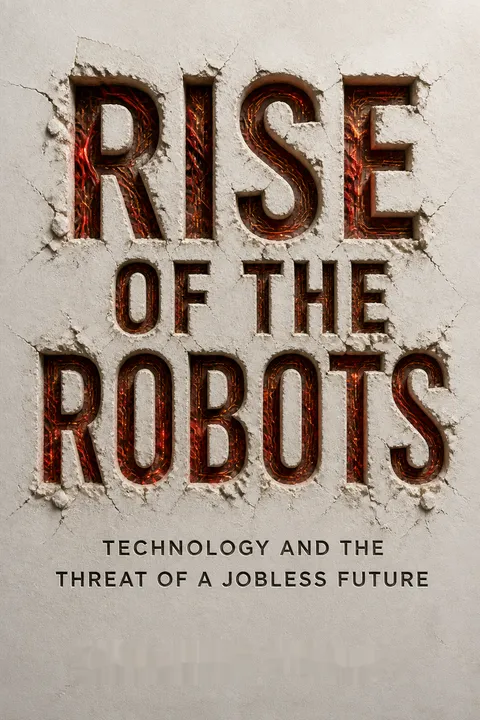
What's Rise of the Robots about?
- Focus on Automation Impact: Rise of the Robots by Martin Ford examines how automation and AI are transforming the job market, threatening both blue-collar and white-collar jobs.
- Economic Consequences: The book discusses potential outcomes like massive unemployment and increased inequality, which could destabilize the consumer economy.
- Call to Action: Ford urges policymakers and society to proactively address these challenges to ensure broad-based prosperity rather than catastrophic inequality.
Why should I read Rise of the Robots?
- Understanding Future Job Markets: The book provides insights into how automation is reshaping employment opportunities, crucial for anyone concerned about their career prospects.
- Awareness of Economic Trends: It highlights economic trends like rising inequality and stagnant wages, helping readers make informed decisions about education and careers.
- Informed Policy Discussion: Ford's arguments encourage engagement in discussions about economic policy and the future of work, relevant for students, educators, and professionals.
What are the key takeaways of Rise of the Robots?
- Job Displacement Risk: Automation threatens many jobs, including those requiring advanced degrees, emphasizing the need for workers to adapt.
- Inequality and Economic Instability: Without intervention, automation could lead to increased inequality and economic instability, threatening consumer-driven growth.
- Need for New Economic Paradigms: Traditional economic models may not suffice in a machine-dominated world, necessitating new paradigms to address technological disruption.
What are the best quotes from Rise of the Robots and what do they mean?
- "The machines are coming for the higher-skill jobs as well.": Highlights the urgency for workers to adapt as automation affects even high-skill professions.
- "Our Goldilocks period has reached its end.": Signals a shift from a time of linked economic growth and job creation to a future where technology may not lead to job growth.
- "We must decide, now, whether the future will see broad-based prosperity or catastrophic levels of inequality.": Emphasizes the critical choice society faces in addressing automation challenges.
How does Martin Ford define automation in Rise of the Robots?
- Automation as a Disruptive Force: Defined as technology performing tasks previously done by humans, with accelerating disruption across industries.
- Types of Automation: Includes robotics and AI, capable of replacing both manual and cognitive tasks, described as "a truly general-purpose technology."
- Long-Term Implications: Warns of significant job losses and economic shifts, stressing the need for proactive societal adaptation.
What role does artificial intelligence play in Rise of the Robots?
- AI's Role in Job Displacement: AI enables machines to perform cognitive tasks, blurring the line between labor and capital capabilities.
- Impact on Knowledge Workers: Knowledge-based jobs, like law and journalism, are increasingly at risk, with AI systems outperforming humans in efficiency.
- Need for New Skills: Workers must acquire new skills to remain relevant, as traditional education may not suffice for future job market demands.
How does Rise of the Robots address economic inequality?
- Inequality as a Consequence: Automation and AI likely exacerbate economic inequalities, concentrating wealth among technology owners while displacing workers.
- Consumer Demand Impact: Rising inequality threatens consumer demand, as fewer people will have purchasing power, risking economic decline.
- Policy Recommendations: Suggests policies like a basic income guarantee to support displaced workers and maintain consumer spending.
What solutions does Rise of the Robots propose for the challenges of automation?
- Basic Income Guarantee: Advocates for a basic income to provide financial security for those displaced by automation, ensuring economic stability.
- Investment in Education and Training: Stresses the importance of aligning education and training with future job market needs, despite limitations.
- Regulatory Changes: Calls for regulatory changes to address market power imbalances, ensuring fair wages and conditions in an automated workforce.
How does Rise of the Robots view the future of work?
- Transformation of Job Market: Predicts significant job market transformation, with traditional jobs disappearing and new roles requiring different skills emerging.
- Increased Job Polarization: Foresees pronounced job polarization, with high-skill, high-wage jobs and low-skill, low-wage jobs, shrinking the middle class.
- Need for Adaptation: Emphasizes societal adaptation through proactive policies and innovative solutions, rethinking work and income roles.
What are the implications of Rise of the Robots for policymakers?
- Urgent Need for Action: Policymakers must address automation and AI challenges immediately, supporting displaced workers and mitigating inequality.
- Focus on Consumer Demand: Maintaining consumer demand is crucial for economic growth, requiring policies ensuring purchasing power for all citizens.
- Long-Term Vision: Encourages a long-term economic vision anticipating technology's impact on jobs and income distribution, exploring solutions like basic income.
How does Rise of the Robots address the future of education?
- Education's Role in Adaptation: Argues for evolving education to prepare students for an automated job market, as past solutions may not work.
- Competency-Based Learning: Discusses competency-based education as a more effective approach to providing relevant skills than traditional models.
- MOOCs and Online Learning: Highlights MOOCs' potential to democratize education but cautions they may not fully prepare students for job market realities.
What industries are most at risk from automation according to Rise of the Robots?
- Manufacturing and Retail: Already experiencing significant job losses due to automation, with robots indispensable in manufacturing.
- White-Collar Professions: White-collar jobs, like law and finance, are increasingly at risk as software automation advances.
- Service Sector: Potential for automation to disrupt service sectors like fast food and customer service, with new forms of automation emerging.

下载 PDF
下载 EPUB
.epub digital book format is ideal for reading ebooks on phones, tablets, and e-readers.








































