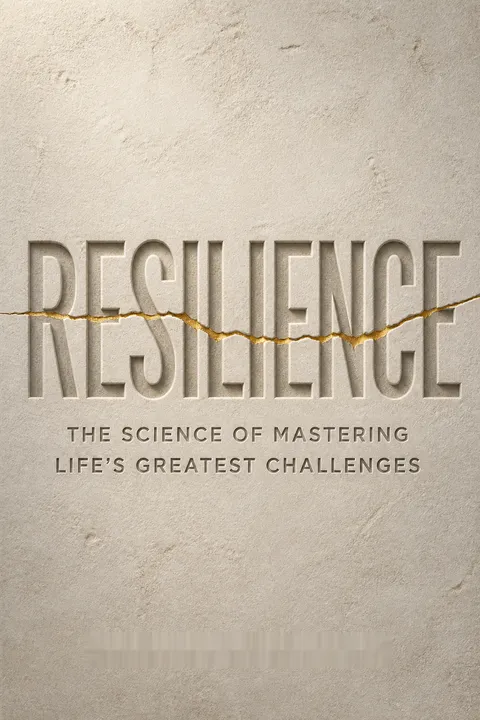

核心要点
1. 韧性是一种可学习的技能,而非与生俱来的特质
“韧性普遍存在(Masten,2001)。我们身边随处可见,且大多数人都能通过学习和训练加以提升。”
韧性的定义。 韧性指的是在遭遇困难后能够“反弹”的能力,表现为在逆境、创伤、悲剧、威胁或重大压力源面前良好适应的能力。与普遍认知相反,韧性并非少数人独有的稀有品质。
韧性的组成要素。 研究发现,韧性由多个因素共同构成:
- 现实乐观
- 直面恐惧
- 拥有道德指南
- 寻找生命意义
- 社会支持
- 韧性榜样
- 身体健康
- 大脑健康
- 认知与情绪灵活性
韧性的培养。 像任何技能一样,韧性可以通过练习和有意识的努力来发展,包括:
- 从过去经验中学习
- 培养解决问题的能力
- 建立自信
- 加强社会联系
- 培养积极心态
- 关注身心健康
2. 乐观助力韧性,且可被培养
“乐观是点燃韧性的燃料,为其他韧性因素提供动力。”
乐观的力量。 乐观的人通常能够:
- 更好地应对逆境
- 拥有更佳的身心健康
- 更快从挫折中恢复
- 在挑战面前坚持不懈
现实乐观。 有效的乐观并非盲目积极,而是承认困难的同时保持对积极结果的希望。这包括:
- 认识挑战
- 关注可控因素
- 在逆境中寻找机遇
- 保持克服障碍的信心
培养乐观。 发展更乐观心态的策略包括:
- 练习感恩
- 挑战消极自我对话
- 关注解决方案而非问题
- 与积极影响的人为伍
- 庆祝小胜利
- 从挫折中学习而非沉溺其中
3. 直面恐惧塑造心理韧性
“绕开恐惧的最好方法是穿越它。要征服恐惧,必须面对恐惧。”
理解恐惧。 恐惧是人类的自然情绪,具有保护作用。但当恐惧过于强烈或持续存在时,会阻碍个人成长和韧性。
直面恐惧的益处:
- 增强自信
- 随时间减少焦虑
- 扩大舒适区
- 培养解决问题的能力
- 提升自我觉察
面对恐惧的策略:
- 逐步暴露于恐惧情境
- 发展应对技巧和放松方法
- 重塑恐惧思维
- 设定小而可实现的目标
- 寻求他人支持
- 学习克服类似恐惧的榜样
坚持的重要性。 克服恐惧往往是一个渐进过程,需要持续努力和练习。每次面对恐惧,它都会变得稍微不那么可怕,从而逐步增强心理韧性。
4. 坚定的道德指南引领韧性个体
“坚守自身的道德指南与韧性常常密不可分。”
道德指南的定义。 道德指南是指个体内在的对错感,指导其决策和行为,涵盖个人价值观、伦理和原则。
坚定道德指南的益处:
- 在困境中提供清晰方向
- 增强决策能力
- 建立自尊与诚信
- 培养信任关系
- 赋予人生目标和方向感
道德指南的培养:
- 明确核心价值观
- 反思个人经历
- 学习伦理框架与哲学
- 寻求受人尊敬的导师指导
- 在日常生活中践行伦理决策
韧性与道德。 坚定的道德指南能增强韧性,通过:
- 在困境中提供意义感
- 指导挑战中的行为
- 培养独立于外界环境的自我价值感
- 连接更大的人生使命
5. 灵性与信仰在逆境中提供力量
“对一些幸存者而言,信仰在创伤后恢复过程中扮演了核心角色。”
灵性韧性。 灵性和信仰在艰难时刻能成为强大的力量和慰藉,表现为:
- 对更高力量的信仰
- 与超越自我的联系
- 生命意义感
- 祈祷、冥想或仪式等实践
灵性对韧性的益处:
- 提供安慰与希望
- 构建理解痛苦的框架
- 培养社区感和支持
- 鼓励宽恕与接纳
- 促进积极应对策略
培养灵性韧性:
- 探索个人信仰与价值观
- 参与灵性实践
- 与志同道合者建立联系
- 学习灵性或哲学著作
- 寻找服务他人或贡献更大事业的方式
个人意义的重要性。 灵性极具个人色彩,个体可在多种灵性或哲学信仰中找到力量,不必局限于有组织的宗教。
6. 社会支持是克服挑战的关键
“要在这个世界上茁壮成长,人们需要他人。”
连接的力量。 稳固的社会联系对韧性至关重要,提供:
- 情感支持
- 实际帮助
- 多元视角
- 归属感
- 动力与鼓励
社会支持的类型:
- 家庭与亲密朋友
- 职业网络
- 社区团体
- 支持小组
- 导师与榜样
构建支持网络:
- 培养现有关系
- 寻找新连接
- 加入兴趣相关团体或组织
- 参与志愿服务或社区活动
- 乐于给予与接受支持
克服孤立。 在压力或创伤时期,人们可能倾向于退缩,积极主动地保持联系对韧性和恢复至关重要。
7. 榜样激励并引导韧性行为
“我们采访的所有韧性个体都有榜样,其信念、态度和行为激励着他们。”
榜样的影响。 榜样提供:
- 激励与动力
- 克服逆境的范例
- 有效应对策略的指导
- 可能性的愿景
榜样的类型:
- 个人熟人(家人、朋友、导师)
- 历史人物
- 公众人物或名人
- 虚构角色
- 日常英雄
向榜样学习:
- 识别值得钦佩的品质
- 研究其应对挑战的方法
- 将其策略适应自身情况
- 尽可能寻求直接指导
成为榜样。 随着韧性的提升,个体也能成为他人的榜样,形成积极的激励与支持循环。
8. 身体健康提升心理韧性
“身体训练和克服身体挑战也能改善情绪、认知和情绪韧性。”
身心联系。 身体健康通过以下方式促进心理韧性:
- 改善情绪,减轻压力
- 增强认知功能
- 提升自信
- 改善睡眠与精力
- 强化应对压力的能力
运动对韧性的益处:
- 释放内啡肽,减轻焦虑和抑郁
- 提高专注力
- 培养纪律与毅力
- 提供健康的情绪宣泄途径
- 增强整体健康,降低压力相关疾病风险
将健身融入韧性训练:
- 设定可实现的健身目标
- 规律进行体育活动
- 尝试新的身体挑战
- 利用运动管理压力
- 结合社交支持(如团队运动、健身课程)
9. 认知灵活性助力适应变化
“韧性者往往思维灵活——对挑战的看法灵活,情绪反应也灵活。”
认知灵活性的定义。 指根据变化的情境调整思维和行为的能力,包括:
- 多角度思考
- 适应新信息
- 必要时调整策略
- 重塑负面情境
认知灵活性的益处:
- 改善解决问题能力
- 减轻压力与焦虑
- 增强创造力
- 改善人际关系
- 提高应对不确定性的能力
培养认知灵活性:
- 练习正念
- 挑战自动化思维
- 寻求新体验
- 从错误中学习
- 培养好奇心与开放心态
情绪灵活性。 除认知灵活外,情绪灵活性指根据情境适当调节情绪,而非僵化反应。
10. 寻找意义与目标促进创伤后成长
“韧性个体和群体不会将自己视为无意义命运的受害者,而是寻找更易理解的方式诠释不幸,从而保护自己免于被当前困难压垮。”
创伤后成长。 许多韧性者不仅从创伤中恢复,还因此获得个人成长,包括:
- 更加珍惜生命
- 关系更加稳固
- 发现新可能
- 增强个人力量
- 灵性发展
从逆境中创造意义:
- 反思所学教训
- 识别经历中展现的个人优势
- 寻找帮助经历类似挑战者的方式
- 重新定义个人价值观和优先级
- 发展新的生活目标
自主性的意义。 虽然个体无法控制所经历的创伤事件,但可以选择如何回应及赋予其意义。
培养目标感:
- 参与符合个人价值的活动
- 设定有意义的目标
- 投身于超越自我的事业
- 寻求个人成长机会
- 分享故事以激励他人
读者评价
《韧性》一书评价褒贬不一,平均评分为3.93分(满分5分)。支持者称赞其科学方法、详实研究以及激励人心的创伤克服故事;批评者则认为内容重复,可能引发不适,且缺乏实用练习。一部分读者欣赏其学术严谨与通俗易懂的结合,另一些人则觉得过于临床化或带有美国文化色彩。书中对十种韧性因素的探讨——包括乐观、社会支持和寻找意义——引起了许多读者的共鸣,帮助他们理解并培养面对生活挑战时的韧性。
其他人还在读










常见问题
1. What is Resilience: The Science of Mastering Life's Greatest Challenges by Steven M. Southwick about?
- Comprehensive study of resilience: The book explores how individuals adapt and thrive after experiencing severe stress, trauma, or adversity.
- Interviews and real-life stories: It draws on interviews with Vietnam POWs, Special Forces instructors, trauma survivors, and resilient civilians to illustrate key concepts.
- Scientific and practical approach: Southwick integrates neuroscience, psychology, and practical advice to explain the mechanisms and strategies behind resilience.
- Focus on growth and meaning: The book emphasizes optimism, moral compass, social support, and finding purpose as central pillars of resilience.
2. Why should I read Resilience: The Science of Mastering Life's Greatest Challenges by Steven M. Southwick?
- Learn from inspiring examples: The book shares powerful stories of people who overcame extreme adversity, making the lessons relatable and motivating.
- Evidence-based strategies: It provides scientifically supported methods for building resilience, such as physical fitness, brain training, and mindfulness.
- Holistic understanding: Readers gain insight into the interplay of biology, psychology, spirituality, and social factors in resilience.
- Practical application: The advice is actionable, helping readers apply resilience strategies to family, work, and community life.
3. What are the key takeaways from Resilience: The Science of Mastering Life's Greatest Challenges by Steven M. Southwick?
- Resilience is multidimensional: It involves psychological, neurobiological, social, and spiritual factors that interact dynamically.
- Resilience can be learned: The book offers practical, research-backed strategies to develop resilience in everyday life.
- Ten core factors: Southwick identifies ten key resilience factors, including optimism, facing fear, moral compass, and meaning.
- Growth through adversity: The book highlights that adversity, when approached constructively, can lead to personal growth and deeper meaning.
4. What are the 10 key resilience factors identified by Steven M. Southwick in Resilience?
- Optimism: Cultivating a hopeful, realistic outlook on the future.
- Facing fear: Learning to confront and manage fear through exposure and support.
- Moral compass and altruism: Developing ethical strength and helping others during adversity.
- Religion and spirituality: Drawing on faith, meditation, and spiritual practices for strength.
- Social support: Building strong, reciprocal relationships for emotional and practical help.
- Role models: Learning adaptive behaviors from resilient individuals.
- Physical training: Using exercise to enhance physical and mental toughness.
- Brain fitness: Challenging the mind through cognitive training and mindfulness.
- Cognitive and emotional flexibility: Adapting to change, reframing adversity, and using humor.
- Meaning, purpose, and growth: Finding or creating meaning in hardship and experiencing posttraumatic growth.
5. How do Steven M. Southwick and Dennis S. Charney define resilience in Resilience?
- Bouncing back from adversity: Resilience is the ability to adapt well in the face of trauma, tragedy, or significant stress.
- Dynamic and context-dependent: It can vary across life domains and change over time.
- Measured by scales: Tools like the Connor–Davidson Resilience Scale assess traits such as optimism and emotional flexibility.
- Not a fixed trait: Resilience is a process that can be developed and strengthened.
6. How does Resilience by Steven M. Southwick explain the role of optimism in overcoming adversity?
- Optimism as a protective factor: Optimists have better mental and physical health, recover more effectively from trauma, and live longer.
- Realistic optimism: The book emphasizes acknowledging challenges while focusing on what can be controlled and finding opportunities for growth.
- Neuroscience basis: Optimism is linked to brain regions that process reward and positive emotions, and can be cultivated through cognitive-behavioral techniques.
- Health benefits: Optimism is associated with lower rates of depression and cardiovascular disease.
7. What practical advice does Steven M. Southwick offer for facing and managing fear in Resilience?
- View fear as a guide: Fear signals danger but can be harnessed to motivate preparation and action.
- Focus on goals: Concentrate on mission-critical tasks rather than catastrophizing.
- Use social and spiritual support: Facing fear with trusted friends or spiritual practices enhances coping.
- Practice exposure and skills training: Gradual exposure to feared situations and mastering relevant skills reduce fear responses.
8. How does Resilience by Steven M. Southwick describe the importance of a moral compass, ethics, and altruism in resilience?
- Moral compass as strength: A strong sense of right and wrong provides a foundation for resilience, especially during extreme stress.
- Altruism benefits: Helping others supports the community and enhances the helper’s mental health and resilience.
- Role of moral courage: Stories like Admiral James Stockdale’s show how adherence to personal values aids survival.
- Ethical behavior as motivation: Acting ethically provides meaning and motivation during adversity.
9. What role do religion and spirituality play in resilience according to Steven M. Southwick?
- Spirituality as core strength: Many resilient individuals draw on faith and spiritual practices for meaning and hope.
- Diverse expressions: The book distinguishes between organized religion and personal spirituality, highlighting practices like prayer and meditation.
- Health and well-being: Religious involvement is linked to better mental and physical health, though negative religious coping can be harmful.
- Community support: Spiritual communities often provide vital social support during hardship.
10. How is social support portrayed as a critical factor in resilience in Resilience by Steven M. Southwick?
- Human need for connection: Strong social bonds provide emotional support and reduce stress.
- Examples from POWs: The Tap Code used by Vietnam POWs illustrates how communication sustains hope and survival.
- Giving and receiving: Both receiving and giving support are vital for well-being and longevity.
- Protective effects: Social support protects against mental and physical illness.
11. What does Steven M. Southwick say about the benefits of physical and brain fitness for resilience in Resilience?
- Physical fitness enhances resilience: Regular exercise improves mood, cognition, and emotional toughness.
- Stress inoculation: Gradually increasing physical challenges builds mental and physical toughness.
- Neurobiological effects: Exercise boosts mood-enhancing chemicals and protects the brain from stress.
- Brain fitness: Cognitive training and mindfulness strengthen mental flexibility and coping skills.
12. How does Resilience by Steven M. Southwick describe the role of meaning, purpose, and growth in overcoming adversity?
- Meaning as a source of strength: Having a sense of purpose helps individuals endure hardship.
- Posttraumatic growth: Trauma can lead to positive changes in self-perception, relationships, and life philosophy.
- Survivor mission: Many survivors transform suffering into activism or service, helping others.
- Personalized meaning: Meaning must be actively searched for, discovered, and integrated into daily life.
下载 PDF
下载 EPUB
.epub digital book format is ideal for reading ebooks on phones, tablets, and e-readers.








































