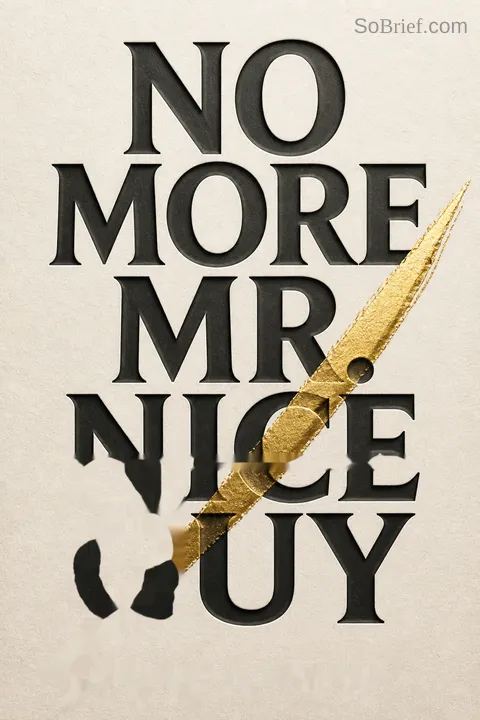

核心要点
1. 理解“好好先生综合症”(NGS)及其隐性代价。
“好好先生”这一称谓其实是个误导,因为所谓的好好先生往往并不真“好”。
好好先生坚信,只要自己善良、慷慨、关怀备至,就能换来幸福、被爱和满足。这一核心信念,即“好好先生综合症”,其实是一种误区。当这种策略失效时,好好先生往往会更加努力,结果却陷入挫败和怨恨。
在“好好”的表象之下,好好先生常表现出不诚实、隐瞒、操控、控制、被动攻击和压抑愤怒等特质。他们付出是为了获得回报,回避冲突,难以设立界限。这些行为源自深层的认可需求和对被否定的恐惧。
其后果极为严重,影响亲密关系、性生活及个人潜能。表面虽吸引人,实则根基不稳,导致不满和反复尝试无效策略的恶性循环。要摆脱困境,必须挑战这一核心信念体系。
2. 好好先生综合症源于童年被遗弃与有毒羞耻感。
成为好好先生,是男孩或男人在感到不安全、不被接受时的一种应对方式。
早期经历塑造信念。孩子天生无助、自我中心,害怕被遗弃。当需求未被持续且健康地满足时,他们往往认为自己是原因,进而产生有毒羞耻感——相信自己本质上是坏的或有缺陷的。
为求生存,孩子发展出应对机制。为了缓解痛苦、防止再次被遗弃,他们尝试“做好孩子”,隐藏缺点,成为他们认为别人想要的样子,这些生存策略构成了好好先生范式的基础。
社会因素加剧了NGS。二战后父亲缺席、女性主导的教育及激进女权主义强化了“做自己不安全、不被接受”的信息。这种社会环境促使许多男性寻求女性认可,压抑男性特质,助长了NGS的普遍存在。
3. 停止寻求外界认可,学会取悦自己。
好好先生试图取悦所有人,结果往往无人满意——包括自己。
寻求认可是核心。好好先生不断从外界寻求验证,将自我价值系于外在因素,如外貌、成就或“好人”形象。这直接源于有毒羞耻感,他们认为必须弥补内在的“坏”,才能被爱。
依附定义价值。好好先生通过“依附”——他们所做或拥有的事物——来感受自身价值和获得认可。成为好好先生本身就是终极依附,坚信自己的善良使其可被爱,掩盖了若被看穿“真实自我”将被拒绝的恐惧。
转向内在。康复需要有意识地练习做自己,寻求自我认可。这意味着关注寻求认可的行为,善待自己(即使感到不适),使用积极肯定,独处进行自我探索,并向安全的人展露真实自我以释放羞耻。
4. 把自己的需求放在首位,而非他人。
决定把自己放在第一位,是最难的一步。
低维护的假象。好好先生被教导表现得无需求、无欲望,认为自己的需求曾让人远离。这造成了无解的困境:他们无法完全压抑需求,却又无法独自满足,导致间接且操控性的尝试。
难以接受帮助。好好先生难以接受帮助,因为满足需求违背了他们“自己不配”的核心信念。他们无意识地破坏机会,表现为:
- 与有需求或不可得的人建立联系;
- 采取含糊不清、未明说的议程;
- 推开他人或自我破坏。
隐性契约主导。好好先生通过未明说的协议(“我为你做X,你为我做Y”)间接满足需求。这种“付出换取”策略导致挫败和怨恨,常引发“受害者呕吐”——被动攻击、指责或愤怒,当隐性契约未被兑现时爆发。
5. 通过面对恐惧和设立界限,重拾个人力量。
放弃并非认输,而是放下无法改变的,改变能改变的。
无力感范式。好好先生感觉自己是受害者,因为其核心信念基于童年无助。他们试图通过“做对事”和避免冲突来控制生活,但生活本质混乱,这策略徒劳无功,反而加深无力感。
个人力量即自信。它是相信自己能应对一切,即使害怕。重拾力量包括:
- 放下:接受无法控制的,专注于可控的;
- 扎根现实:看清人和事的本来面目,而非理想化;
- 表达情感:重新连接并表达情绪,情绪本身并非威胁生命。
诚信与界限至关重要。诚信是决定什么对你来说正确并付诸行动,而非依赖外界认可。设立界限是生存之道;它教会他人如何对待你,也让你不再是无助的受害者,承担起对自身空间和需求的责任。
6. 拥抱你的男性气质,与其他男性建立联系。
与过去几十年的主流观点相反,做一个男人是没问题的。
与男性及男性气质的断裂。由于父亲缺席和女性主导的成长环境,许多好好先生难以与其他男性建立联系,采纳了女性视角的男性气质定义。他们常认为自己“不同”或“优于”其他男性,因而孤立于健康的男性纽带之外。
压抑男性能量。好好先生害怕男性气质中“阴暗”的部分(攻击性、竞争性),压抑生命力,变得被动,缺乏领导力。这反而降低了他们对女性的吸引力,而女性往往渴望有明显男性特质的伴侣。
打破母亲纽带。许多好好先生无意识地对母亲保持“单一依恋”,阻碍了成年亲密关系。重拾男性气质包括:
- 与男性连接:通过共同活动建立男性友谊;
- 增强力量:拥抱身体和情感的强健;
- 寻找榜样:识别并学习健康的男性典范;
- 重新审视父亲关系:现实地看待父亲,接受自身男性传承。
7. 建立健康亲密关系,关注系统而非单一伴侣。
亲密意味着脆弱。
亲密令人恐惧。了解自己、被了解以及了解他人都需要脆弱,而这对好好先生来说因有毒羞耻感而如临大敌。他们害怕被“揭穿”而遭拒绝。
功能失调的关系是共同创造的。为平衡对脆弱和孤立的恐惧,好好先生与同样受伤的人结伴。他们共同构建保护自己免受真正亲密的系统,同时也带来挫败。伴侣的问题常被用来转移对好好先生自身羞耻的关注。
纠缠或回避的模式。好好先生要么过度介入(纠缠者,使伴侣成为情感中心),要么情感疏离(回避者,优先考虑其他事物)。两者都阻碍真实连接。他们还无意识地重现了童年功能失调的关系模式。
8. 解决性羞耻与恐惧,获得理想性生活。
所有好好先生都对性及作为性存在感到羞耻和恐惧。
性是问题的焦点。好好先生的羞耻、恐惧、控制问题和功能失调模式在性生活中交织,导致常见问题如性欲不足、不满足、性功能障碍、压抑或强迫行为。他们常责怪伴侣,实则根源在自身内心包袱。
回避与分心机制。好好先生采用诸如“阴道恐惧症”(避免插入或迅速结束)、过度努力做“好情人”(专注伴侣快感以掩盖羞耻)、隐藏强迫行为(色情、外遇)、压抑生命能量(降低吸引力)等策略,阻碍真实的性连接。
走出“壁橱”。疗愈需要向安全、无评判的人揭露性羞耻和恐惧。通过健康的自慰(无幻想或色情)承担自身快感责任,是学习接受快感、连接性能量的关键。对糟糕的性生活说“不”,拒绝低于满足和互惠的体验至关重要。
9. 克服恐惧与自我破坏,活出理想人生与事业。
如果要找出好好先生所有问题的核心,那就是恐惧。
恐惧限制潜能。好好先生通常聪明能干,却因普遍恐惧而未能发挥潜力。他们害怕犯错、失败、批评,甚至害怕成功,因为成功可能暴露他们自认为的不足。
自我设限。试图“做对事”、追求完美、遵守规则扼杀创造力和热情。认为必须独自完成一切,阻碍委托与精通。通过拖延、浪费时间或陷入混乱关系自我破坏,确保永远无法达到巅峰。
扭曲的自我形象与匮乏思维。童年经历导致深层不足感和“资源不足”的信念,形成情感“玻璃天花板”和匮乏思维,使好好先生思维狭隘,满足于平庸,无意识地在职场重演功能失调的家庭模式。
读者评价
《别再做乖乖男》评价褒贬不一,评分从一星到五星不等。一部分读者认为书中见解深刻且具有变革性,赞赏其为男性克服讨好型人格、设立界限提供了切实可行的建议。另一部分读者则批评其内容重复、带有性别偏见且过于简单。书中鼓励男性优先关注自身需求、展现真实自我的核心理念,引起了许多人的共鸣,但其方法论及作者部分观点也颇具争议。尽管存在不足,仍有不少读者将其视为个人成长的重要参考资料。
其他人还在读










常见问题
What is "No More Mr. Nice Guy" by Dr. Robert A. Glover about?
- Focus on Nice Guy Syndrome: The book explores the concept of the "Nice Guy Syndrome," a pattern where men seek approval, avoid conflict, and suppress their own needs in hopes of being loved and having a smooth life.
- Origins and Impact: Dr. Glover examines how childhood experiences and societal conditioning create Nice Guys, and how these patterns lead to frustration, resentment, and unfulfilling relationships.
- Recovery and Transformation: The book provides a step-by-step plan for men to break free from these patterns, reclaim their masculinity, and start getting what they want in love, sex, and life.
- Practical Exercises: Throughout, the book offers "Breaking Free" activities to help readers apply the concepts and make real changes.
Why should I read "No More Mr. Nice Guy" by Dr. Robert A. Glover?
- Understand Self-Sabotage: If you identify with being overly nice, approval-seeking, or feeling resentful in relationships, this book will help you understand why these patterns exist.
- Actionable Solutions: The book offers practical tools and exercises to help you stop self-defeating behaviors and start prioritizing your own needs.
- Improve Relationships: By following Dr. Glover’s advice, you can create healthier, more satisfying relationships with partners, friends, and yourself.
- Personal Growth: The book is not just for men; women can also gain insight into the Nice Guy dynamic and how it affects their relationships.
What is the "Nice Guy Syndrome" as defined in "No More Mr. Nice Guy"?
- Core Belief System: Nice Guy Syndrome is the belief that if a man is "good," he will be loved, get his needs met, and have a problem-free life.
- Approval-Seeking and Conflict Avoidance: Nice Guys go to great lengths to avoid conflict, seek approval, especially from women, and try to do everything "right."
- Hidden Resentment: Despite their efforts, Nice Guys often feel frustrated, resentful, and powerless because their needs remain unmet.
- Dysfunctional Behaviors: The syndrome includes dishonesty, manipulation, passive-aggressiveness, and difficulty setting boundaries.
How does Dr. Robert A. Glover explain the origins of the Nice Guy Syndrome?
- Childhood Abandonment: The syndrome often begins in childhood when boys experience abandonment, neglect, or unrealistic expectations from parents.
- Toxic Shame: Children internalize the belief that their needs are bad or dangerous, leading to a core sense of shame and unworthiness.
- Survival Mechanisms: To cope, boys develop strategies like hiding flaws, seeking approval, and becoming what they think others want.
- Societal Influences: Social changes, such as absent fathers, female-dominated education, and radical feminism, reinforce these patterns in boys and men.
What are the main characteristics and behaviors of a "Nice Guy" according to the book?
- People-Pleasing: Nice Guys are givers, caretakers, and fixers who put others’ needs before their own.
- Approval-Seeking: They constantly seek validation, especially from women, and avoid conflict at all costs.
- Dishonesty and Manipulation: Nice Guys hide mistakes, use covert contracts (giving to get), and are often passive-aggressive.
- Isolation and Addictive Behaviors: They struggle to form close male friendships, may have issues with sexual compulsiveness, and often feel isolated.
What is Dr. Glover’s definition of an "Integrated Male" in "No More Mr. Nice Guy"?
- Self-Acceptance: An integrated male accepts all aspects of himself, including his strengths, flaws, and dark side.
- Personal Responsibility: He takes responsibility for getting his own needs met and does not rely on others for validation.
- Masculinity and Integrity: He is comfortable with his masculinity, acts with integrity, and is clear and direct in expressing feelings.
- Healthy Relationships: He sets boundaries, leads when appropriate, and can nurture without caretaking or controlling.
What are "covert contracts" and why are they problematic according to Dr. Glover?
- Unspoken Agreements: Covert contracts are unconscious deals Nice Guys make, such as "If I do X for you, you’ll do Y for me," without ever stating their expectations.
- Indirect and Manipulative: These contracts are manipulative because the other person is unaware of the agreement, leading to unmet expectations.
- Source of Resentment: When the Nice Guy doesn’t get what he expects, he feels frustrated and resentful, often leading to passive-aggressive behavior.
- Blocks Intimacy: Covert contracts prevent honest communication and genuine intimacy in relationships.
How does "No More Mr. Nice Guy" by Dr. Glover suggest men can break free from the Nice Guy Syndrome?
- Self-Approval: Start seeking your own approval instead of external validation; practice self-care and positive affirmations.
- Make Needs a Priority: Learn to identify, express, and prioritize your own needs in clear and direct ways.
- Set Boundaries: Develop the ability to say "no," set limits, and stop tolerating intolerable behavior.
- Reveal Yourself: Share your true thoughts, feelings, and even your shame with safe people to break the cycle of secrecy and isolation.
What advice does Dr. Glover give for improving intimate relationships in "No More Mr. Nice Guy"?
- Stop People-Pleasing: Focus on pleasing yourself and stop trying to make your partner happy at your own expense.
- Eliminate Covert Contracts: Be direct about your needs and expectations instead of manipulating or giving to get.
- Set Healthy Boundaries: Stand up for yourself, which creates respect and security in your partner.
- See Relationships as Growth Opportunities: Use relationship challenges to address your own childhood wounds and patterns.
How does "No More Mr. Nice Guy" address sexuality and sexual satisfaction?
- Acknowledge Shame and Fear: Recognize and confront the shame and fear around sexuality that Nice Guys often carry.
- Take Responsibility for Pleasure: Practice healthy masturbation and learn to enjoy your own sexuality without shame or dependence on others.
- Say No to Bad Sex: Refuse to settle for unsatisfying sexual experiences and focus on mutual pleasure and honest communication.
- Be Direct and Assertive: Let go of trying to be a "great lover" and instead be clear about your desires and boundaries.
What are the key takeaways and actionable steps from "No More Mr. Nice Guy" by Dr. Robert A. Glover?
- Self-Responsibility: Take charge of your own needs, happiness, and life direction instead of waiting for others to fulfill you.
- Face Your Fears: Confront fears of rejection, failure, and success to unlock your potential in relationships, work, and life.
- Let Go of Perfectionism: Accept that you are "perfectly imperfect" and stop letting the need to do things "right" hold you back.
- Build Male Friendships: Connect with other men for support, modeling, and to break the cycle of seeking approval from women.
What are some of the best quotes from "No More Mr. Nice Guy" and what do they mean?
- "If you keep doing what you’ve always done, you’ll keep getting what you’ve always had." – Change requires new actions and mindsets, not just more effort in old patterns.
- "No one was put on this planet to meet your needs." – You are responsible for your own happiness and fulfillment.
- "The opposite of crazy is still crazy." – Swinging from one extreme to another (from Nice Guy to "jerk") is not the solution; integration is key.
- "Imperfect humans can only connect with other imperfect humans." – Authenticity and vulnerability, not perfection, are the foundation of real intimacy.
- "Let go. Let life happen." – Surrendering control and embracing life’s unpredictability leads to growth and fulfillment.
关于作者

下载 PDF
下载 EPUB
.epub digital book format is ideal for reading ebooks on phones, tablets, and e-readers.








































