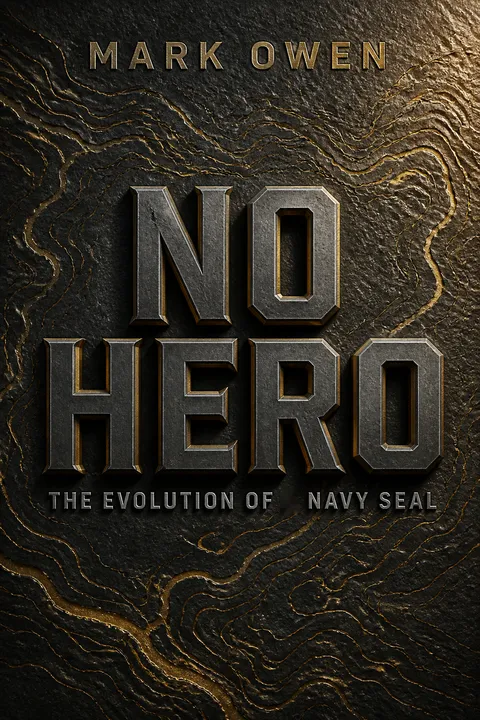

核心要点
1. 目标驱动成就
“我意识到,成为海豹突击队员的渴望并非青春期的幻想,而是唯一能赋予我生命真正意义和目标的东西。”
清晰明确的愿景。 目标不仅是一个终点,更是将梦想转化为现实的驱动力。对作者而言,成为海豹突击队员不仅是职业选择,更是一种召唤,需要全身心的投入与牺牲。
目标需要牺牲。 在阿拉斯加与传教士父母一同成长,让作者明白有意义的成就必然伴随着巨大的个人付出。父母对使命的执着成为他追求成为海豹突击队员的榜样。
目标的特征:
- 提供明确方向
- 激励克服挑战
- 超越个人舒适区
- 需要坚定不移的承诺
2. 自信源于克服挑战
“在BUD/S训练中,我克服了当时看似无法逾越的数十个障碍,这让我有信心知道自己还能再做一次。”
自信是赢得的。 真正的自信不是天生,而是在不断挑战中逐步建立起来的。海豹训练中的50米水下游泳,成为突破自我极限的象征。
在不适中成长。 每一次成功应对挑战,都是自我信念的基石。作者体会到,自信源于持续面对并战胜看似不可能的任务。
建立自信的策略:
- 拥抱挑战经历
- 从失败中学习
- 培养心理韧性
- 庆祝每一个小胜利
3. 专注让恐惧可控
“专注于你三尺之内的世界,关注你能影响的事物。”
缩小视野。 当你将注意力限定在眼前可控的行动时,恐惧便变得可管理。“三尺之内”的理念帮助人在高压环境中保持专注和行动力。
心理控制技巧。 通过聚焦当前任务和环境,避免被过度焦虑所困扰,保持清晰的决策能力。
恐惧管理原则:
- 控制可影响的因素
- 忽略外界干扰
- 将挑战拆解为小步骤
- 保持当下觉察
4. 优先排序助力压力管理
“接受现状,评估形势,优先排序,将任务拆分成你能完成的小步骤。”
系统化方法。 压力管理需要有条不紊的评估、排序和执行。作者学会快速判断形势,系统性地应对挑战。
战术决策。 将复杂情境拆解为可控部分,有助于在压力下保持冷静和高效。
减压策略:
- 识别紧迫威胁
- 分类挑战
- 有序处理问题
- 保持情绪中立
5. 信任是高效团队的基石
“信任是那种无法靠军衔或头衔买来的东西,必须通过反复试验、共同经历和持续沟通来赢得。”
信任超越等级。 真正的信任源于共同经历、相互尊重和持续沟通,而非职位权威。
建立信任需坦诚。 开放诚实的交流和承认错误的勇气,是高绩效团队内强大人际关系的关键。
信任构建要素:
- 持续稳定的表现
- 透明沟通
- 共同面对逆境
- 相互尊重
6. 沟通防止任务失败
“最难的是与人坦诚沟通,尤其当你可能犯错时。”
诚实对话至关重要。 高效团队营造成员敢于坦率反馈的环境,促进持续改进和任务成功。
行动复盘促进成长。 结构化的总结会议帮助团队客观分析表现,吸取教训,优化策略。
沟通最佳实践:
- 创造安全反馈环境
- 关注解决方案而非责备
- 鼓励开放对话
- 从每次经历中学习
7. 关系决定成败
“我们需要那些不断进取的人,做得比基本职责更多的人。”
团队动力关键。 高绩效团队建立在超越职业义务的关系基础上,形成直觉式沟通和相互理解。
选对团队成员。 成功依赖于既具备技术能力又致力于集体成就的个体。
关系建设原则:
- 重视个人贡献
- 培养相互责任感
- 发展默契合作
- 鼓励持续学习
8. 责任源于诚实伙伴关系
“你的游泳伙伴既不是上司,也不是下属,他是你的平等伙伴。”
同侪责任。 真正的责任感来自于无等级束缚、能坦诚提出甚至不舒服反馈的关系。
相互支持体系。 有效的伙伴关系需要彼此既能挑战又能支持成长。
责任基础:
- 激进的诚实
- 相互尊重
- 共同目标
- 无条件支持
9. 舒适是成长的敌人
“海豹突击队从BUD/S开始就被教导要习惯不适。”
拥抱不适。 成长发生在舒适区之外,要求个体主动挑战身心极限。
通过挑战适应。 持续进步需要愿意经历并克服不适境遇。
成长策略:
- 寻求挑战经历
- 培养心理韧性
- 有意识地接受不适
- 将挑战视为机遇
10. 进化需持续适应
“我们不断努力进化。敌人总在改变战术,如果我们不迅速调整,就会落后。”
持续学习。 成功依赖于不断评估、学习和调整策略与技能。
主动改进。 高绩效团队不依赖过去的成功,而是持续优化方法。
适应原则:
- 研究新兴挑战
- 保持谦逊好学
- 拥抱技术进步
- 挑战现有方法
11. 战斗杀敌需情绪隔离
“我在海外所做的一切都被视为工作。我潜入别人睡觉的房子,如果发现他们持枪,我就开枪。”
情绪韧性。 战斗要求个体将情绪反应与职业职责分开,保持任务专注。
心理生存。 有效的作战人员发展出处理创伤经历而不被击垮的机制。
情绪管理策略:
- 保持职业距离
- 需要时寻求支持
- 理解任务背景
- 进行自我反思
读者评价
《无英雄》评价褒贬不一,但整体倾向积极。许多读者认可欧文对海豹突击队生活、训练及任务的真实描写,认为书中内容既鼓舞人心又富有洞见,尤其是在团队合作与个人成长方面。一些读者赞赏欧文的谦逊态度及从失败中汲取教训的精神。批评者则指出书中内容存在重复,且情感表达较为单薄。少数读者对书中战斗描写及敌方非人化的呈现感到不适。尽管如此,大多数评论者仍推荐此书,认为其为特种作战与军旅生活提供了独特视角。
常见问题
What's "No Hero: The Evolution of a Navy SEAL" about?
- Author's Journey: The book is a memoir by Mark Owen, a former Navy SEAL, detailing his experiences and evolution within the SEAL teams.
- Lessons Learned: It focuses on the lessons Owen learned throughout his career, both in training and in combat.
- Personal Stories: The narrative includes personal stories from Owen's deployments, highlighting the challenges and triumphs he faced.
- SEAL Culture: It provides an insider's look at the SEAL culture, emphasizing teamwork, resilience, and the mental and physical demands of the job.
Why should I read "No Hero: The Evolution of a Navy SEAL"?
- Insightful Perspective: The book offers a firsthand account of the life and mindset of a Navy SEAL, providing insights into their rigorous training and operations.
- Inspirational Lessons: Readers can draw inspiration from Owen's experiences and the lessons he shares about perseverance, leadership, and overcoming fear.
- Real-Life Combat Stories: It includes gripping stories from real combat missions, offering a raw and unfiltered look at the realities of war.
- Personal Growth: The book emphasizes personal growth and evolution, making it relevant for anyone interested in self-improvement and facing challenges.
What are the key takeaways of "No Hero: The Evolution of a Navy SEAL"?
- Mental Toughness: The importance of mental resilience and staying focused under pressure is a recurring theme.
- Teamwork and Trust: Owen highlights the critical role of trust and teamwork in achieving success in high-stakes environments.
- Adaptability: The ability to adapt and evolve in response to changing circumstances is essential for survival and success.
- Purpose and Commitment: Having a clear sense of purpose and being fully committed to one's goals are vital for overcoming obstacles.
How does Mark Owen describe the SEAL training process in "No Hero"?
- Intense and Rigorous: SEAL training is described as extremely challenging, both physically and mentally, designed to push candidates to their limits.
- Building Resilience: The training focuses on building mental toughness and resilience, preparing SEALs for the demands of combat.
- Team Dynamics: Emphasis is placed on teamwork and the importance of relying on one's teammates in high-pressure situations.
- Continuous Learning: Training is an ongoing process, with SEALs constantly learning and adapting to new challenges and environments.
What are some of the most memorable missions described in "No Hero"?
- Helicopter Crash in Afghanistan: Owen recounts the emotional impact of losing teammates in a helicopter crash, highlighting the dangers of standby missions.
- Combat in Iraq: The book details various missions in Iraq, including intense firefights and the challenges of urban warfare.
- Ambush in Afghanistan: Owen describes a mission where his team narrowly avoided an ambush, showcasing the importance of quick thinking and adaptability.
- Rescue Operations: The narrative includes stories of rescue missions, emphasizing the SEALs' commitment to saving lives and completing their objectives.
What lessons does Mark Owen emphasize about leadership in "No Hero"?
- Lead by Example: Owen stresses the importance of leading by example and earning the respect of one's team through actions.
- Communication is Key: Effective communication is crucial for successful operations and maintaining team cohesion.
- Trust and Accountability: Building trust within the team and holding each other accountable are essential for mission success.
- Adaptability in Leadership: Leaders must be adaptable and open to feedback, constantly evolving to meet the needs of their team and mission.
How does Mark Owen address fear and stress in "No Hero"?
- Three-Foot World Concept: Owen introduces the concept of focusing on one's immediate surroundings and tasks to manage fear and stress.
- Compartmentalization: He discusses the importance of compartmentalizing emotions and stress to maintain focus during missions.
- Training and Preparation: Rigorous training helps SEALs prepare for and manage fear and stress in high-pressure situations.
- Mindset Shift: Owen emphasizes the need to shift one's mindset from fear to action, using stress as a motivator rather than a hindrance.
What role does trust play in the SEAL teams according to "No Hero"?
- Foundation of Teamwork: Trust is the foundation of effective teamwork, allowing SEALs to rely on each other in life-and-death situations.
- Building Trust: Trust is built through shared experiences, open communication, and consistent performance.
- Trust in Leadership: Leaders must earn the trust of their team by demonstrating competence, integrity, and commitment.
- Trust in Decision-Making: Trusting one's teammates and leaders is crucial for making quick, effective decisions in combat.
What are the best quotes from "No Hero: The Evolution of a Navy SEAL" and what do they mean?
- "The only easy day was yesterday." This SEAL motto emphasizes the constant challenges and the need for continuous improvement.
- "Stay in your three-foot world." This advice highlights the importance of focusing on immediate tasks and not getting overwhelmed by the bigger picture.
- "At what level are you willing to participate?" This question challenges individuals to fully commit and engage in their roles and responsibilities.
- "Trust is the bedrock of any relationship." This quote underscores the critical importance of trust in building strong, effective teams.
How does Mark Owen describe the transition from military to civilian life in "No Hero"?
- Challenging Transition: Owen describes the difficulty of leaving the SEAL teams and finding a new purpose in civilian life.
- Reinventing Identity: He emphasizes the need to redefine one's identity and goals after leaving the military.
- Applying SEAL Lessons: Owen discusses how the lessons learned in the SEALs can be applied to civilian challenges and opportunities.
- Emotional Impact: The transition is emotionally challenging, requiring adaptation and resilience to navigate a new environment.
What is the significance of the title "No Hero: The Evolution of a Navy SEAL"?
- Humility and Teamwork: The title reflects Owen's belief that SEALs are not superheroes but committed individuals who work as a team.
- Personal Growth: "Evolution" signifies Owen's personal growth and development throughout his SEAL career.
- Shared Experiences: The book highlights the collective experiences and sacrifices of the SEAL community, rather than focusing solely on individual achievements.
- Inspiration for Others: The title suggests that the lessons and stories shared are meant to inspire and guide others, both within and outside the military.
How does "No Hero" compare to Mark Owen's previous book, "No Easy Day"?
- Focus on Lessons: While "No Easy Day" focuses on the mission to kill Osama bin Laden, "No Hero" emphasizes the lessons learned throughout Owen's career.
- Broader Scope: "No Hero" covers a wider range of experiences and missions, providing a more comprehensive view of Owen's evolution as a SEAL.
- Personal Insights: "No Hero" offers deeper personal insights and reflections on the challenges and growth Owen experienced.
- Complementary Narratives: Both books complement each other, with "No Easy Day" providing a detailed account of a specific mission and "No Hero" offering broader lessons and experiences.
下载 PDF
下载 EPUB
.epub digital book format is ideal for reading ebooks on phones, tablets, and e-readers.








































