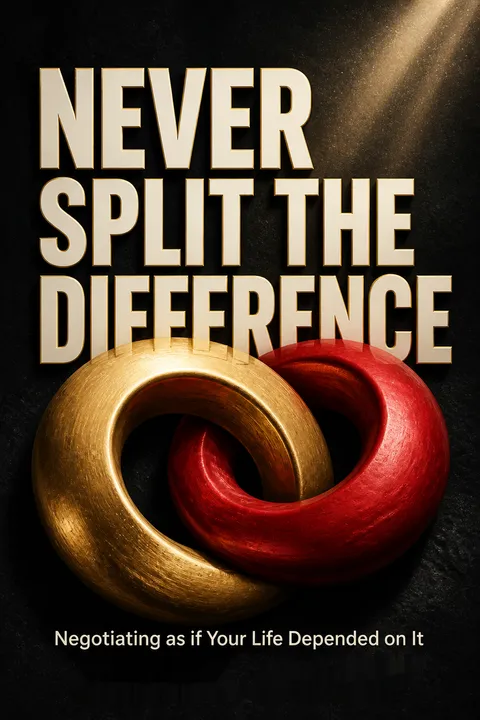

核心要点
1. 谈判即信息收集与行为影响
伏斯将谈判定义为“信息收集与行为影响”。
重新定义谈判。 伏斯将谈判的概念从正式的商业场合拓展到几乎所有人与人之间的互动。这一视角将谈判从对抗性的活动转变为一种合作性的相互理解与影响的过程。
克服个人障碍。 掌握谈判的第一步是克服对谈判的恐惧和排斥。认识到谈判是人类交往的基本组成部分,能让人们以更少的焦虑和更多的自信去面对它。
实际应用场景:
- 薪资谈判
- 购房购车决策
- 解决人际关系冲突
- 日常与同事、朋友及家人的互动
2. 真正的倾听是主动的,而非被动的过程
倾听是人们能做的最主动的事情之一。
积极参与。 伏斯强调,有效的倾听需要全神贯注和积极参与。它不仅仅是听到对方的话语,更是主动地处理和回应所传递的信息。
常见误区。 许多人在谈判中只顾着准备自己的论点和反驳,阻碍了真正倾听对方需求和动机的能力。
主动倾听的关键:
- 专注于说话者,避免心里预设回应
- 观察非语言信号和情绪暗示
- 通过提问澄清理解
- 用肢体语言和言语表示关注
3. 战术性共情:建立信任与融洽的关键
伏斯认为,与其将人和情绪分开,不如直接给情绪贴标签。
超越传统共情。 战术性共情不仅是理解情绪,更是战略性地利用这种理解来影响谈判。它通过与对方情绪状态保持一致,建立信任和融洽。
神经共振。 伏斯描述了观察面部表情、行为和语调,并与之同步的过程。这种同步带来双方的连接感和理解。
实施战术性共情:
- 观察并识别情绪信号
- 口头表达对情绪的理解
- 利用这种理解引导对话
- 保持冷静和尊重的态度
4. 给情绪贴标签能缓解紧张,促进理性思考
当情绪被贴标签时,人的思维变得理性且少了恐惧。
认可的力量。 给情绪贴标签是对对方感受的认可,带来被理解的感觉。这种认可能显著降低紧张和防御心理。
促进清晰思考。 帮助对方识别和处理情绪,使决策更理性,减少情绪驱动。
有效的情绪贴标签方法:
- 使用“看起来……”、“听起来……”等表达
- 聚焦情绪本身,而非对人进行评判
- 贴标签后保持沉默,给对方时间消化
- 若标签不准确,及时调整
5. “不”很强大:把它当作谈判的起点
伏斯说,“不”并非拒绝的标志。“不”还能意味着什么?
重新定义拒绝。 伏斯挑战了“否定即终结”的传统观念,认为“不”是深入讨论和谈判的起点。
“不”的多重含义:
- 需要更多信息
- 期望更清晰的说明
- 保护现有立场
- 表达自主权
- 请求不同条件
利用“不”:
- 揭示隐藏的顾虑或反对
- 作为完善提案的机会
- 鼓励坦诚沟通
6. 谨防“是”:区分承诺、确认与虚假
“是”有哪三种?如何区分?
“是”的三种类型:
- 承诺:真心同意并愿意执行
- 确认:认可事实或陈述
- 虚假:为避免冲突或结束对话而假装同意
过早求“是”的风险。 过于急切地获得“是”可能导致表面上的同意,却未解决根本问题。
获得真实同意的策略:
- 澄清“是”的具体含义
- 观察言语与非言语信号是否一致
- 跟进具体行动或承诺
- 耐心探讨背后的顾虑
7. 校准式提问营造控制错觉
伏斯说,成功的谈判让对方感觉自己掌控了局面。
引导式发现的力量。 校准式提问引导对方朝你期望的方向思考,同时让他们感到自己在掌控,减少抵触,增加认同。
有效校准提问的特点:
- 开放式,不能简单回答“是”或“否”
- 以“什么”“如何”开头
- 鼓励对方解决问题
- 避免指责或对抗语气
校准提问示例:
- “我们如何解决这个问题?”
- “你目前面临的最大挑战是什么?”
- “你希望我如何推进?”
8. 7-38-55法则:非语言沟通占主导
什么是7-38-55法则?它为何在谈判中重要?
沟通构成解析:
- 7%:所用词语
- 38%:语音语调
- 55%:肢体语言和面部表情
谈判中的重要性。 理解此法则帮助谈判者关注言语之外的信号,重视语调和肢体语言,无论是自己还是对方。
应用7-38-55法则:
- 关注自身非语言表达
- 观察言语与非语言信号的差异
- 运用镜像技巧建立融洽
- 全感官参与,练习主动倾听
9. 永不妥协折中:追求创造性解决方案
伏斯为何反对“双赢”思维?
超越妥协。 伏斯认为折中往往导致双方都不满意的次优结果。他主张寻找能满足各方核心需求的创造性方案。
“双赢”思维的弊端:
- 可能导致懒惰的解决方式
- 忽视深层利益和动机
- 常使双方都未完全满意
创造性解决策略:
- 深入挖掘真实动机和需求
- 探索多种方案再做决定
- 若无理想方案,敢于放手
- 注重长期关系胜过短期利益
10. 谈判是一项适用于生活各方面的技能
Topher Communications的克里斯托弗·莫里森鼓励销售专业人士阅读伏斯的著作,称其可能成为他们“职业生涯中最喜爱的书”。
普遍适用性。 虽然伏斯背景是高风险人质谈判,但其原则在日常生活和各行各业均具价值。
超越商业的益处。 谈判技巧能提升:
- 个人关系
- 冲突解决
- 决策过程
- 沟通效果
- 问题解决能力
受益职业领域:
- 销售与市场营销
- 管理与领导
- 法律与外交
- 医疗与社会工作
- 教育与咨询
读者评价
《绝不妥协》获得了大多数读者的积极评价,大家普遍赞赏其实用的谈判技巧和丰富的真实案例。许多人认为本书内容深刻,适用于商业和个人生活的多种场景。也有批评声音指出,部分技巧可能带有操控性或具有文化局限性。书中强调的共情、积极倾听以及理解对方立场的理念,得到了广泛认可。尽管部分读者觉得内容有些重复或带有自我推销的成分,但多数人仍视其为提升谈判能力的重要参考资料。
其他人还在读







常见问题
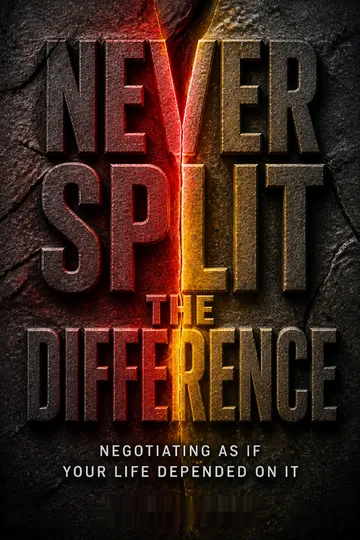
What's "Never Split the Difference" about?
- Practical Guide to Negotiation: "Never Split the Difference" by Chris Voss is a practical guide on negotiation, drawing from Voss's experience as an FBI hostage negotiator.
- High-Stakes Situations: The book shares tactics used in high-stakes situations, applicable to both personal and professional negotiations.
- Everyday Negotiations: It emphasizes that negotiation is a part of everyday life, from buying a home to negotiating salaries.
- Emotional Intelligence: Voss highlights the importance of emotional intelligence and intuition in successful negotiations.
Why should I read "Never Split the Difference"?
- Real-World Applications: The book provides strategies that can be applied in various real-world scenarios, enhancing both personal and professional interactions.
- Expert Insights: Learn from Chris Voss, a former FBI hostage negotiator, who shares proven techniques from his extensive experience.
- Improved Communication: It offers insights into improving communication skills, crucial for effective negotiation.
- Empathy and Influence: The book teaches how to use empathy and influence to achieve desired outcomes in negotiations.
What are the key takeaways of "Never Split the Difference"?
- Negotiation as Information Gathering: Voss defines negotiation as "information-gathering and behavior-influencing," applicable to any interaction.
- True Listening: Emphasizes the importance of active listening to understand and influence the other party.
- Tactical Empathy: Introduces the concept of tactical empathy, which involves understanding and influencing emotions.
- Labeling Emotions: Highlights the technique of labeling emotions to make negotiations more effective.
What is the fundamental definition of negotiation according to Chris Voss?
- Information Gathering: Voss defines negotiation as a process of gathering information and influencing behavior.
- Everyday Interactions: It encompasses almost any interaction where one person wants something from another.
- Overcoming Fears: Mastery begins with overcoming personal fears and aversions to negotiation.
- Influencing Perceptions: Effective negotiation involves influencing the other person's perception to achieve desired outcomes.
What is tactical empathy in "Never Split the Difference"?
- Beyond Empathy: Tactical empathy goes beyond understanding feelings; it involves reading what's behind those feelings.
- Influence Through Empathy: It increases influence by aligning with the other person's emotions and expressions.
- Neural Resonance: Voss describes it as creating a connection through understanding and validating emotions.
- Building Trust: Tactical empathy helps build trust, crucial for successful negotiations.
How does Chris Voss suggest handling emotions in negotiations?
- Labeling Emotions: Voss advises labeling emotions rather than separating them from the person.
- Empathy Over Sympathy: Emphasizes empathy, which involves recognizing and vocalizing the other person's feelings.
- Calming Effect: Labeling emotions helps calm the person, making them more rational and less fearful.
- Uncovering Primary Emotions: It helps uncover the primary emotions driving behavior, facilitating better negotiation outcomes.
What are the benefits of labeling emotions in negotiations?
- Rational Thinking: Labeling emotions helps the counterpart think more rationally and less fearfully.
- Faster Resolution: It speeds up the process of addressing fears, preventing them from overwhelming the person.
- Trust Building: Validating emotions builds trust, essential for effective communication and negotiation.
- Understanding Motivations: Helps uncover the primary emotions driving the person's behavior, leading to more productive negotiations.
What are the two levels of emotions in negotiations according to Chris Voss?
- Presenting Behavior: The visible actions and reactions during a negotiation.
- Underlying Feelings: The emotions that motivate the presenting behavior, which need to be addressed for effective negotiation.
What does Chris Voss mean by "Yes" can be meaningless in negotiations?
- Three Types of "Yes": Voss identifies counterfeit, confirmation, and commitment as the three types of "Yes."
- Hidden Objections: A "Yes" can hide deeper objections and may not indicate genuine agreement.
- Beware of "Yes": Negotiators should be cautious of "Yes" as it might not reflect true commitment.
- Focus on "No": Voss suggests mastering "No" as it can lead to more honest and productive discussions.
Why does Chris Voss advocate against a "win-win" approach?
- Illusion of Compromise: Voss argues that splitting the difference often leads to suboptimal outcomes.
- Non-Linear Process: Negotiation is not a linear formula; it requires flexibility and adaptation.
- True Resolution: A successful negotiation should address the underlying needs and emotions, not just reach a compromise.
- Control Illusion: Effective negotiation involves making the counterpart feel they are in control, leading to better solutions.
What is the 7-38-55 rule in negotiations?
- Communication Breakdown: The rule states that 7% of communication is words, 38% is tone, and 55% is body language.
- Importance of Non-Verbal Cues: Highlights the significance of non-verbal and paraverbal communication in negotiations.
- Building Rapport: Understanding this rule helps negotiators build rapport and trust with their counterparts.
- Effective Communication: Emphasizes the need to be conscious of all aspects of communication for successful negotiation.
How do empathy-based techniques work according to Chris Voss?
- Building Trust: Empathy-based techniques build trust by validating the other person's emotions.
- Understanding Motivations: They help understand the underlying motivations and emotions driving behavior.
- Influence and Control: By aligning with the counterpart's emotions, negotiators can influence outcomes more effectively.
- More Effective: These techniques are often more effective than traditional methods, leading to better negotiation results.
下载 PDF
下载 EPUB
.epub digital book format is ideal for reading ebooks on phones, tablets, and e-readers.








































