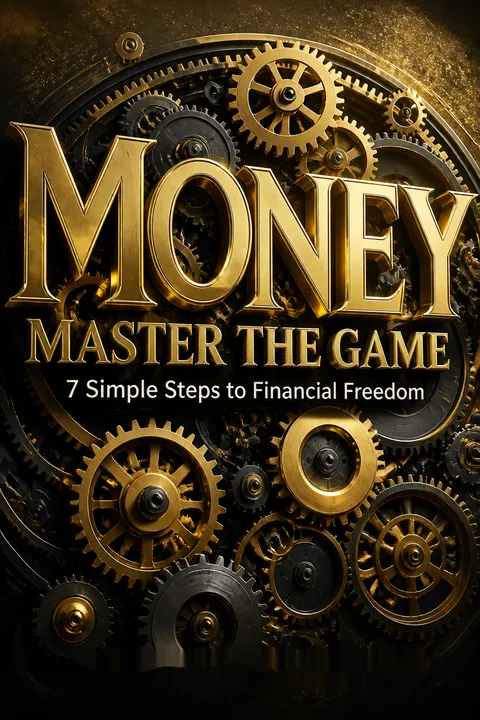

核心要点
1. 坚持自动投资:复利的力量
“财富的秘诀很简单:找到比别人为他人付出更多的方法。变得更有价值,做得更多,给予更多,成为更好的人,服务更多的人,你就有机会赚得更多。”
利用复利。 最关键的理财决策是坚持定期自动投资。这能发挥复利的威力,爱因斯坦称其为“世界第八大奇迹”。通过持续投入收入的一部分,你便打造了一台“赚钱机器”,即使在睡觉时也为你工作。
越早开始,越持之以恒。 越早开始,资金增长的时间越长。即使是小额投资,长期也能积累可观财富。例如:
- 每月投资100美元,年回报率7%,40年后可达239,562美元
- 推迟10年开始,最终仅有110,729美元
- 推迟20年开始,只有49,303美元
记住,关键不是市场时机,而是市场时间。自动化投资能消除情绪影响,确保持续性。
2. 了解并避免隐藏费用:保护你的财富
“复合成本的暴政。”
费用会侵蚀财富。 许多投资者未意识到投资的真实成本。共同基金、401(k)计划及其他投资工具中的隐藏费用,随着时间推移会大幅降低回报。这些费用像投资一样复利增长,但方向相反。
费用影响:
- 1%的费用差异,20年后回报可减少20%
- 平均共同基金年费率为3.17%
- 指数基金通常仅收取0.10%至0.50%,远低于主动管理基金
保护财富的方法:
- 仔细审查所有投资费用
- 尽量选择低成本指数基金
- 使用费用分析工具发现隐藏成本
- 与顾问协商费用或转向更低成本方案
3. 寻找受托顾问:利益一致,效果更佳
“你的经纪人不是你的朋友。”
了解顾问激励。 许多理财顾问没有法律义务为你利益着想。他们可能推荐佣金更高的产品,而非最适合你的。应寻找受托顾问,他们有法律责任优先考虑你的利益。
主要区别:
- 经纪人:遵循“适合性”标准,可能推荐对自己有利的产品
- 受托人:必须为你利益行事,通常收取固定费用或资产比例费
寻找受托顾问步骤:
- 询问是否为受托人
- 查找注册投资顾问(RIA)等资格
- 核实资质及纪律记录
- 了解费用结构及潜在利益冲突
即使有受托顾问,也要保持知情并参与财务决策。
4. 通过资产配置实现多元化:长期成功的关键
“多元化是唯一的免费午餐。”
平衡风险与回报。 资产配置是最重要的投资决策。它将资金分配到不同资产类别(股票、债券、房地产等),以优化回报并管理风险。合理多元化能在市场下跌时保护财富,同时抓住增长机会。
资产配置原则:
- 与目标、风险承受能力和时间期限相匹配
- 定期再平衡,保持目标配置
- 考虑地域和资产类别的多元化
资产配置示例:
- 保守型(40%股票,60%债券)
- 中庸型(60%股票,40%债券)
- 激进型(80%股票,20%债券)
根据个人情况和市场环境调整。多元化不能保证盈利或避免亏损,但能帮助长期风险管理。
5. 最大化税务效率:留住更多收益
“重要的不是你赚了多少,而是你留下了多少。”
战略性税务规划。 税务效率是财富积累的重要环节。通过理解并利用税收优惠账户和策略,可以显著提升税后回报,加速实现财务自由。
关键税务策略:
- 利用税收优惠账户:
- 401(k)和IRA实现税前缴款
- 罗斯账户实现免税增长
- 采用税损收割抵消收益
- 持有投资超过一年,享受长期资本利得税率
- 在应税账户中使用市政债券实现免税收入
- 探索健康储蓄账户(HSA)等三重税收优惠工具
税法常变,保持信息更新或寻求税务专业人士帮助,优化策略。
6. 平衡风险与回报:寻找非对称机会
“冒一点险,赚很多钱。”
追求有利赔率。 最成功的投资者寻找非对称风险/回报机会——潜在收益远大于风险的情形。这种方法能带来显著收益,同时限制潜在损失。
寻找非对称机会的策略:
- 专注于你的“能力圈”——你熟悉的领域
- 寻找下行有限但上行潜力巨大的机会
- 利用期权策略界定风险
- 考虑另类投资,拥有独特风险/回报特征
- 关注新兴趋势和颠覆性技术
记住,任何投资都有风险。务必深入研究,结合整体投资组合策略评估机会。
7. 培养成长心态:持续学习与提升
“想拥有更多,先成为更好的人。”
投资自己。 你的赚钱能力是最宝贵的资产。不断提升技能、知识和心态,能带来更高收入和更优理财决策。这种“个人投资回报率”往往远超传统投资。
投资自己的方法:
- 通过课程、认证或自学掌握热门技能
- 广泛阅读,尤其是财经及专业领域
- 参加研讨会、会议和社交活动
- 寻找导师,向成功人士学习
- 培养财务素养,关注经济动态
最成功的人从不停止学习成长。将个人发展作为终身习惯。
8. 制定终身收入计划:保障财务未来
“非专业人士的目标不应是选出赢家——他和他的‘帮手’都做不到——而应拥有一篮子整体表现优异的企业。”
构建可持续收入流。 终身收入计划确保你不会花光积蓄。通过合理组合多种收入来源,退休期间保持稳定现金流。
终身收入计划组成:
- 社会保障优化
- 养老金策略(如适用)
- 系统性投资账户取款
- 年金保障收入
- 房地产或企业收入
- 退休兼职或咨询工作
制定计划时考虑通胀、医疗费用和寿命等因素。定期审视调整,确保与目标和状况相符。
9. 向金融巨擘学习:超富阶层的策略
“成功留下线索。”
借鉴成功经验。 研究成功投资者的策略,能为你的理财之路提供宝贵启示。虽资源有限,但可灵活应用其核心理念。
金融巨擘的关键教训:
- 沃伦·巴菲特:专注价值投资与长期思维
- 雷·达里奥:拥抱多元化,理解经济周期
- 杰克·博格尔:强调低成本指数投资
- 大卫·斯文森:将机构投资原则应用于个人理财
- 保罗·都铎·琼斯:运用风险管理保护资本
无一策略适合所有人。借鉴巨擘,结合自身目标和情况灵活调整。
10. 重新定义财富:关注生活质量与贡献
“生活的秘密在于给予。”
真正的财富是多维的。 财务安全固然重要,但财富不仅仅是金钱。它还包括健康、人际关系、个人成长以及为他人贡献的能力。单纯追求金钱可能导致生活空虚。
全面财富的方面:
- 财务:拥有支持理想生活的资金
- 身体:保持健康与活力
- 情感:培养积极关系与心理健康
- 智力:持续学习与自我提升
- 精神:寻找生命意义与目标
- 社会:为社区和社会做贡献
在积累财富的同时,思考如何用财富提升生活的其他层面。真正的满足源于平衡、有意义的生活和积极影响他人。
读者评价
《Money Master the Game》评价褒贬不一。许多人赞赏其全面的理财建议和激励性的写作风格,但也有人批评其篇幅冗长、内容重复且带有推销色彩。读者普遍认可书中成功投资者的见解以及实用的理财策略,然而部分读者则觉得信息量过大,或内容过于针对美国市场。该书被视为初学者获取理财知识的宝贵资源,尽管资深投资者可能难以从中获得新颖内容。总体来看,尽管存在不足,它仍被认为是一本详尽的个人理财指南。
其他人还在读





常见问题
What's MONEY Master the Game about?
- Financial Freedom Focus: MONEY Master the Game by Anthony Robbins is a guide to achieving financial independence through a structured 7-step system. It emphasizes mastering money to gain control over your financial life.
- Expert Insights: Robbins interviews top financial minds, including billionaires and Nobel laureates, to provide actionable strategies for everyday investors.
- Empowerment Through Knowledge: The book aims to democratize financial knowledge, making it accessible to everyone, regardless of their financial background or expertise.
Why should I read MONEY Master the Game?
- Transformative Strategies: The book offers practical tools and strategies that can lead to significant financial improvements, helping readers make informed investment decisions.
- Real-Life Examples: Robbins shares stories of individuals who have successfully applied these principles, illustrating the potential for real change in one’s financial situation.
- Comprehensive Approach: It covers a wide range of topics, from understanding the financial system to creating a lifetime income plan, making it a valuable resource for improving financial literacy.
What are the key takeaways of MONEY Master the Game?
- 7 Simple Steps: The book outlines seven actionable steps toward financial independence, including saving a percentage of income and understanding asset allocation.
- Myth-Busting: Robbins debunks common financial myths, such as the belief that high fees are justified or that actively managed funds consistently outperform the market.
- Investment Mindset: It encourages adopting an investor mindset, emphasizing long-term thinking and the power of compounding.
What are the best quotes from MONEY Master the Game and what do they mean?
- “Money is a good servant but a bad master.”: Highlights the importance of controlling your finances rather than letting money dictate your life choices.
- “The secret of getting ahead is getting started.”: Emphasizes the necessity of taking action to achieve financial goals, rather than procrastinating.
- “A part of all I earn is mine to keep.”: Encourages prioritizing saving a portion of income, reinforcing that financial security starts with disciplined saving.
What are the 7 Simple Steps to Financial Freedom in MONEY Master the Game?
- Step 1: Take Control: Decide what percentage of your income to save and invest.
- Step 2: Know the Rules: Understand financial myths and the true costs of investing.
- Step 3: Make the Game Winnable: Set realistic financial goals and create a plan to achieve them.
- Step 4: Asset Allocation: Allocate your investments effectively to balance risk and reward.
- Step 5-7: Create a lifetime income plan, invest like the top 0.001%, and enjoy and share your wealth.
How does Tony Robbins define financial freedom in MONEY Master the Game?
- Empowerment and Control: Financial freedom means making choices without financial constraints, allowing individuals to live life on their own terms.
- Income for Life: Emphasizes creating a reliable income stream that supports your lifestyle without continuous work.
- Peace of Mind: Provides a sense of security and reduces stress related to money, enabling focus on what truly matters.
What is the All Seasons Strategy mentioned in MONEY Master the Game?
- Ray Dalio's Approach: A portfolio management strategy designed to perform well in all economic environments, providing consistent returns.
- Diversification Across Asset Classes: Involves spreading investments across stocks, bonds, commodities, and real estate to reduce risk.
- Risk Management: Focuses on balancing the portfolio to withstand economic downturns, historically providing strong performance with minimal losses.
What is the Save More Tomorrow plan in MONEY Master the Game?
- Automatic Savings Increase: Allows individuals to commit to saving a percentage of future salary increases automatically.
- Behavioral Economics Insight: Based on the idea that people save more if they don’t feel the immediate impact on their lifestyle.
- Long-Term Wealth Building: Consistently increasing savings over time can significantly boost retirement funds and financial security.
How does MONEY Master the Game suggest managing risk in investments?
- Diversification Strategy: Advocates for spreading investments across various asset classes to minimize risk.
- Regular Rebalancing: Recommends periodically reviewing and adjusting your portfolio to maintain desired asset allocation.
- Understanding Market Cycles: Emphasizes awareness of market cycles and preparing for downturns with a protective plan.
What is the significance of the Dream Bucket in MONEY Master the Game?
- Personal Fulfillment: Designed for setting aside funds for personal goals and experiences that enhance quality of life.
- Balancing Financial Goals: Encourages enjoying life in the present while saving for the future.
- Motivation to Save: Allocating funds to the Dream Bucket can motivate wise saving and investing, knowing you can enjoy your earnings.
How can I implement the strategies from MONEY Master the Game?
- Set Up Buckets: Create Security, Risk/Growth, and Dream Buckets to categorize investments and savings.
- Automate Savings: Ensure consistent contributions to your Freedom Fund by automating savings and investments.
- Consult a Fiduciary: Work with a fiduciary advisor for personalized guidance and to align your investment approach with financial goals.
What are the common financial myths addressed in MONEY Master the Game?
- Active vs. Passive Management: Myth that actively managed funds consistently outperform index funds; research shows most fail to beat the market.
- High Fees Guarantee Better Returns: Emphasizes that lower-cost options, like index funds, often yield better results.
- Timing the Market: Argues that market timing is nearly impossible, encouraging a long-term investment strategy instead.
关于作者




下载 PDF
下载 EPUB
.epub digital book format is ideal for reading ebooks on phones, tablets, and e-readers.








































