
核心要点
1. 梦想成就伟大:拥抱你的理想
有伟大梦想的人,才能成就伟大。
**梦想驱动成功。**那些在高尔夫领域取得卓越成就的球员,正是敢于怀抱宏大梦想并坚持不懈追求理想的人。梦想成为他们内心的动力,推动他们掌控人生,发挥最大潜能。
梦想驱动成功的典范包括:
- 帕特·布拉德利跻身LPGA名人堂的历程
- 汤姆·凯特从挣扎业余选手到大满贯冠军的蜕变
- 拜伦·尼尔森通过高尔夫胜利实现拥有牧场的梦想
关键在于,无论遭遇挫折或自我设限,都要保持对梦想的热忱。你的梦想应从醒来那刻起激励你,直到夜晚入睡,指引你在球场内外的每一个行动与决策。
2. 信任训练技能:放下机械思维
如果你在挥杆时过分思考动作细节,就无法稳定击球。
**信任胜过技巧。**大脑与身体的最佳配合,是在专注目标时自然反应,而非过度分析动作。这一原则不仅适用于高尔夫,也适用于其他运动。
培养挥杆信任的步骤:
- 在练习场打好基本动作
- 养成稳定的击球前准备程序
- 打球时专注于目标
- 让潜意识引导挥杆
信任训练有素的技能,能让你的运动天赋自然流露,挥杆更流畅、有节奏,最终带来更佳表现。记住,即使是世界顶尖球员,也不会每次击球都完美无缺。关键是接受当下的水平,专注用当天的挥杆去争取好成绩。
3. 短杆至关重要:掌握得分艺术
从发球台到120码范围内的击球,几乎不及之后的表现重要。
**得分靠近洞口。**短杆技术涵盖120码及以内的击球,是高尔夫真正的分水岭。这里决定分数的高低,也是各水平球员提升整体表现的关键所在。
强大短杆的核心:
- 不同距离和球位的挖起杆击球
- 果岭周围的切杆与推杆
- 沙坑击球
- 各种距离的推杆
提升短杆需将至少70%的练习时间投入其中。练习多样击球,享受从任何位置“起降”的挑战。记住,即使是巡回赛上最远距离的击球手,也依赖短杆稳定得分。
4. 培养坚定自信:自信是选择,不是天赋
自信不是天生或被赋予的,而是你对自己和球技的认知。
**每天选择自信。**自信非与生俱来,而是可以培养和强化的能力。它源于你如何看待自己和自身能力的选择。
建立自信的步骤:
- 专注于你想实现的,而非害怕的
- 庆祝每一个成功,无论大小
- 从错误中学习,但不纠结
- 形象化成功的击球和结果
- 练习积极的自我对话
记住,自信不能保证成功,但能显著提升表现机会。即使遭遇挫折,也要坚信自己在不断进步,具备成就伟大的潜力。
5. 接纳不完美:高尔夫不是完美的游戏
无论击球结果如何,都要接受。接受是良好程序的最后一步。
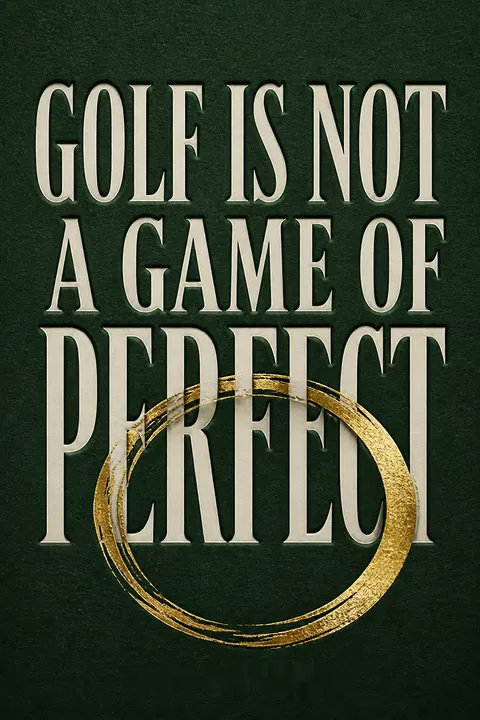
**完美不可及。**高尔夫如同人生,充满不完美和意外挑战。成功的关键不在于避免错误,而在于如何应对。
接纳不完美的策略:
- 对失败保持短期记忆
- 专注下一杆,而非过去
- 享受进步的过程
- 庆祝好球,从差球中学习
接受高尔夫不是完美游戏,能让你摆脱不切实际的期望束缚。此心态让你更自由地挥杆,敢于冒险,最终即使挥杆状态不佳,也能取得更好成绩。
6. 策略与执行:保守计划,果敢挥杆
打你知道能打好的球,而非阿诺德·帕尔默会打的球,甚至不是你认为应该能打的球。
**计划谨慎,挥杆大胆。**成功的高尔夫需要保守策略与自信执行的平衡。选择自己能力范围内的击球,为成功奠定基础,增强整轮比赛的信心。
有效策略要素:
- 诚实评估自身技能
- 选择保守目标
- 发挥自身优势
- 避免不必要风险
- 坚定执行每一杆
此法让你在自我范围内发挥,同时保持积极自信。记住,用较保守的球杆打出自信一击,胜过冒险击球却失去信心。
7. 压力下茁壮成长:专注过程,不惧结果
球员因愤怒、怀疑、恐惧等干扰而失常,称为“哽咽”。
**过程胜过压力。**高压下表现出色的关键,是专注于每一杆的过程,而非结果或分数。保持当下,遵循程序,方能在关键时刻保持冷静。
应对压力技巧:
- 坚持击球前准备程序
- 专注目标,忽略潜在障碍
- 深呼吸,保持放松
- 将紧张转化为兴奋
- 信任准备和能力
紧张是自然且有助表现的。目标不是消除压力,而是有效引导。专注过程,信任技能,你能在压力时刻脱颖而出。
8. 有目的的练习:平衡训练与信任心态
想进步,必须练习。但练习质量比数量更重要。
**有目的的练习更有效。**高效练习需平衡“训练心态”(分析与机械)与“信任心态”(目标导向与接受)。此法确保技术与心理双重提升。
有效练习指南:
- 至少60%时间保持信任心态
- 始终带着明确目标练习
- 练习时完整执行击球前程序
- 重点练习120码以内短杆
- 模拟实战情境与压力
通过有目的练习,平衡两种心态,你将培养出高尔夫场上的巅峰表现所需技能与心态。记住,练习不仅是击球,更是为实战成功做准备。
读者评价
《高尔夫不是完美的游戏》因其对高尔夫心理层面的深刻见解而备受赞誉。读者普遍认可罗特拉强调的自信、积极思维以及建立击球前惯例的重要性。许多人发现书中的建议不仅适用于高尔夫,也同样适合其他运动乃至生活的方方面面。书中关于职业高尔夫球手的轶事引起了一部分读者的共鸣,尽管也有读者认为这些内容略显陈旧。总体来看,评论者反映在应用罗特拉的原则后,成绩有所提升,打球体验更加愉快,尽管少数人对内容的重复性提出了批评。
其他人还在读


常见问题
What's "Golf is Not a Game of Perfect" about?
- Focus on Mental Game: The book emphasizes the importance of the mental aspect of golf, teaching players how to think effectively and efficiently.
- Psychology of Excellence: It explores the psychology behind great golf, highlighting that success is more about mental strength than physical prowess.
- Common Sense Approach: Dr. Bob Rotella shares insights that are simple and logical, often surprising players with their straightforwardness.
- Learning from Champions: The book includes anecdotes and lessons from successful golfers, illustrating principles of golfing excellence.
Why should I read "Golf is Not a Game of Perfect"?
- Improve Mental Skills: It offers strategies to enhance your mental game, which is crucial for consistent performance under pressure.
- Practical Advice: The book provides actionable advice that can be applied to both amateur and professional golfers.
- Inspiration from Success Stories: Learn from the experiences of top golfers and how they overcame mental challenges.
- Broader Life Lessons: The principles discussed can be applied beyond golf, offering insights into achieving excellence in various aspects of life.
What are the key takeaways of "Golf is Not a Game of Perfect"?
- Trust Your Swing: Train your swing and then trust it on the course without overthinking mechanics.
- Focus on the Short Game: Emphasize the importance of the short game, as it significantly impacts scoring.
- Develop a Routine: A consistent preshot routine is crucial for maintaining focus and confidence.
- Positive Thinking: Cultivate a positive mindset and selective memory, focusing on successes rather than failures.
How does Dr. Bob Rotella define confidence in golf?
- Choice of Thoughts: Confidence is about choosing to think positively about your game and focusing on what you want to achieve.
- Not Guaranteed Success: Confidence doesn't guarantee success but enhances the likelihood of performing well.
- Selective Memory: Develop a long-term memory for successes and a short-term memory for failures.
- Consistent Practice: Confidence grows with consistent practice and trusting your abilities.
What is the significance of the short game in "Golf is Not a Game of Perfect"?
- Key to Scoring: The short game is crucial for saving pars and making birdies, impacting overall scores significantly.
- Practice Focus: Spend 70% of practice time on shots from 120 yards and in, honing touch and feel.
- Mental Approach: Approach short shots with a mindset of holing them, not just getting them close.
- Examples from Champions: The book shares stories of champions who excelled by mastering their short game.
How does "Golf is Not a Game of Perfect" suggest handling pressure?
- Stay in the Present: Focus on the current shot and avoid thinking about scores or future holes.
- Routine and Strategy: Stick to your routine and game plan, even under pressure.
- Embrace Nervousness: Understand that being nervous is natural and can enhance performance if managed well.
- Learn from Mistakes: Analyze past experiences to improve handling pressure in future situations.
What role does visualization play in "Golf is Not a Game of Perfect"?
- Imagining Success: Visualize successful shots and outcomes to build confidence and focus.
- Mental Rehearsal: Use visualization as a form of mental practice to prepare for competitive situations.
- Creating Familiarity: Make pressure situations feel familiar through vivid mental imagery.
- Enhancing Performance: Visualization helps in maintaining a positive mindset and executing shots with confidence.
What are some of the best quotes from "Golf is Not a Game of Perfect" and what do they mean?
- "Golf is not a game of perfect." - Emphasizes accepting mistakes and focusing on recovery rather than perfection.
- "A person with great dreams can achieve great things." - Highlights the power of having ambitious goals and the will to pursue them.
- "Confidence is simply the aggregate of the thoughts you have about yourself." - Suggests that confidence is built through positive self-perception and mental discipline.
- "The loss of focus on four or five shots a round makes the difference between great golf and mediocre golf." - Stresses the importance of maintaining concentration throughout the round.
How does Dr. Bob Rotella suggest golfers handle bad shots?
- Acceptance: Accept bad shots as part of the game and focus on the next shot.
- Stay Positive: Avoid negative self-talk and maintain a positive attitude.
- Learn and Move On: Analyze mistakes after the round, not during play, to prevent dwelling on them.
- Focus on Recovery: Use bad shots as opportunities to demonstrate skill in recovery and course management.
What is the importance of a preshot routine according to "Golf is Not a Game of Perfect"?
- Consistency: A preshot routine helps maintain consistency in setup and mental focus.
- Mental Preparation: It prepares the mind to focus on the target and block out distractions.
- Confidence Building: A routine builds confidence by creating a familiar process before each shot.
- Adaptability: While the routine should be consistent, it can be adapted to fit the player's personality and needs.
How does "Golf is Not a Game of Perfect" address the concept of free will in golf?
- Choice of Thoughts: Golfers have the free will to choose their thoughts and focus on positive outcomes.
- Mental Control: Emphasizes the power of controlling one's mental state to influence performance.
- Overcoming Victim Mentality: Encourages golfers to take responsibility for their mental game rather than blaming external factors.
- Empowerment: Free will empowers golfers to shape their confidence and approach to the game.
What strategies does "Golf is Not a Game of Perfect" offer for improving practice sessions?
- Quality Over Quantity: Focus on the quality of practice rather than the number of balls hit.
- Trusting Mentality: Spend at least 60% of practice time in a trusting mentality, focusing on targets and routine.
- Short Game Emphasis: Prioritize practicing the short game, as it has the most significant impact on scoring.
- Simulate Pressure: Incorporate competitive drills and visualization to simulate pressure situations during practice.
下载 PDF
下载 EPUB
.epub digital book format is ideal for reading ebooks on phones, tablets, and e-readers.








































