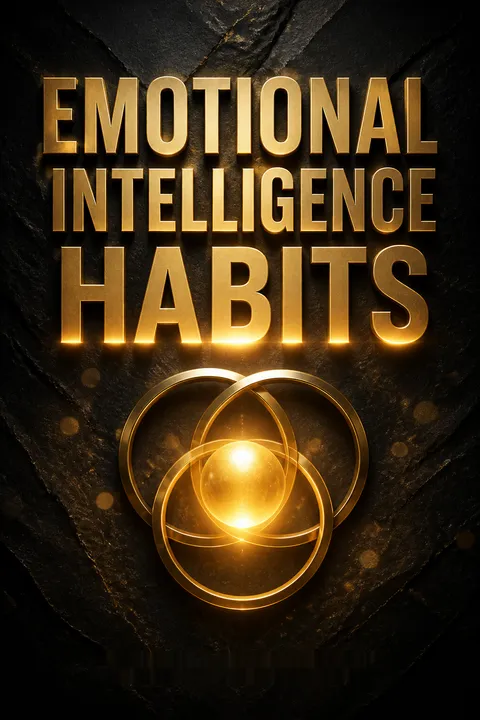

核心要点
1. 情商:成功的基石
“情商是你识别和理解自己及他人情绪的能力,以及利用这种觉察来管理自身行为和人际关系的能力。”
情商的力量。 情商(EQ)是个人和职业成功的关键因素,往往比智商更为重要。研究表明,情商决定了58%的工作表现,高情商者的年收入平均比低情商者高出2.9万美元。
情商的四大组成。 情商包含四项核心技能:
- 自我觉察:识别自身情绪及其影响
- 自我管理:控制情绪反应和行为
- 社会觉察:理解他人情绪和视角
- 关系管理:运用情绪理解建立稳固联系
与智商不同,情商可以在一生中不断培养和提升。专注于这四个方面,能增强你应对社会复杂性的能力,做出更优决策,并在个人与职业领域取得更大成功。
2. 自我觉察:理解情绪的关键
“自我觉察即真实地认识自己。”
情绪识别。 自我觉察是情商的基础,指的是准确识别和理解自身情绪的能力。它让你明白情绪如何影响思维、行为和决策。
提升自我觉察。 你可以通过以下方法增强自我觉察:
- 练习正念和定期自我反思
- 记录情绪变化的日记
- 寻求可信赖的朋友、家人或同事反馈
- 关注情绪带来的身体反应
- 识别触发情绪的因素和倾向
清晰了解自己的情绪状态,能帮助你做出更明智的选择,更有效地应对挑战,并建立更稳固的人际关系。自我觉察还让你认识自身优劣,专注于个人成长和提升。
3. 自我管理:掌控情绪反应
“自我管理确保你利用对情绪的理解,主动选择言行。”
情绪控制。 自我管理是调节情绪和行为的能力,即使在困难情境下也能保持冷静。它帮助你适应变化,保持积极心态。
自我管理策略:
- 练习深呼吸和放松技巧
- 重新框架负面情境,寻找积极面
- 设定明确目标,合理安排任务优先级
- 培养健康的压力应对方式
- 培养乐观和韧性
有效的自我管理让你专注目标,理性决策,维持良好人际关系。掌控情绪反应,避免冲动行为,能让你在各种情境中做出更周全的回应,最终带来更佳的个人和职业成果。
4. 社会觉察:洞察并回应他人
“社会觉察是准确捕捉他人情绪,理解其真实状况的能力。”
同理与理解。 社会觉察指识别和解读他人情绪的能力,即使这些情绪与你不同。它帮助你更有效地处理社交场合,恰当回应他人需求和感受。
提升社会觉察:
- 练习积极倾听,避免打断
- 关注非语言信号和肢体语言
- 设身处地理解他人视角
- 观察不同社交环境中的群体动态
- 培养对他人经历和背景的好奇心
增强社会觉察能帮助你建立更紧密的人际关系,改善沟通,营造积极支持的环境。此技能对领导者尤为重要,有助于更好地理解和激励团队成员。
5. 关系管理:构建稳固联系
“关系管理是利用对自己和他人情绪的觉察,成功管理互动的能力。”
人际效能。 关系管理是运用情商建立并维持积极关系的能力。它让你清晰沟通,解决冲突,激励并影响他人。
关系管理要点:
- 清晰有效的沟通
- 冲突解决与问题处理
- 激励和鼓舞他人
- 建立信任与融洽
- 团队协作与合作
掌握关系管理,你能在个人和职业领域构建支持性强、富有成效的人际网络。此技能对领导力至关重要,帮助你引导团队、有效谈判,营造积极的组织文化。
6. 培养成长型思维,实现持续进步
“拥有成长型思维,你相信通过努力和坚持可以发展和提升能力。”
拥抱挑战。 成长型思维相信能力和智力可通过努力、学习和坚持不断提升。这种思维对情商至关重要,激励持续自我完善和面对挑战时的韧性。
培养成长型思维:
- 将失败视为学习和成长的机会
- 把挑战当作发展新技能的契机
- 注重学习过程而非仅关注结果
- 主动寻求反馈和建设性批评
- 赞赏努力和坚持,而非天赋
采纳成长型思维,能让你保持开放心态,从挫折中学习,不断提升技能。此方法促进韧性、适应力和终身个人及职业发展。
7. 压力管理:压力下保持冷静
“压力不仅是表现杀手,更是生命杀手。”
抗压能力。 有效的压力管理是情商的重要组成,帮助你在高压环境中保持冷静,做出明智决策。长期压力会损害身心健康,因此压力管理是整体健康的关键技能。
压力管理策略:
- 练习正念和冥想
- 定期进行体育锻炼
- 保持工作与生活平衡
- 培养时间管理和任务优先级能力
- 建立坚实的支持网络
掌握压力管理技巧,能提升情绪调节能力,保持专注,维护身心健康。此技能在高压工作环境和领导岗位尤为重要,能显著影响决策和团队氛围。
8. 沟通:有效表达的艺术
“沟通是领导的真正工作。”
清晰表达。 有效沟通是情商的基石,指清晰、有说服力地表达思想、情感和观点,同时善于倾听他人视角。
有效沟通要素:
- 积极倾听与共情
- 清晰简洁的口头表达
- 适当运用非语言信号
- 根据不同受众调整沟通风格
- 提供并接受建设性反馈
掌握沟通技巧,能建立更牢固的人际关系,更有效解决冲突,激励和影响他人。在职场中,强大的沟通能力是领导力、团队合作和组织成功的关键。
9. 领导力:激励与引导他人
“领导力是说服的艺术——激励人们超越自我,为更伟大的目标努力。”
有影响力的引导。 情商领导力是激励、引导他人朝共同愿景迈进的能力,需结合自我觉察、同理心和有效沟通。
情商领导者特质:
- 以身作则,展现诚信
- 授权并培养团队成员
- 提供清晰愿景和方向
- 根据个体需求调整领导风格
- 营造积极包容的工作环境
发展情商领导力,能打造高效团队,推动组织成功,激发他人潜能。此领导方式促进信任、忠诚和承诺,带来更佳成果和积极文化。
10. 冲突解决:驾驭艰难对话
“健康的冲突直接且建设性地解决问题,不忽视或轻视任何一方的需求。”
建设性对话。 冲突解决是情商的重要技能,指以积极方式处理分歧和挑战。有效解决冲突能增强关系,催生创新方案。
冲突解决步骤:
- 保持冷静沉着
- 积极倾听,理解各方观点
- 聚焦问题,避免人身攻击
- 寻求共同点和利益
- 合作寻找互利解决方案
掌握冲突解决技能,能将潜在破坏转化为成长契机。此能力在职场尤为重要,提升团队氛围、提高效率,营造更积极环境。
11. 培养积极习惯,实现长远成功
“你是习惯的总和。让坏习惯主导,会极大阻碍成功之路。”
持续改进。 培养积极习惯是实现长远成功和提升情商的关键。习惯塑造日常行为,最终影响品格和成就。
建立积极习惯策略:
- 从小处着手,专注单一习惯
- 创造支持新习惯的环境
- 运用“提示→行为→奖赏”的习惯循环
- 追踪进展,庆祝小胜利
- 保持耐心和坚持,给予习惯形成时间
有意识地培养积极习惯,能提升情商,提高效率,实现个人和职业领域的更大成功。习惯养成需时且需努力,但长远回报值得付出。
读者评价
《情商习惯》获得了极高的评价,读者普遍赞赏其切实可行的建议、可操作的策略以及全面提升情商的方法。许多人认为本书的结构设计合理,便于针对具体提升领域进行重点学习,尤为实用。评论者们认可书中所引用的科学依据和丰富的现实案例。尽管部分读者指出内容存在重复或对某些观点持保留态度,但大多数人认为本书具有变革性,帮助他们改善了个人与职业关系,提升了压力管理能力,并养成了更好的习惯。
其他人还在读






常见问题
What's Emotional Intelligence Habits about?
- Focus on EQ: The book emphasizes the significance of emotional intelligence (EQ) in achieving personal and professional success, distinguishing it from cognitive intelligence (IQ).
- Practical Habits: It offers over 30 actionable habits to enhance EQ, covering areas like stress management, relationship building, and decision-making.
- Real-World Applications: The book illustrates how EQ can improve outcomes in various situations, equipping readers with tools to navigate emotions effectively.
Why should I read Emotional Intelligence Habits?
- Enhance Personal Growth: Understanding and improving your EQ is crucial for personal development, influencing behavior and decision-making.
- Boost Professional Success: EQ accounts for 58% of performance in all jobs, and improving it can enhance productivity and leadership skills.
- Improve Relationships: The habits in the book help build stronger, more authentic relationships through better communication and conflict resolution.
What are the key takeaways of Emotional Intelligence Habits?
- Four Core Competencies: EQ is broken down into self-awareness, self-management, social awareness, and relationship management.
- Importance of Mindset: A growth mindset is crucial for developing EQ, impacting your ability to succeed.
- Practical Strategies: The book provides strategies like mindfulness and stress management for immediate application.
What are the best quotes from Emotional Intelligence Habits and what do they mean?
- “Emotional intelligence is your ability...”: Highlights the role of EQ in personal and interpersonal effectiveness by recognizing emotions.
- “Good decisions require far more...”: Emphasizes that emotional mastery is critical for sound decision-making beyond factual knowledge.
- “Happiness depends upon ourselves.”: Encourages taking responsibility for emotional well-being through actions and mindset.
How does Emotional Intelligence Habits define emotional intelligence?
- Understanding Emotions: EQ is the ability to recognize, understand, and manage your own and others' emotions.
- Applying Emotions: It involves using emotions to facilitate thinking and decision-making.
- Developing Skills: EQ can be developed through practice and intentional effort, enhancing it over time.
How can I increase my self-awareness according to Emotional Intelligence Habits?
- Reflect on Emotions: Take time to think about your emotions and triggers to improve self-awareness.
- Seek Feedback: Ask trusted friends or colleagues for feedback to gain insights into how others perceive you.
- Keep a Journal: Writing down thoughts and feelings helps clarify emotions and track growth over time.
What strategies does Emotional Intelligence Habits suggest for managing stress?
- Practice Mindfulness: Mindfulness techniques help stay present and reduce stress by becoming aware of thoughts and feelings.
- Limit Caffeine Intake: Reducing caffeine can improve stress management by decreasing anxiety and improving sleep.
- Engage in Physical Activity: Regular exercise releases endorphins, improving mood and combating stress.
How does Emotional Intelligence Habits define self-management?
- Control Over Emotions: Self-management involves using emotional awareness to direct behavior positively.
- Flexibility in Responses: It allows adapting responses based on context, maintaining composure in challenges.
- Long-Term Goal Orientation: Involves delaying gratification to achieve long-term goals, aligning actions with values.
What is the significance of a growth mindset in Emotional Intelligence Habits?
- Embracing Challenges: A growth mindset views challenges as learning opportunities, fostering resilience.
- Learning from Failure: Sees failure as a stepping stone to success, using mistakes to inform future decisions.
- Increased Motivation: Reinforces the belief that effort leads to improvement, driving pursuit of goals.
How can I improve my relationships according to Emotional Intelligence Habits?
- Practice Active Listening: Truly listening fosters understanding and connection, making others feel valued.
- Use Positive Body Language: Non-verbal cues like open body language and eye contact enhance rapport.
- Address Conflicts Constructively: Handle conflicts with empathy and respect to strengthen relationships.
What are cognitive biases, and how do they affect decision-making in Emotional Intelligence Habits?
- Definition of Cognitive Biases: Systematic patterns of deviation from rational judgment, leading to illogical conclusions.
- Impact on EQ: Cognitive biases can cloud judgment and hinder EQ, making awareness crucial for informed decisions.
- Common Examples: Includes confirmation bias and halo effect, recognizing them helps mitigate their effects.
How does Emotional Intelligence Habits suggest I deal with toxic people?
- Set Boundaries: Establish clear boundaries to protect emotional well-being, deciding when and how to engage.
- Focus on Solutions: Emotionally intelligent people focus on solutions, maintaining control and reducing stress.
- Use Support Systems: Lean on friends, family, or colleagues for perspective and coping strategies.


下载 PDF
下载 EPUB
.epub digital book format is ideal for reading ebooks on phones, tablets, and e-readers.








































