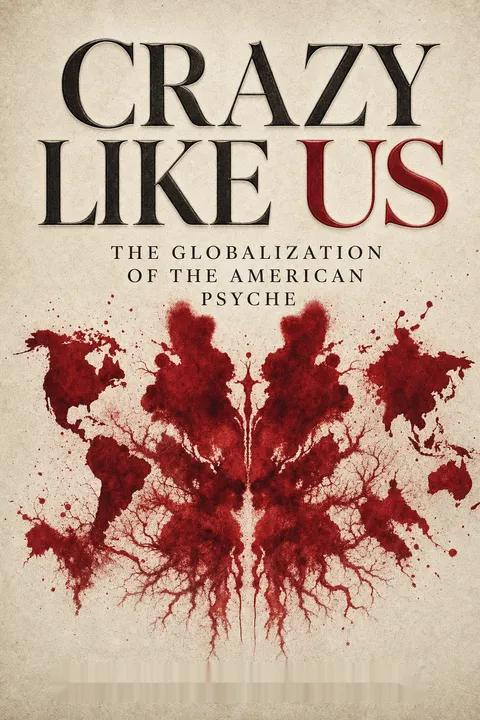

核心要点
1. 美国心灵的全球输出
我们的金色拱门并非对其他文化影响最深远的问题,真正的问题在于我们正在扁平化人类心灵的多样性。
心灵的同质化。 本书指出,美国文化对全球最深刻且令人不安的影响,不仅仅是通过麦当劳式的消费主义,而是通过其对人类心灵和精神疾病理解的广泛输出。这种“美国化”的心灵观正在抹平人类痛苦的多样性,用西方的诊断类别和治疗方法取代独特的文化表达。尽管这一过程常怀善意,却对全球精神健康产生了意想不到且深远的后果。
意外的后果。 过去三十年间,美国关于精神疾病的定义和治疗理念已成为国际标准,导致全球对精神痛苦的体验和解读趋于同质化。书中强调,这种影响在全球精神疾病表现的变化中尤为明显,比如香港饮食失调症的兴起、灾难后PTSD的普遍接受,以及一种极具美国色彩的抑郁症版本在全球传播。
病毒就是我们自己。 核心观点是,传播这些精神疾病表现的“病毒”正是美国文化本身。通过教导世界以我们的方式理解心灵,我们无意中统一了人们“疯狂”的方式。这引发了对精神疾病构建普遍性及西方科学文化假设对多样化人类痛苦体验影响的深刻质疑。
2. 精神疾病是文化建构的产物
归根结底,所有精神疾病,包括看似显而易见的抑郁症、PTSD,甚至精神分裂症,都与歇斯底里性腿瘫、气虚症、扎尔等历史上各种精神疾病一样,深受文化信仰和期待的塑造与影响。
痛苦的多样性。 精神疾病在全球范围内并非均匀分布或表现,而是以无数复杂且独特的形式出现,深受当地文化和历史背景塑造。例如:
- 印尼男性的“狂乱症”:先是郁结,继而爆发杀戮狂怒。
- 东南亚男性的“阴茎缩缩症”:坚信生殖器正在萎缩。
- 中东的“扎尔”:被灵魂附体,导致哭泣、笑声、喊叫和歌唱的解离发作。
这些“文化特定综合征”凸显了精神痛苦与特定文化叙事和信仰的深度交织。
历史的流动性。 疯狂的表现形式在同一文化中也随时间变化。伊恩·哈金的《疯狂旅行者》记录了维多利亚时代欧洲一度流行的短暂神游状态,年轻男子会在恍惚中徒步数百英里。同样,19世纪中叶上层女性中流行的歇斯底里性腿瘫反映了当时社会对女性角色的限制。这些例子表明,症状是“时代精神的闪电”,是特定时间和地点的产物,而非不变的生物事实。
超越生物医学。 西方精神健康常假设精神疾病的生物医学科学理解超越文化影响。然而,跨文化研究显示,人们总是依赖文化信仰和故事——无论是灵魂附体还是血清素缺乏——来理解自身痛苦。这些叙事深刻影响疾病的体验、进程和结果,挑战了普遍且独立于文化的疾病观念。
3. “症状库”效应:意识如何塑造疾病
患者无意识地努力产生符合当时医学诊断的症状。
无意识的采纳。 经历心理痛苦的人常从文化认可的“症状库”中汲取表达痛苦的方式。当一种新疾病类别被医学界和媒体正式命名、描述并普及时,它便进入这一症状库,成为个体无意识中表达内心痛苦的更可能选择。这种动态形成反馈回路,公众和专业关注无意中增加了某些疾病的发生率。
历史先例。 爱德华·肖特关于维多利亚时代欧洲歇斯底里和厌食症的研究说明了这一点。1873年厌食症尚未被正式认可前,自我节食是罕见且模糊的症状。一旦被拉塞格等著名医生命名和讨论,它便成为痛苦的“模板”,导致病例激增。医学界通过确认这一症状,无意中传播了患者行为和医生反应的模式。
现代类比。 这一现象并非历史遗留。20世纪末多重人格障碍(现称解离性身份障碍)的突然兴起,或卡伦·卡彭特去世后厌食症的激增,均显示公众和专业关注能使某疾病走向显著。这表明精神健康专业人士在研究和宣传疾病时,虽无意,却不可避免地参与了疾病的维持和塑造。
4. 厌食症的变迁:从躯体不适到恐惧肥胖
例如,大多数患者并未表现出西方厌食症患者常见的恐惧肥胖,也未因误判身体虚弱而认为自己超重。
非典型表现。 在西方影响之前,香港的厌食症表现不同。李星博士早期的患者常否认恐惧肥胖或为美观而减重,反而将拒食归因于腹胀、胃肠不适等身体原因,反映了中国历史上将心理痛苦躯体化的倾向。他们并非西方文献中的“金发女孩”,多来自贫困家庭,缺乏西方厌食症患者中常见的道德优越感。
历史回声。 李博士发现其“非典型”香港患者与19世纪欧洲早期自我节食者极为相似,后者在厌食症被正式诊断前也报告躯体不适(喉咙有块、消化痛苦),而非恐惧肥胖。这表明他目睹的是一种罕见的、未受西方身体形象文化影响的20世纪前自我节食表现。
转折点。 1994年14岁少女许芝颖之死在香港媒体广泛报道,成为“流行病学触发点”。新闻报道引用西方专家和《精神障碍诊断与统计手册》(DSM),引入了强调恐惧肥胖和身体形象扭曲的“西方模板”。此后,香港厌食症表现迅速转变,患者越来越多地报告恐惧肥胖为主要动机,显示进口诊断框架重塑了疾病体验本身。
5. PTSD的西方视角:忽视本土韧性并造成伤害
受害者对创伤事件的处理取决于其意义,而这种意义源自其社会和文化,进而影响其寻求帮助的方式和康复期望。
创伤的普遍化。 2004年海啸后,西方精神健康专家急赴斯里兰卡,预测“第二波”PTSD浪潮,主张立即心理干预。他们假设创伤反应具有普遍性,西方方法优越,常将当地应对机制视为“否认”。结果是大量缺乏文化和语言理解的外籍辅导员涌入,广泛使用无法捕捉本地痛苦表达的PTSD量表。
文化脱节。 斯里兰卡学者警告勿将幸存者经历简化为“精神创伤”,强调创伤意义源于文化。费尔南多博士研究发现,斯里兰卡人常以躯体症状(疼痛、酸痛)体验创伤,且主要关注社会关系受损,而非焦虑或麻木等内在心理状态。他们的幸福感深植于社会角色和社区联系,个体主义的西方咨询可能适得其反。
削弱韧性。 西方干预如坚持直接“讲真话”常与斯里兰卡“谨慎言辞”习俗冲突,后者旨在遏制暴力、防止升级。人类学家阿尔根蒂-皮伦发现,鼓吹“无畏”并病理化含糊言辞可能破坏脆弱的社会平衡,无意中解除暴力制约。这凸显强加西方创伤叙事可能削弱本土疗愈实践,反而带来伤害。
6. 精神分裂症的更好预后:文化接纳的力量
我们对精神疾病的言说,反映了我们的价值观和恐惧。
结果的悖论。 跨文化研究,尤其是两项大型世卫组织研究,揭示了令人困惑的发现:发展中国家(如印度、尼日利亚)被诊断为精神分裂症者,长期预后往往优于工业化国家(如美国、丹麦),症状较轻,社会功能更佳。这挑战了纯生物医学视角,表明文化和社会因素对疾病进程和结果有重要影响。
低表达情绪。 关键因素之一是家庭中的“表达情绪”(EE),包括批评、敌意和情感过度介入。发展中国家家庭通常表现出较低的EE,为患者营造更包容、少批判的环境。在桑给巴尔,朱莉·麦格鲁德观察到阿米娜一家对精神分裂症亲属表现出惊人的宽容和平静,将疾病视为“上帝的旨意”或应承担的负担,而非个人失败需批评或“修正”。
灵魂附体作为缓冲。 桑给巴尔的传统信仰如灵魂附体,反而减少了污名。怪异行为被归因于外在灵体(精灵),使其更易被理解和宽恕。这些信仰还提供了社会认可的干预方式(仪式、祈祷),使病人得以融入社会群体,并在缓解期获得“清白”的健康证明。这与西方常将精神病患者孤立和污名化的做法形成鲜明对比。
7. 污名的悖论:生物医学解释反而加剧社会隔离
研究结果表明,当问题被描述为疾病时,我们可能对患者更为苛刻。
意外的后果。 西方精神健康专业人士和倡导团体大力推广“脑疾病”或生物医学模型,认为这能通过将责任从个人转移到生物因素来减少污名。然而研究显示,随着生物原因信念的全球增加,精神病患者被视为危险且被社会疏远的现象也在加剧。这种“污名悖论”在德国和土耳其等国尤为明显,支持生物原因者更倾向于保持社交距离。
去人性化效应。 生物医学叙事虽表面富有同情心,却暗示由基因或生化异常导致的脑部疾病比因生活事件引发的精神问题更根本且不可逆。这导致精神病患者被视为“几乎是另一物种”,一项研究显示,当精神疾病被描述为“疾病”时,受试者对患者施加的电击更重,而描述为“心理社会”时则较轻。这种去人性化效应为加强控制和批评提供了正当性,如阿卜杜勒里达对其姐姐沙兹林的对待所示。
“只是化学反应”。 将复杂的人类体验——爱、痛苦、喜悦——简化为“仅仅是化学反应”,对精神病患者极具污名化和贬低作用。它剥夺了患者对自身挣扎的个人意义和身份认同,使其感到自己是“有缺陷的生物单元”。这一叙事虽被许多健康人视为科学真理,却很少被应用于他们自身情感,凸显其在精神痛苦领域的孤立和不受欢迎。
8. 疾病的超级营销:制药如何重塑日本的抑郁症
要让帕罗西汀在日本畅销,仅仅占据抑郁症患者这一小市场远远不够,目标是从根本上影响日本人对悲伤和抑郁的理解。
创造市场。 2000年代初,制药巨头葛兰素史克(GSK)面临日本抗抑郁药市场狭小的挑战,因为“抑郁症”(utsubyô)被视为罕见、严重、带有高度污名的精神病。GSK发起“超级营销”运动,不仅销售药物,更从根本上重塑日本公众对悲伤和抑郁的认知,将其转变为常见且可治疗的医学状况。这一策略基于对文化细节的深刻理解,借助劳伦斯·柯迈尔等专家的洞见。
历史阻力。 日本对痛苦的理解历史悠久且多样:
- 江户时代的“虚衰”:气机停滞,非疾病,而是需赋予社会或道德意义的状态。
- 20世纪初的“神经衰弱”:现代病,最初为精英病,后普及,最终再度污名化。
- 战后“内源性抑郁”:严重遗传性精神病。
- 20世纪中叶的“忧郁型人格”:被视为勤奋和同情心的象征。
日语中表达悲伤的词汇(如忧郁、气塞)常伴随躯体症状,反映较少个体化的自我,忧郁常被视为塑造性格的过程。
“失落的十年”契机。 1990年代经济衰退及高自杀率引发社会焦虑。大岛一郎“过劳死”诉讼将自杀与抑郁联系起来,改变公众认知。神户地震进一步凸显日本精神健康应对的不足。加之彼得·克莱默《聆听百忧解》的电视专题,为日本公众接受新抑郁观念创造了有利条件。
9. “心灵感冒”:抑郁症的战略性常态化
“抑郁症如同‘心灵感冒’”的口号,使过多的人将非疾病状态误认为需医疗干预。
“心の風”隐喻。 GSK的营销巧妙运用“心の風”(心灵感冒)隐喻,将抑郁症在日本常态化。该短语传递三重信息:
- 抑郁非utsubyô那样严重且污名化,而是常见病。
- 服药治疗抑郁如同感冒药,简单无忧。
- 抑郁如感冒般普遍,人人或多或少都会经历。
这一隐喻有效软化了抑郁的负面联想,使其更易被日本公众接受。
多渠道影响。 GSK采取多元策略绕过直接面向消费者广告禁令:
- 临床试验招募广告兼具品牌推广功能。
- 公益广告广泛定义抑郁,鼓励求助。
- 网络营销(如GSK资助的“utu-net.com”患者倡导网站)提供自测问卷。
- 媒体充斥抑郁症上升报道,常强调SSRI益处。
- 利用公众人物如皇太子妃雅子,其抗抑郁药使用提升药品知名度。
- 经济视角将未治疗抑郁与生产力损失挂钩,迎合经济衰退中的国民焦虑。
矛盾却有效。 营销信息常显矛盾,混合严重内源性抑郁与受推崇的忧郁人格,将过劳归因于脑化学失衡。但其连贯性次于效果,成功将抑郁塑造成合法且普遍关注的问题,诊断率和帕罗西汀销量显著增长,尽管日本人最初对情绪调节药物持抵触态度。
10. 科学的妥协:疗效与安全的幻象
如今已难以相信大部分发表的临床研究,亦难以完全依赖可信医生或权威医疗指南的判断。
血清素神话。 SSRI营销的基石之一是抑郁由“化学失衡”或血清素缺乏引起,SSRI能恢复平衡。然而,这一“血清素耗竭假说”早在1970年即被其提出者公开放弃,且从未被科学证实。所谓SSRI恢复自然平衡是营销故事,而非科学事实,其作用是广泛改变脑化学,而非纠正特定缺陷。
代笔与数据操控。 大卫·希利揭露制药公司如何系统控制科学知识生产。通过资助大型研究、雇佣医学写作公司为知名学者代笔、选择性发表阳性结果并掩盖或扭曲负面数据,药企制造了药物疗效和安全性的扭曲图景。这一做法已成为公众丑闻,葛兰素史克及帕罗西汀尤为典型。
帕罗西汀的隐秘风险。 2001年一项由布朗大学著名精神科医生领导的青少年帕罗西汀研究,公开发表为“总体耐受良好且有效”。但葛兰素史克内部文件显示,研究实际显示疗效“不够强劲”,严重副作用(包括住院和自杀未遂)发生率比安慰剂高出五倍以上。这种故意歪曲数据暴露了科学诚信的沦丧,误导医生和患者对药物利弊的真实判断。
11. “帮助”的危险:破坏全球精神健康多样性
试图用最新西方精神健康理论缓解全球化带来的心理压力,非解决之道,反成问题一部分。
全球意义危机。 2009年全球经济危机如同以往社会动荡,为新精神疾病类别和治疗提供了温床。比如提出的“创伤后怨恨障碍”(PTED),反映了西方将社会经济困境反应病理化的倾向。持续创造和输出新疾病,常伴随药物营销,风险在于进一步同质化人类痛苦,削弱多元文化对苦难意义的建构。
“毯子”比喻。 不顾文化差异输出西方精神健康模式,如同“给病人发毯子,却不顾毯子里隐藏的病原体”。这些干预虽出于善意,却可能无意中加剧痛苦:
- 破坏本土疗愈信仰。
- 否定文化构建的自我观念。
- 强加极端个体主义和过度内省的心灵观。
重新思考慷慨。 西方心灵观受笛卡尔二元论、弗洛伊德心理学和自助哲学影响,常将心灵简化为“头骨中的化学混合物”,与社会和自然世界割裂。其他文化则维系心、身、群体的紧密联系。书中呼吁对这种“慷慨”进行批判性反思,警示我们自信宣称的普世精神健康方案,可能源于自身文化偏见和不安全感,最终侵蚀了人类理解与韧性的宝贵多样性。
读者评价
《疯狂如我们》探讨了西方心理健康观念如何被全球传播,且常常带来负面影响。作者沃特斯考察了香港的厌食症、斯里兰卡的创伤后应激障碍、赞济巴尔的精神分裂症以及日本的抑郁症,揭示了精神疾病在不同文化中的多样表现。评论者称赞书中引人入胜的案例分析以及对制药公司和西方心理帝国主义的批判;但也有人质疑其新闻报道手法缺乏深度或不够专业。大多数读者认为本书发人深省,是理解文化对心理健康影响的重要读物,尽管也存在对数据选择性使用和过度简化的担忧。
其他人还在读


常见问题
What is Crazy Like Us: The Globalization of the American Psyche by Ethan Watters about?
- Global spread of American psychiatry: The book examines how American psychiatric concepts and diagnoses, such as anorexia, PTSD, schizophrenia, and depression, are being exported worldwide, reshaping local understandings of mental health.
- Cultural shaping of mental illness: Watters argues that mental illnesses are not universal but are deeply influenced by cultural beliefs, social contexts, and historical moments.
- Case studies as evidence: Through detailed stories from Hong Kong, Sri Lanka, Zanzibar, and Japan, the book illustrates the complex interplay between Western psychiatric models and local traditions.
- Consequences of globalization: The narrative highlights both the intended and unintended effects of imposing Western mental health frameworks globally, including increased stigma and loss of indigenous healing practices.
Why should I read Crazy Like Us by Ethan Watters?
- Challenges Western assumptions: The book encourages readers to question the universality of Western psychiatric diagnoses and treatments, revealing the cultural biases embedded in mental health care.
- Broadens cultural perspective: It provides a nuanced understanding of how mental illness is experienced and managed differently across cultures, moving beyond the Western biomedical model.
- Exposes pharmaceutical influence: Watters uncovers how drug companies shape cultural narratives about mental illness to expand markets for medications.
- Cautionary insights: Readers gain awareness of the risks and unintended consequences of globalizing Western mental health concepts without cultural sensitivity.
What are the key takeaways from Crazy Like Us by Ethan Watters?
- Mental illnesses are culturally shaped: Disorders like anorexia, PTSD, and schizophrenia are not fixed entities but are deeply influenced by local beliefs and social contexts.
- Globalization homogenizes mental illness: The export of American psychiatric categories and treatments often erases local understandings and can cause harm.
- Cultural sensitivity is crucial: Effective mental health care requires understanding and respecting local beliefs and practices rather than imposing Western models.
- Unintended consequences: Well-meaning interventions can inadvertently reinforce or spread mental illnesses by shaping cultural symptom pools and disrupting indigenous healing traditions.
How does Ethan Watters in Crazy Like Us explain the cultural shaping of mental illness?
- Culture as symptom shaper: Mental illnesses manifest differently depending on cultural beliefs, social roles, and historical context, meaning the same disorder can look very different across societies.
- Symptom pools and templates: The book introduces the concept of a “symptom pool,” where certain symptoms become culturally available ways to express distress, and new illness categories can spread rapidly.
- Cultural feedback loops: Interactions between medical professionals, media, and patients reinforce certain illness expressions, influencing the rise or decline of specific mental illnesses within a culture.
- Idioms of distress: Watters highlights that people use culturally specific ways to express psychological suffering, which may not align with Western diagnostic categories.
What are the main case studies in Crazy Like Us and what do they illustrate?
- Anorexia in Hong Kong: The transformation of anorexia’s symptoms and meaning after Western psychiatric concepts entered public consciousness, leading to a rise in Western-style cases.
- PTSD in Sri Lanka: The imposition of Western trauma models after the 2004 tsunami, which often clashed with local beliefs and healing practices.
- Schizophrenia in Zanzibar: How spirit possession and Islamic teachings shape family responses, often resulting in better outcomes than in Western contexts.
- Depression in Japan: The marketing of Western depression concepts and antidepressants, which altered traditional Japanese views of sadness and mental health.
How does Crazy Like Us by Ethan Watters critique the globalization of PTSD after the 2004 tsunami in Sri Lanka?
- Western assumptions imposed: Mental health professionals assumed PTSD was a universal response to trauma and applied Western diagnostic and treatment models without sufficient cultural understanding.
- Cultural disconnect: Sri Lankan beliefs emphasize social relationships and somatic symptoms, with local healing traditions playing a crucial role in recovery.
- Potential harm of interventions: The influx of Western trauma counselors sometimes disrupted local social dynamics and healing practices, destabilizing communities.
- Undermining indigenous coping: Imposing Western models can unintentionally undermine local resilience and coping mechanisms.
What does Crazy Like Us by Ethan Watters reveal about schizophrenia in Zanzibar and the role of expressed emotion?
- Better outcomes in developing countries: Research shows people with schizophrenia in Zanzibar often have better long-term outcomes than those in industrialized nations.
- Cultural beliefs and family dynamics: Spirit possession and religious teachings shape understanding and management, with families showing low expressed emotion (criticism, hostility).
- Emotional environment matters: Calm, tolerant family environments in Zanzibar may contribute to improved prognosis, contrasting with high-stress Western households.
- Expressed emotion defined: High expressed emotion in Western families is linked to beliefs in personal control and accountability, which can increase stress for patients.
How does Crazy Like Us by Ethan Watters address the role of pharmaceutical companies in the globalization of mental illness?
- Profit motives: Drug companies have financial incentives to promote universal disease categories, expanding markets for their medications worldwide.
- Marketing diseases: Pharmaceutical companies market not just drugs but the very diseases they treat, shaping public and professional perceptions of mental illness.
- Influence on treatment paradigms: This commercial influence reinforces the biomedical model and accelerates the spread of American mental health concepts globally.
- Ethical concerns: The book exposes ghostwriting, data suppression, and manipulation of scientific studies to promote medications like SSRIs.
What does Crazy Like Us by Ethan Watters say about the marketing and cultural transformation of depression in Japan?
- Mega-marketing campaign: Pharmaceutical companies launched campaigns to redefine Japanese cultural understandings of depression, creating a market for SSRIs like Paxil.
- Traditional views of sadness: Japan historically valued melancholy as a natural or even virtuous state, not a medical illness.
- "Cold of the soul" metaphor: Marketers reframed depression as kokoro no kaze, a common and treatable illness, to reduce stigma and encourage medication use.
- Scientific and ethical controversies: The book details how companies manipulated data and downplayed side effects to promote antidepressants.
What is the significance of the DSM and American psychiatric categories in Crazy Like Us by Ethan Watters?
- DSM as global standard: The American Psychiatric Association’s DSM has become the worldwide reference for diagnosing mental illnesses, exporting American concepts globally.
- Homogenization of mental illness: DSM categories, developed in a specific cultural context, are being applied universally, often ignoring local variations and meanings.
- Impact on diagnosis and treatment: Universal application can obscure culturally specific symptoms, leading to misdiagnosis and ineffective or harmful treatments.
- Loss of local understanding: The spread of DSM categories can erase indigenous idioms of distress and healing traditions.
What are the key concepts introduced in Crazy Like Us by Ethan Watters about mental illness and culture?
- Symptom pool: A cultural repertoire of symptoms available for expressing psychological distress, which changes over time and place.
- Expressed emotion: A family environment characterized by criticism, hostility, and emotional overinvolvement, linked to worse outcomes in schizophrenia.
- Cultural feedback loop: The dynamic interaction between medical professionals, media, and patients that shapes the prevalence and expression of mental illnesses.
- Idioms of distress: Culturally specific ways people express and experience psychological suffering, which may not align with Western diagnostic categories.
What are the broader implications and lessons for global mental health from Crazy Like Us by Ethan Watters?
- Cultural humility needed: Mental health interventions must respect and integrate local beliefs and practices rather than impose Western models uncritically.
- Risks of globalization: Exporting Western psychiatric categories can increase stigma, disrupt local healing, and sometimes worsen suffering.
- Pharmaceutical influence: The globalization of mental illness is intertwined with corporate marketing strategies that shape cultural understandings for profit.
- Call for rethinking: Watters advocates for more culturally sensitive, socially grounded approaches to mental health care worldwide.
下载 PDF
下载 EPUB
.epub digital book format is ideal for reading ebooks on phones, tablets, and e-readers.








































