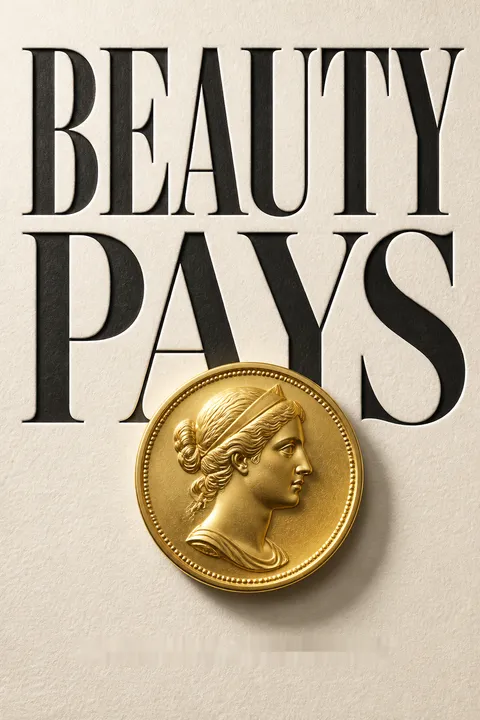

核心要点
1. 美貌的经济价值:真实且具影响力的经济因素
经济学视角将美貌视为稀缺且可交易的资源。
美貌作为商品。 本书主张,美貌如同其他稀缺资源一样,具有经济价值。人们愿意花费时间和金钱来提升外貌,这种消费推动了整个产业的发展。这不仅仅是虚荣心作祟,更是因为美貌在生活的多个方面带来了显著的优势。
- 平均每个美国家庭每年在服装和个人护理上的花费达数百美元。
- 这部分开支占据了消费者总支出的重要比例。
- 对外貌的关注并非现代或特定文化的专属现象。
稀缺性与价值。 美貌之所以稀缺,是因为并非人人都被认为同样有吸引力。这种稀缺性催生了对美貌的需求,使其成为一种可交易的商品。人们用美貌换取更高收入、更好工作以及更理想的社交关系。虽然这种交换不总是明面上的,但它却是塑造经济和社会结果的重要力量。
经济视角。 通过经济学的视角审视美貌,我们能够理解它如何影响各类市场中的行为。这种方法使我们能够衡量美貌对工资、就业甚至婚姻机会的影响,也帮助我们识别美貌产生效应的机制。
2. 美的标准:比你想象的更具普遍性
“情人眼里出西施”,这是人们谈论美时最先想到的俗语,暗示着人们对美的看法存在差异。
共同标准。 尽管个人偏好各异,但对什么是美的认知却出人意料地一致。这种共识并不限于特定文化或时代。全球范围内,人们普遍认为某些面部特征和特质更具吸引力。
- 例如对称性、皮肤清晰度以及特定的面部比例。
- 尽管美的标准随时间变化,但始终存在一套核心特征被普遍认可。
- 这种共同标准是美貌能够产生经济影响的关键。
面相为主。 为了经济分析的目的,本书主要聚焦于面部美(面相学)。因为面部易于观察,且常作为判断吸引力的基础。虽然外貌的其他方面也重要,但面部往往是我们感知他人的首要且最重要因素。
主观性与共识。 美虽主观,但存在足够的共识使其成为有意义的概念。人们可能在细节上存在分歧,但对谁更具吸引力有普遍认同。这种共识使美貌得以作为稀缺且可交易的商品发挥作用。
3. 美貌溢价:真实、可测且显著
外貌排名前三分之一的女性(评分为4或5)收入比平均水平高出8%。男性则相应表现为13%的惩罚和4%的溢价。
收入影响。 长相出众者收入高于平均水平,长相欠佳者收入则较低。这种“美貌溢价”与“丑陋惩罚”不仅是传闻,而是有实证数据支持。即使控制了教育、经验和健康等影响收入的其他因素,这种效应依然存在。
- 外貌低于平均水平的女性收入比平均女性低4%。
- 外貌高于平均水平的女性收入比平均女性高8%。
- 外貌低于平均水平的男性收入比平均男性低13%。
- 外貌高于平均水平的男性收入比平均男性高4%。
显著效应。 美貌对收入的影响不可小觑,其效应相当于多一两年教育或数年工作经验。终生累计,这些收入差异可达数十万美元。
超越收入。 美貌溢价不仅体现在收入上。长相出众者往往更易获得机会、晋升及其他成功形式,表明美貌在生活多个方面都是宝贵资产。
4. 美貌与职业:外貌在意想不到的领域同样重要
人们倾向选择那些能以最小努力获得最大回报的道路。
职业选择。 人们往往选择那些外貌能带来优势的职业。长相出众者更可能进入销售、演艺和政治等重视外貌的领域。相反,长相欠佳者则倾向避开这些领域,选择外貌影响较小的职业。
- 诉讼律师的外貌评分普遍高于税务律师。
- 被评为有吸引力的性工作者收入高于外貌较差者。
- 外貌较佳的政治家更易当选。
意外领域的美貌影响。 即使在看似不重视外貌的领域,美貌依然发挥作用。外貌较佳的教授教学评价更高,外貌较佳的经济学家更可能当选专业职务,显示美貌对人类行为的广泛影响。
选择与回报。 虽然人们根据外貌选择职业,但每个职业内部仍存在美貌差异。这种差异使得即便在外貌非核心的领域,美貌依然影响收入和其他结果。
5. 雇主与美貌:不仅仅是个人偏好
对长相出众员工支付的额外工资,往往被这些员工带来的额外收入所抵消。
销售与收入。 雇主常因相信美貌能提升销售而雇佣长相出众的员工。顾客更愿意与有吸引力的销售人员打交道,这种偏好转化为公司更高的收入。这不仅是个人喜好,更关乎企业利润。
- 外貌较佳的广告公司高管带来更多收入。
- 外貌较佳的募捐人员为慈善机构筹集更多资金。
- 外貌较佳的CEO领导的公司业绩更佳。
盈利与生存。 支付美貌溢价的公司能存活下来,是因为这些员工带来了更多收入。额外成本被额外销售抵消,甚至带来额外利润,表明美貌不仅是成本,更是宝贵资产。
美貌作为资本。 员工的美貌,尤其是资深员工的美貌,能成为员工与公司共享的资本。员工的外貌能激励其他员工,提高整体生产力。这种共享资本带来更高利润和更高薪酬。
6. 美貌的影响:超越职场
我们在约会和婚姻中用外貌换取其他资源;那么这些资源是什么?我们的外貌又能帮助我们获得多少?
社会交换。 美貌不仅影响经济交易,也影响社会交往。人们用美貌换取友谊、社会地位和浪漫关系。这种交换虽不总是明面上的,却是塑造社会互动的重要力量。
约会与婚姻。 在约会和婚姻市场,美貌是宝贵资产。长相出众者倾向与同样出众者匹配,也倾向与具备其他优质特质(如智力、教育和财富)的人匹配。
- 女性倾向用外貌换取男性的收入潜力。
- 男性比女性更看重女性的外貌。
- 配偶间的外貌通常相似。
信贷与借贷。 即使在信贷市场,美貌也发挥作用。长相出众者更易获得贷款,且可能享受更优惠的条件,表明美貌影响金融资源的获取。
7. 丑陋的真相:法律保护与未来展望
我们遇到的敌人,就是我们自己。
歧视与公平。 本书提出,长相欠佳者在多方面受不公平对待是否合理的问题。探讨了为“外貌受限者”提供法律保护的可能性,类似于其他弱势群体所享有的保护。
- 现有反歧视法律保护种族、性别、宗教和残疾等方面的歧视。
- 部分地区已将体重和身高纳入保护范围。
- 少数地区甚至禁止基于外貌的歧视。
保护的利弊。 保护丑陋者存在支持与反对的论点。一方面,丑陋是不可改变的特征,可能导致显著劣势;另一方面,保护丑陋者可能会影响其他弱势群体的权益。
美貌的未来。 本书最后指出,美貌在未来仍将持续重要。尽管社会可能进步,我们对美的认知根深蒂固。对长相欠佳者而言,最佳策略是发挥自身优势,尽量减轻外貌带来的不利影响。
读者评价
《美丽的价值》一书的评价褒贬不一,评分从一星到五星不等。一部分读者认为书中的观点新颖,但内容枯燥,令人失望;另一些读者则欣赏其科学方法和对美貌经济影响的文献综述。批评者指出书中数据陈旧,结论不够明确。正面评价则强调书中对美貌在生活各方面经济利益的深入探讨。总体来看,读者普遍认为主题有趣,但对书籍呈现信息的效果看法不一。
其他人还在读






常见问题
What's "Beauty Pays: Why Attractive People Are More Successful" about?
- Exploration of Beauty's Impact: The book explores how physical attractiveness influences success in various aspects of life, particularly in economic terms.
- Economic Perspective: It provides an economic analysis of beauty, discussing how it affects earnings, employment opportunities, and social interactions.
- Research-Based Insights: The author, Daniel S. Hamermesh, uses data and studies to support his claims about the advantages that attractive people have in the labor market and beyond.
Why should I read "Beauty Pays: Why Attractive People Are More Successful"?
- Understanding Discrimination: It offers insights into a form of discrimination that is often overlooked—lookism—and its implications in society.
- Economic Analysis: The book provides a unique economic perspective on beauty, making it relevant for those interested in economics, sociology, and psychology.
- Practical Implications: Readers can gain a better understanding of how beauty impacts various life outcomes, which can be useful for personal and professional development.
What are the key takeaways of "Beauty Pays: Why Attractive People Are More Successful"?
- Beauty Premium: Attractive people tend to earn more and have better job prospects than their less attractive counterparts.
- Social and Economic Impact: Beauty affects not only personal relationships but also economic transactions and market dynamics.
- Discrimination and Productivity: The book discusses whether beauty-related advantages are a result of discrimination or if they reflect genuine productivity differences.
How does Daniel S. Hamermesh define beauty in "Beauty Pays"?
- Aggregate of Qualities: Beauty is defined as a combination of qualities that provide pleasure to the senses or elevate the mind.
- Subjective Yet Consistent: While beauty is subjective, there is a substantial agreement among people about what constitutes beauty.
- Focus on Physiognomy: The book primarily focuses on facial attractiveness as a key component of beauty.
What methods does "Beauty Pays" use to measure beauty?
- 5 to 1 Scale: The book often uses a 5 to 1 scale to rate individuals' attractiveness, with 5 being strikingly beautiful and 1 being homely.
- Photographic Ratings: Beauty is assessed through photographs rated by independent observers to ensure consistency.
- Interview-Based Ratings: In some studies, interviewers rate the beauty of individuals they meet, providing a real-world context.
What is the "beauty premium" discussed in "Beauty Pays"?
- Earnings Advantage: The beauty premium refers to the higher earnings that attractive individuals receive compared to their less attractive peers.
- Quantified Impact: The book quantifies this premium, showing that attractive people can earn significantly more over their lifetimes.
- Broader Implications: This premium extends beyond earnings to include better job opportunities and social advantages.
How does "Beauty Pays" address the concept of lookism?
- Defined as Discrimination: Lookism is defined as discrimination based on physical appearance, similar to racism or sexism.
- Economic Consequences: The book explores how lookism affects economic outcomes, such as employment and wages.
- Social Implications: It also discusses the broader social implications of lookism, including its impact on self-esteem and social interactions.
What are the societal implications of beauty as discussed in "Beauty Pays"?
- Social Stratification: Beauty can contribute to social stratification, where attractive individuals have more opportunities and advantages.
- Cultural Standards: The book examines how cultural standards of beauty influence societal norms and expectations.
- Policy Considerations: It raises questions about whether society should implement policies to protect those disadvantaged by their appearance.
What are the best quotes from "Beauty Pays" and what do they mean?
- "Beauty is in the eye of the beholder, but most beholders view beauty similarly." This quote highlights the subjective yet consistent nature of beauty standards.
- "The term 'scarce beauty' is redundant—by its nature, beauty is scarce." It emphasizes the economic principle that beauty is a limited resource, which increases its value.
- "Looks are fate; but so are many other things." This suggests that while beauty plays a significant role in life outcomes, it is just one of many factors.
How does "Beauty Pays" suggest individuals can cope with being less attractive?
- Focus on Other Strengths: The book advises individuals to focus on other strengths and skills that can compensate for a lack of attractiveness.
- Career Choices: It suggests choosing careers where looks are less important and where other skills can shine.
- Self-Improvement: While acknowledging the limits of changing one's appearance, it encourages self-improvement in areas like grooming and presentation.
What future trends in beauty does "Beauty Pays" predict?
- Technological Advances: The book speculates that technological advances may make it easier to enhance beauty, potentially reducing its scarcity.
- Cultural Shifts: It suggests that cultural shifts could change what is considered beautiful, although core standards may remain stable.
- Economic Implications: As beauty becomes more accessible, its economic implications might change, affecting the beauty premium.
How does "Beauty Pays" relate beauty to happiness?
- Correlation with Happiness: The book finds a correlation between beauty and happiness, with attractive individuals generally reporting higher life satisfaction.
- Impact of Discrimination: It discusses how discrimination based on looks can negatively impact the happiness of less attractive individuals.
- Broader Life Outcomes: Beauty influences broader life outcomes, contributing to overall happiness through better social and economic opportunities.
下载 PDF
下载 EPUB
.epub digital book format is ideal for reading ebooks on phones, tablets, and e-readers.








































